Best hotels in Colchagua Valley | A Curated Visual Guide to Top Stays
Welcome to PressBeyond, the ultimate curated visual guide for design-driven hotels! My name is Will Miller and this is my recommendation for the best boutique and luxury hotel in Colchagua Valley.
I am the founder of PressBeyond and I am an ultra-meticulous hotel curator who loves clean visuals. I have individually analyzed and tiered the hotel included in this guide based on a variety of criteria (architecture & design, location, brand & brand affiliation, existing reviews, and my own personal experiences), and importantly, I have hand-selected the leading imagery for this hotel to provide you with easily-digestible, yet detailed and complete, like-for-like, high-level visual profiles. I felt this summarization step was a critical missing piece across existing guides, blogs, and booking platforms. My aim is to make it easier for people to identify hotel environments that resonate with them, along with enabling them to visualize the types of social experiences that those environments help foster. My brain doesn't work when exposed to cluttered content, so my goal was to create the opposite.
Underneath this, we are also a full booking engine offering 5% Venmo cash back along with other exclusive perks. For all of you design-obsessed hotel enthusiasts out there, I hope this guide helps get you to where you see yourself!
An Overview of the Boutique & Luxury Hotel Landscape in Colchagua Valley
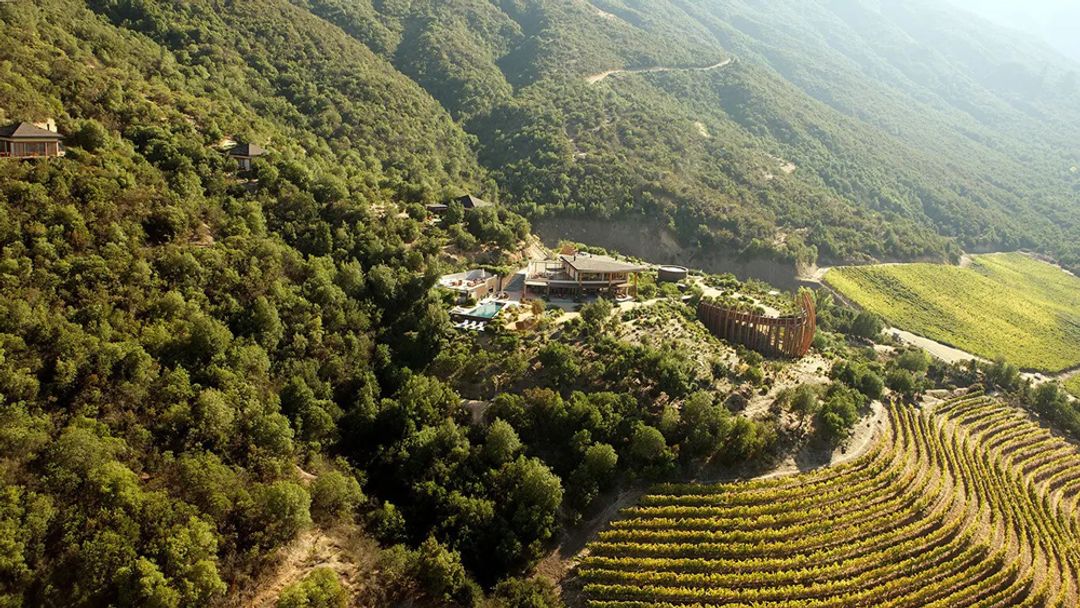
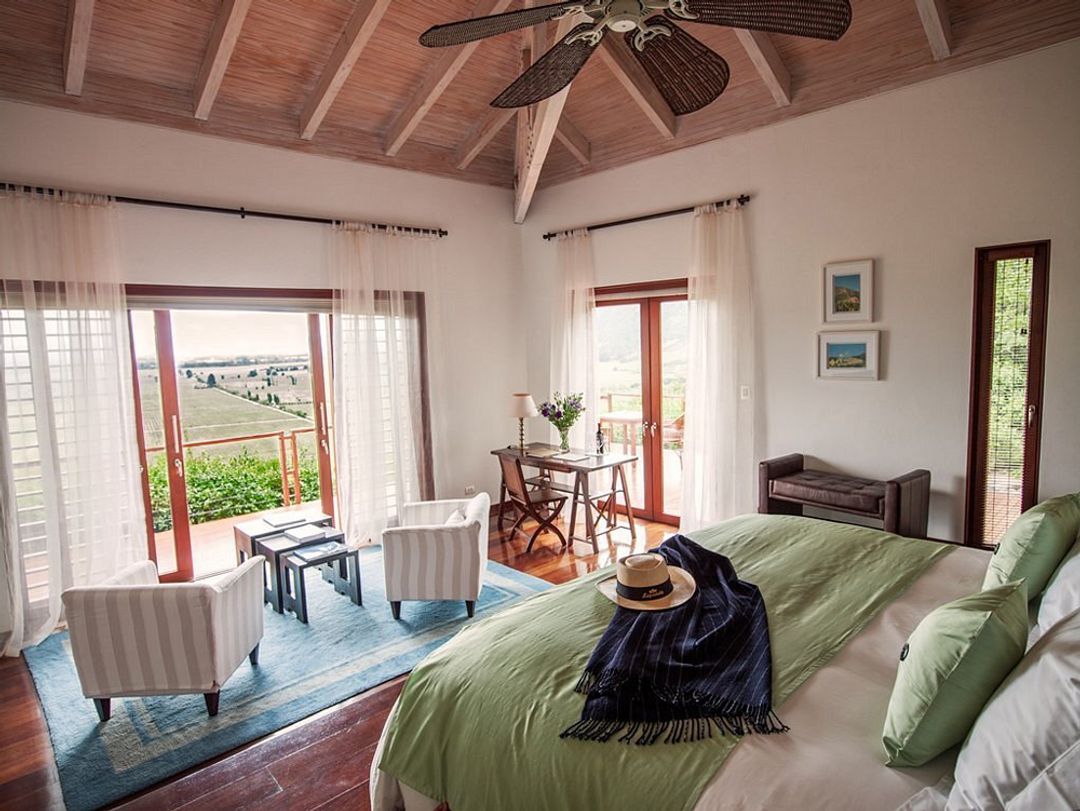
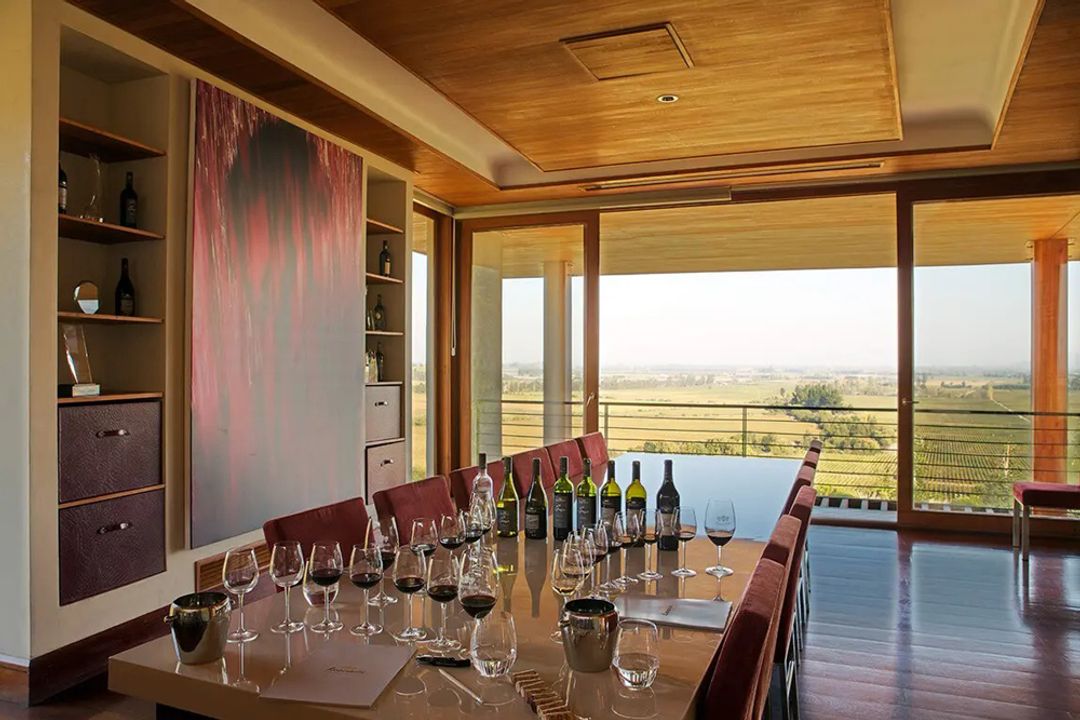
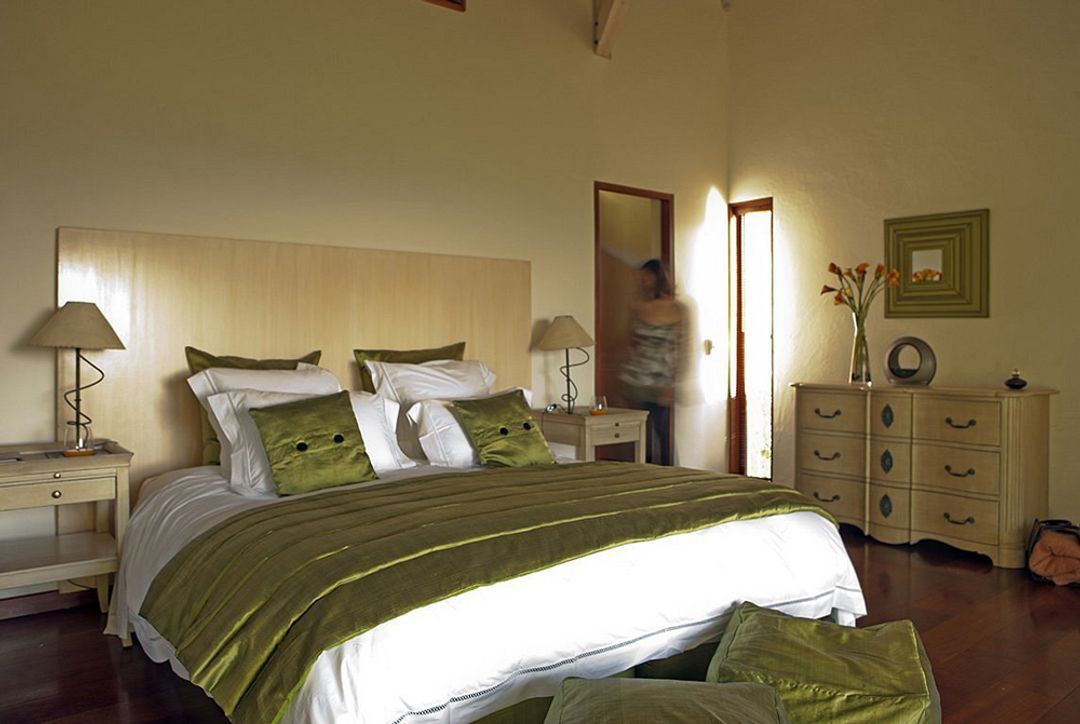
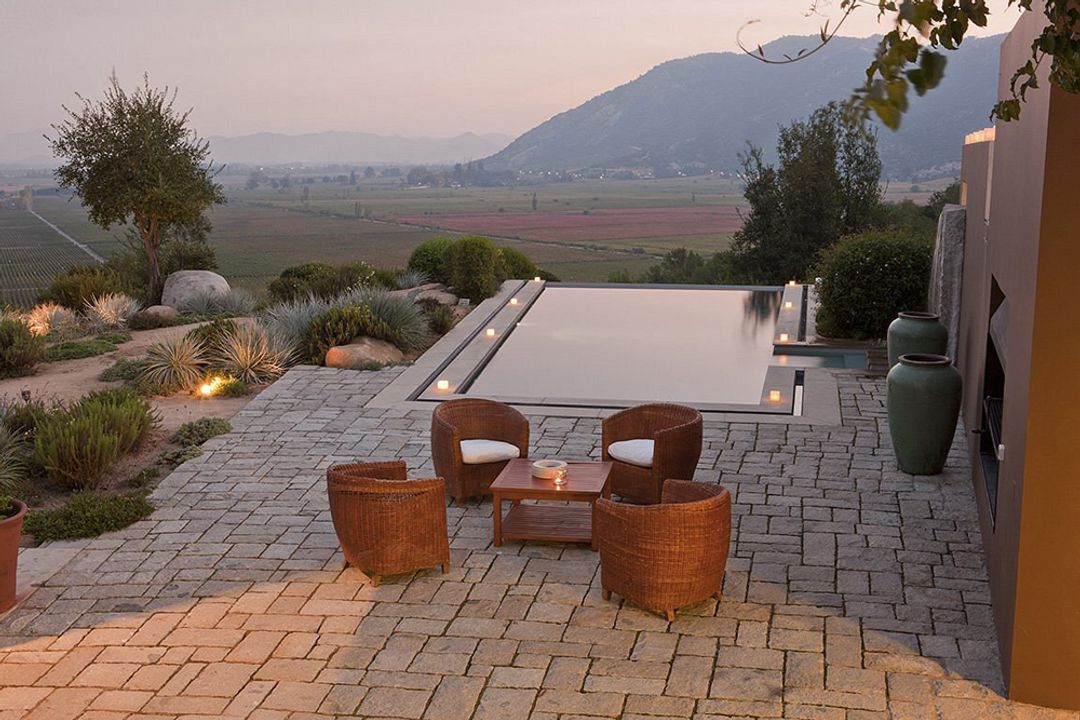
The Colchagua Valley earns its reputation on the strength of its land — a broad, sun-hammered corridor running inland from the Pacific foothills toward the Andes, where the Tinguiririca River carves through carmenère country and the air carries the particular dryness of a continental wine region at altitude. The architecture here is not the product of a metropolitan design culture but of something more provisional: adobe haciendas, colonial-era estates, vineyards that have gradually traded corrugated iron for serious design ambition. Santa Cruz, the valley's main town, functions as the practical and social hub, small enough to navigate on foot, with a central plaza that still operates on nineteenth-century rhythms despite the wine tourism that has reshaped the surrounding countryside over the past two decades. That reshaping is most legibly expressed at Clos Apalta Residence, the hotel embedded within the Clos Apalta estate near Santa Cruz. The property belongs to the Chilean winery Casa Lapostolle — itself a Franco-Chilean venture with long roots in the valley — and the architectural approach reflects that duality. The structure is built directly into a hillside, terraced into the slope in a way that reads less as hotel construction and more as a considered act of land use, with each of the six suites oriented toward the vineyard amphitheater below. The scale is deliberately intimate, which at rates around $1,300 a night positions it among the most expensive per-room propositions in Chile, but the calculation is different here than in a city hotel: what you are paying for is near-total immersion in a single working landscape, private cellar dinners, harvest access, and the kind of unhurried attention that only a property with very few guests can actually deliver. The interiors draw on natural materials sourced from the region — wood, stone, terracotta — without tipping into rustic pastiche. For the design-conscious traveler, Colchagua is not a place that rewards the standard luxury-hotel logic of amenity accumulation. Its pleasures are geographic and sensory — the quality of light on the vines at dusk, the thermal shift between midday heat and cool evening air, the particular seriousness with which Chilean winemakers now approach their land. Clos Apalta Residence is the one property in the valley that meets those pleasures at the appropriate level of intention, and it is the specific and well-reasoned reason to make the journey inland.