Best hotels in Chongqing | A Curated Visual Guide to Top Stays
Welcome to PressBeyond, the ultimate curated visual guide for design-driven hotels! My name is Will Miller and this is my recommendation for the best boutique and luxury hotel in Chongqing.
I am the founder of PressBeyond and I am an ultra-meticulous hotel curator who loves clean visuals. I have individually analyzed and tiered the hotel included in this guide based on a variety of criteria (architecture & design, location, brand & brand affiliation, existing reviews, and my own personal experiences), and importantly, I have hand-selected the leading imagery for this hotel to provide you with easily-digestible, yet detailed and complete, like-for-like, high-level visual profiles. I felt this summarization step was a critical missing piece across existing guides, blogs, and booking platforms. My aim is to make it easier for people to identify hotel environments that resonate with them, along with enabling them to visualize the types of social experiences that those environments help foster. My brain doesn't work when exposed to cluttered content, so my goal was to create the opposite.
Underneath this, we are also a full booking engine offering 5% Venmo cash back along with other exclusive perks. For all of you design-obsessed hotel enthusiasts out there, I hope this guide helps get you to where you see yourself!
An Overview of the Boutique & Luxury Hotel Landscape in Chongqing
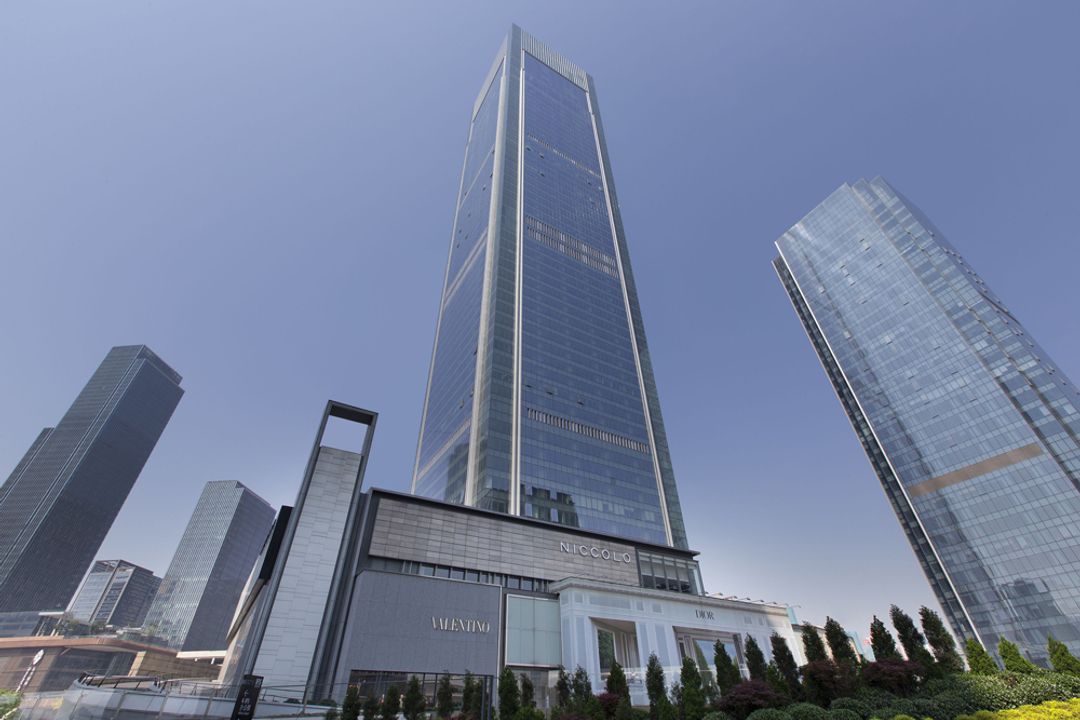
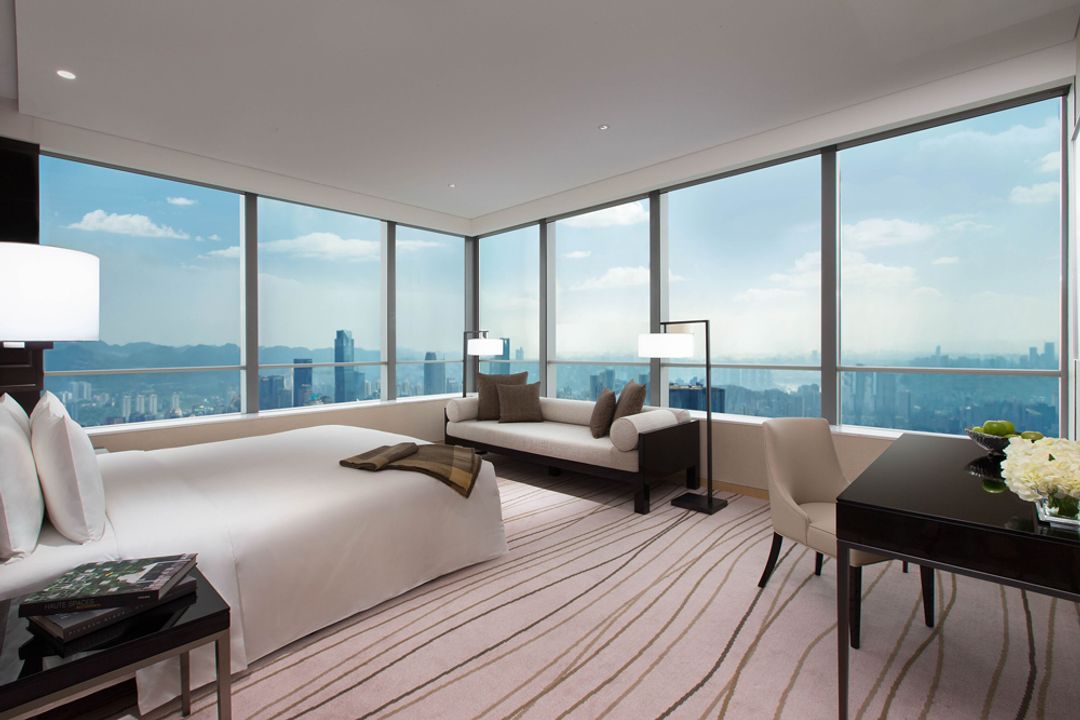
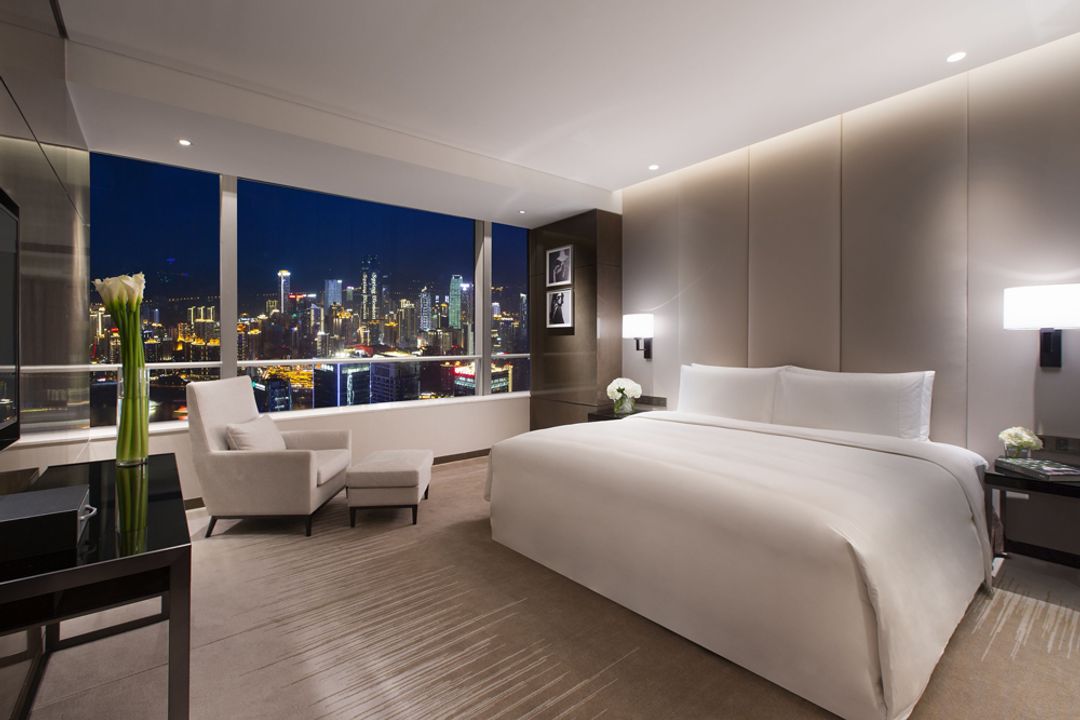
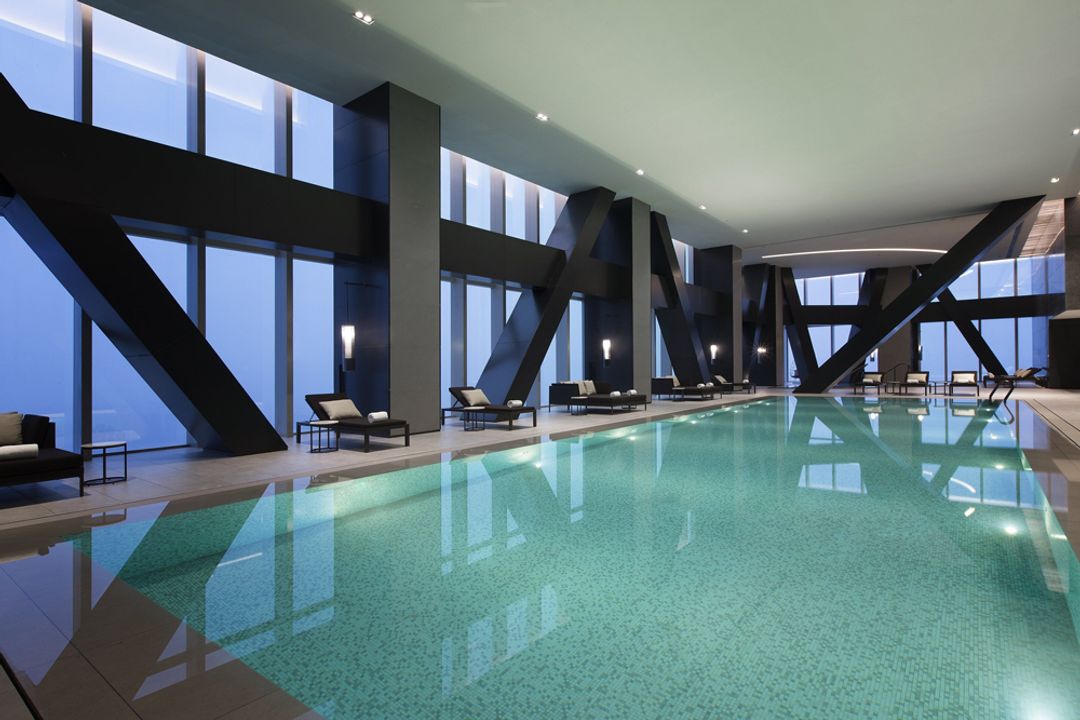
Chongqing defies easy categorization. It is a vertical city in a way that has no real parallel in China — built not across a flat plain but up and into the confluence of the Jialing and Yangtze rivers, its topography forcing an architecture of skywalks, cliff-side towers, and monorail lines that pass through the middle of residential buildings. The city's dramatic elevation changes have shaped everything here, from its infrastructure to its food culture to the peculiar, fog-softened light that makes the downtown skyline look perpetually mid-emergence. Arriving by night, the illuminated terracing of Jiefangbei and the surrounding hills reads less like a Chinese megacity than like some speculative rendering that somehow got built. The Niccolo Chongqing, positioned within the IFS complex in Jiefangbei — the commercial and psychological center of the municipality — is the property that makes the most architectural and experiential sense for a design-conscious visitor. The IFS development itself is a significant urban gesture, a mixed-use tower that anchors retail, hospitality, and office use in a district that functions as Chongqing's densest convergence of movement and money. The Niccolo brand, which operates under the Wharf Hotels umbrella out of Hong Kong, brings a consistent commitment to contemporary Asian design — refined without being corporate, specific without being theme-heavy. Rooms here are calibrated rather than showy, with materials and proportions that reward the kind of attention most hotel guests don't bring. From the upper floors, the view takes in the river bend and the layered geography of the city in a way that feels genuinely earned by the location rather than manufactured by it. Chongqing is not a city that has historically attracted design tourism in the way that Beijing or Shanghai does, but that is part of what makes it worth the attention now. Its food culture — hotpot, obviously, but also the broader Sichuan vocabulary — is as serious and place-specific as any in China, and the city's rapid development has produced architectural ambition at a scale that outpaces most international coverage of it. The Niccolo offers a base from which to engage with all of this seriously: well-located, well-made, and genuinely useful as a place to return to after a day spent navigating one of the most genuinely strange and alive cities on the continent.