Best hotels in Dali, China | Visually Compare Top Stays Side-by-Side
Welcome to PressBeyond - a curated visual guide to design-driven hotels and the fastest way to compare them.
An Overview of the Boutique & Luxury Hotel Landscape in Dali, China
Dali sits in a valley between the Cangshan mountains and Erhai Lake in Yunnan province, and the landscape does most of the architectural thinking for you. The old town, Dali Ancient City, is built to a Tang-dynasty grid and framed by the famous Three Pagodas of Chongsheng Temple, structures that have anchored the visual horizon here since the ninth century. The vernacular building tradition of the Bai ethnic minority, which dominates the region, runs to whitewashed walls, dark timber framing, and elaborately carved stone gateways, a palette that has proven surprisingly resistant to the generic resort aesthetic that has overtaken comparable heritage towns elsewhere in China. What survives in the most carefully maintained corners of Dali is a genuine materiality: local marble quarried from Cangshan, blue-glazed tile, and the kind of narrow lane proportions that make scale legible through lived experience rather than planning doctrine.
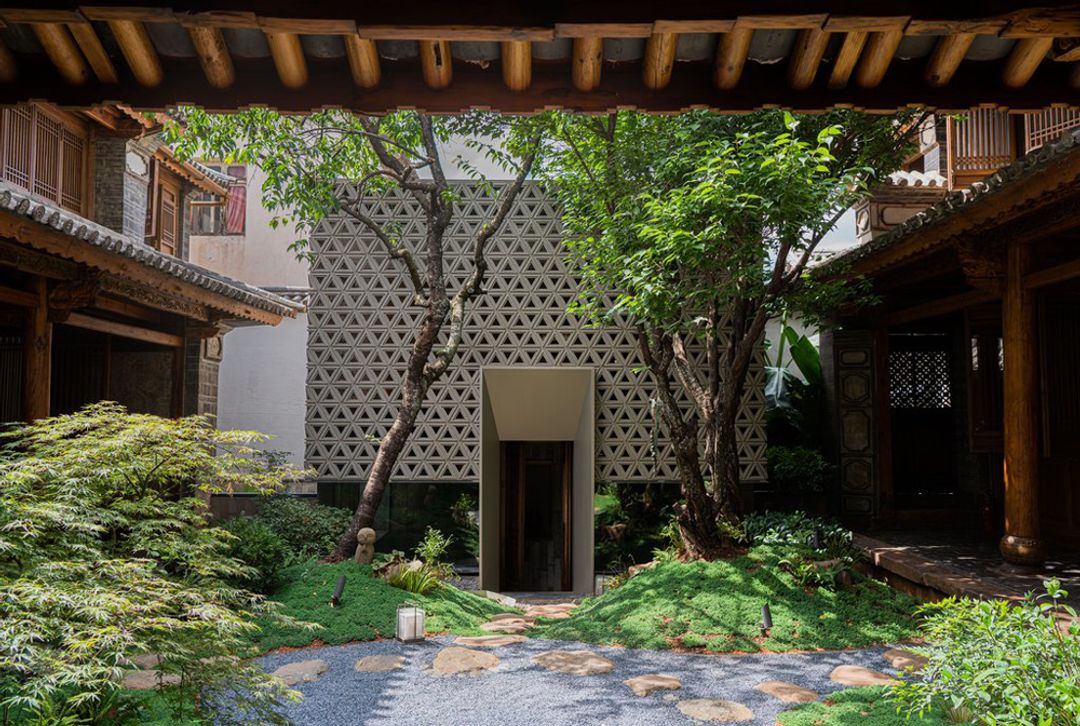
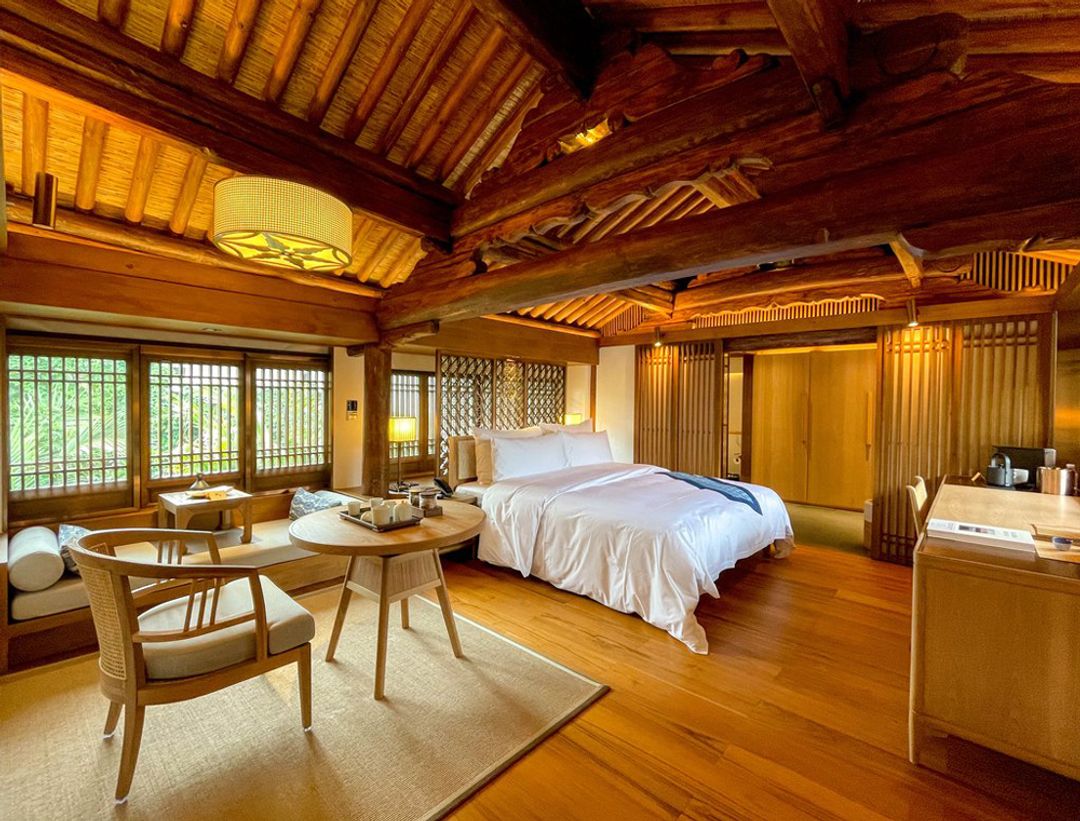
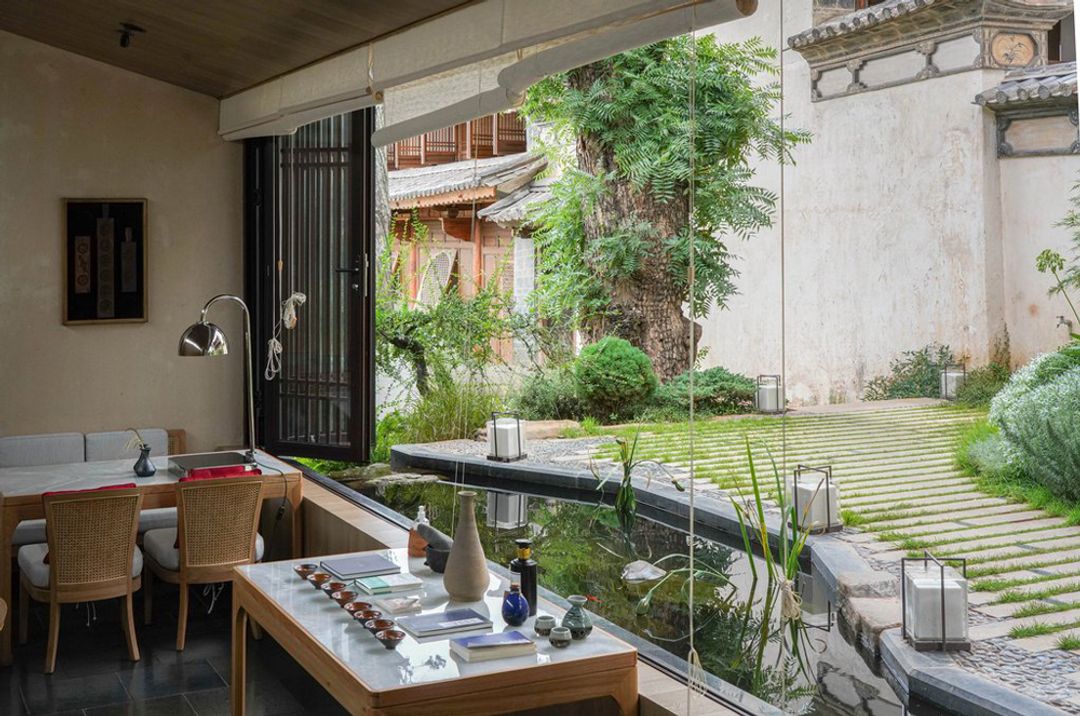
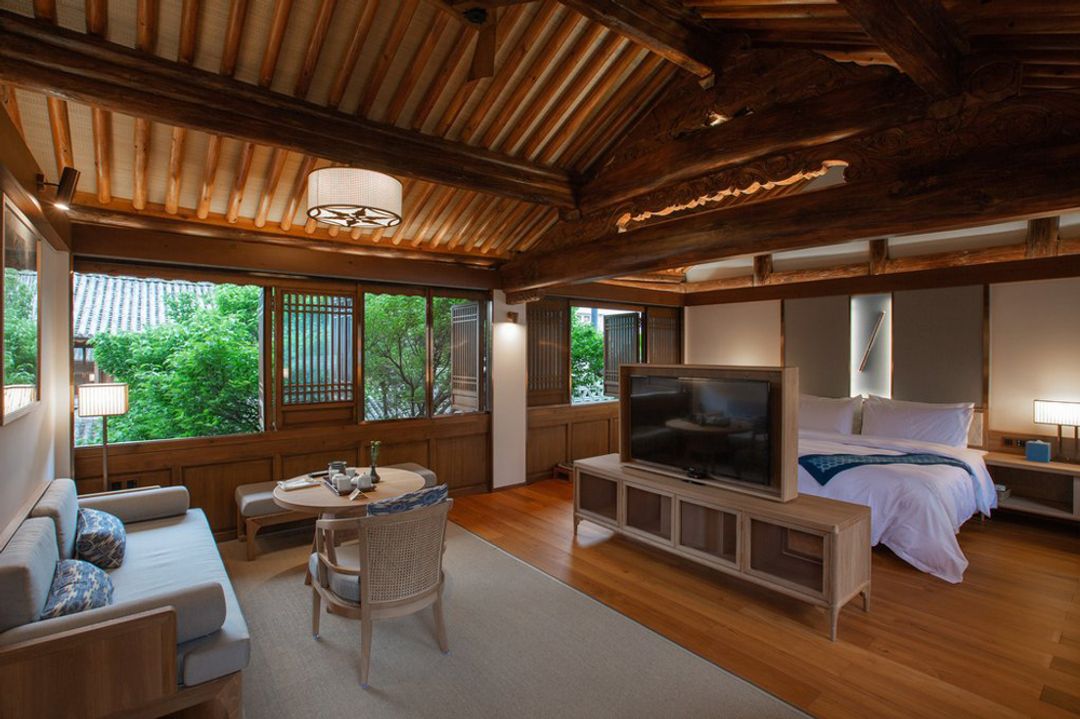
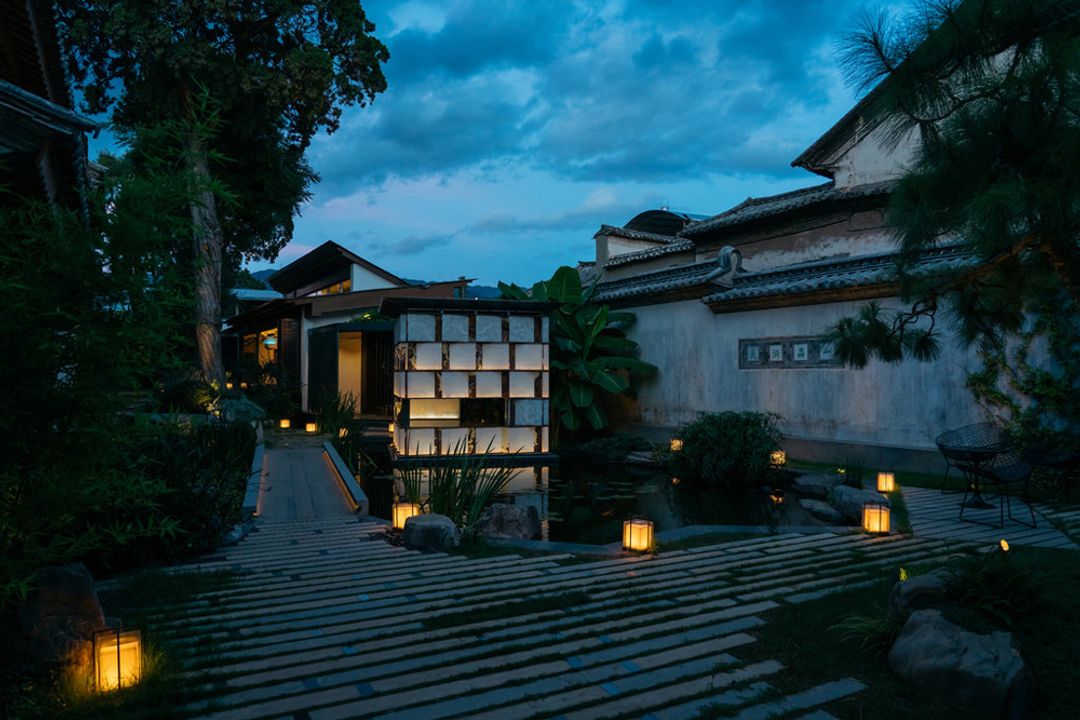
Nanzhao Town, a development south of the old city center on the Erhai lakefront, represents a more recent and more deliberately composed chapter in how Dali presents itself to visitors. It takes its name from the Nanzhao Kingdom that flourished in this basin between the seventh and ninth centuries, and the architecture of the area draws on that heritage with varying degrees of conviction. The Dawn of Yihe Luxury Hotel sits within this lakeside context and operates at a register that takes both the water and the mountain backdrop seriously as design conditions rather than simply as views to be captured from a balcony. At two hundred and twenty-eight dollars a night, it positions itself as the considered choice for anyone whose instinct is to notice how a building meets the ground, how materials weather, and whether the proportions of a room feel genuinely resolved.
What makes Dali worth the journey, and what makes a hotel stay here feel different from the more trafficked Yunnan circuit, is precisely this layering: a landscape of genuine drama, a minority architectural tradition with its own rigorous aesthetic, and a hospitality offer that, at its best, takes those conditions as its brief. The Dawn of Yihe is currently the one property on this platform that makes that case in Dali, and it does so from a location where the lake light changes the character of everything around it across the course of a single day.