Best hotels in Qingdao | A Curated Visual Guide to Top Stays
Welcome to PressBeyond, the ultimate curated visual guide for design-driven hotels! My name is Will Miller and this is my recommendation for the best boutique and luxury hotel in Qingdao.
I am the founder of PressBeyond and I am an ultra-meticulous hotel curator who loves clean visuals. I have individually analyzed and tiered the hotel included in this guide based on a variety of criteria (architecture & design, location, brand & brand affiliation, existing reviews, and my own personal experiences), and importantly, I have hand-selected the leading imagery for this hotel to provide you with easily-digestible, yet detailed and complete, like-for-like, high-level visual profiles. I felt this summarization step was a critical missing piece across existing guides, blogs, and booking platforms. My aim is to make it easier for people to identify hotel environments that resonate with them, along with enabling them to visualize the types of social experiences that those environments help foster. My brain doesn't work when exposed to cluttered content, so my goal was to create the opposite.
Underneath this, we are also a full booking engine offering 5% Venmo cash back along with other exclusive perks. For all of you design-obsessed hotel enthusiasts out there, I hope this guide helps get you to where you see yourself!
An Overview of the Boutique & Luxury Hotel Landscape in Qingdao
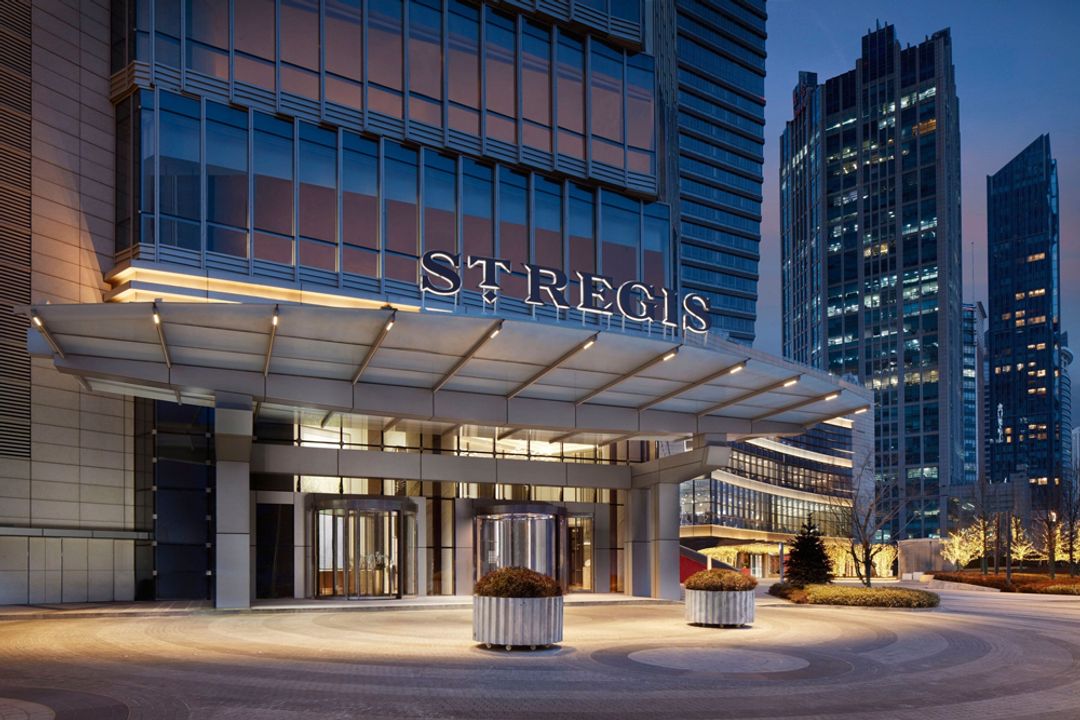
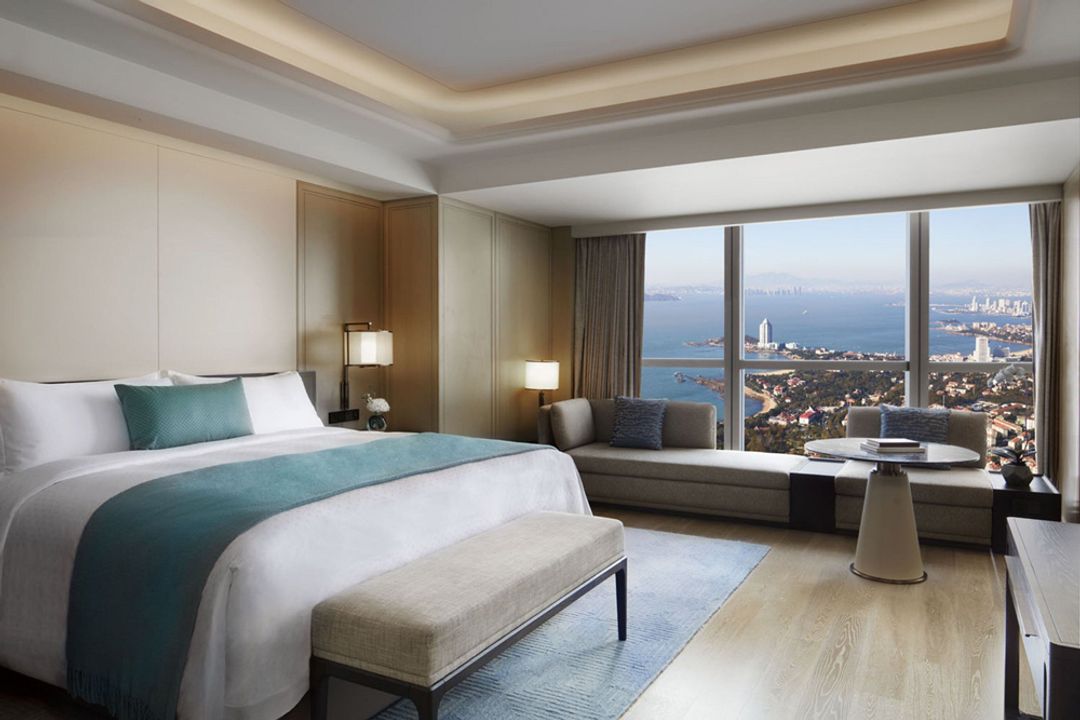
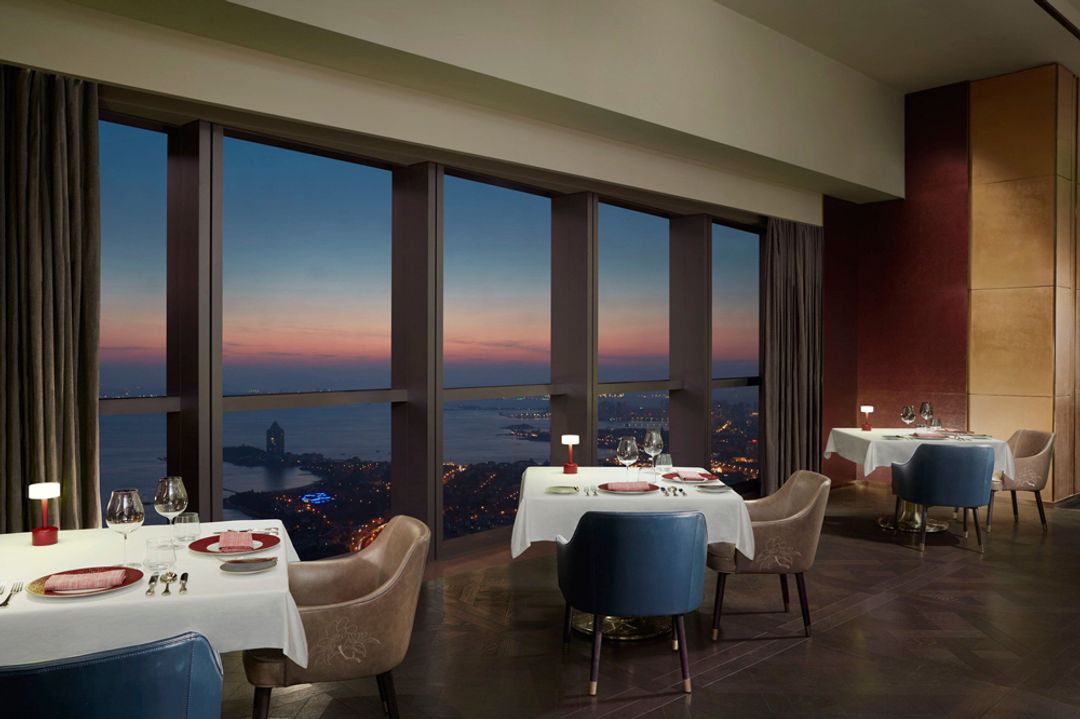
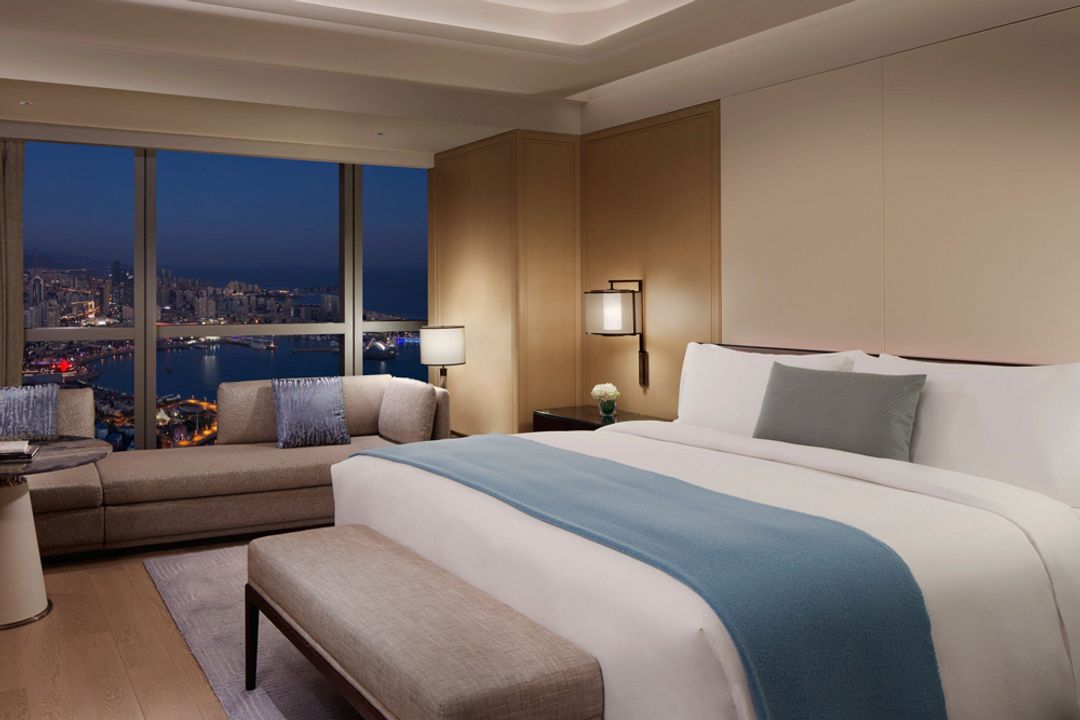
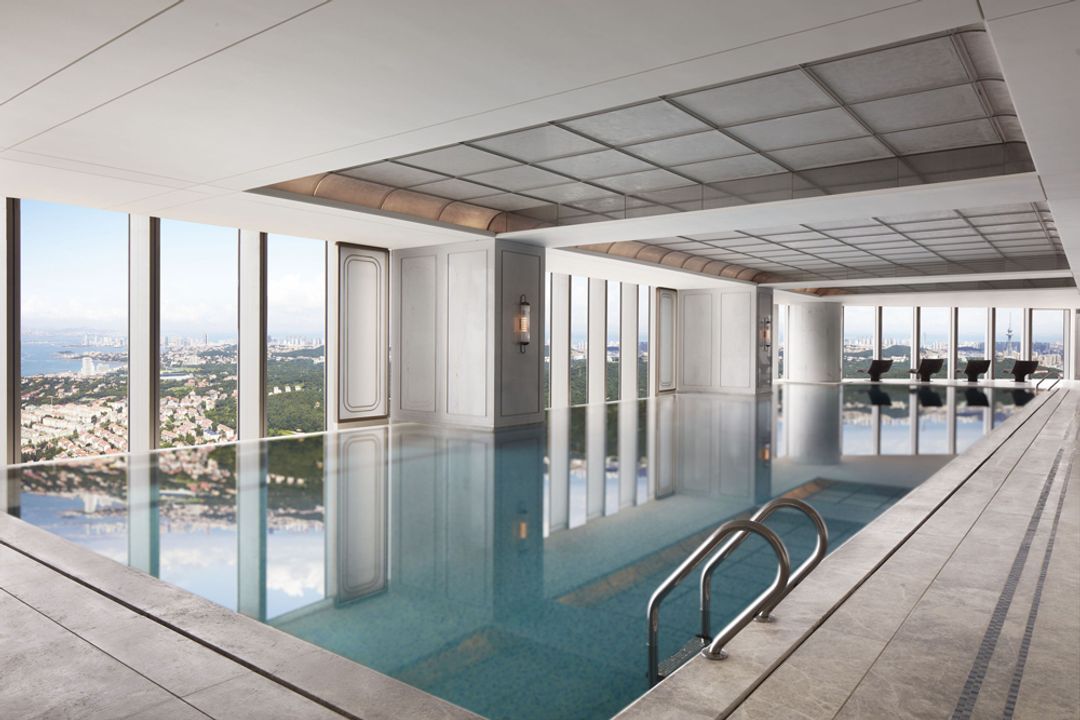
Qingdao is one of the stranger and more rewarding architectural episodes in Chinese urban history. The Germans arrived in 1898, stayed until 1914, and left behind a city of red-tiled roofs, granite churches, and Bavarian civic buildings that still define the older quarters of Shinan District today. The resulting streetscape — European colonial bones pressed against the Yellow Sea, with Mount Laoshan visible on clear days to the east — has never quite been rationalized away. Where other Chinese coastal cities aggressively rewrote their colonial inheritances, Qingdao held onto its, partly through urban preservation policy and partly through the accident of topography. The hills made total redevelopment awkward. The result is a city that feels genuinely layered: the German-era villas of Badaguan, the early republican architecture along Zhongshan Road, and then, further into Shinan, the expected towers and commercial glass that mark contemporary China's coastal ambitions. It is in this newer, southern edge of Shinan where the St. Regis Qingdao sits, positioned toward the waterfront with views across Fushan Bay. The property occupies a high-rise tower and operates with the considered formality that characterizes the St. Regis brand globally — butler service, a precise attention to arrival rituals, and interiors that draw on restrained chinoiserie gestures without overcrowding them. The location is practical for business travelers with connections in the city's development corridors, but it also places guests within reasonable reach of the historic quarters. Badaguan, the old villa district where German and Japanese colonial architecture mingles in a leafy residential grid, is close enough to warrant an afternoon on foot. Qingdao rewards that kind of deliberate pacing. The Tsingtao Brewery, still operating in the original 1903 factory buildings in the Dengzhou Road area of Shibei District, makes for a more honest architectural excursion than most city brewery tours manage. The old German Governors' Residence, sitting high above the city in Xinhao Hill Park, gives the clearest sense of what the colonial planners actually intended — a European administrative fantasy dropped onto a peninsula jutting into the Yellow Sea. The St. Regis is not the obvious place to engage with any of that history directly, but as a base that combines operational reliability with a serious water-facing position, it is a clear-headed choice for anyone arriving with both business and curiosity on the itinerary.