Each hotel image sequence, including the selection and arrangement of its images, © 2026 PressBeyond. All rights reserved

Amanyangyun
5% cash back when you book with PressBeyond
Each hotel image sequence, including the selection and arrangement of its images, © 2026 PressBeyond. All rights reserved
Amanyangyun
Shanghai, China • Fuzhou • OVER THE TOP
avg. $821 / night
Includes $43 / night in cash back
Cash back is redeemable via Virtual Visa, Venmo, or bank transfer starting 24-48 hours after check-out
Exclusive PressBeyond Benefits
Get to where you see yourself
Ultra-clean, global, hand-picked hotel curation & imagery designed to help you visualize enticing environments and the elevated social experiences they create
Cash back
5% cash back on all completed stays (redeemable via Virtual Visa, Venmo, or bank transfer starting 24-48 hours after check-out)
Credit card points
Credit and debit card charges are processed directly by the hotel (i.e. not PressBeyond), meaning that any travel-specific credit card points or incentives that you normally get as a cardholder for direct hotel bookings are preserved
Hotel loyalty points
Points accrual and status eligibility with major hotel loyalty programs: Marriott Bonvoy, Hilton Honors, World of Hyatt, and others
Free breakfast
Breakfast-included rate options available
Room upgrades
Complimentary room upgrades (subject to property availability)
Extend your stay
Early check-in and late check-out (subject to property availability)
Part of Aman
Location
At a glance
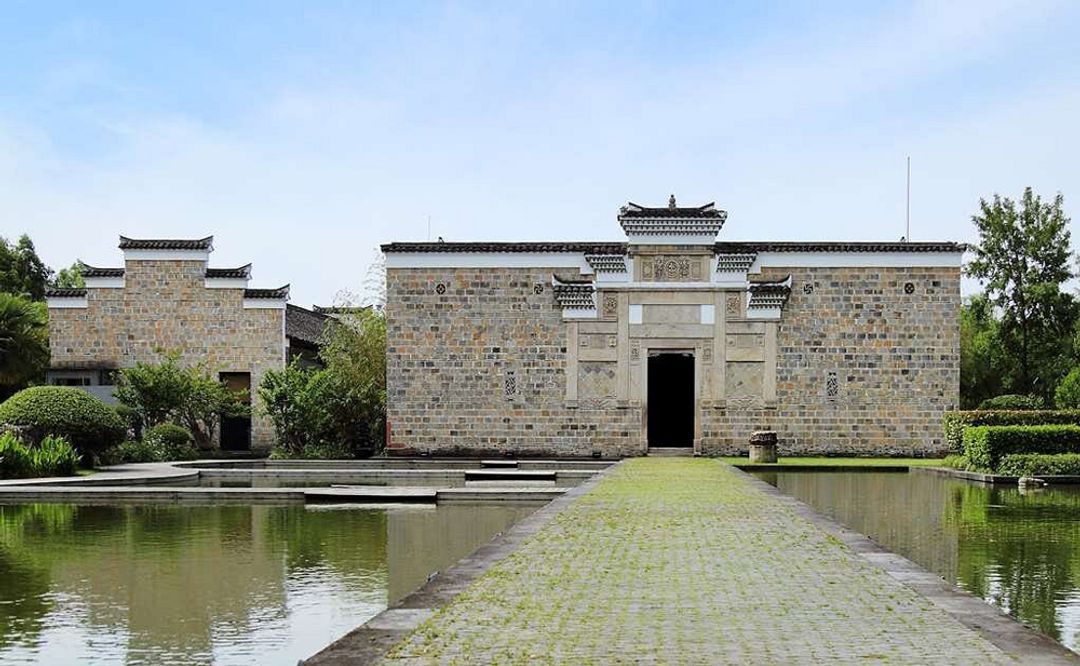
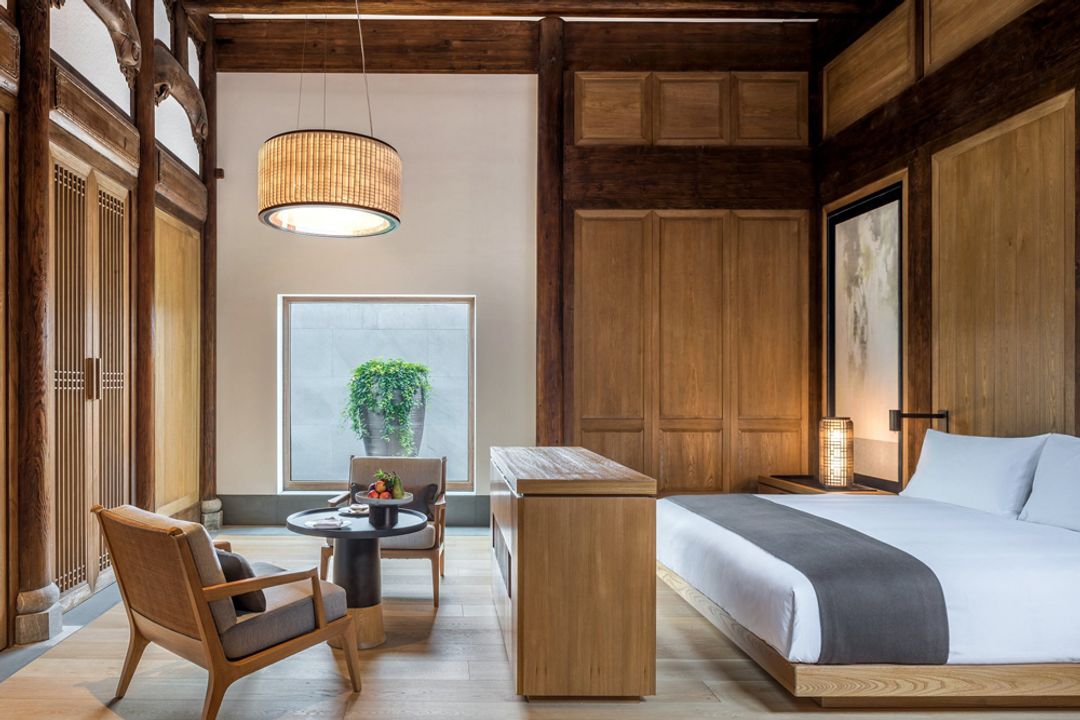
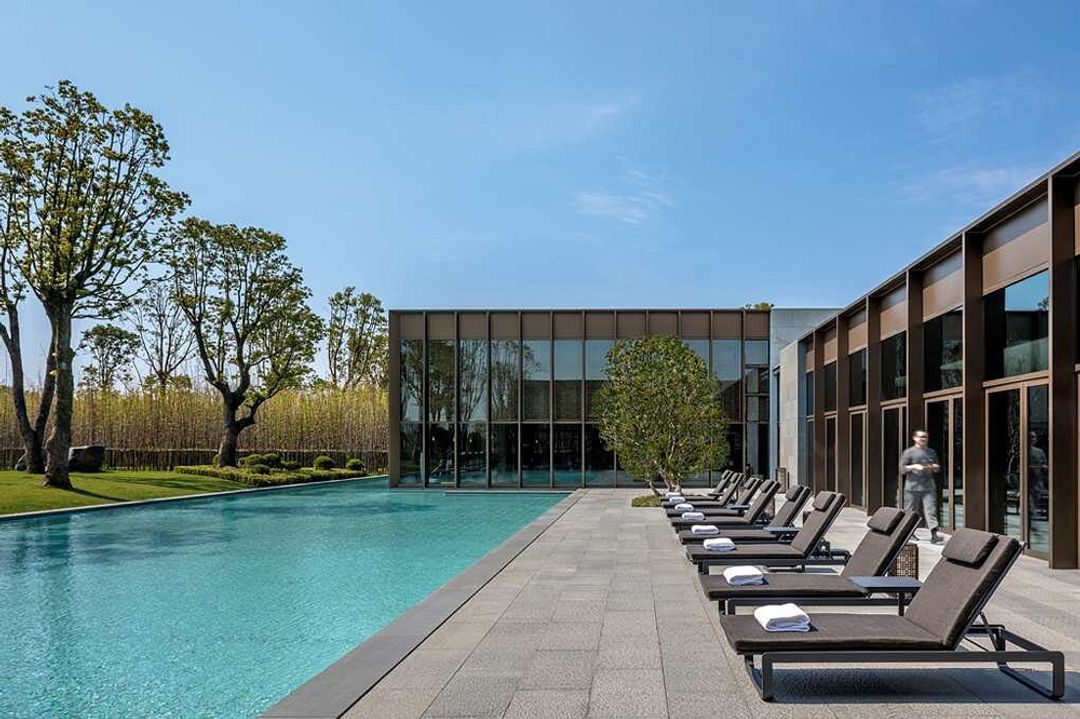
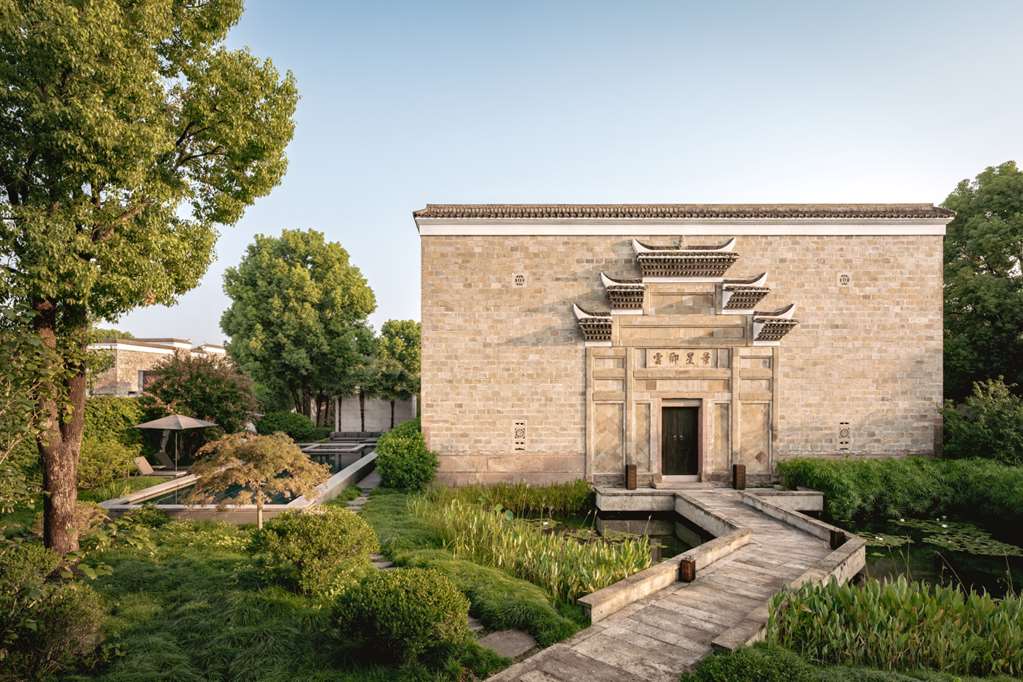
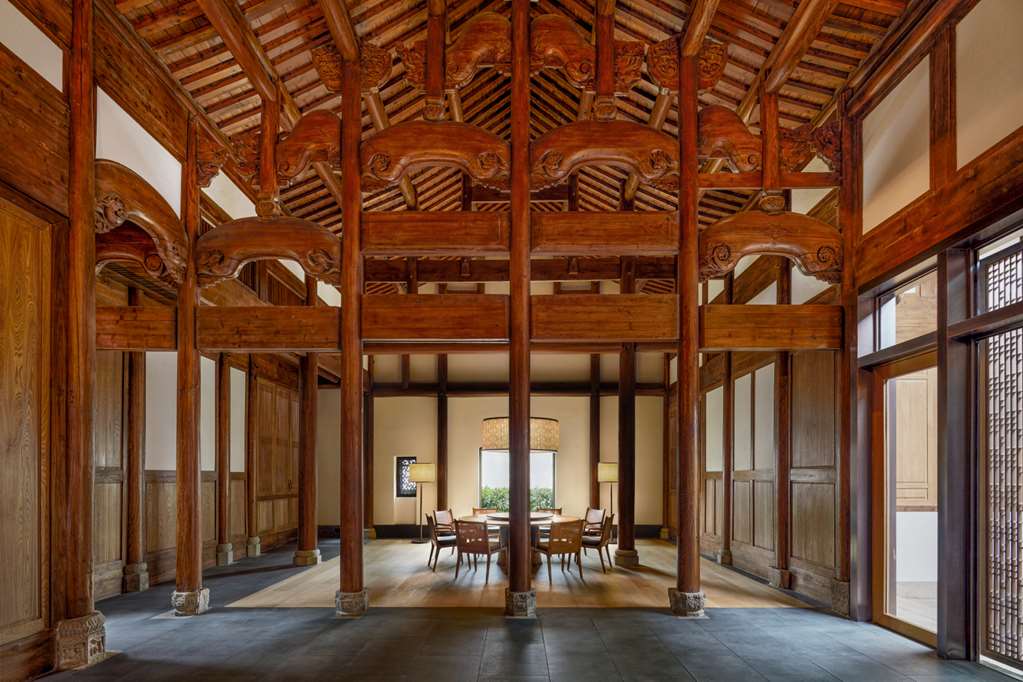
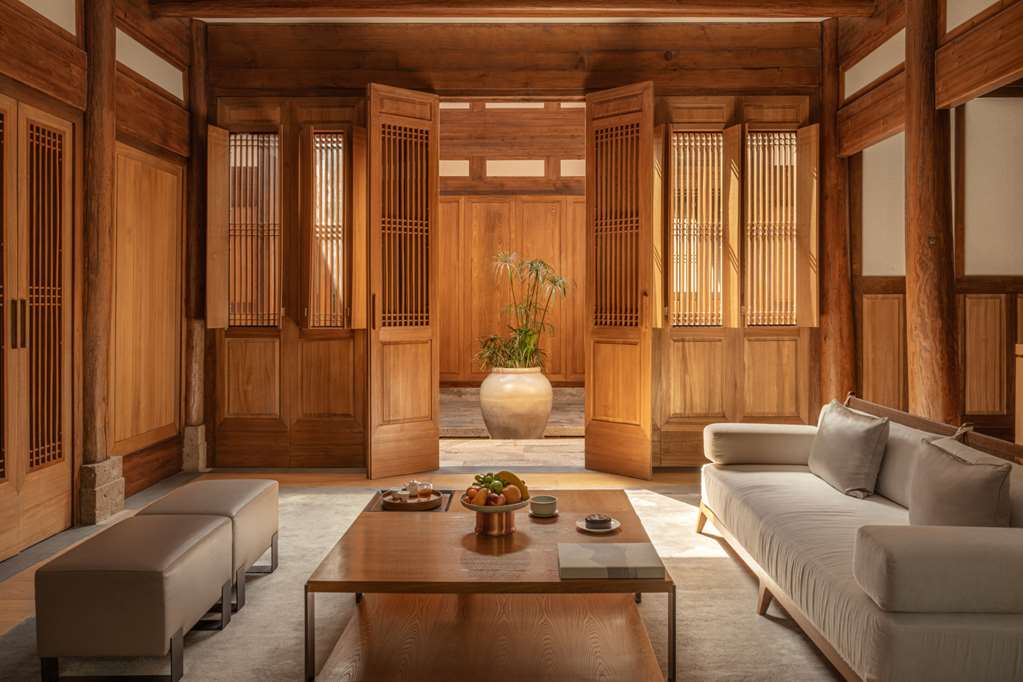
A reconstructed Ming-Qing village designed by Kengo Kuma, with 24 villas housed in salvaged camphor wood manors and contemporary interiors.
Best for: Architecture enthusiasts and preservation-focused collectors
Highlights:
- Ming and Qing dynasty village reassembled timber-by-timber by Kengo Kuma
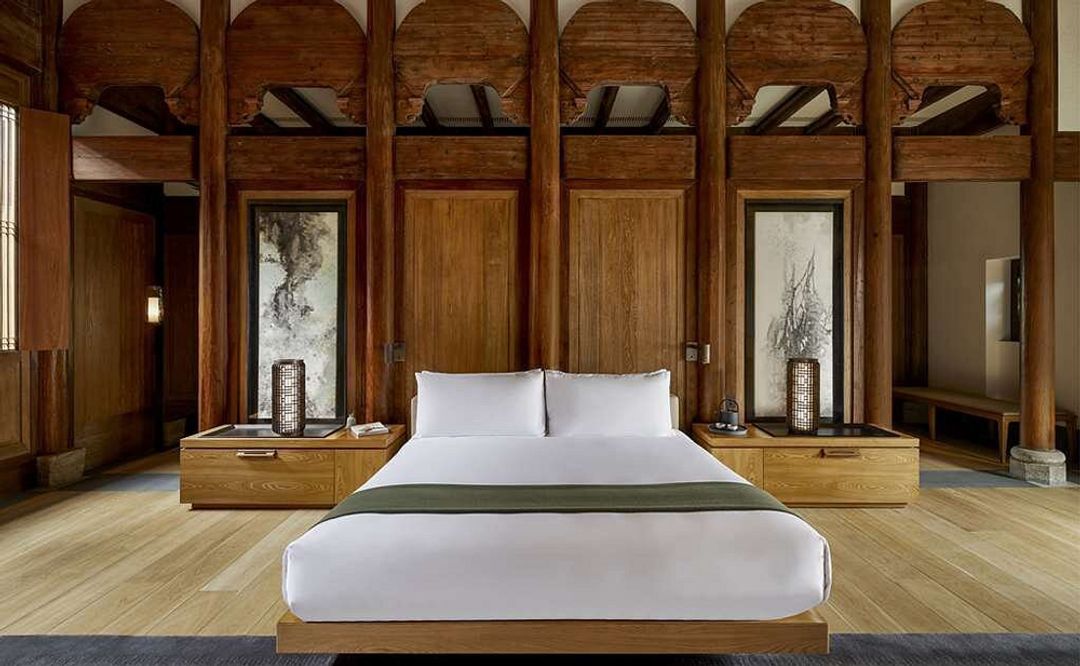
- 24 villas in original camphor wood manor houses with hand-cut stone facades
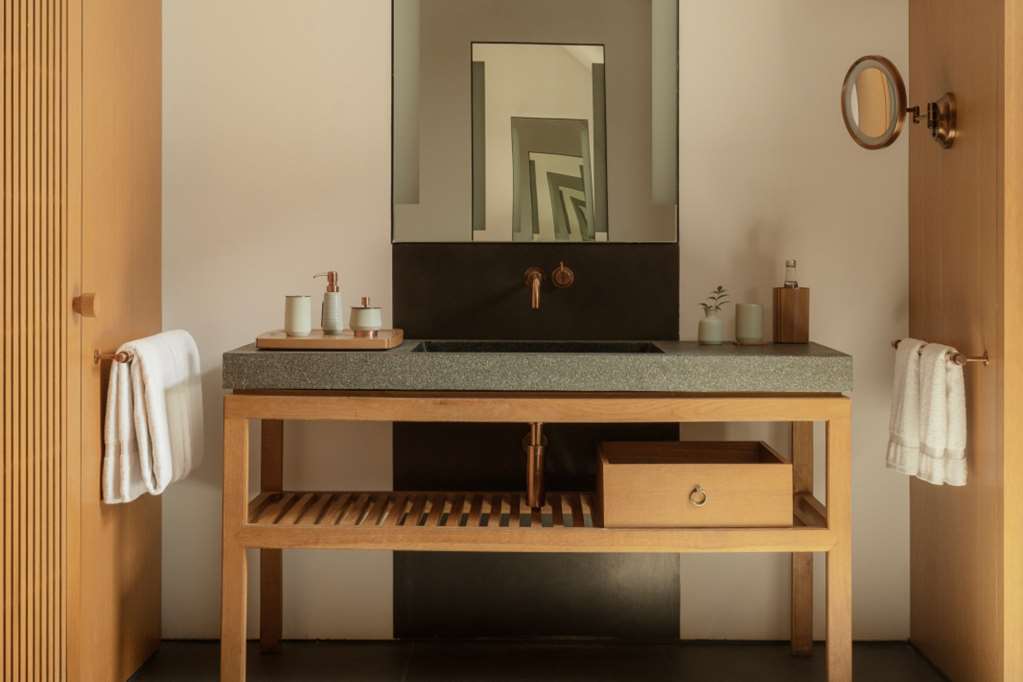
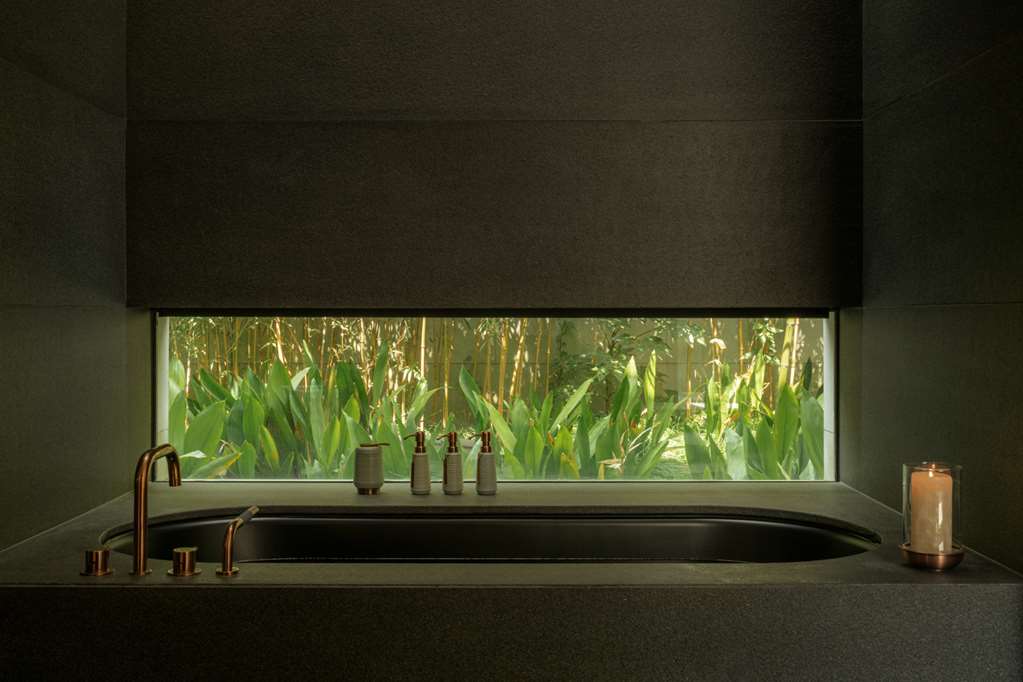
- Contemporary interiors layer pale oak and woven bamboo beneath ancient beams
PB hotel design editorial
Travel notes
About
Guest photos
Policies
All reservations must be guaranteed by valid credit card Please see current rate policy