Where

PressBeyond Logo

Best hotels in Wuzhen | Visually Compare Top Stays Side-by-Side

Welcome to PressBeyond - a curated visual guide to design-driven hotels and the fastest way to compare them.

An Overview of the Boutique & Luxury Hotel Landscape in Wuzhen

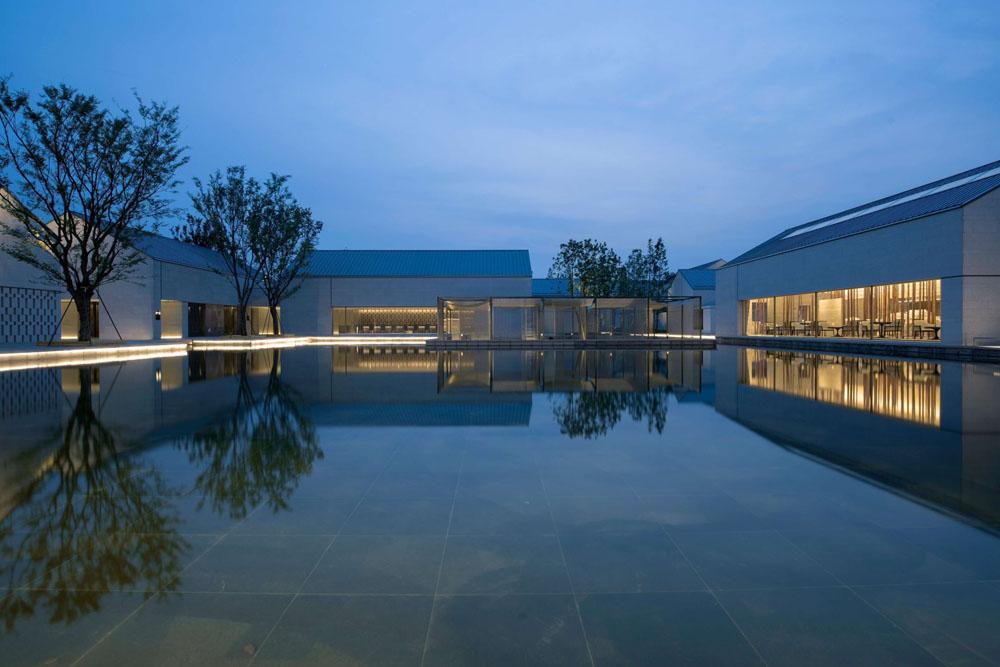
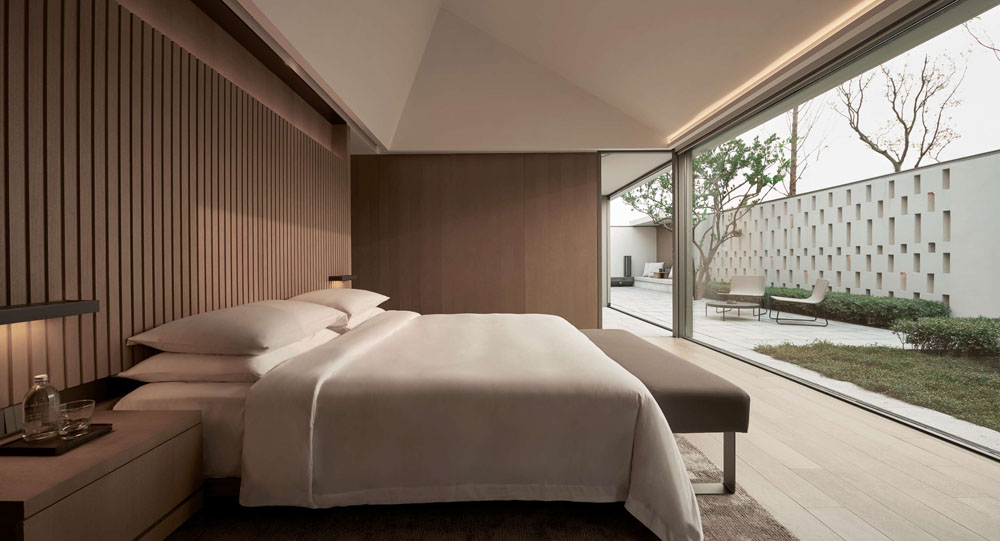
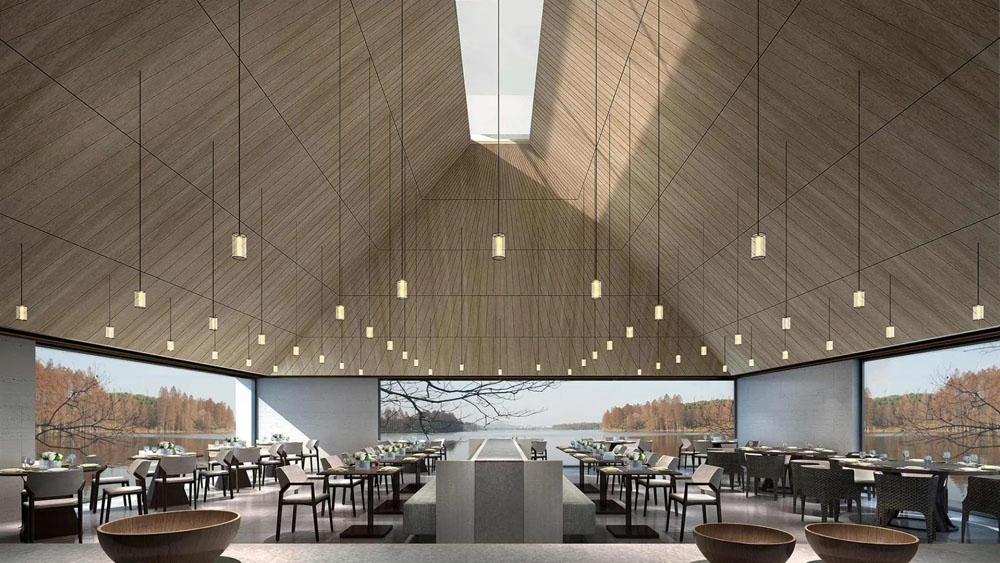
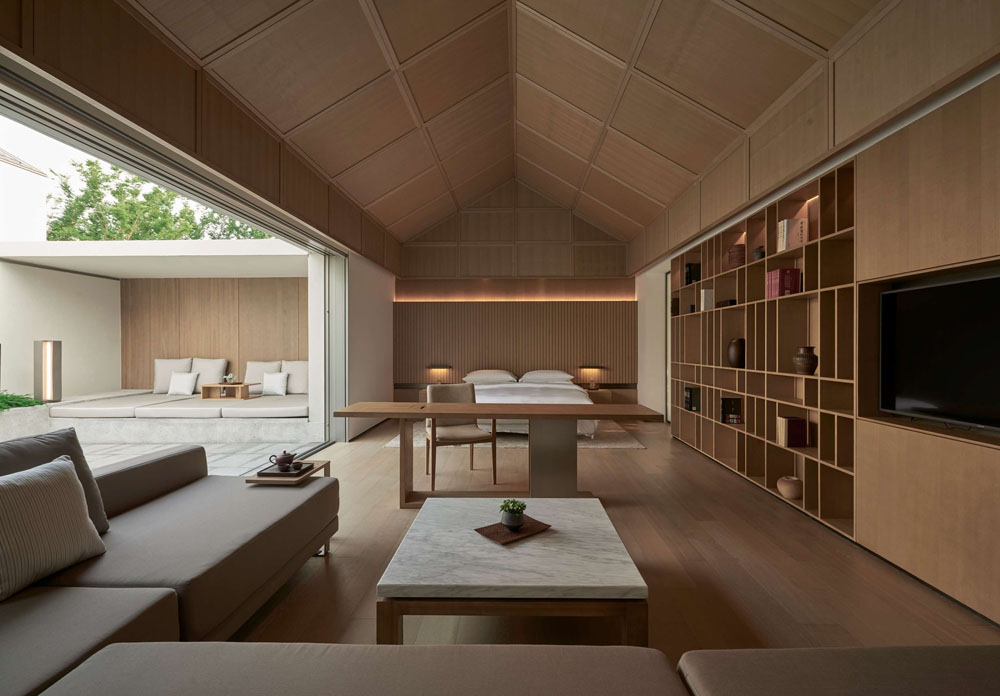
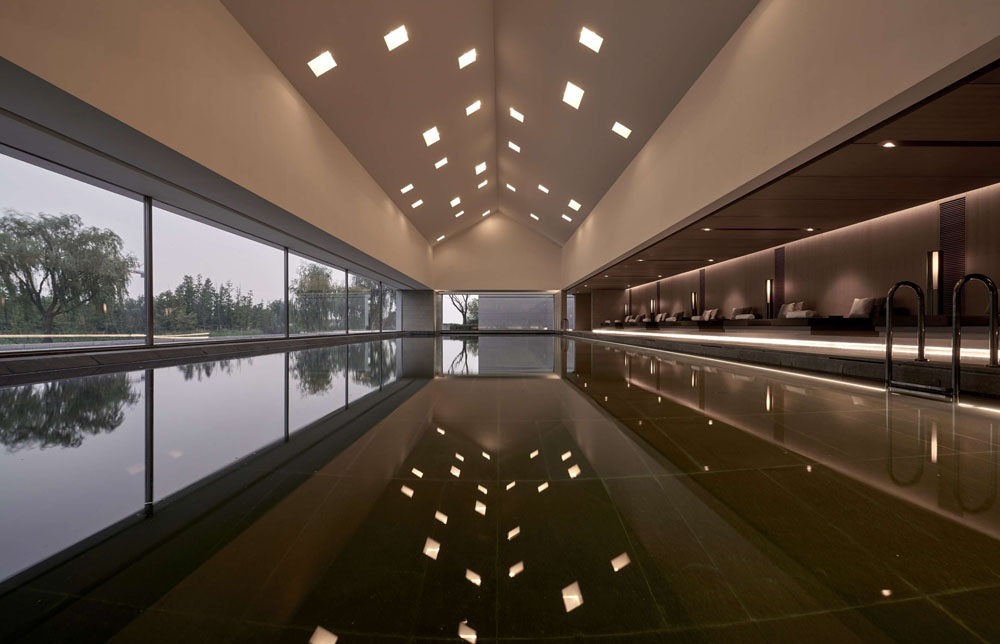
Wuzhen earns its reputation not through scale but through material continuity. This canal town in Zhejiang Province — about ninety minutes southwest of Shanghai — is one of the most coherent surviving examples of Song and Ming dynasty water-town architecture in eastern China. Dark timber, whitewashed lime plaster, stone-flagged alleyways, and the persistent sound of water moving under stone bridges define the place with a consistency that feels earned rather than curated. UNESCO recognition and careful municipal preservation have kept the worst instincts of Chinese heritage tourism at bay, though Wuzhen does draw crowds, particularly around the annual World Internet Conference and the Wuzhen Theatre Festival, which has attracted productions from Robert Wilson and Simon McBurney. The town divides into two main areas: Xizha to the west, which functions as the more visited tourist zone with its night-market energy and dense network of guesthouses, and Dongzha to the east, which is quieter, more residential in character, and where the Alila Wuzhen sits. Completed in 2014 and designed by Pritzker Prize laureate Wang Shu of Amateur Architecture Studio, the property is one of the more architecturally rigorous hotels to have opened in rural China in the past decade. Wang Shu's approach here, as in his work at the China Academy of Art in Hangzhou, involves the reuse of salvaged materials — in this case, reclaimed tiles and timber sourced from demolished Zhejiang farmhouses — embedded into contemporary architectural forms that refuse easy nostalgia. The result is a building that converses with its surroundings without mimicking them. The Alila occupies a former shipyard site along the Jingxi River, and the spatial logic of that industrial past is still legible in the long horizontal volumes and open relationship to the waterfront. Rooms are spare and considered, with local materials extended into the interiors. At a nightly rate around $237, it occupies an interesting position — high in quality relative to the town's general accommodation offer, but not stratospherically priced for what Wang Shu's name and architectural pedigree would command in a major city. For a traveler whose primary interest is in Chinese vernacular architecture and the question of what serious contemporary design looks like when it engages that tradition honestly, Wuzhen, and specifically this property, makes a strong case for itself.

Each hotel image sequence, including the selection and arrangement of its images, © 2026 PressBeyond. All rights reserved