Best hotels in Bajos del Toro Valley, Costa Rica | Visually Compare Top Stays Side-by-Side
Welcome to PressBeyond - a curated visual guide to design-driven hotels and the fastest way to compare them.
An Overview of the Boutique & Luxury Hotel Landscape in Bajos del Toro Valley, Costa Rica
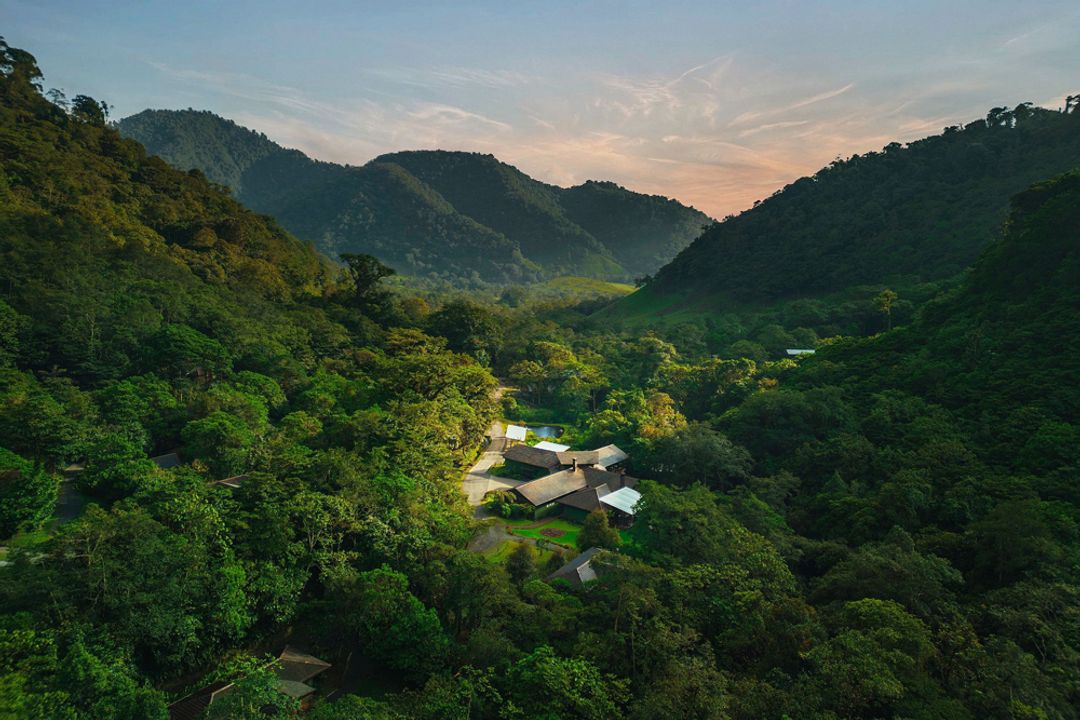
Bajos del Toro sits in a volcanic crater valley in the Alajuela highlands of Costa Rica, about two hours north of San José, at an elevation where cloud forest descends so completely that the air feels pressurized with moisture. This is not a destination you arrive at by accident. The road from the Pan-American Highway climbs through pineapple fields and coffee plantations before narrowing into a single lane that threads between ravines, and the valley itself, ringed by Poás and Platanar volcanoes, sits in near-permanent mist. There is no town center to speak of, no architectural vernacular worth cataloguing, no colonial plaza. What there is instead is primary forest, the Toro River, and a quietness so thorough it becomes its own kind of environment.
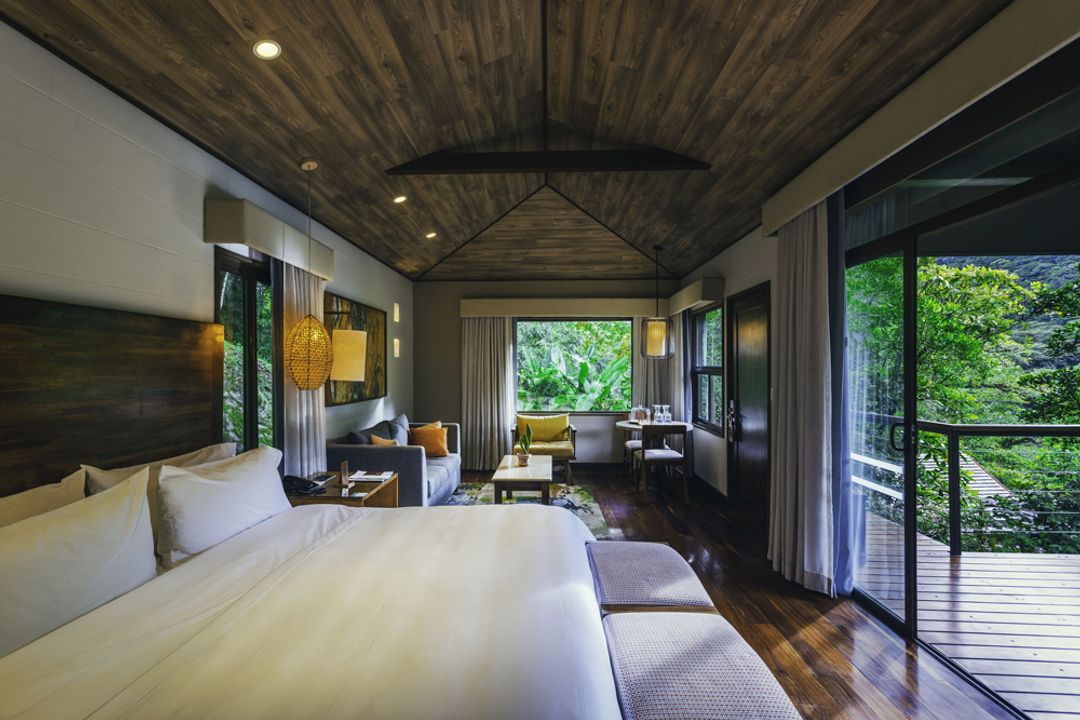
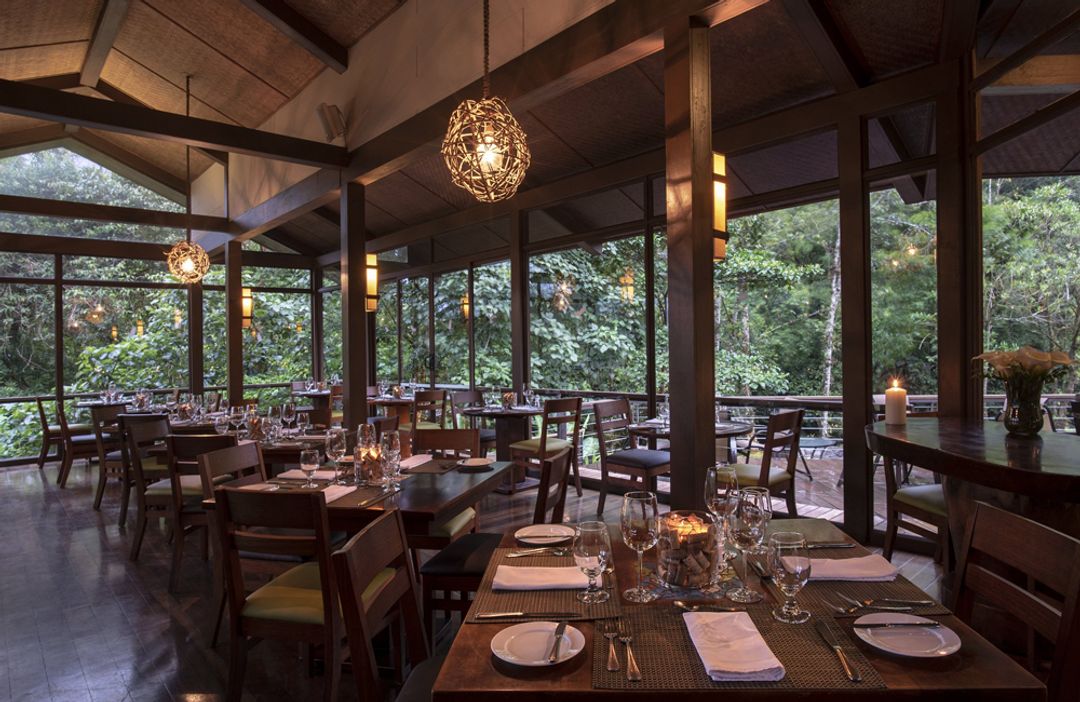
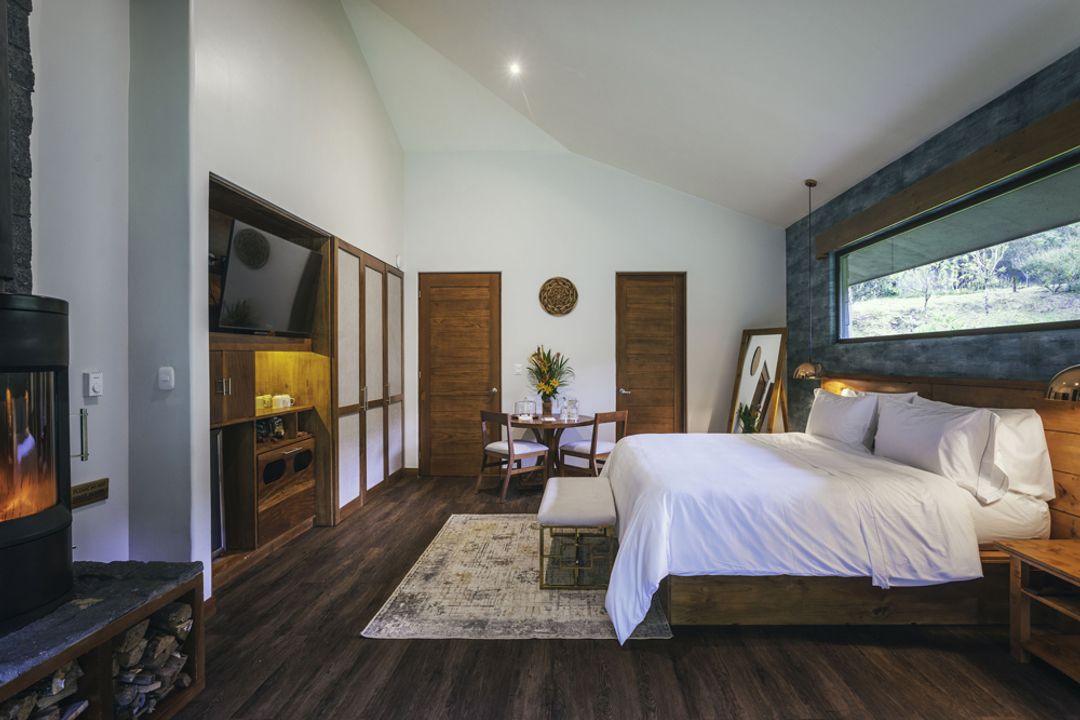
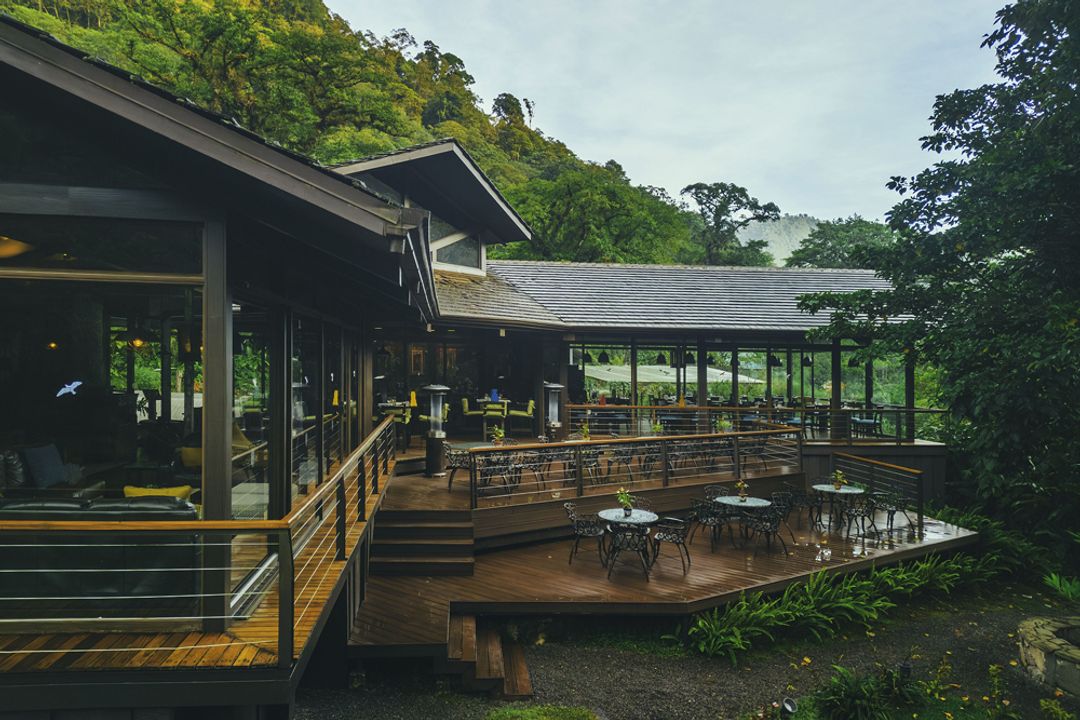
El Silencio Lodge and Spa is the reason to come, and it earns its position without needing a competitive field around it. Set on 500 acres of private cloud forest reserve, the lodge was developed with a clear philosophy: keep the built footprint restrained enough that the surrounding ecosystem does the primary work. The 16 bungalows are arranged along forest paths, each constructed with rough stone, dark timber, and floor-to-ceiling glass that looks directly into canopy. The palette is deliberately muted, deferring to the greens and grays of the forest rather than asserting any decorative ambition of its own. A suspension bridge connects parts of the property across a gorge. The spa draws on thermal-style treatments suited to the cool, damp climate, and the temperature here rarely climbs above 20 degrees Celsius, which changes the entire register of a stay: evenings require a fire, mornings call for something warm in the hands, and the hyperactive pace of conventional resort programming simply does not apply.
What El Silencio ultimately offers is a form of sensory recalibration that only works because the architecture refuses to compete with where it has been placed. For the traveler whose instinct is to read a place through its materials and siting decisions, the lodge rewards attention: the way condensation moves across the glass in the morning, the way each bungalow is angled slightly away from its neighbors to preserve a feeling of complete isolation. Bajos del Toro is not a destination for those who want a city-adjacent escape with spa credentials attached. It is, quite specifically, for those willing to let a valley that barely appears on most maps become the entire point.