Best hotels in Zagreb | A Curated Visual Guide to Top Stays
Welcome to PressBeyond, the ultimate curated visual guide for design-driven hotels! My name is Will Miller and this is my recommendation for the best boutique and luxury hotel in Zagreb.
I am the founder of PressBeyond and I am an ultra-meticulous hotel curator who loves clean visuals. I have individually analyzed and tiered the hotel included in this guide based on a variety of criteria (architecture & design, location, brand & brand affiliation, existing reviews, and my own personal experiences), and importantly, I have hand-selected the leading imagery for this hotel to provide you with easily-digestible, yet detailed and complete, like-for-like, high-level visual profiles. I felt this summarization step was a critical missing piece across existing guides, blogs, and booking platforms. My aim is to make it easier for people to identify hotel environments that resonate with them, along with enabling them to visualize the types of social experiences that those environments help foster. My brain doesn't work when exposed to cluttered content, so my goal was to create the opposite.
Underneath this, we are also a full booking engine offering 5% Venmo cash back along with other exclusive perks. For all of you design-obsessed hotel enthusiasts out there, I hope this guide helps get you to where you see yourself!
An Overview of the Boutique & Luxury Hotel Landscape in Zagreb
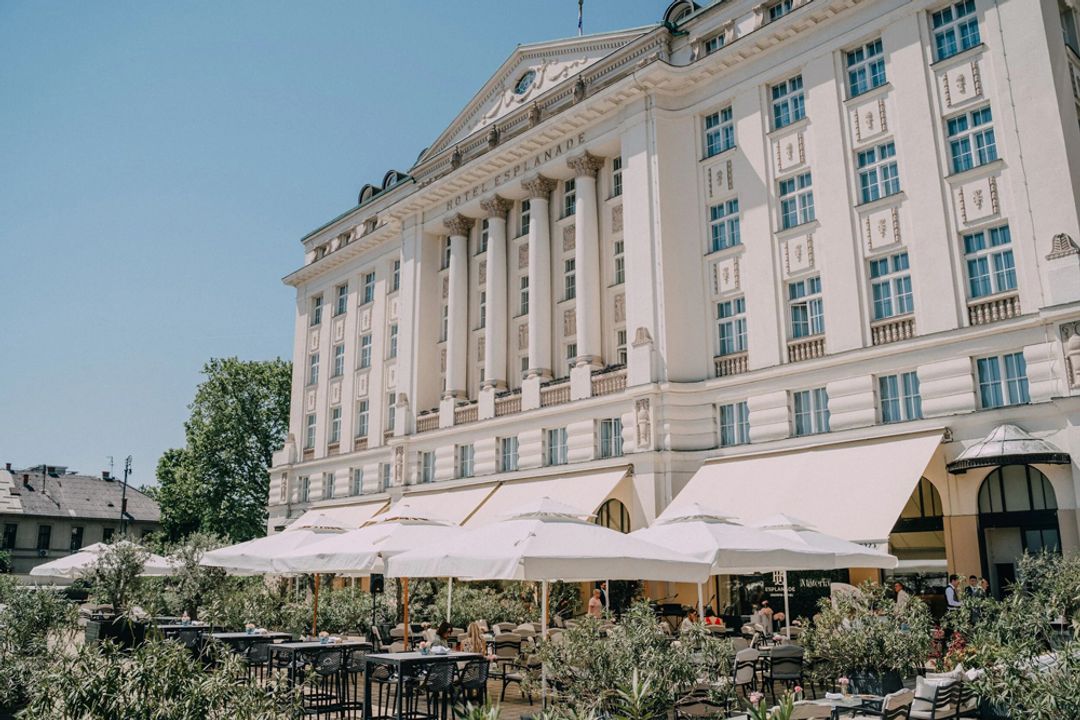
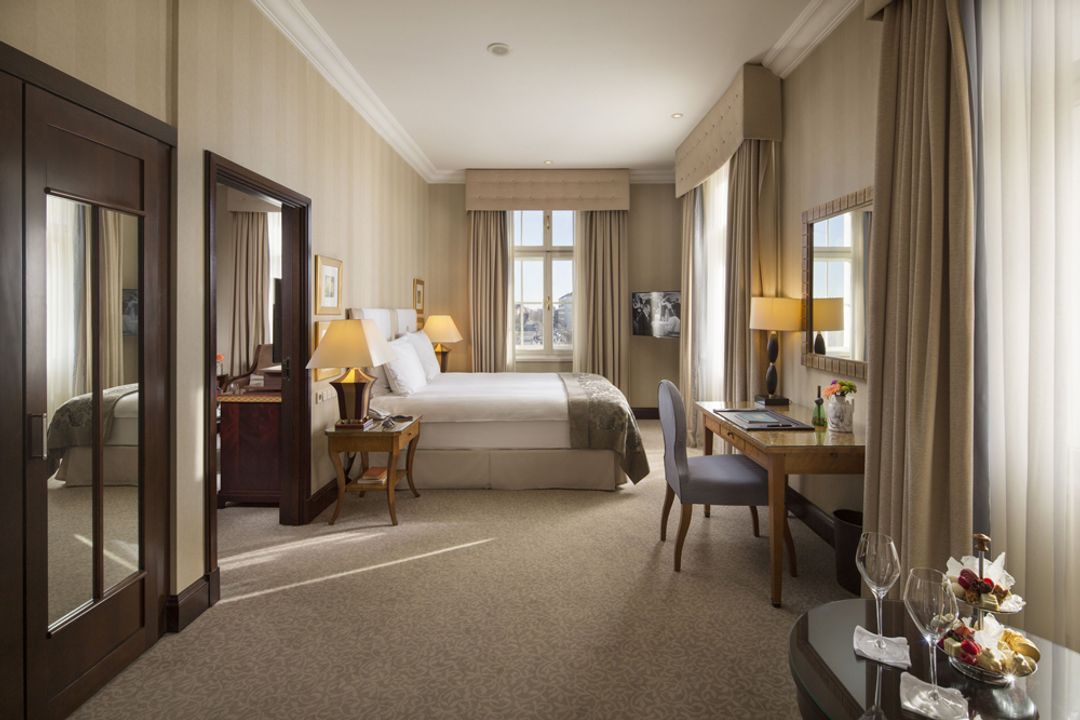
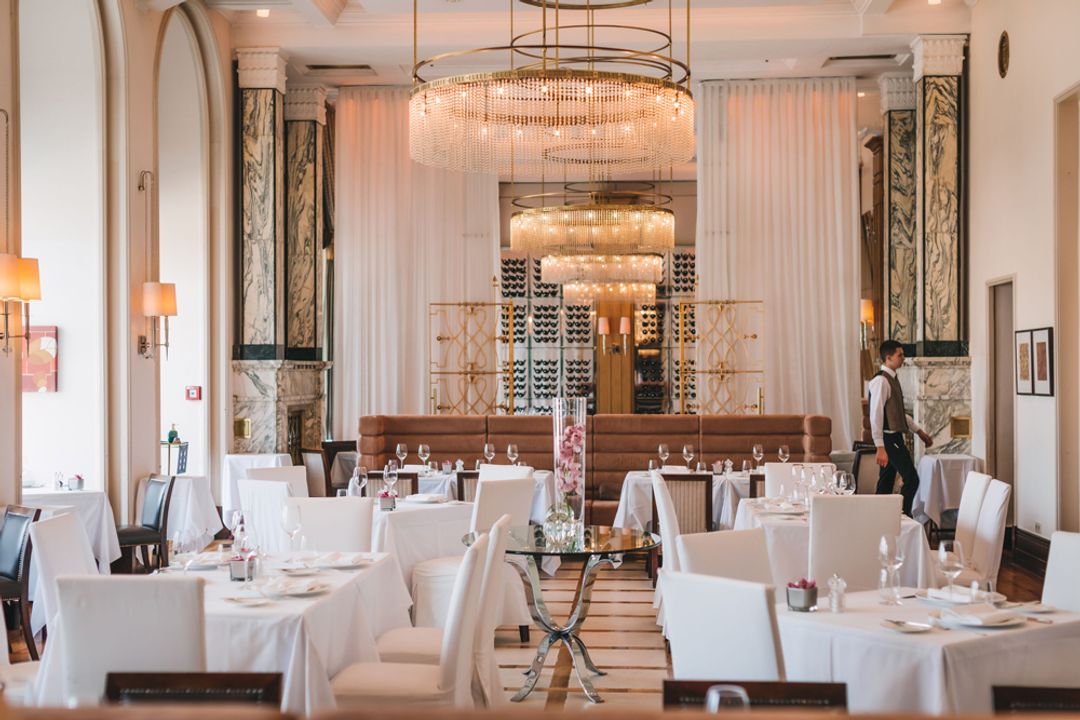
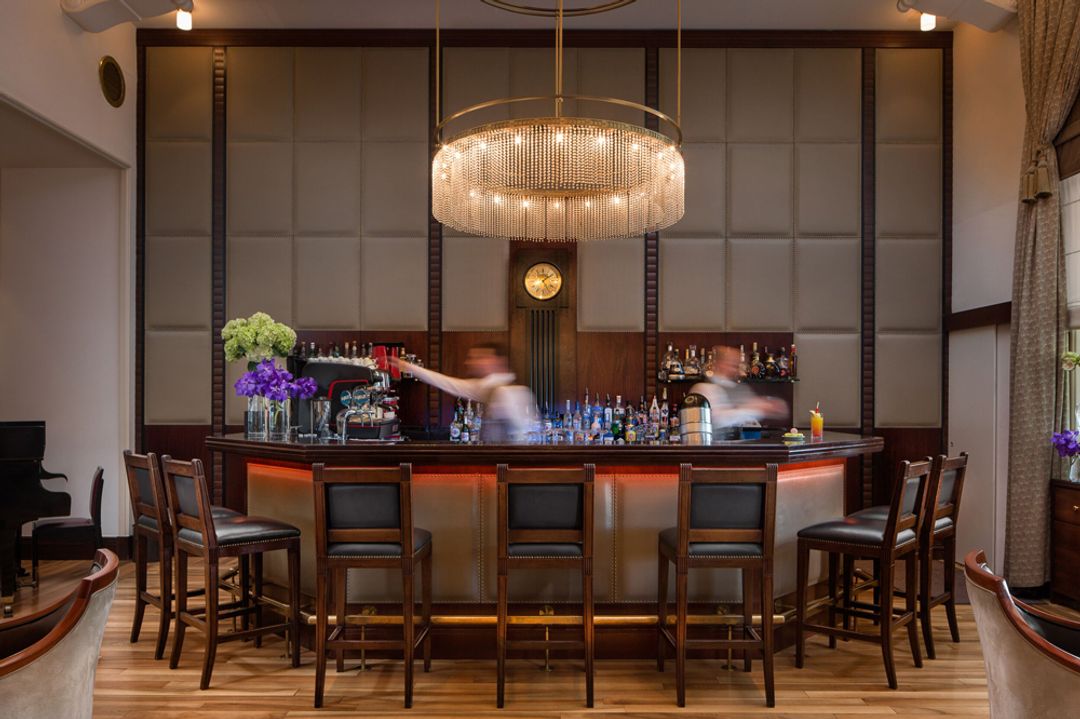
Zagreb rewards the traveler who pays attention to seams — where the medieval Gornji Grad drops sharply down toward the Austro-Hungarian grid of Donji Grad, where the ornate yields to the orderly, where a city that spent a century trying to look like Vienna quietly developed its own architectural confidence. The Lower Town, laid out in the 1880s and 1890s according to Milan Lenuci's horseshoe-shaped sequence of linked parks and public buildings, remains one of Central Europe's more coherent acts of urban planning, legible enough to walk in an afternoon and substantial enough to repay weeks of looking. The National Theatre, the Arts and Crafts Museum, the botanical garden — these are not tourist set pieces but functioning civic institutions embedded in a green spine that still organizes daily life. The Esplanade Zagreb, which opened in 1925 to serve passengers arriving on the Orient Express from a station directly across the road, sits at the southern end of Lenuci's Horseshoe as though it were always meant to anchor it. The building's Art Deco bones have survived well, and successive restorations have kept faith with the original ambition rather than retreating into generic luxury. The Zinfandel's restaurant, with its elliptical ceiling and period detailing, is among the more serious dining rooms in the city — not merely a hotel amenity but a room with architectural weight of its own. Staying here places you within ten minutes of the Mimara Museum, the Gallery of Modern Art, and the Strossmayer Gallery, which gives Zagreb's formidable collection of European Old Masters a period building worthy of the work inside. This geography is not incidental to the Esplanade's appeal; it is the point. Zagreb is a city that design-conscious travelers have been slow to discover, partly because it sits in the shadow of Dubrovnik's coast and partly because its pleasures are urban, interior, and cumulative rather than immediately photogenic. But for anyone drawn to the texture of early twentieth-century Central European city-making — the tiled facades, the covered arcades, the cafés that maintain a certain seriousness of purpose — it offers something increasingly rare: a European capital that functions as built evidence of a particular historical moment, and has not yet been smoothed into interchangeability. The Esplanade is the right place to base that kind of looking.