Best hotels in Quito, Ecuador | Visually Compare Top Stays Side-by-Side
Welcome to PressBeyond - a curated visual guide to design-driven hotels and the fastest way to compare them.
An Overview of the Boutique & Luxury Hotel Landscape in Quito, Ecuador
Quito does something rare among South American capitals: it wears its colonial past without apology. The historic center, declared a UNESCO World Heritage Site in 1978, is not a preserved quarter cordoned off from ordinary life but the actual working heart of the city, where baroque churches crowd against sixteenth-century plazas and the Andes rise sharply above whitewashed facades. The altitude sits at 2,850 meters, which means the light here has a particular quality — thinner, brighter, more austere than coastal cities — and the architecture answers it with thick walls, interior courtyards, and deep-set windows designed to manage cold nights even on the equator. This is a city where geography and building history are inseparable, where the terrain demanded a specific way of constructing things and that discipline has persisted across centuries.
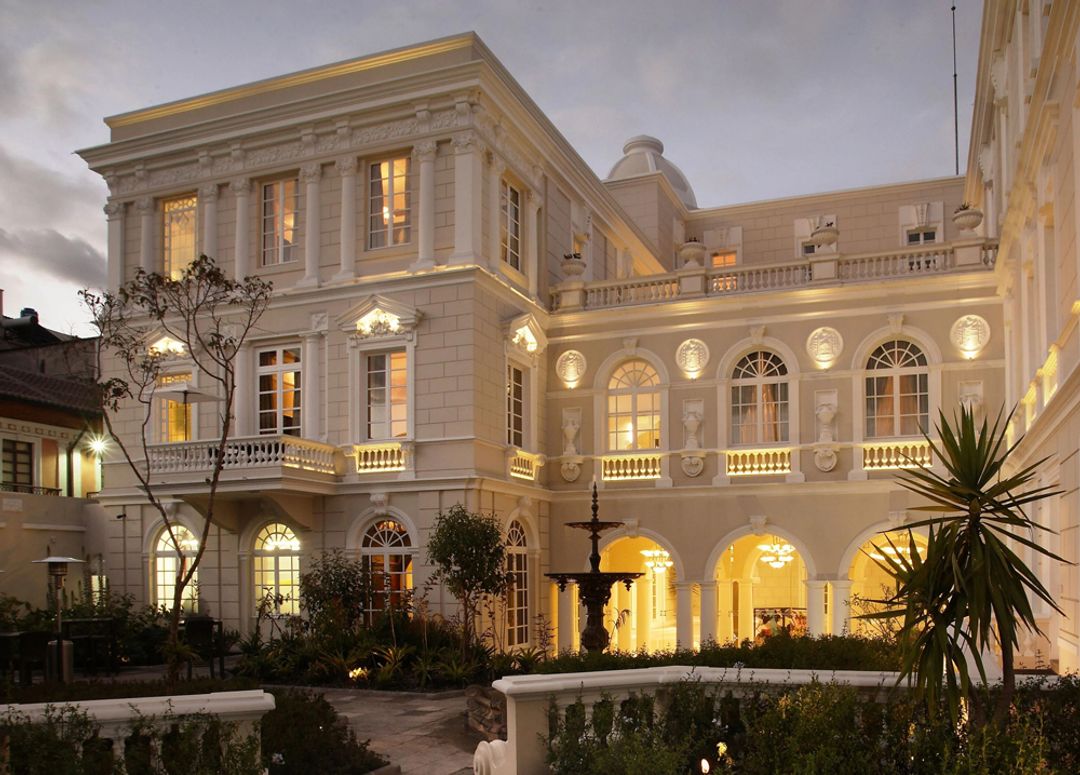
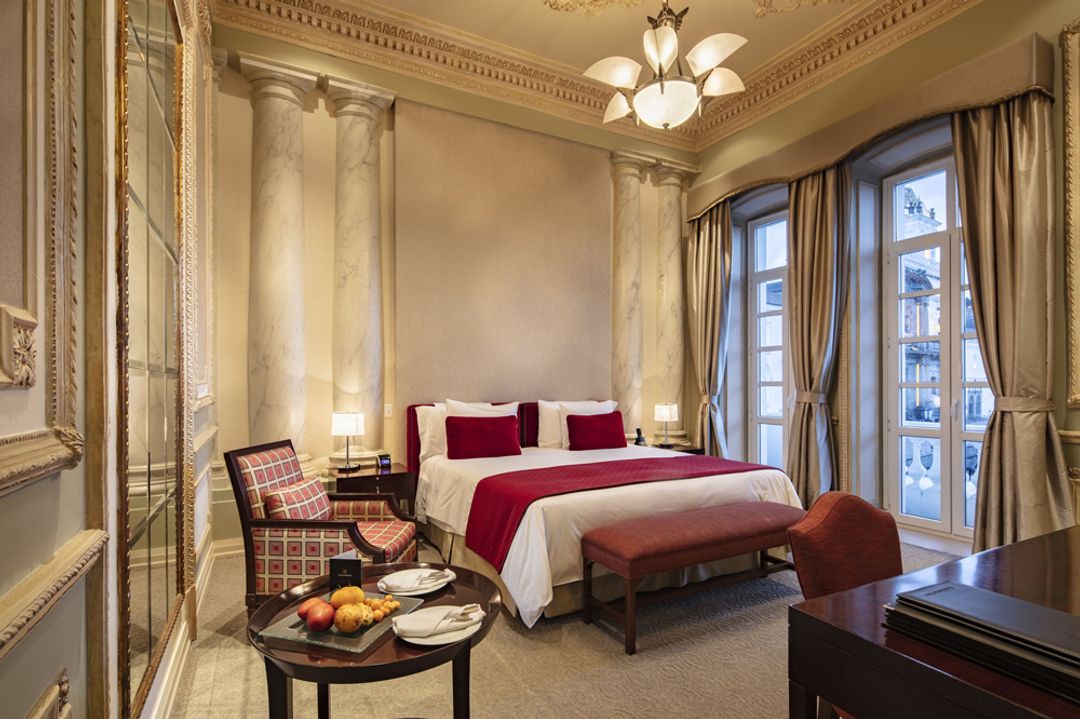
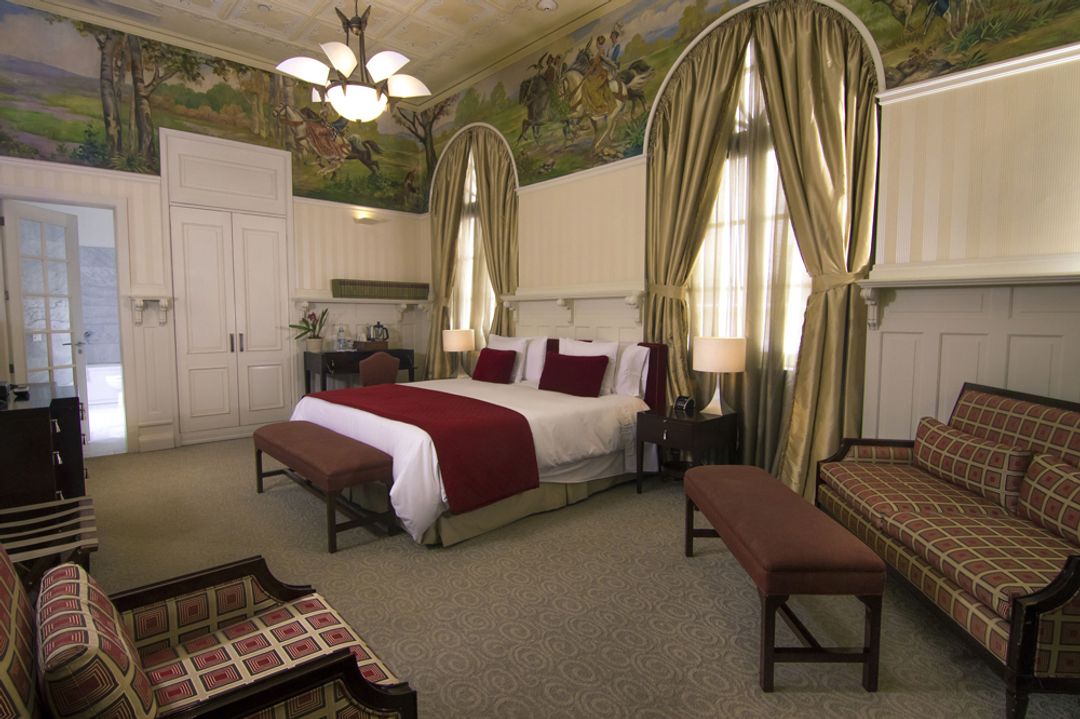
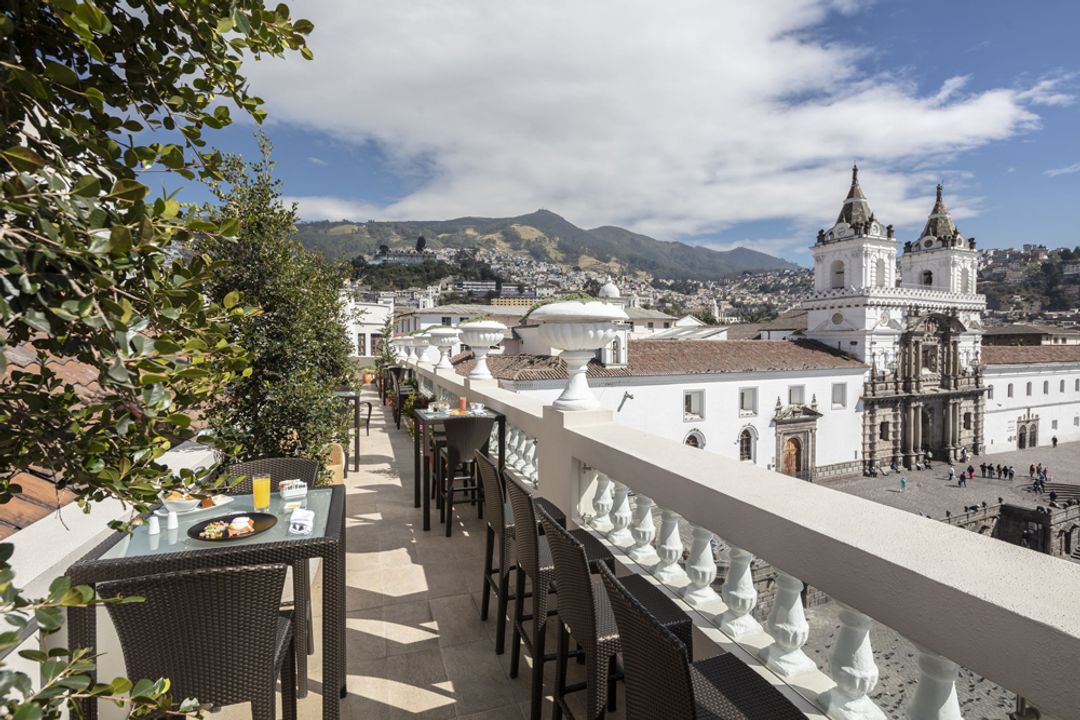
Casa Gangotena, positioned directly on Plaza San Francisco facing one of the most significant baroque church complexes in the Americas, earns its place as the city's most thoughtful address. The property occupies a 1920s mansion that itself replaced an earlier colonial structure on land that once belonged to the Gangotena family, one of Quito's prominent creole dynasties. The restoration, completed in 2011, preserved the building's Republican-era bones — terrazzo floors, carved stone balustrades, a formal interior staircase — while opening the interior to contemporary furnishings that respect the spatial weight of the original architecture rather than overwhelm it. Rooms facing the plaza deliver an unrepeatable orientation: the church of San Francisco directly across, its ochre facade catching morning light, the cobbled square below functioning exactly as it has for five centuries. At this price point, the experience is less about amenity stacking than about position, provenance, and the particular pleasure of sleeping inside something genuinely old.
For anyone whose instinct is to read buildings carefully and to understand a place through its materials and accumulated layers, Quito rewards close attention. The centro histórico is dense with competing architectural moments, from Jesuit-commissioned stonework to early twentieth-century eclecticism to the quiet interventions of contemporary preservation efforts. Casa Gangotena is the natural base for that kind of looking: immediate access to the Plaza San Francisco, the Monastery of San Francisco, La Compañía de Jesús a short walk east, and the whole compressed urban fabric of a city that has been continuously inhabited, built upon, and reconsidered since 1534.