Best hotels in Cambridge | A Curated Visual Guide to Top Stays
Welcome to PressBeyond, the ultimate curated visual guide for design-driven hotels! My name is Will Miller and this is my recommendation for the best boutique and luxury hotel in Cambridge.
I am the founder of PressBeyond and I am an ultra-meticulous hotel curator who loves clean visuals. I have individually analyzed and tiered the hotel included in this guide based on a variety of criteria (architecture & design, location, brand & brand affiliation, existing reviews, and my own personal experiences), and importantly, I have hand-selected the leading imagery for this hotel to provide you with easily-digestible, yet detailed and complete, like-for-like, high-level visual profiles. I felt this summarization step was a critical missing piece across existing guides, blogs, and booking platforms. My aim is to make it easier for people to identify hotel environments that resonate with them, along with enabling them to visualize the types of social experiences that those environments help foster. My brain doesn't work when exposed to cluttered content, so my goal was to create the opposite.
Underneath this, we are also a full booking engine offering 5% Venmo cash back along with other exclusive perks. For all of you design-obsessed hotel enthusiasts out there, I hope this guide helps get you to where you see yourself!
An Overview of the Boutique & Luxury Hotel Landscape in Cambridge
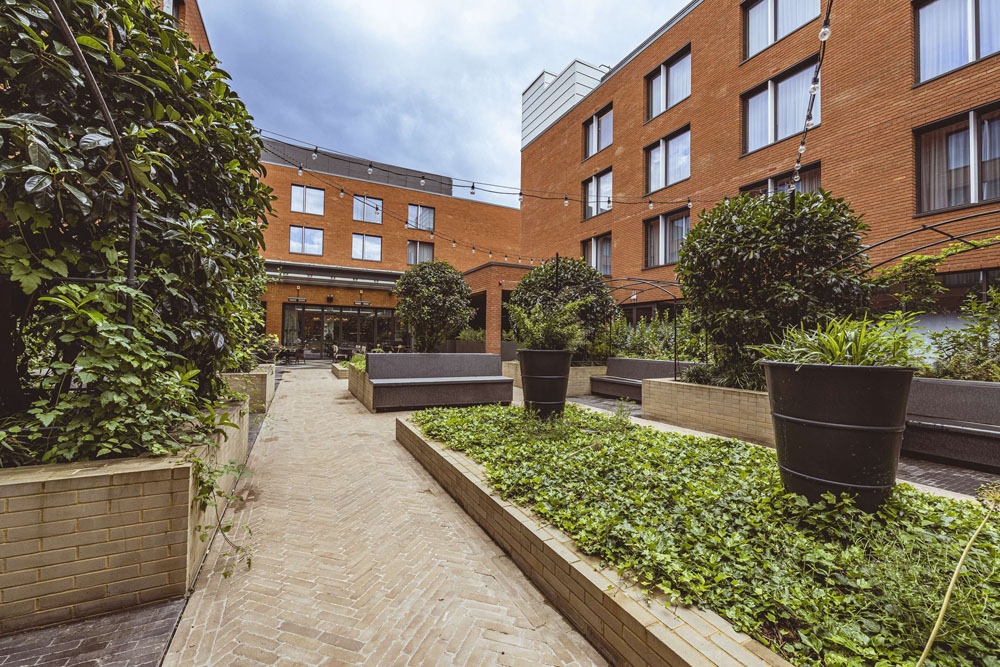
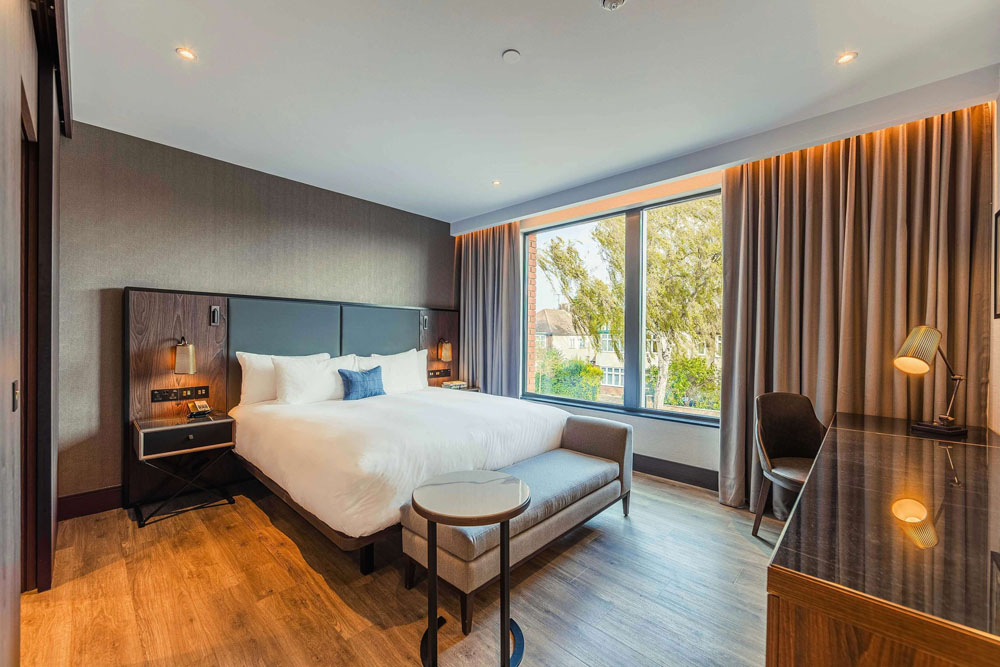
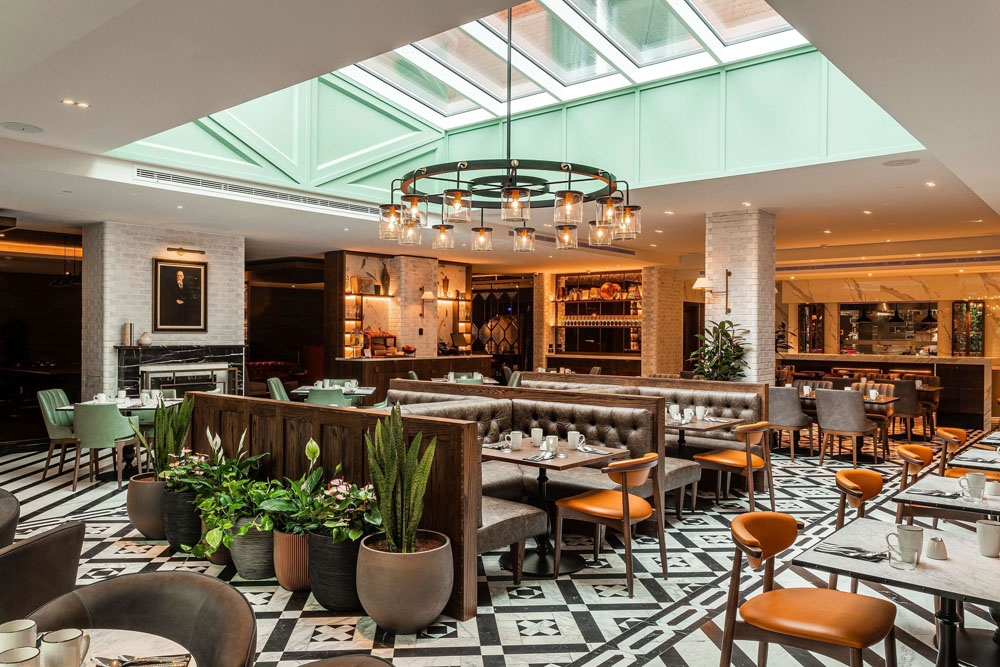
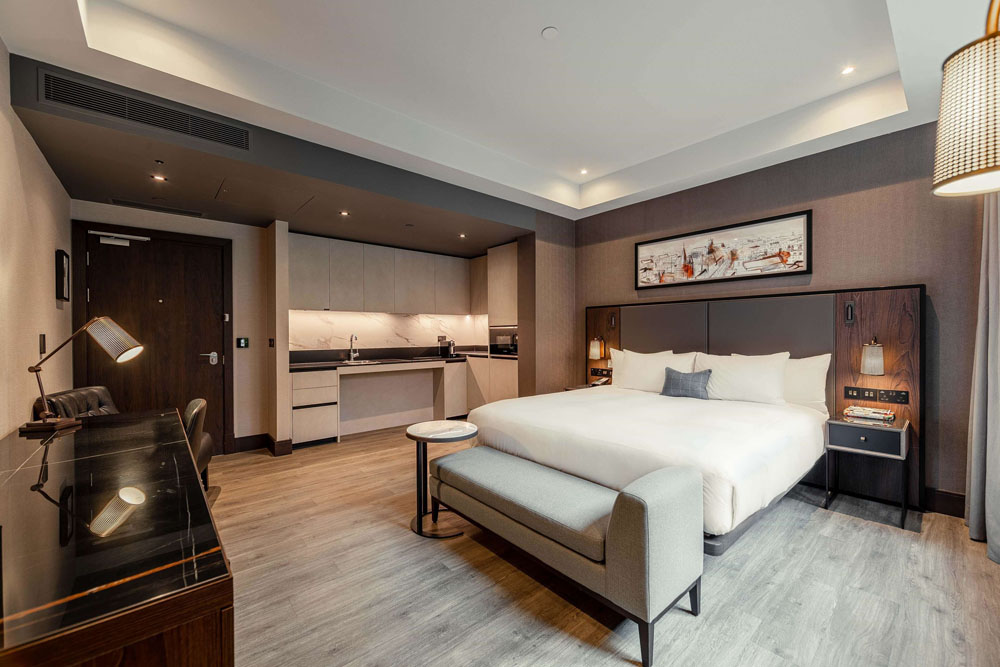
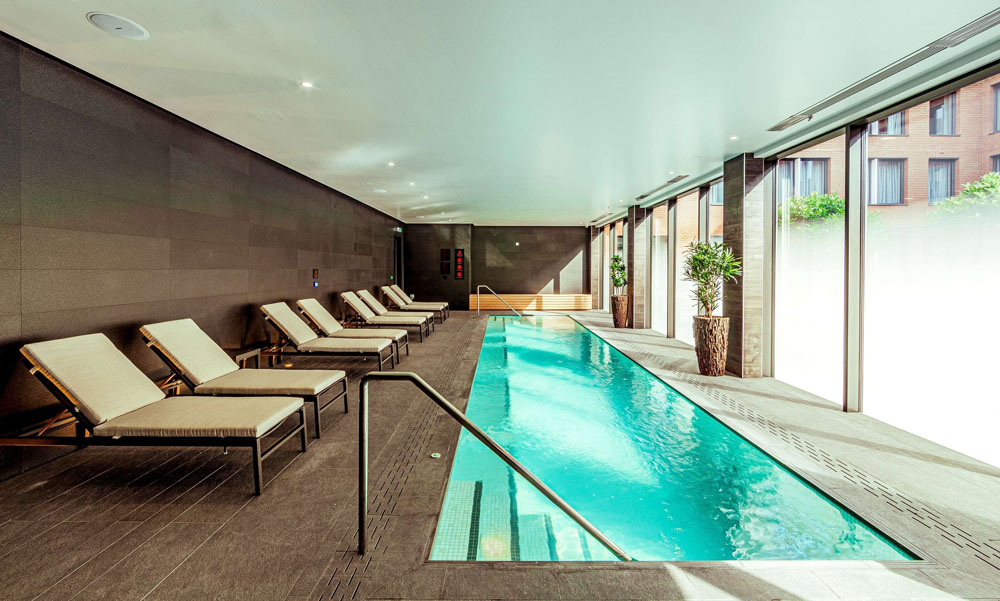
Cambridge resists easy categorization as a place to stay. It is not a city that has developed a hospitality culture in parallel with its academic one — rather, the university has so thoroughly colonized the built environment that hotels have had to find their footing in the margins, occupying converted townhouses, former college annexes, and the occasional purpose-adapted building along the edges of what is, functionally, a medieval institution that happens to have a town attached to it. The architectural grammar here is limestone and brick, perpendicular Gothic and Georgian terraces, the occasional Brutalist intrusion from the 1960s and 70s — James Stirling's History Faculty building being the most argued-over example — and a general suspicion of anything that announces itself too loudly. The center of the city, compressed between the River Cam and the market square, is dense with listed buildings and the kind of spatial hierarchy that makes contemporary hotel design genuinely difficult. New construction is rare and heavily scrutinized. Which makes the Fellows House Cambridge, part of Hilton's Curio Collection and positioned in central Cambridge, an interesting case: the Curio label, designed to flag properties with some claim to local character or architectural distinctiveness, implies an attempt to meet the city on its own terms rather than impose a generic hospitality template. For a traveler arriving with calibrated expectations about design, it sits at a useful intersection — high quality without the formality of an older luxury property, and a price point that acknowledges Cambridge's relative compactness as a destination. What the city itself provides is the more compelling argument for staying here. The Backs — the stretch of college grounds running along the western bank of the Cam — offer one of the most considered sequences of landscape and architecture in England, a slow-moving argument for the relationship between building and ground that no designed hotel experience can quite replicate. Staying centrally means walking it without needing to plan, moving between King's College Chapel and the market, between the Fitzwilliam Museum's neoclassical bulk and the narrower lanes behind St. John's. For the design-conscious traveler, Cambridge is less a destination for contemporary hospitality than for the accumulated authority of eight centuries of building — and the Fellows House puts you close enough to all of it that the city does most of the work.