Best hotels in Cornwall, England | Visually Compare Top Stays Side-by-Side
Welcome to PressBeyond - a curated visual guide to design-driven hotels and the fastest way to compare them.
An Overview of the Boutique & Luxury Hotel Landscape in Cornwall, England
Cornwall earns its reputation through accumulation: of light, of weather, of a coastline that shifts character every few miles from sheltered creek to Atlantic-facing cliff. The county's built environment reflects this variety honestly. Fishing villages on the Fal estuary retain their working bones, whitewashed renders and slate roofs pressed close to harbors that still function as harbors. The Roseland Peninsula, reaching south of Truro into some of the least-visited water in England, feels deliberately apart from the surf-and-pasty version of Cornwall that fills the north coast in summer. Its villages are quieter, its estuaries tidal and green, and the light off the water carries a particular quality that painters have been chasing here since the nineteenth century.
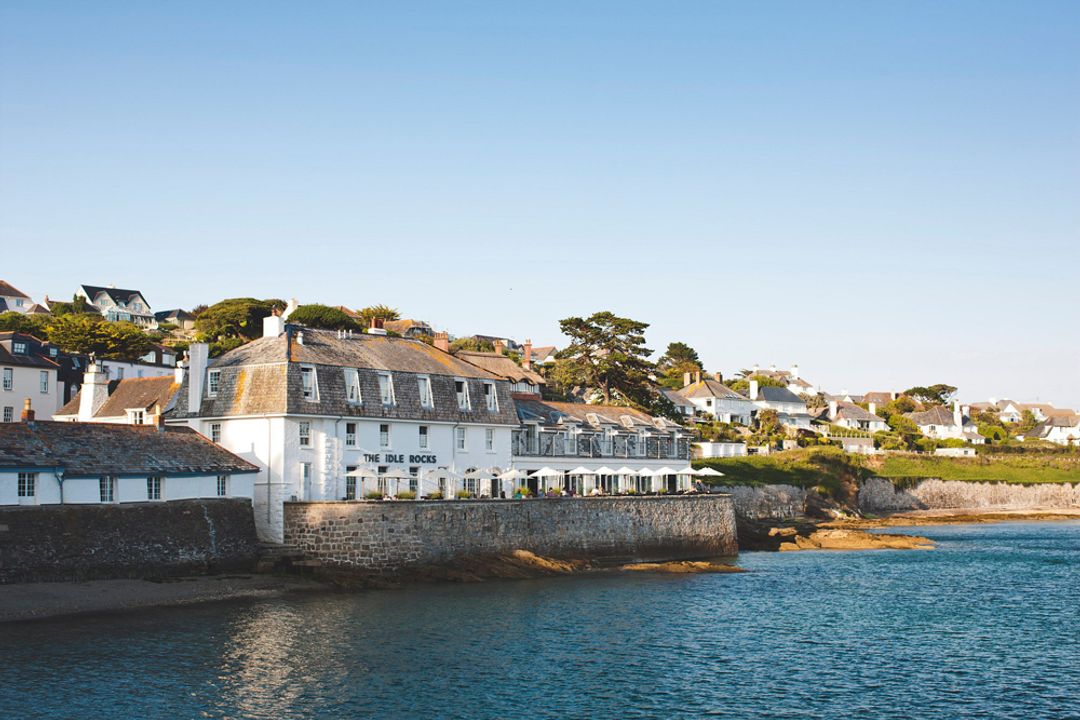
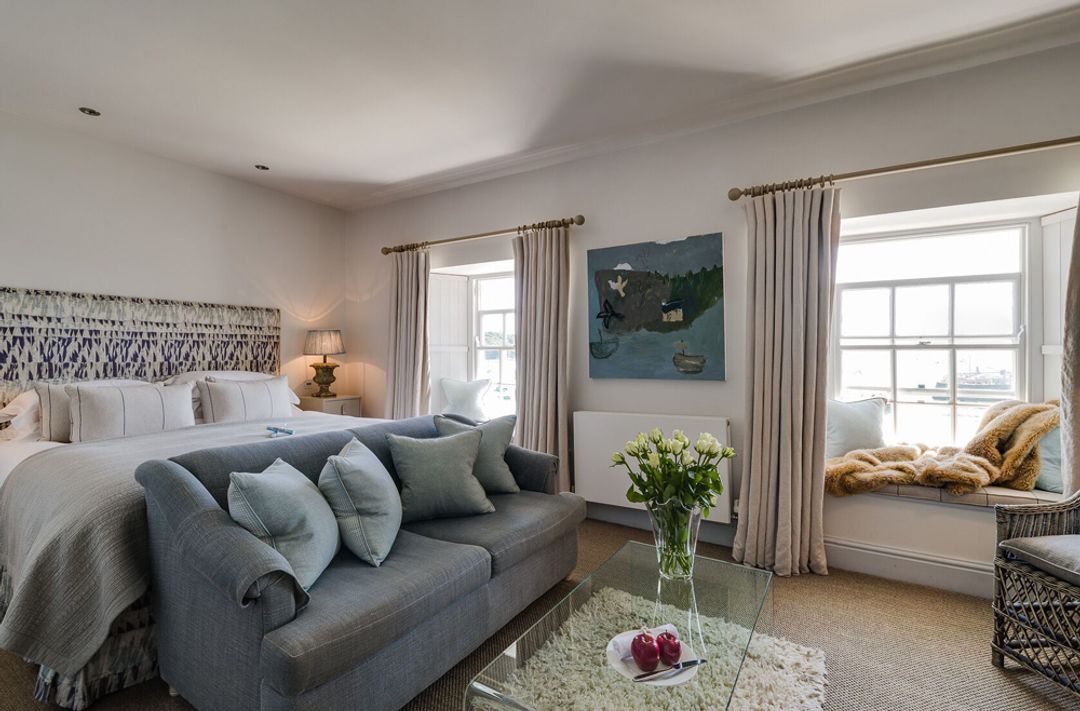
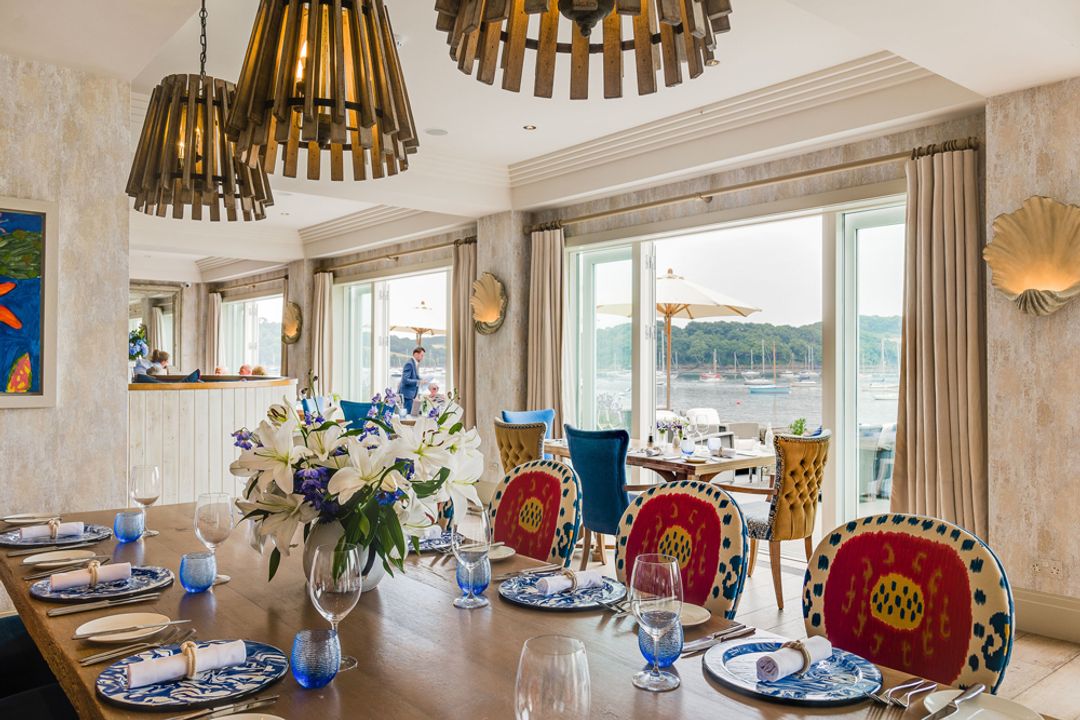
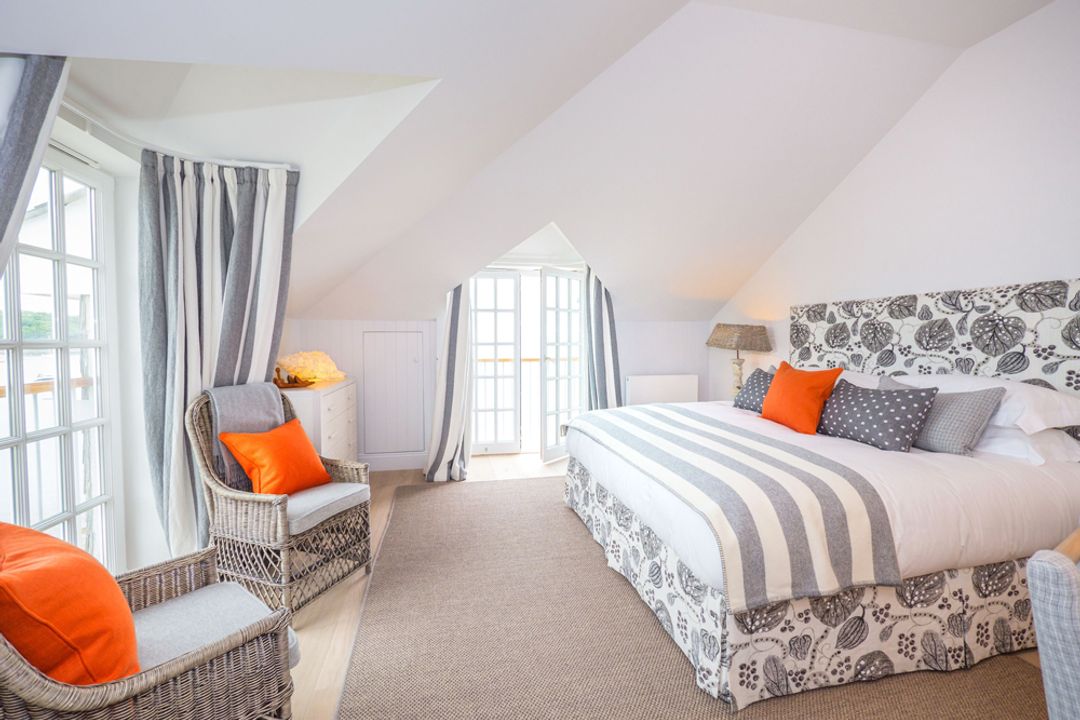
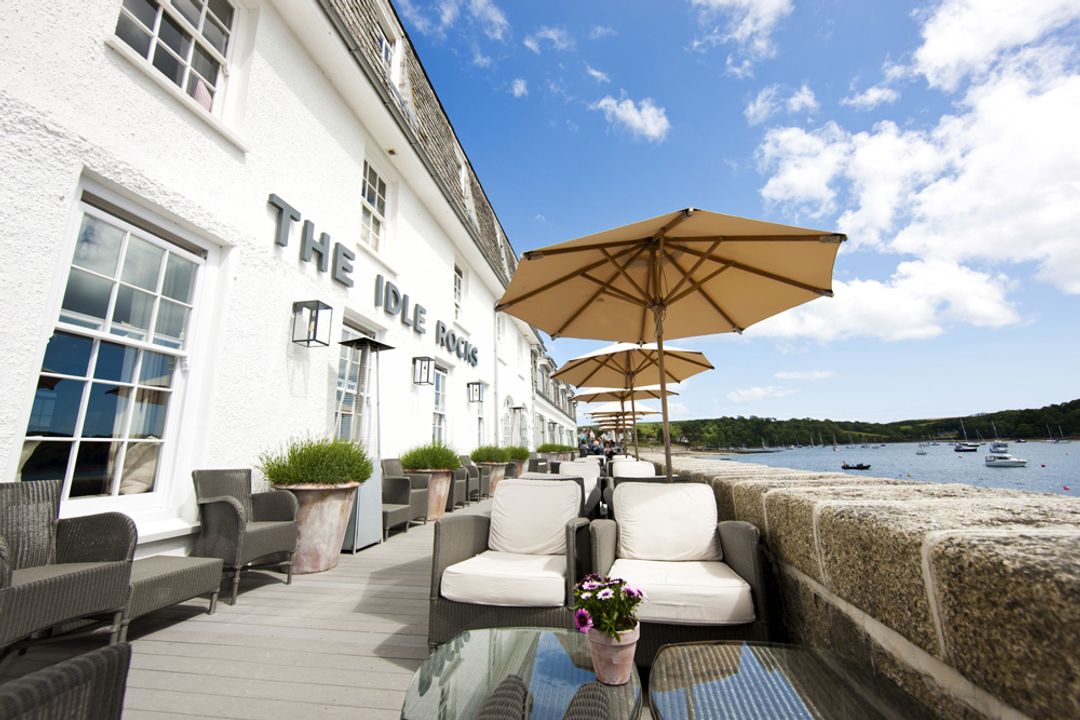
St Mawes sits at the tip of the Roseland, looking across the Carrick Roads to Falmouth, and it remains one of those rare Cornish towns where the architecture doesn't announce itself. The Idle Rocks occupies a prime position on the waterfront, a terrace of stone buildings that reads from the water as simply part of the harbor edge. The interiors work with that restraint rather than against it: the palette borrows from the estuary outside, bleached timbers, soft blues, warm neutrals that shift with the quality of the day's light. The hotel's position means that almost every room faces the water, and the experience of waking up to the Carrick Roads at low tide, when the channels narrow to ribbons through exposed mudflats, is as specific to this place as anywhere in England. The kitchen takes its cue from the surrounding water and farmland, and the terrace is the kind of spot where a long lunch can reasonably absorb most of an afternoon.
For anyone whose instinct is to arrive somewhere and understand it through materials, scale, and siting, the Idle Rocks rewards that attention precisely because it doesn't amplify Cornwall into a brand. The peninsula itself demands some effort to reach, which is part of its character. There are no large hotels here, no conference facilities, no destination spas drawing visitors who might otherwise stay in Newquay or Padstow. What the Roseland offers instead is a density of quiet, a sense that the county's most genuinely beautiful corner has been kept that way partly through inconvenience, and a single well-placed hotel that knows exactly where it is.