Best hotels in French Catalonia | A Curated Visual Guide to Top Stays
Welcome to PressBeyond, the ultimate curated visual guide for design-driven hotels! My name is Will Miller and this is my recommendation for the best boutique and luxury hotel in French Catalonia.
I am the founder of PressBeyond and I am an ultra-meticulous hotel curator who loves clean visuals. I have individually analyzed and tiered the hotel included in this guide based on a variety of criteria (architecture & design, location, brand & brand affiliation, existing reviews, and my own personal experiences), and importantly, I have hand-selected the leading imagery for this hotel to provide you with easily-digestible, yet detailed and complete, like-for-like, high-level visual profiles. I felt this summarization step was a critical missing piece across existing guides, blogs, and booking platforms. My aim is to make it easier for people to identify hotel environments that resonate with them, along with enabling them to visualize the types of social experiences that those environments help foster. My brain doesn't work when exposed to cluttered content, so my goal was to create the opposite.
Underneath this, we are also a full booking engine offering 5% Venmo cash back along with other exclusive perks. For all of you design-obsessed hotel enthusiasts out there, I hope this guide helps get you to where you see yourself!
An Overview of the Boutique & Luxury Hotel Landscape in French Catalonia
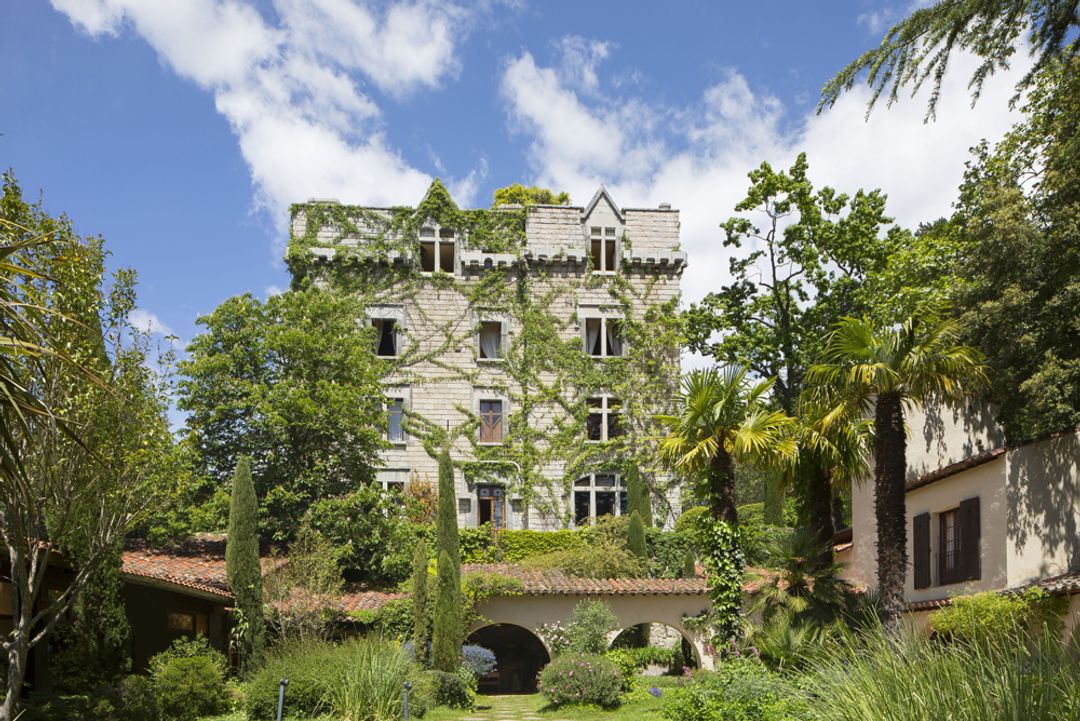
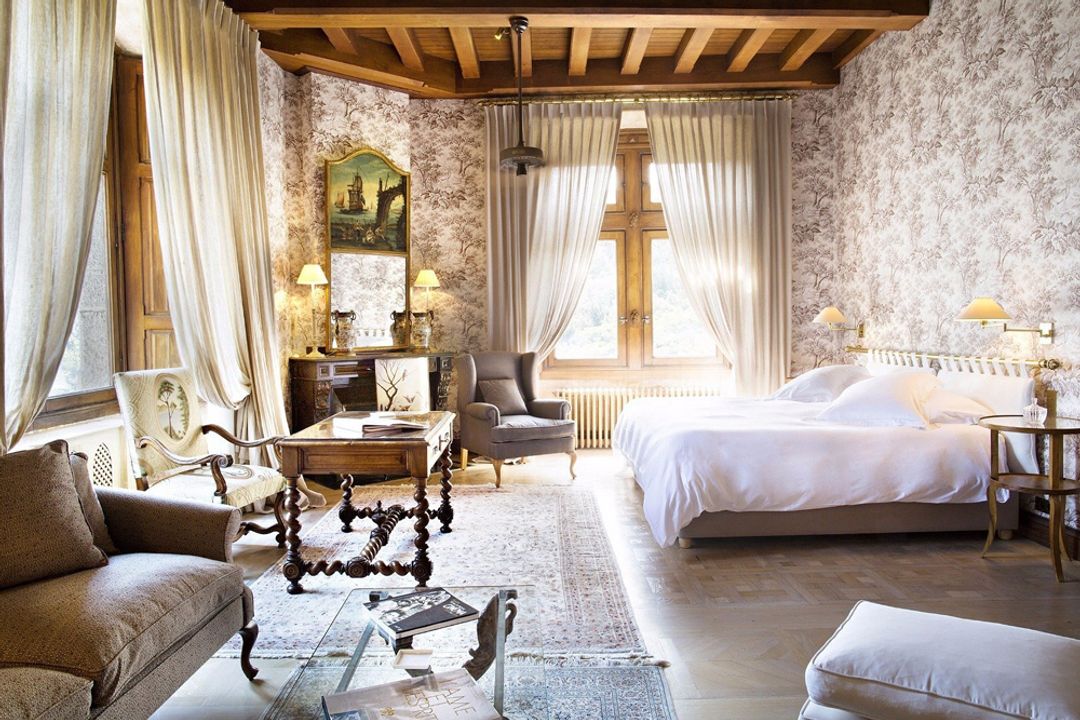
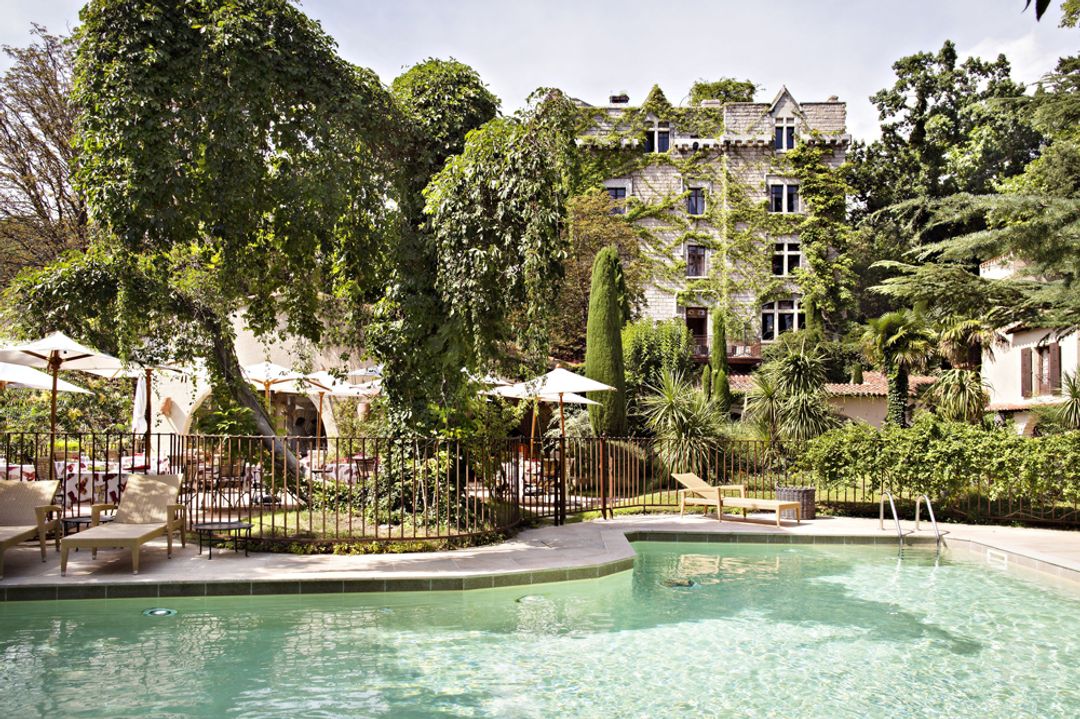
The Pyrenees do something strange to architecture. The further south you push into French Catalonia — past Perpignan's sun-bleached ochres, past the vineyards of the Roussillon plain, up into the valleys where the mountains begin to assert themselves — the more the built environment starts to feel shaped by geology rather than by any particular historical period. Stone here isn't a stylistic choice. It's simply what the ground offers up, and the region's castles, monasteries, and thermal villages have been making the same material gesture for a thousand years. This is a landscape defined by the Romanesque churches of the Conflent valley, by fortress towns like Villefranche-de-Conflent that Vauban fortified in the seventeenth century, and by a persistent cultural identity that refuses to be straightforwardly French or straightforwardly Spanish. Molitg-les-Bains sits in the gorges of the Castellane, a thermal spa village that has attracted convalescents and seekers since the nineteenth century, and it is here that the Château de Riell occupies one of the more dramatically positioned buildings in the Pyrenean foothills. The château — a nineteenth-century folly reworked with a theatrical sensibility that somehow stops short of excess — perches above the village's thermal springs, its Catalan-inflected facade engaging directly with the surrounding cliffs and forest. The interiors work with antique furniture, local stone, and a confident eclecticism that belongs to a particular French tradition of country-house hotelkeeping: one that prizes the accumulated, the idiosyncratic, and the historically layered over the designed-to-purpose. At a nightly rate that registers as genuinely reasonable for this level of architectural drama, it occupies that useful category of the high-quality hotel that doesn't demand to be treated as a pilgrimage. For travelers who come to French Catalonia for its art — the Musée d'Art Moderne in Céret, where Picasso and Braque both worked, remains one of the most quietly significant small museums in southern France — or for the hiking, the wine, or the singular experience of crossing between two cultures without quite leaving one country for another, the Château de Riell functions as the correct base. It isn't trying to compete with urban design hotels, and it doesn't need to. The landscape around Molitg-les-Bains is reason enough to be here, and the château earns its place in it.