Best hotels in Lorraine | A Curated Visual Guide to Top Stays
Welcome to PressBeyond, the ultimate curated visual guide for design-driven hotels! My name is Will Miller and this is my recommendation for the best boutique and luxury hotel in Lorraine.
I am the founder of PressBeyond and I am an ultra-meticulous hotel curator who loves clean visuals. I have individually analyzed and tiered the hotel included in this guide based on a variety of criteria (architecture & design, location, brand & brand affiliation, existing reviews, and my own personal experiences), and importantly, I have hand-selected the leading imagery for this hotel to provide you with easily-digestible, yet detailed and complete, like-for-like, high-level visual profiles. I felt this summarization step was a critical missing piece across existing guides, blogs, and booking platforms. My aim is to make it easier for people to identify hotel environments that resonate with them, along with enabling them to visualize the types of social experiences that those environments help foster. My brain doesn't work when exposed to cluttered content, so my goal was to create the opposite.
Underneath this, we are also a full booking engine offering 5% Venmo cash back along with other exclusive perks. For all of you design-obsessed hotel enthusiasts out there, I hope this guide helps get you to where you see yourself!
An Overview of the Boutique & Luxury Hotel Landscape in Lorraine
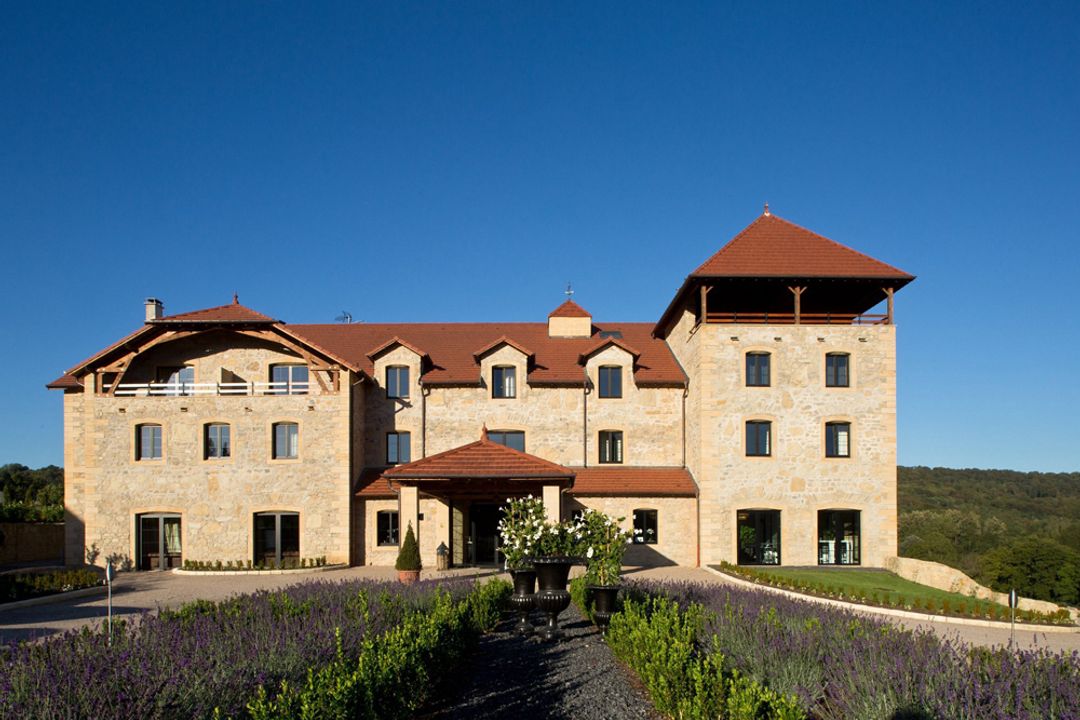
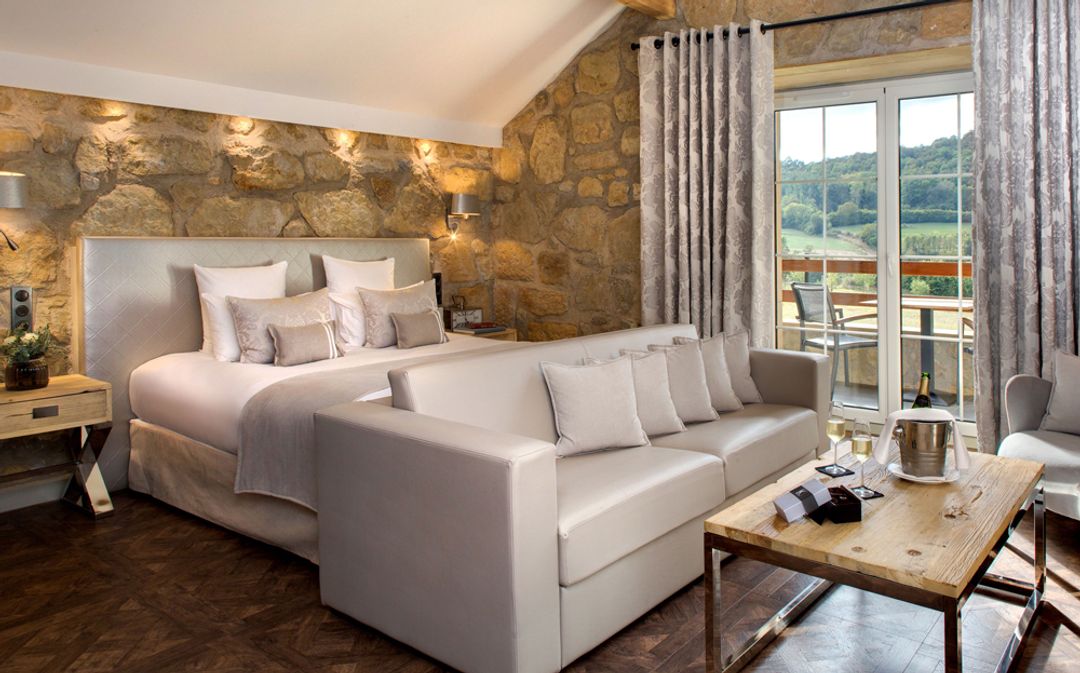
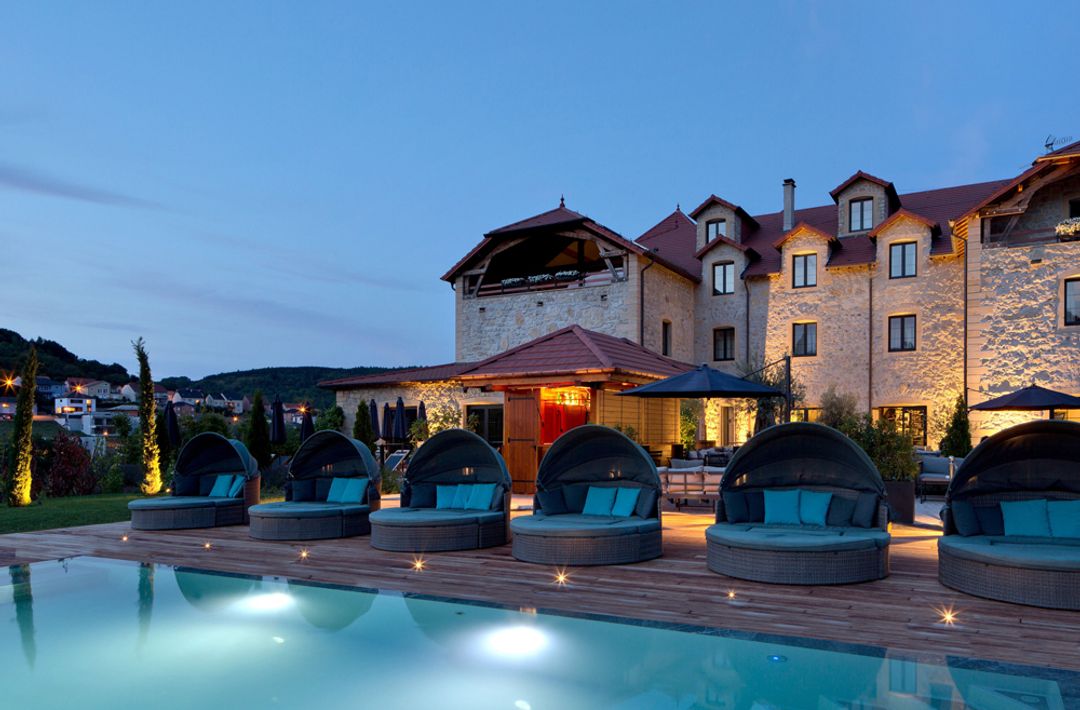
Lorraine is not a region that announces itself. It does so quietly, through limestone villages folded into river valleys, through the austere geometry of Nancy's Place Stanislas, through glassworks and ironworks that shaped European modernism from provincial workshops most visitors still overlook. This is a landscape of deep material culture — Art Nouveau grew here not as fashion but as industrial expression, Émile Gallé and the École de Nancy turning the region's forests and forges into an aesthetic movement that would reverberate across a continent. To travel through Lorraine attentively is to keep recalibrating your sense of where refinement actually originates. The village of Montenach, tucked into the Moselle's quieter reaches near the Luxembourg border, sits at the farthest edge of the region's tourist circuits — which is precisely the point. Le Domaine de la Klauss occupies a restored manor and its surrounding grounds here, and the property functions less as a hotel in the conventional sense than as a retreat in genuine dialogue with its setting. The architecture works with the regional vernacular rather than against it: stone construction, pitched rooflines, a relationship to the surrounding countryside that feels earned rather than staged. Interiors are calm without being austere, bringing a contemporary material sensibility into spaces that carry real historical weight. At this price point — around $350 per night — the proposition is straightforward: seclusion, considered design, and a part of France that has not been smoothed down for easy consumption. What makes a stay here register beyond the merely pleasant is the broader context that surrounds it. The Moselle valley and its border territories carry a complicated layered history — Franco-German, ecclesiastical, industrial — that surfaces in the architecture of every small town you pass through. Nancy is under an hour away, and its Art Nouveau heritage alone warrants a half day: the Musée de l'École de Nancy and the Villa Majorelle document a design moment of genuine international consequence. Metz, with its Centre Pompidou-Metz designed by Shigeru Ban and Jean de Gastines, offers a more recent architectural argument for the region's continued relevance. Le Domaine de la Klauss gives you the rural stillness from which to absorb all of it — a base that earns its calm by putting serious landscape and serious culture within reach without pretending to contain them.