Best hotels in Nîmes | A Curated Visual Guide to Top Stays
Welcome to PressBeyond, the ultimate curated visual guide for design-driven hotels! My name is Will Miller and this is my recommendation for the best boutique and luxury hotel in Nîmes.
I am the founder of PressBeyond and I am an ultra-meticulous hotel curator who loves clean visuals. I have individually analyzed and tiered the hotel included in this guide based on a variety of criteria (architecture & design, location, brand & brand affiliation, existing reviews, and my own personal experiences), and importantly, I have hand-selected the leading imagery for this hotel to provide you with easily-digestible, yet detailed and complete, like-for-like, high-level visual profiles. I felt this summarization step was a critical missing piece across existing guides, blogs, and booking platforms. My aim is to make it easier for people to identify hotel environments that resonate with them, along with enabling them to visualize the types of social experiences that those environments help foster. My brain doesn't work when exposed to cluttered content, so my goal was to create the opposite.
Underneath this, we are also a full booking engine offering 5% Venmo cash back along with other exclusive perks. For all of you design-obsessed hotel enthusiasts out there, I hope this guide helps get you to where you see yourself!
An Overview of the Boutique & Luxury Hotel Landscape in Nîmes
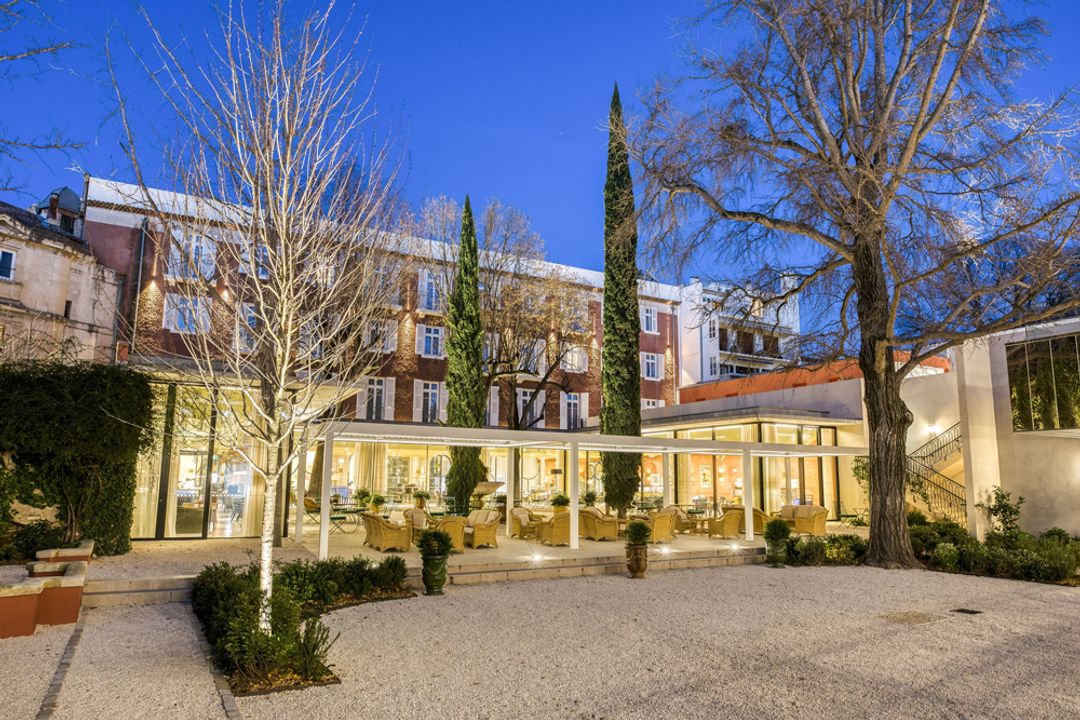
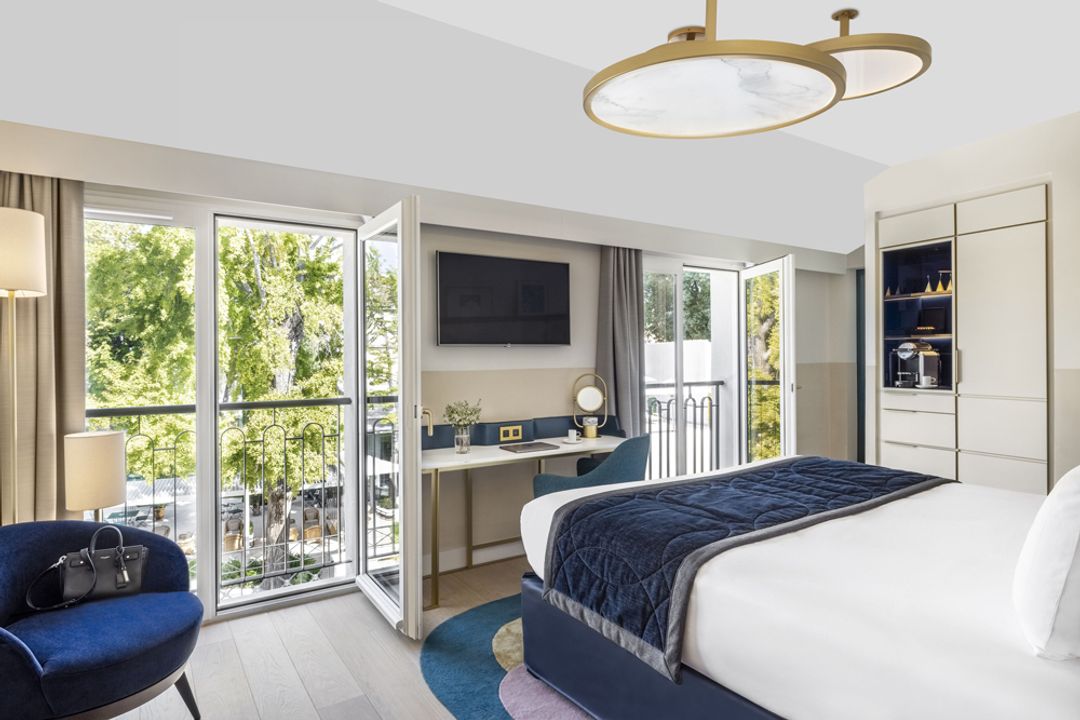
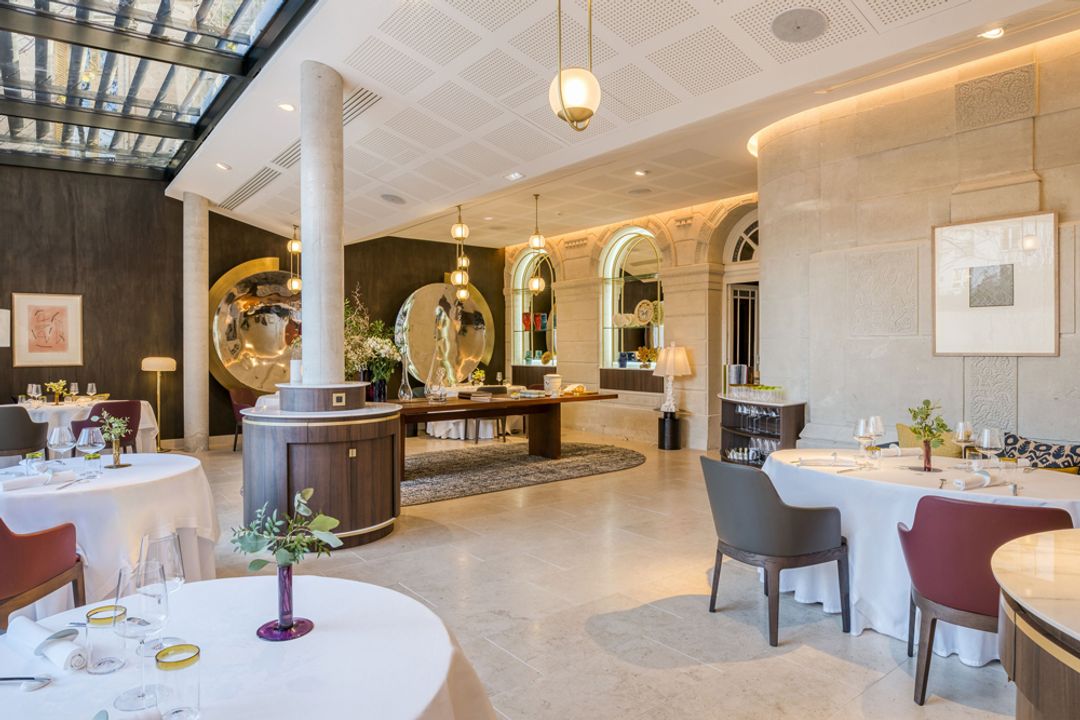
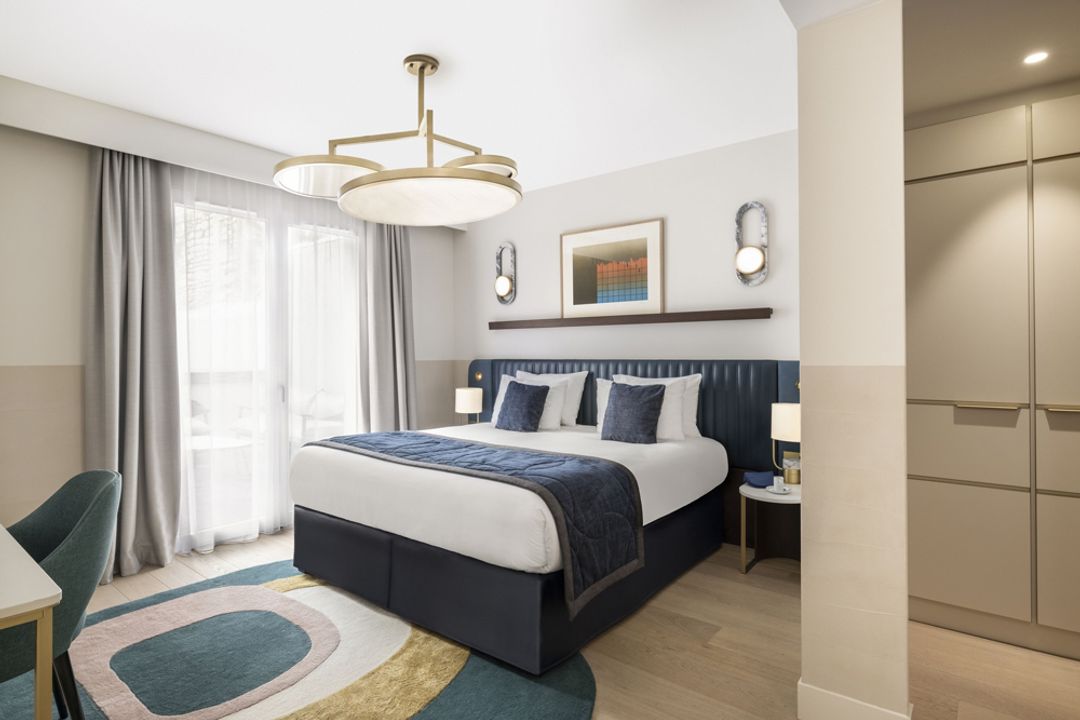
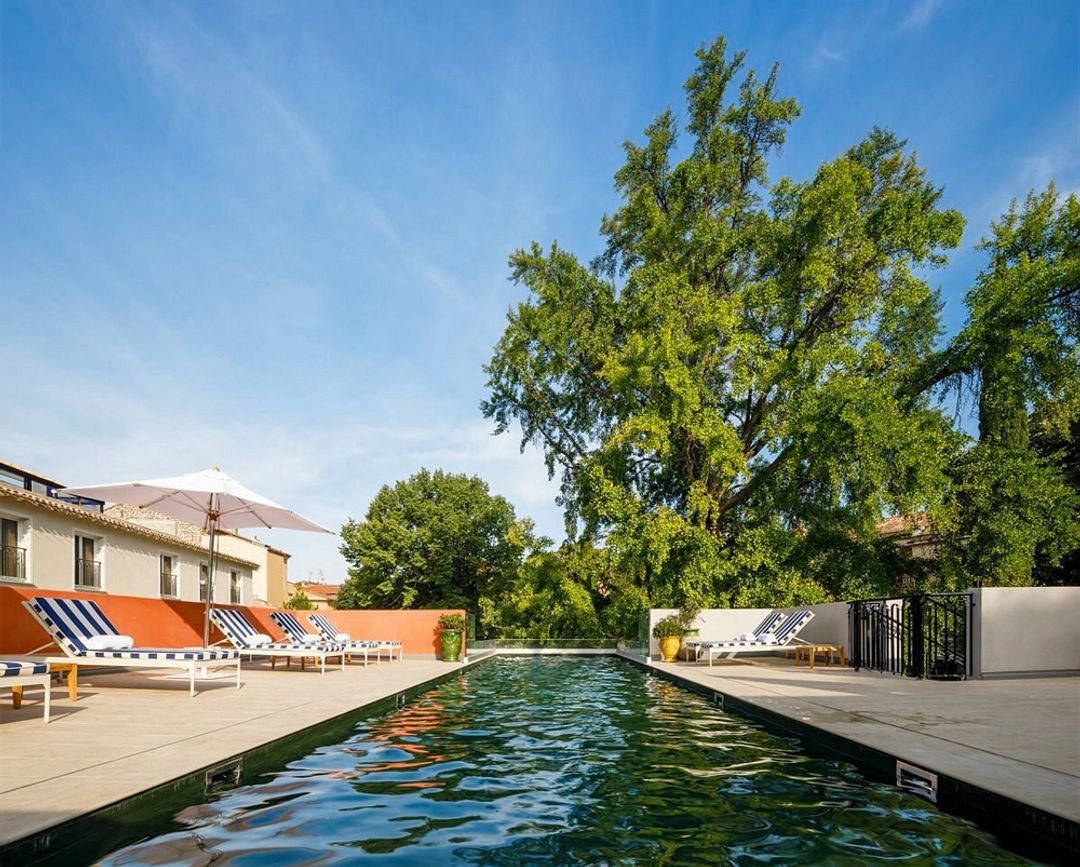
Roman stone has a way of setting the terms in Nîmes. The Maison Carrée, one of the best-preserved temples of antiquity, sits at the center of a city that has spent two millennia negotiating with its own past — sometimes awkwardly, sometimes brilliantly. Norman Foster's Carré d'Art, the contemporary art museum and library he completed directly opposite the temple in 1993, is the most confident answer to that negotiation: a glass and steel structure that mirrors the Corinthian proportions of the temple without flinching, a building that understands archaeology as conversation rather than competition. That particular tension between ancient infrastructure and considered modern intervention is, more than anything else, what gives Nîmes its character as a place worth spending serious time in. The Jardin de la Fontaine, the eighteenth-century formal garden laid out around the remains of Roman thermal baths and a sanctuary, is the quarter where the city's sense of layered time feels most concentrated. It is also where Maison Albar Hotels L'Imperator sits, in a building that has been receiving writers, bullfighters, and heads of state since the 1920s. The property carries genuine history — Hemingway and Jean Cocteau both passed through — and its recent renovation has been handled with enough restraint to preserve that atmosphere without embalming it. The interiors draw on the Camargue and the broader Languedoc landscape, working with earthy palettes, textured linens, and materials that acknowledge the ochres and limestone of the surrounding region rather than imposing a generic luxury template. The garden, long a social anchor for the hotel, remains one of the better places in the city to sit with a glass of something cold and understand why people keep returning to Nîmes. For travelers whose instinct is always to follow the contemporary architecture, Nîmes delivers more than most southern French cities of comparable size. The Foster building alone justifies a detour, and the city's compact historic core — dense with Roman fragments, medieval streets, and the vast arena that still hosts concerts and corridas — rewards the kind of slow walking that good hotel proximity enables. L'Imperator, given its position near the garden and within reach of the principal monuments on foot, functions as the right base for that kind of itinerary: unhurried, materially attentive, and historically grounded in a city that has always rewarded both.