Best hotels in Toulouse | A Curated Visual Guide to Top Stays
Welcome to PressBeyond, the ultimate curated visual guide for design-driven hotels! My name is Will Miller and this is my recommendation for the best boutique and luxury hotel in Toulouse.
I am the founder of PressBeyond and I am an ultra-meticulous hotel curator who loves clean visuals. I have individually analyzed and tiered the hotel included in this guide based on a variety of criteria (architecture & design, location, brand & brand affiliation, existing reviews, and my own personal experiences), and importantly, I have hand-selected the leading imagery for this hotel to provide you with easily-digestible, yet detailed and complete, like-for-like, high-level visual profiles. I felt this summarization step was a critical missing piece across existing guides, blogs, and booking platforms. My aim is to make it easier for people to identify hotel environments that resonate with them, along with enabling them to visualize the types of social experiences that those environments help foster. My brain doesn't work when exposed to cluttered content, so my goal was to create the opposite.
Underneath this, we are also a full booking engine offering 5% Venmo cash back along with other exclusive perks. For all of you design-obsessed hotel enthusiasts out there, I hope this guide helps get you to where you see yourself!
An Overview of the Boutique & Luxury Hotel Landscape in Toulouse
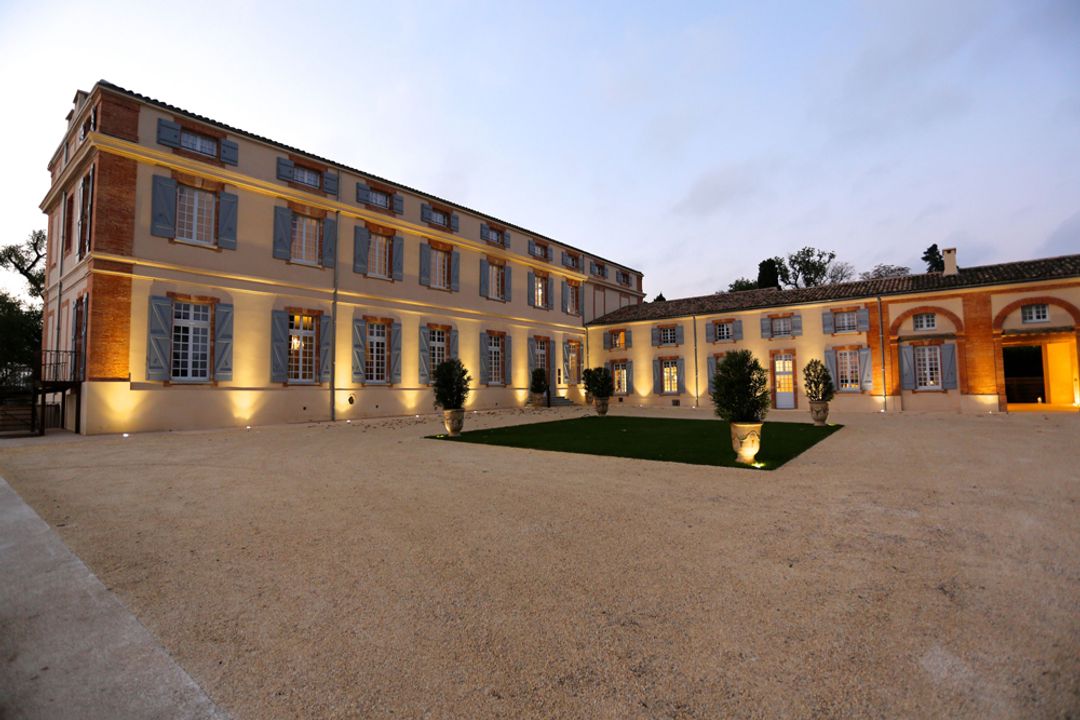
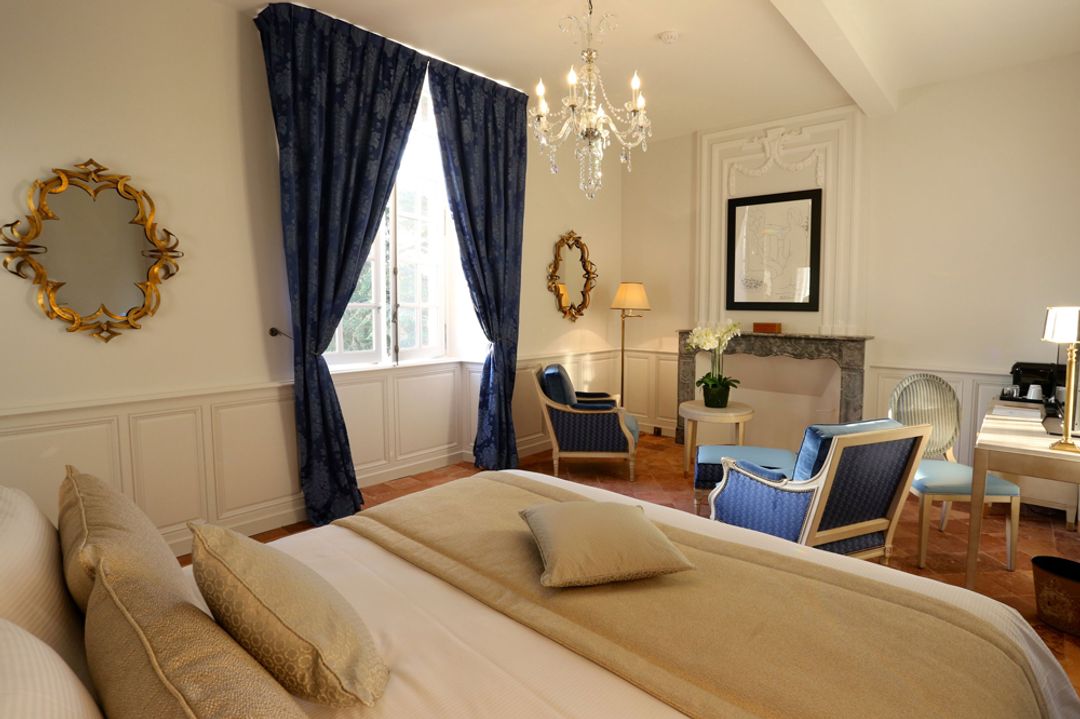
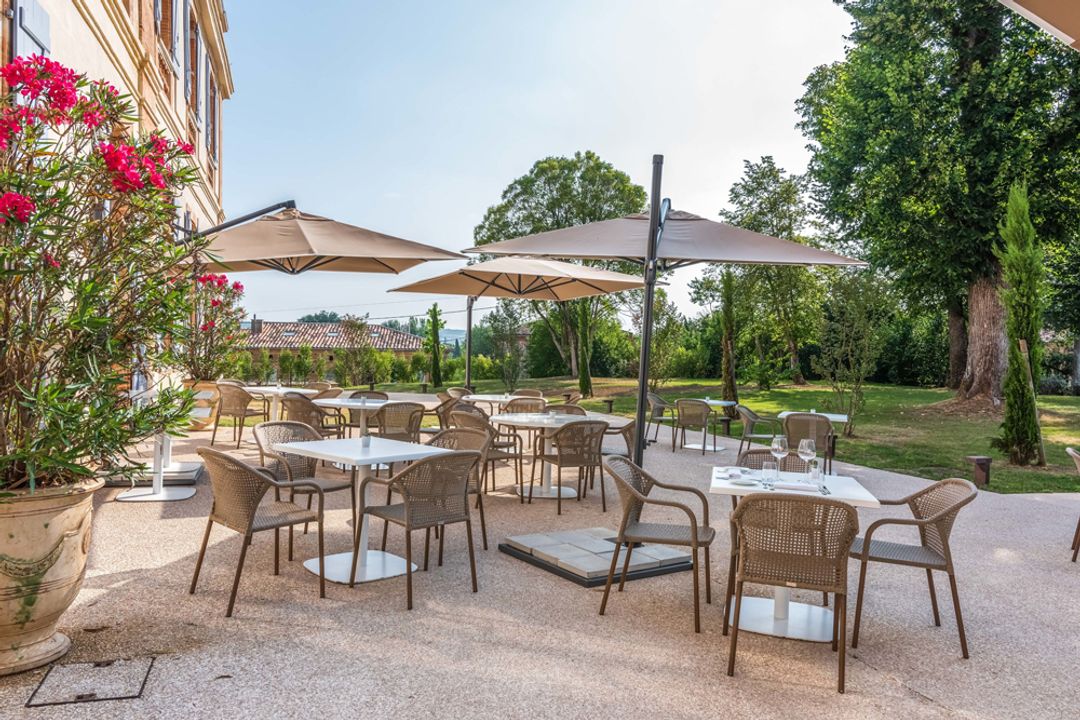
Toulouse earns its nickname honestly. The pink brick — brique foraine, fired from the clay of the Garonne floodplain — gives the city its warm, almost ruddy glow at dusk, and it saturates everything from the Capitole's arcaded square to the Augustinian cloister that now houses one of France's finest collections of Romanesque sculpture. This is a city shaped by centuries of meridional wealth, then aeronautical industry, then a university population that keeps it restless and contemporary. The tension between those layers — medieval, baroque, aggressively modern — is what makes Toulouse worth spending time in slowly, and what rewards travelers willing to move beyond the obvious urban centre. Drudas lies roughly thirty kilometres north of the city, in the rolling agricultural country of the Frontonnais, a wine appellation that doesn't receive nearly enough attention outside the region. The grape here is négrette, a variety found almost nowhere else, and the landscape it grows in — low hills, pale limestone, old farmsteads — is the Toulouse hinterland at its most unhurried. Chateau de Drudas sits inside this territory, and for the design-conscious traveler it represents the more considered way to anchor a stay. The property occupies a genuine château rather than a rebranded manor house, and at around $269 a night it sits in a range where expectations of finish and atmosphere are high but not impossible to meet. The logic of staying outside the city rather than inside it becomes clear quickly: Toulouse's own hotel stock in the centre leans heavily toward the reliable and the functional, and the architectural substance of the city itself — the streets, the markets, the Canal du Midi — is navigable by day, which makes a rural retreat for the evenings a genuinely sound strategy rather than a compromise. What Toulouse rewards, ultimately, is a traveler who is as interested in the city's productive relationship with its surrounding landscape as in the city proper. The Frontonnais vineyards, the bastide villages to the south, the foothills of the Pyrenees visible on clear days — these are not afterthoughts but part of what the city has always been oriented toward. Chateau de Drudas offers a specific position within that orientation: comfortable enough to be restorative, rooted enough in its place to feel like more than accommodation.