Best hotels in Sylt, Germany | Visually Compare Top Stays Side-by-Side
Welcome to PressBeyond - a curated visual guide to design-driven hotels and the fastest way to compare them.
An Overview of the Boutique & Luxury Hotel Landscape in Sylt, Germany
Sylt is an island that earns its reputation slowly. The North Sea light here is particular, flat and searching, and it falls on a landscape of thatched roofs, marram grass, and beach access roads worn smooth by decades of Porsche Cayennes and cycling families arriving from the mainland on the Hindenburgdamm, the narrow causeway that is the island's only land connection. The vernacular architecture is Low German in origin, characterized by the steep-pitched, reed-thatched Friesenhaus that appears in village after village along the island's spine. Kampen has its fashion boutiques and weekend money, Westerland its boardwalk pragmatism, List its raw northern exposure, but Sylt's identity comes from the tension between this deep-rooted regional building tradition and the very contemporary appetite for high-end retreats that has made it Germany's most aspirational island address.
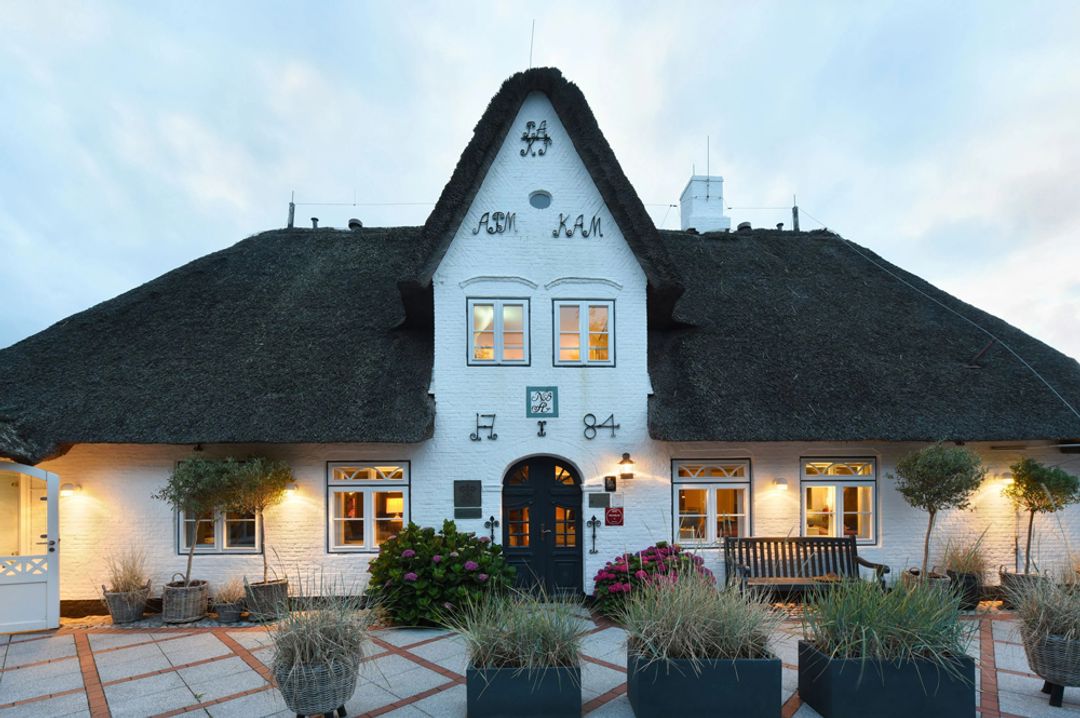
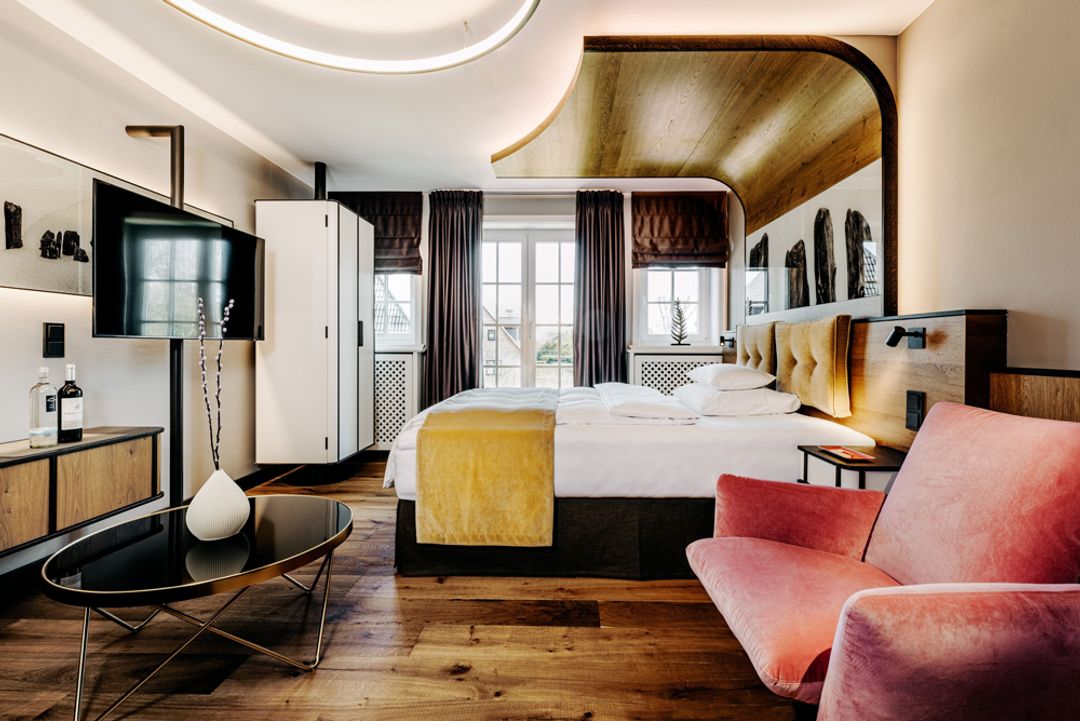
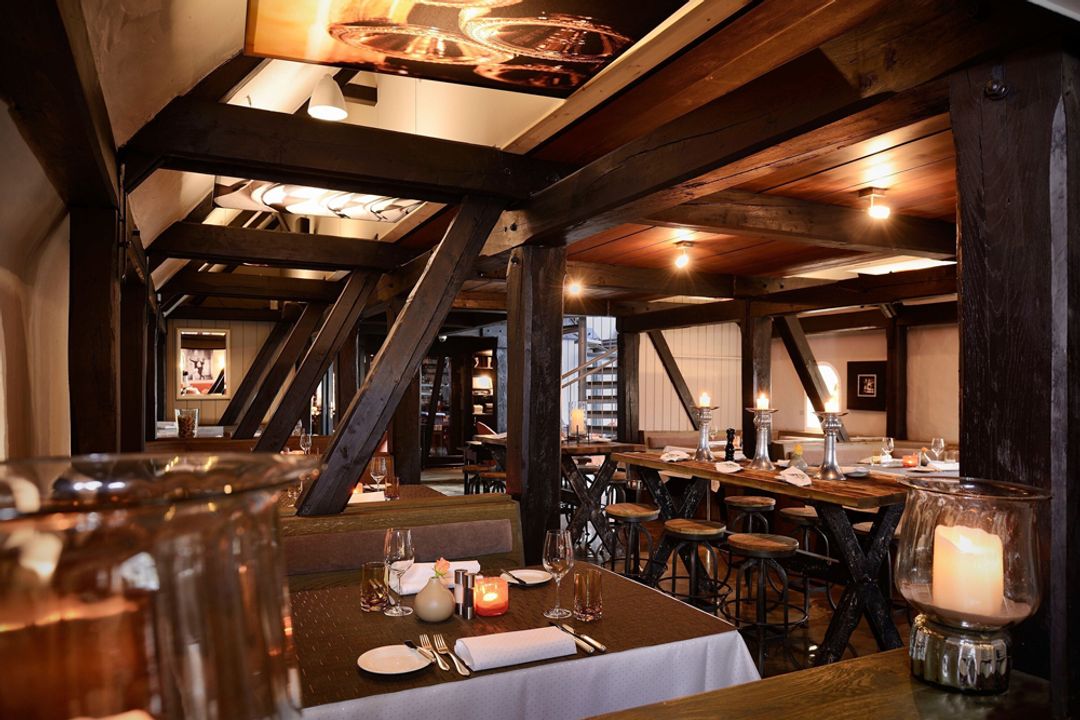
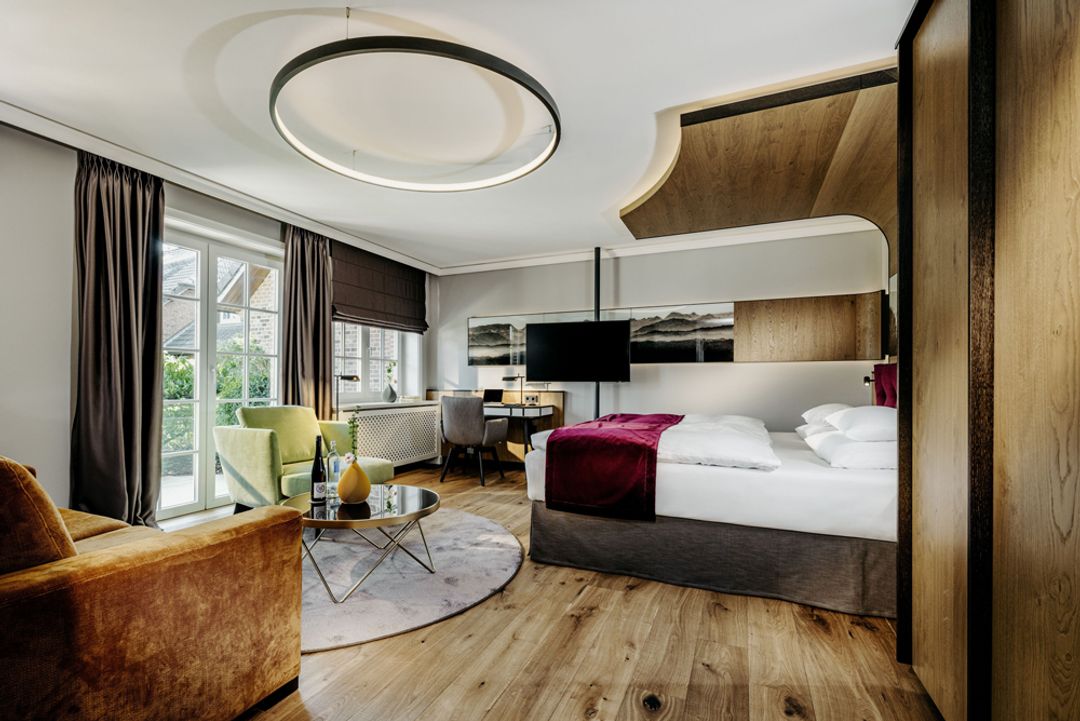
Tinnum sits near the island's quieter center, removed from the self-conscious glamour of the western beach villages, and it is here that Landhaus Stricker makes its case most convincingly. The property belongs to the tradition of the Frisian country house hotel, low-slung and reed-thatched on the outside, but the interiors have been worked over with genuine care, favoring natural materials, muted tones, and the kind of considered furniture placement that reads as restraint rather than underinvestment. The restaurant is serious, and the kitchen's approach to North Sea produce has made it a destination in itself for visitors who come to the island as much to eat well as to watch the Wattenmeer tides shift.
What Sylt rewards, if you approach it on its own terms, is a sustained attention to place. The Wadden Sea to the east changes character every few hours with the tides, the western dunes erode visibly from year to year, and the island's position at the edge of the German coast gives it a weather that rarely feels domesticated. Landhaus Stricker fits this context more honestly than a glass-and-concrete property ever could. The thatch and the quiet setting in Tinnum keep the island's actual atmosphere present rather than sealed out, and for the traveler whose instinct is to stay somewhere that tells the truth about where it is, this remains the right property on a complicated, often overhyped, genuinely compelling island.