Best hotels in Wolfsburg | A Curated Visual Guide to Top Stays
Welcome to PressBeyond, the ultimate curated visual guide for design-driven hotels! My name is Will Miller and this is my recommendation for the best boutique and luxury hotel in Wolfsburg.
I am the founder of PressBeyond and I am an ultra-meticulous hotel curator who loves clean visuals. I have individually analyzed and tiered the hotel included in this guide based on a variety of criteria (architecture & design, location, brand & brand affiliation, existing reviews, and my own personal experiences), and importantly, I have hand-selected the leading imagery for this hotel to provide you with easily-digestible, yet detailed and complete, like-for-like, high-level visual profiles. I felt this summarization step was a critical missing piece across existing guides, blogs, and booking platforms. My aim is to make it easier for people to identify hotel environments that resonate with them, along with enabling them to visualize the types of social experiences that those environments help foster. My brain doesn't work when exposed to cluttered content, so my goal was to create the opposite.
Underneath this, we are also a full booking engine offering 5% Venmo cash back along with other exclusive perks. For all of you design-obsessed hotel enthusiasts out there, I hope this guide helps get you to where you see yourself!
An Overview of the Boutique & Luxury Hotel Landscape in Wolfsburg
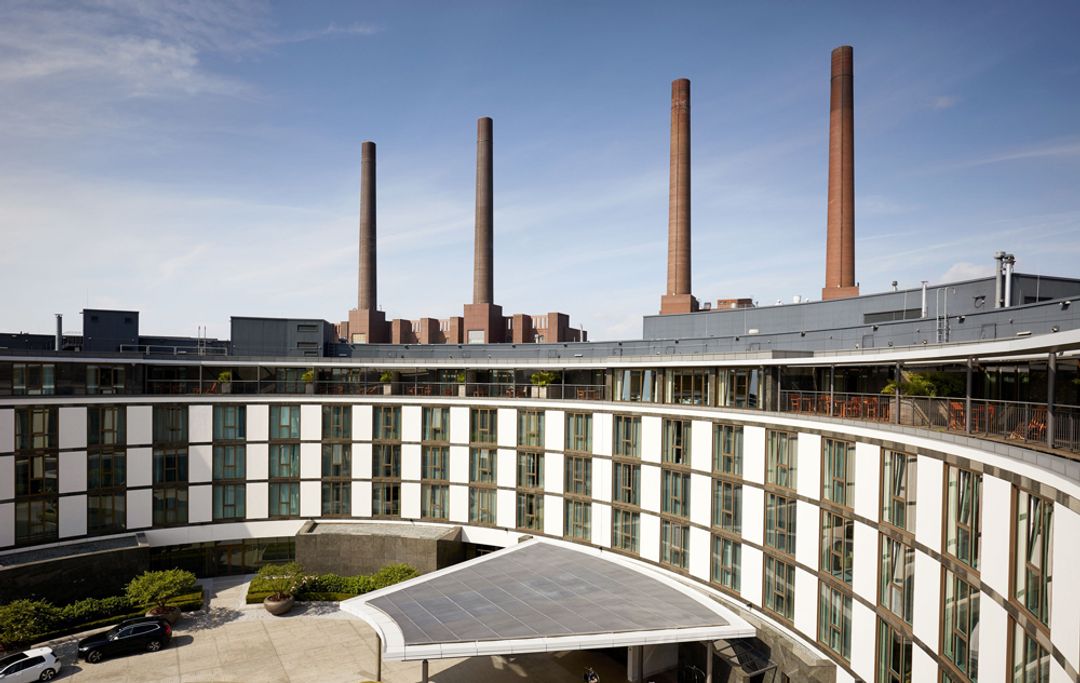
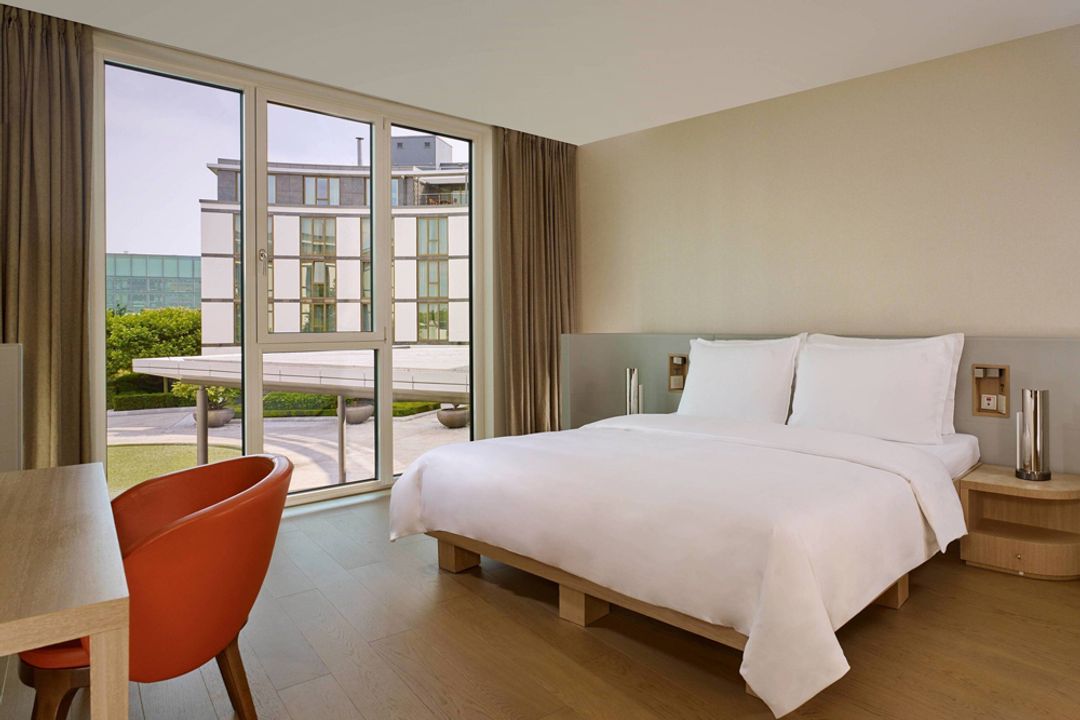
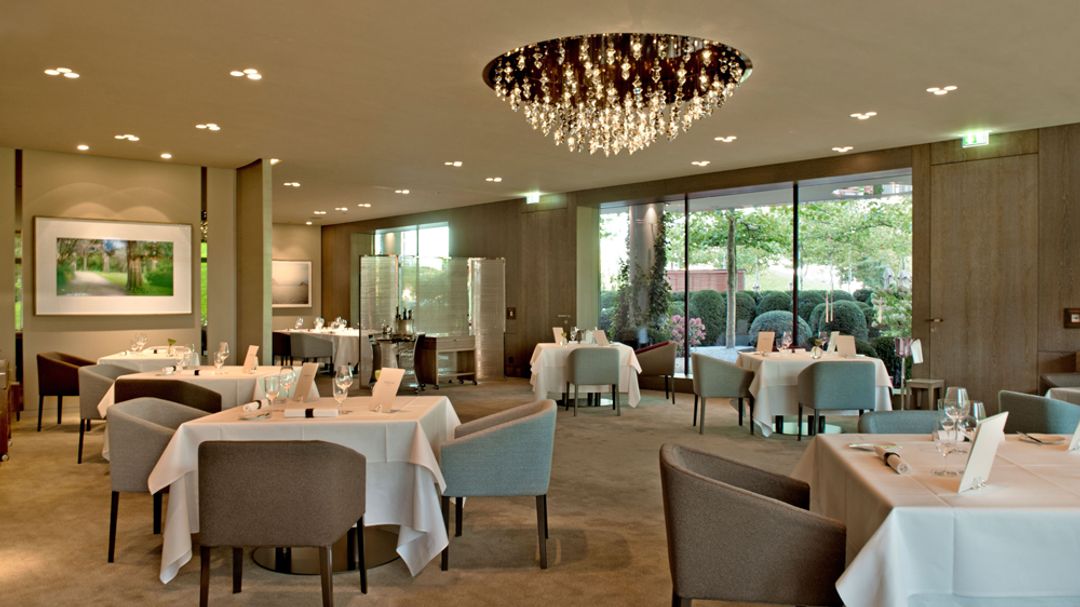
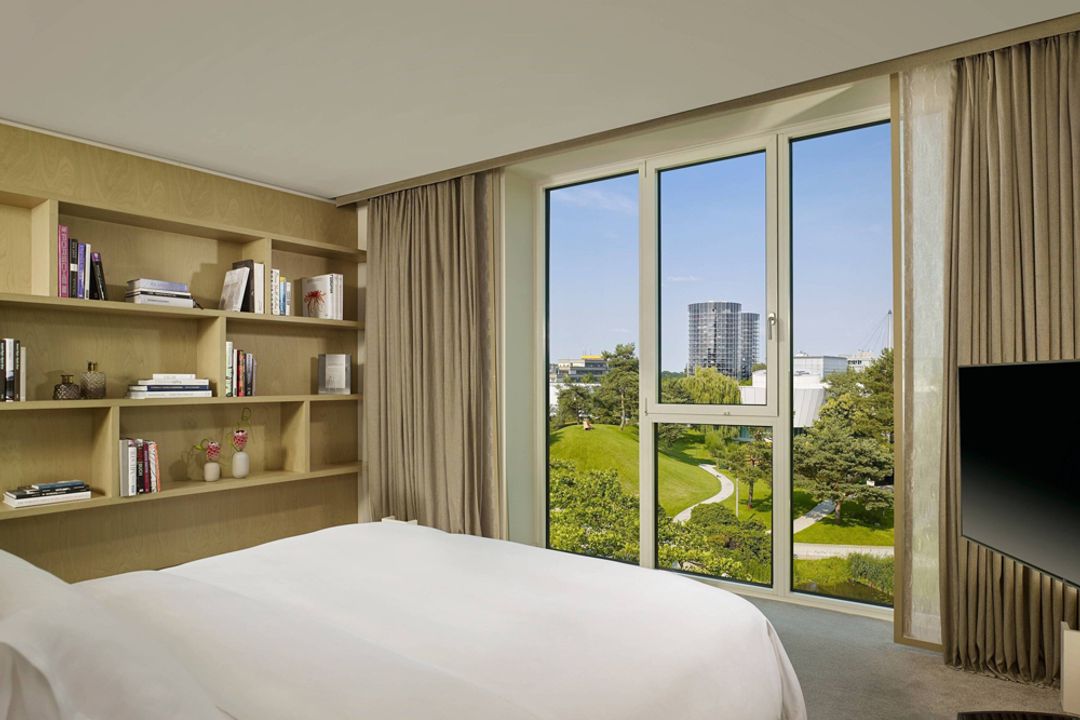
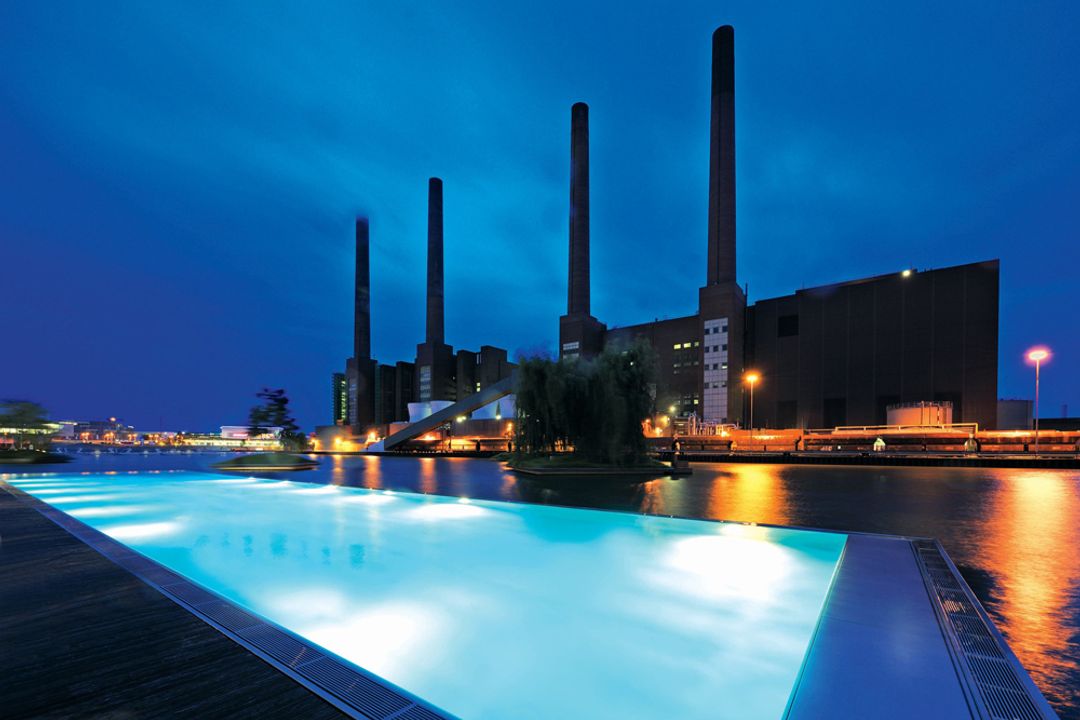
Wolfsburg was built for a single purpose, and it has never pretended otherwise. The city was founded in 1938 as a company town for the Volkswagen factory, and its identity remains shaped by that industrial origin — not as a liability, but as a kind of architectural honesty that most German cities, burdened by postwar reconstruction or medieval heritage, don't possess. The Mittellandkanal cuts through the landscape, the factory's twin smokestacks anchor the skyline, and the city's cultural infrastructure was largely designed by a single patron with serious ambitions: Volkswagen itself, which commissioned Zaha Hadid's Phaeno Science Center (2005), Alvar Aalto's Kulturhaus (1962), and the Autostadt, a 25-hectare brand complex opened in 2000 that includes car retrieval towers, pavilions by various international architects, and a hotel that has no real equivalent in northern Germany. That hotel is the Ritz-Carlton Wolfsburg, which sits within the Autostadt complex on the banks of the Mittellandkanal directly opposite the factory. The building, completed in 2000 as part of the broader Autostadt development, occupies a position of deliberate visual weight — it faces the production plant across the water, making the relationship between industry and hospitality not just metaphorical but literal and immediate. The interiors lean into materiality rather than softness, with a restrained palette that suits the surroundings. Staying here means being inside the logic of the complex itself, not adjacent to it. The Autostadt's architects and landscape designers conceived the grounds as a unified experience, and the Ritz-Carlton functions less as an independent property than as the residential anchor of that larger vision. For a design-conscious traveler, Wolfsburg rewards a particular kind of attention. The Phaeno Science Center alone — Hadid's largest built project in Germany, elevated on concrete cones with a volcanic interior landscape — justifies a detour from Hanover or Berlin. Aalto's Kulturhaus, completed during his late period, is quieter and more approachable, a reminder that this city was once a laboratory for European modernism as much as automotive manufacturing. The Ritz-Carlton provides the appropriate base for all of it: not a retreat from the industrial character of the place, but a considered position within it, on the edge of a canal that separates the world's most architecturally self-aware car park from a city still figuring out what it wants to be.