Best hotels in Aosta Valley, Italy | Visually Compare Top Stays Side-by-Side
Welcome to PressBeyond - a curated visual guide to design-driven hotels and the fastest way to compare them.
An Overview of the Boutique & Luxury Hotel Landscape in Aosta Valley, Italy
The Aosta Valley sits at an altitude that changes how everything looks. The light is harder here, the shadows more precise, and the built environment has responded accordingly over centuries with a vernacular architecture of rough stone, pitched slate roofs, and narrow fenestration designed to hold heat and resist snow load rather than perform any kind of aesthetic hospitality. Roman ruins anchor the valley floor around Aosta city itself, while the higher villages, Champoluc, Gressoney, Cogne, developed their own material dialect: timber and stone in tight, functional proportions, buildings that lean into the hillside rather than announce themselves against it.
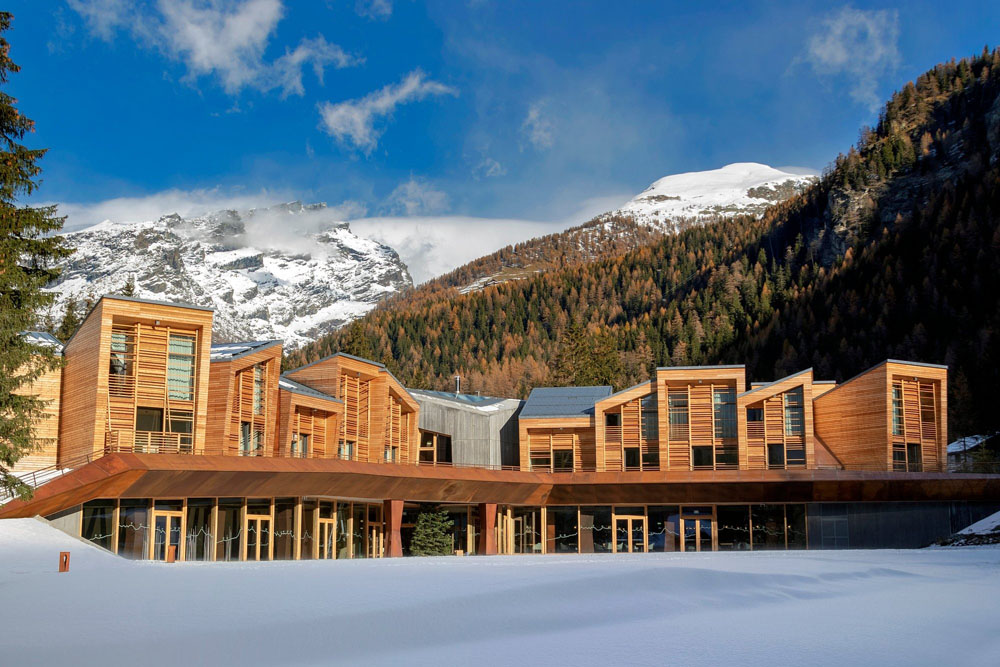
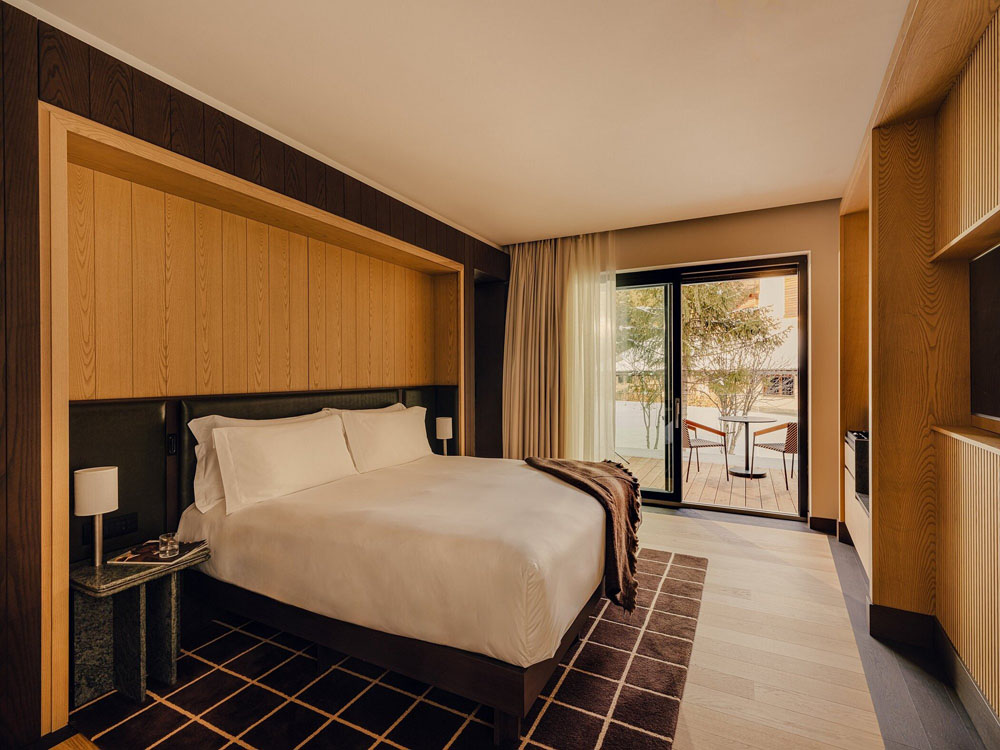
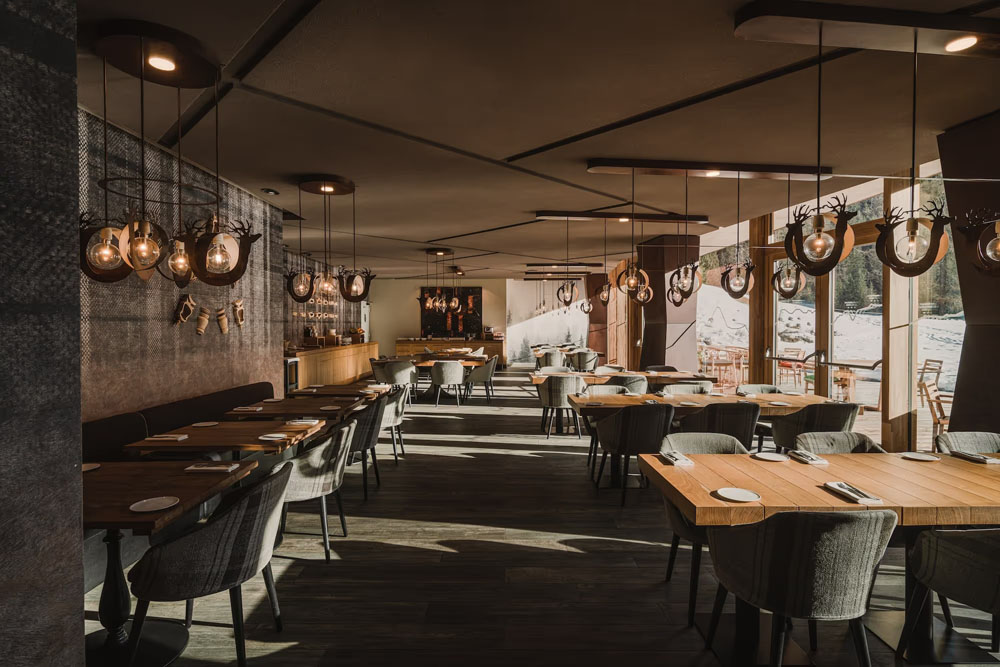
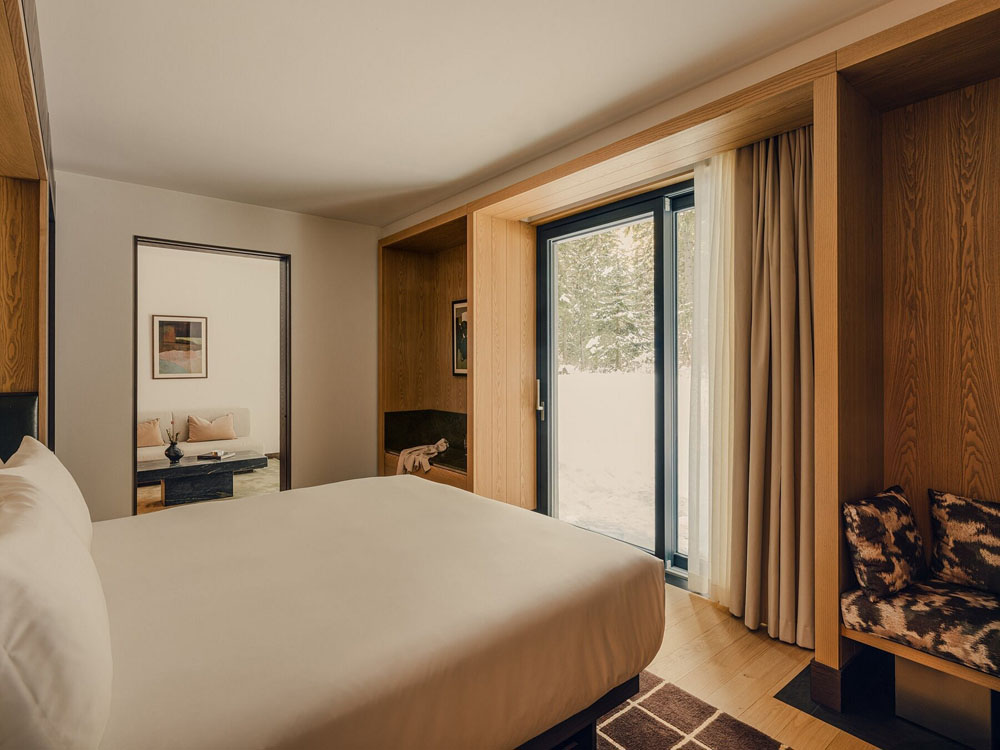
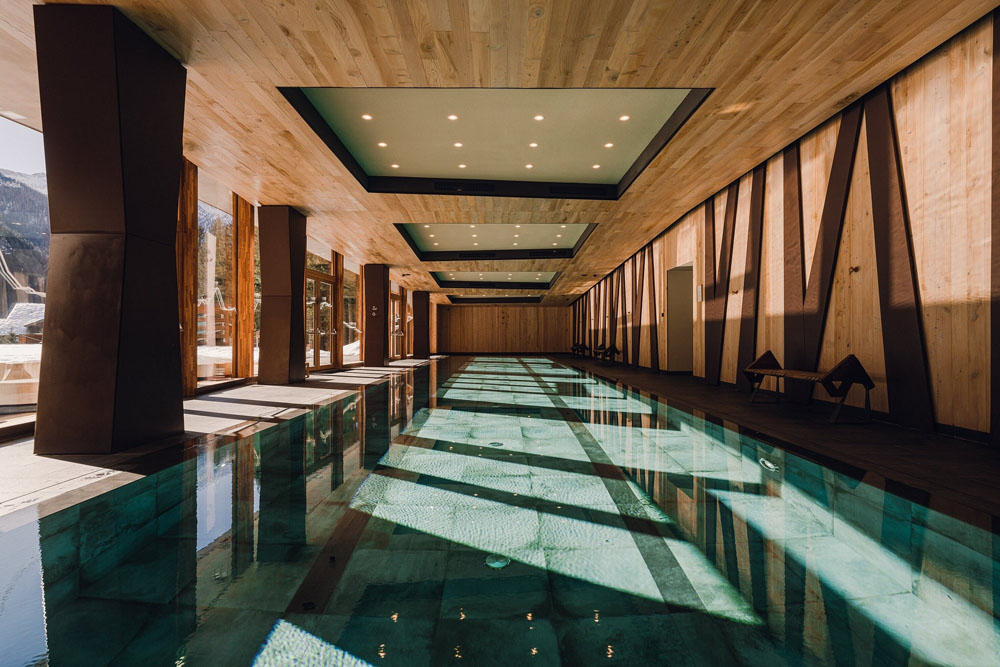
Champoluc, at the head of the Ayas valley beneath Monte Rosa, has always been the quieter alternative to Courmayeur's more polished ski circus. The village retained something the busier resorts traded away, a certain roughness of texture, an indifference to being found. It is precisely into this context that Aethos Monterosa arrives with genuine conviction. The property belongs to the Aethos group, whose portfolio across Europe has consistently favored architecturally credible buildings over the kind of alpine pastiche that dominates competitors in the same price bracket. At Monterosa, the material palette stays close to the local tradition without tipping into folkloric imitation: exposed stone, warm timber, considered proportions that read as contemporary without being aggressive about it. The group has built its identity around wellness and community, and the programming here reflects that, fitness facilities, thoughtful food, a pace that encourages staying longer than a weekend.
What makes Aosta Valley worth the journey extends well beyond any single property. This is a landscape where a Roman triumphal arch from the first century BC stands at the edge of a town where people still buy bread in the morning, and where the high pastures above Champoluc feel genuinely remote in a way that the more famous Italian mountain destinations no longer do. For anyone whose instinct is to notice buildings, to read a place through what it chose to preserve and what it let go, the valley rewards that kind of attention across centuries and scales. Aethos Monterosa is the specific, well-placed reason to stay in Champoluc, but the valley is the real subject.