Each hotel image sequence, including the selection and arrangement of its images, © 2026 PressBeyond. All rights reserved

Sextantio Le Grotte
5% cash back when you book with PressBeyond
Each hotel image sequence, including the selection and arrangement of its images, © 2026 PressBeyond. All rights reserved
Sextantio Le Grotte
Puglia, Italy • Sassi di Matera • SPLURGE
avg. $571 / night
Includes $30 / night in cash back
Cash back is redeemable via Virtual Visa, Venmo, or bank transfer starting 24-48 hours after check-out
Exclusive PressBeyond Benefits
Get to where you see yourself
Ultra-clean, global, hand-picked hotel curation & imagery designed to help you visualize enticing environments and the elevated social experiences they create
Cash back
5% cash back on all completed stays (redeemable via Virtual Visa, Venmo, or bank transfer starting 24-48 hours after check-out)
Credit card points
Credit and debit card charges are processed directly by the hotel (i.e. not PressBeyond), meaning that any travel-specific credit card points or incentives that you normally get as a cardholder for direct hotel bookings are preserved
Hotel loyalty points
Points accrual and status eligibility with major hotel loyalty programs: Marriott Bonvoy, Hilton Honors, World of Hyatt, and others
Free breakfast
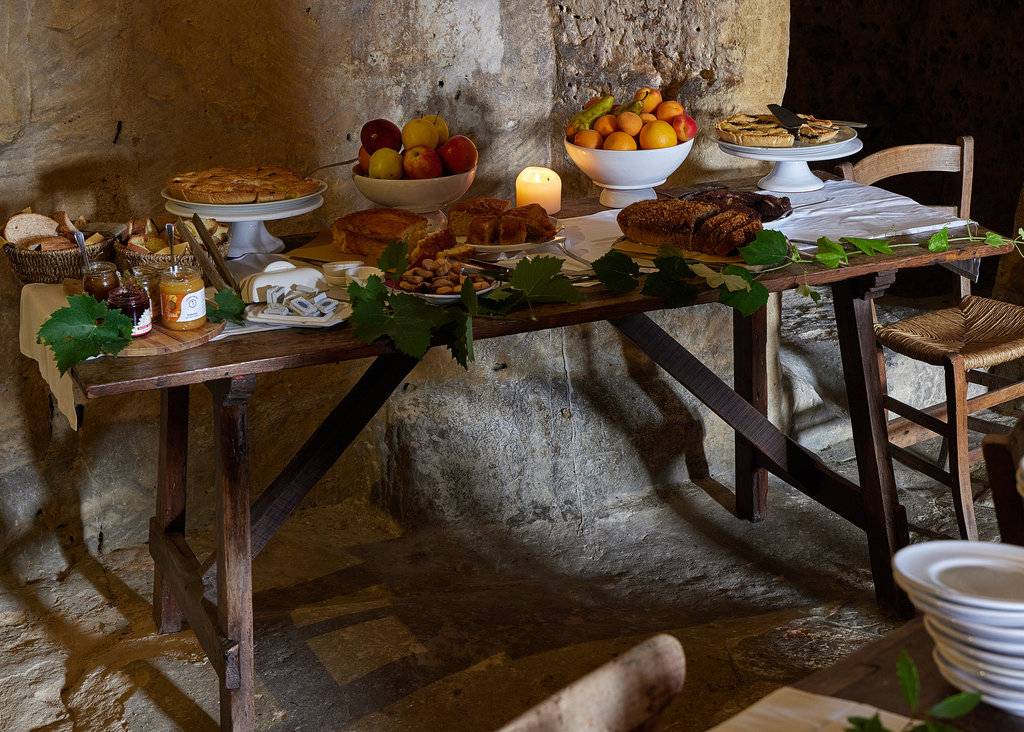
Breakfast-included rate options available
Room upgrades
Complimentary room upgrades (subject to property availability)
Extend your stay
Early check-in and late check-out (subject to property availability)
Part of Design Hotels
Location
At a glance
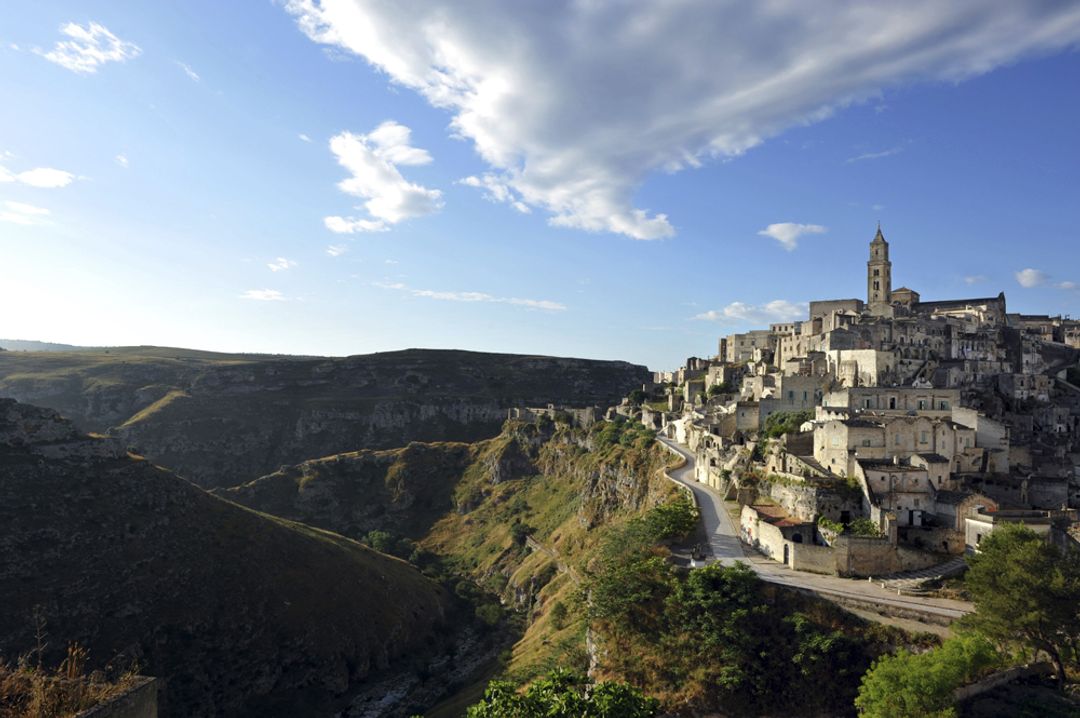
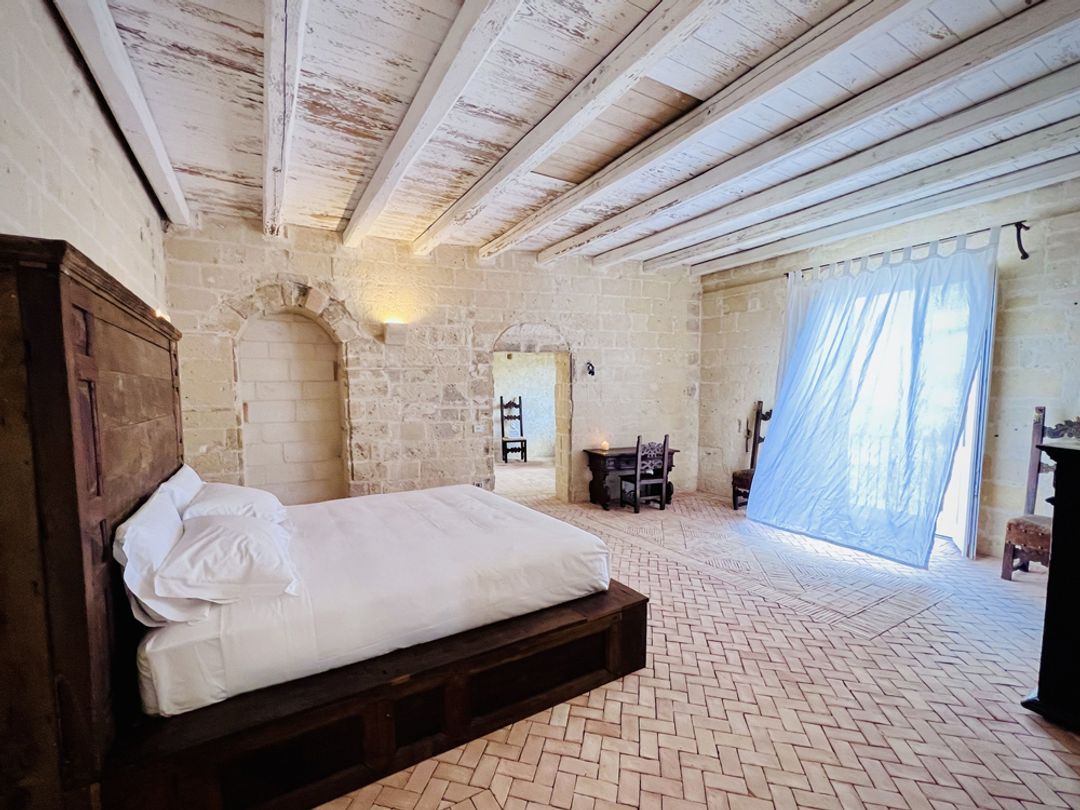
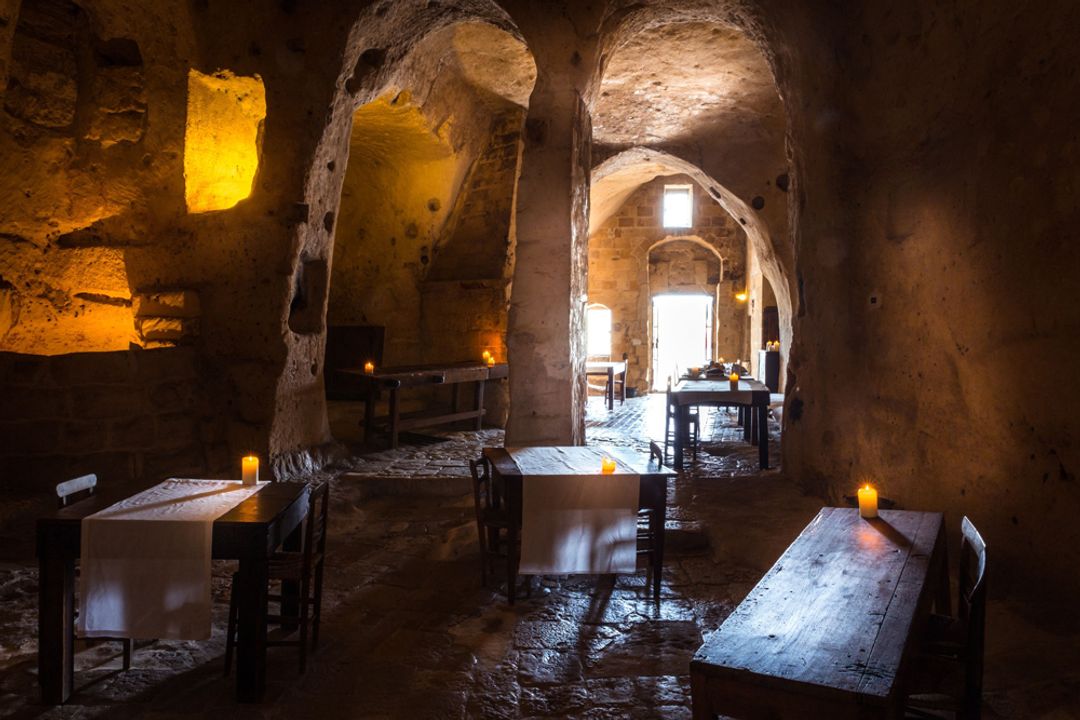
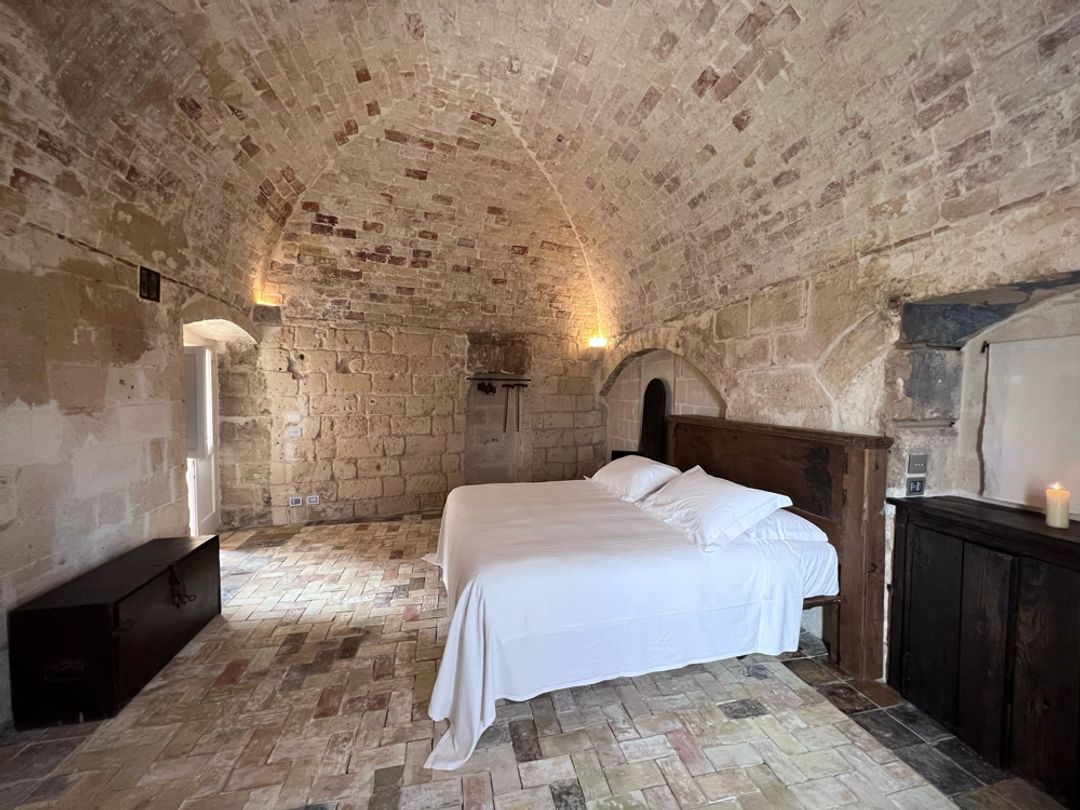
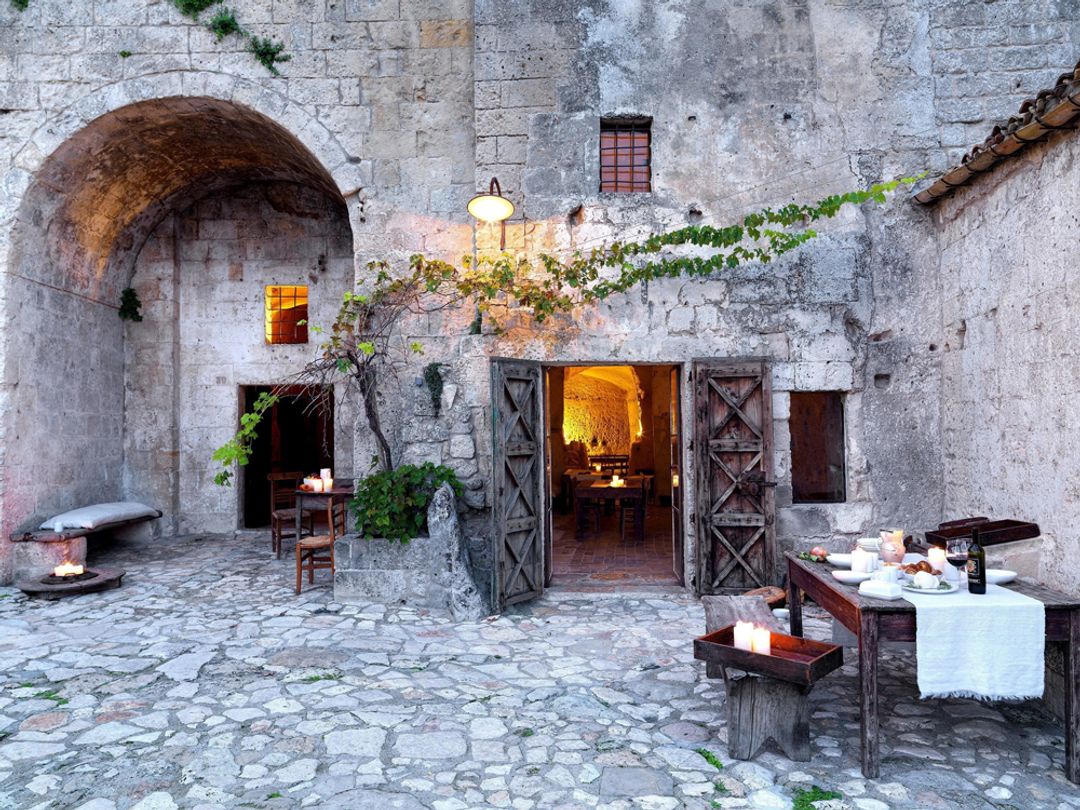
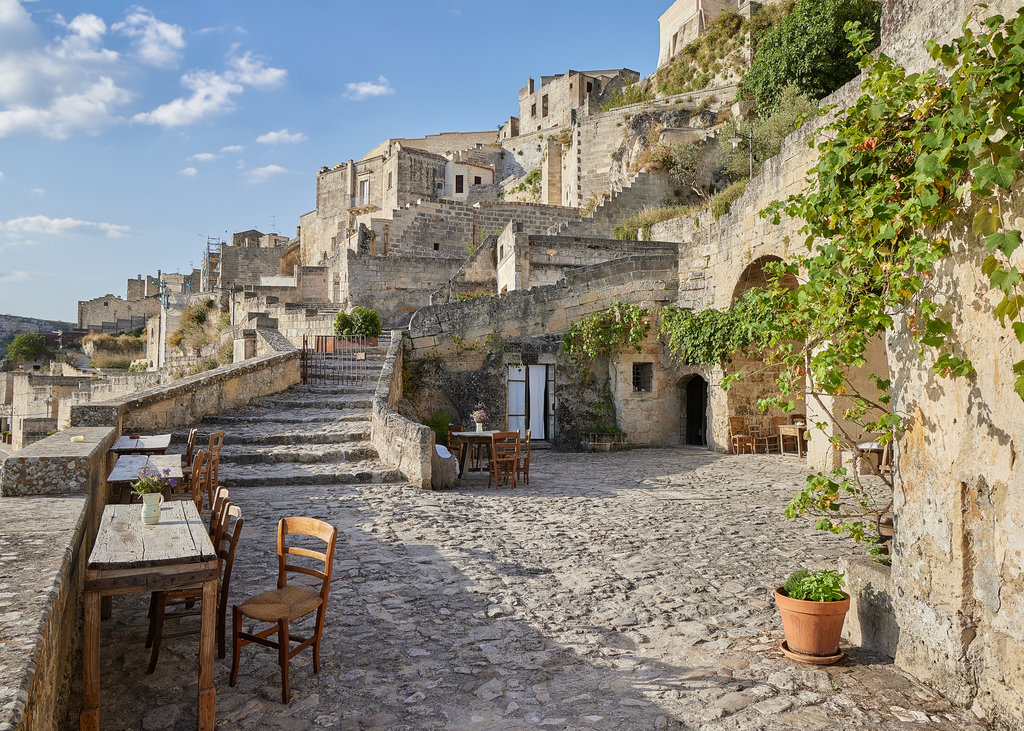
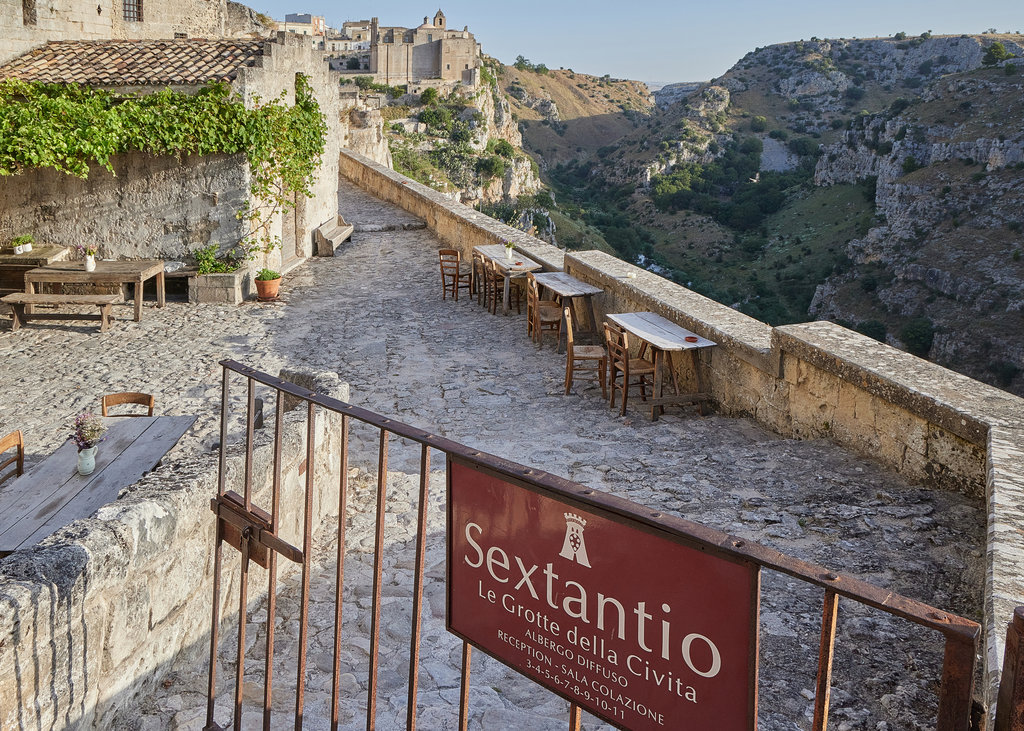
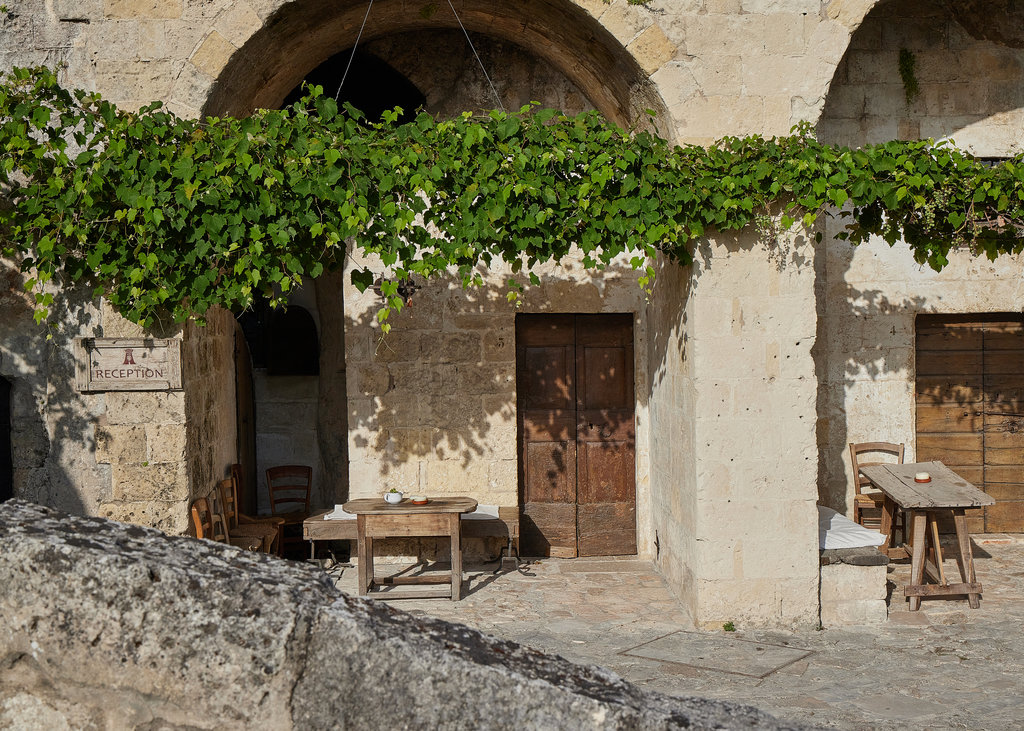
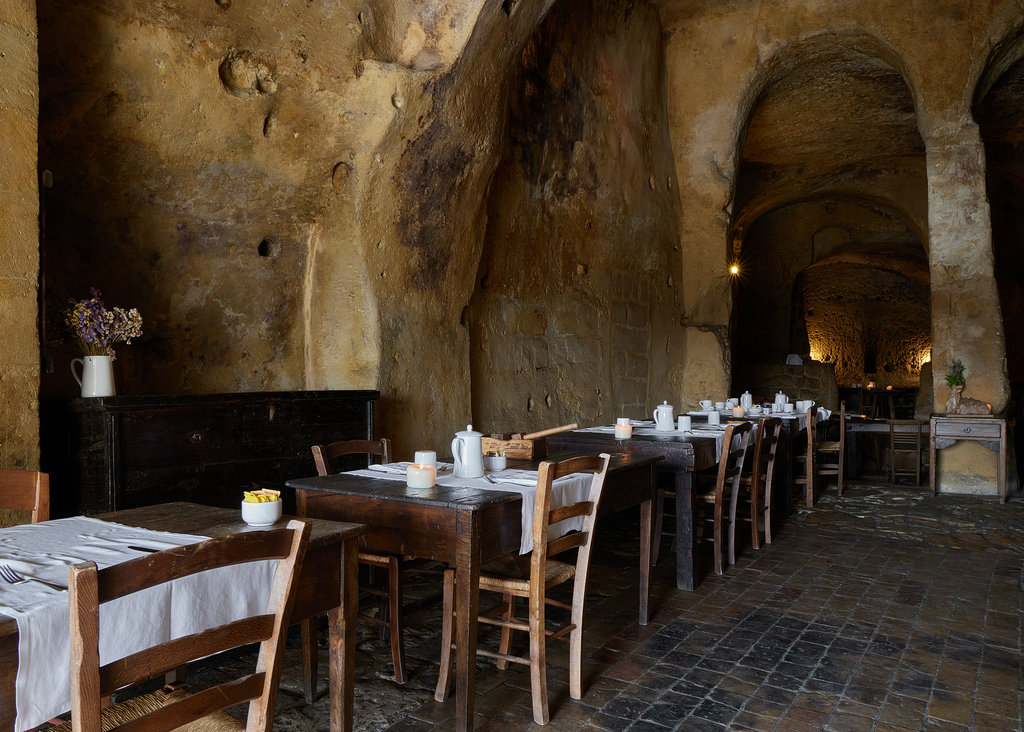
Eighteen rooms carved into ancient Sassi limestone with hand-laid vaults and herringbone floors, candlelit dining in grottos.
Best for: Archaeology enthusiasts and vernacular architecture scholars
Highlights:
- Eighteen rooms carved directly into 9,000-year-old tufo limestone
- Hand-laid barrel vaults and herringbone terracotta floors left untouched
- Candlelit dining through arched grottos with zero modern intervention
PB hotel design editorial
Travel notes
About
Guest photos
Policies
All reservations must be guaranteed with a credit card which is valid on the day of arrival Non guaranteed reservations are not accepted Please check rate rules