Each hotel image sequence, including the selection and arrangement of its images, © 2026 PressBeyond. All rights reserved

Asaba
5% cash back when you book with PressBeyond
Each hotel image sequence, including the selection and arrangement of its images, © 2026 PressBeyond. All rights reserved
Asaba
Izu, Japan • Shuzenji • OVER THE TOP
avg. $1,269 / night
Includes $67 / night in cash back
Cash back is redeemable via Virtual Visa, Venmo, or bank transfer starting 24-48 hours after check-out
Exclusive PressBeyond Benefits
Get to where you see yourself
Ultra-clean, global, hand-picked hotel curation & imagery designed to help you visualize enticing environments and the elevated social experiences they create
Cash back
5% cash back on all completed stays (redeemable via Virtual Visa, Venmo, or bank transfer starting 24-48 hours after check-out)
Credit card points
Credit and debit card charges are processed directly by the hotel (i.e. not PressBeyond), meaning that any travel-specific credit card points or incentives that you normally get as a cardholder for direct hotel bookings are preserved
Hotel loyalty points
Points accrual and status eligibility with major hotel loyalty programs: Marriott Bonvoy, Hilton Honors, World of Hyatt, and others
Free breakfast
Breakfast-included rate options available
Room upgrades
Complimentary room upgrades (subject to property availability)
Extend your stay
Early check-in and late check-out (subject to property availability)
Part of Relais & Châteaux
Location
At a glance
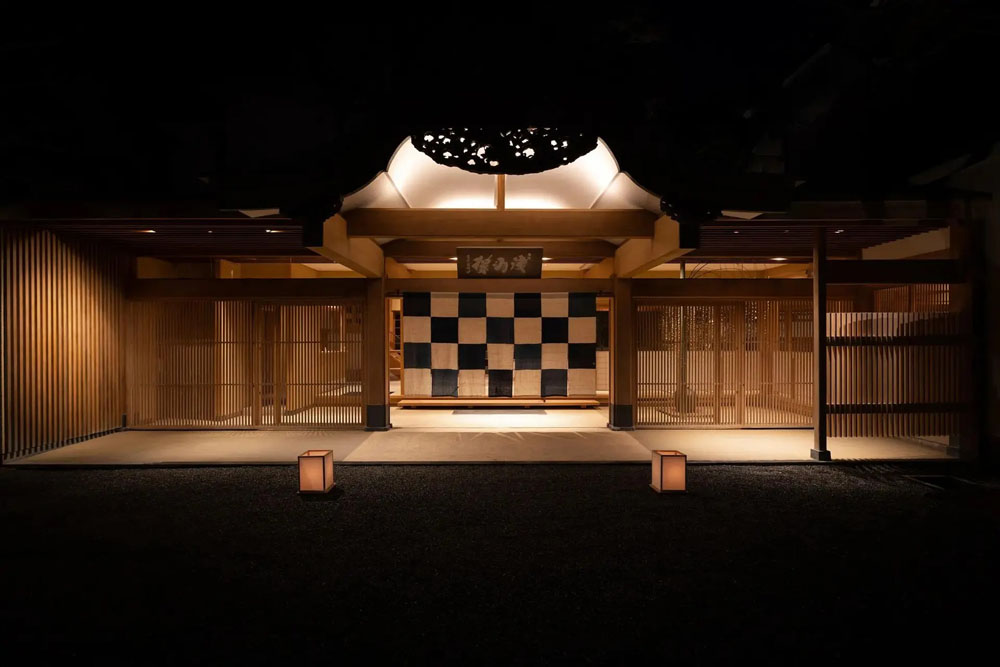
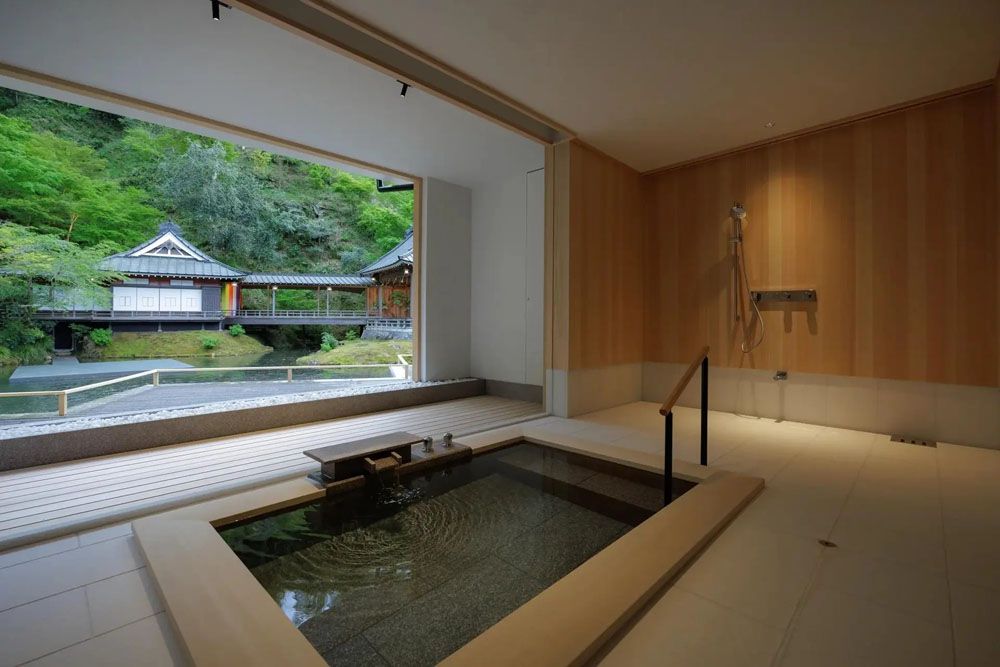
A 540-year-old ryokan centered on a relocated Meiji-era Noh stage overlooking a private pond.
Best for: Architecture enthusiasts and Japanese culture collectors
Highlights:
- Sixteenth-century ryokan operating continuously since 1484
- Meiji-era Noh stage (Gekkeiden) overlooking 2,000-sqm pond
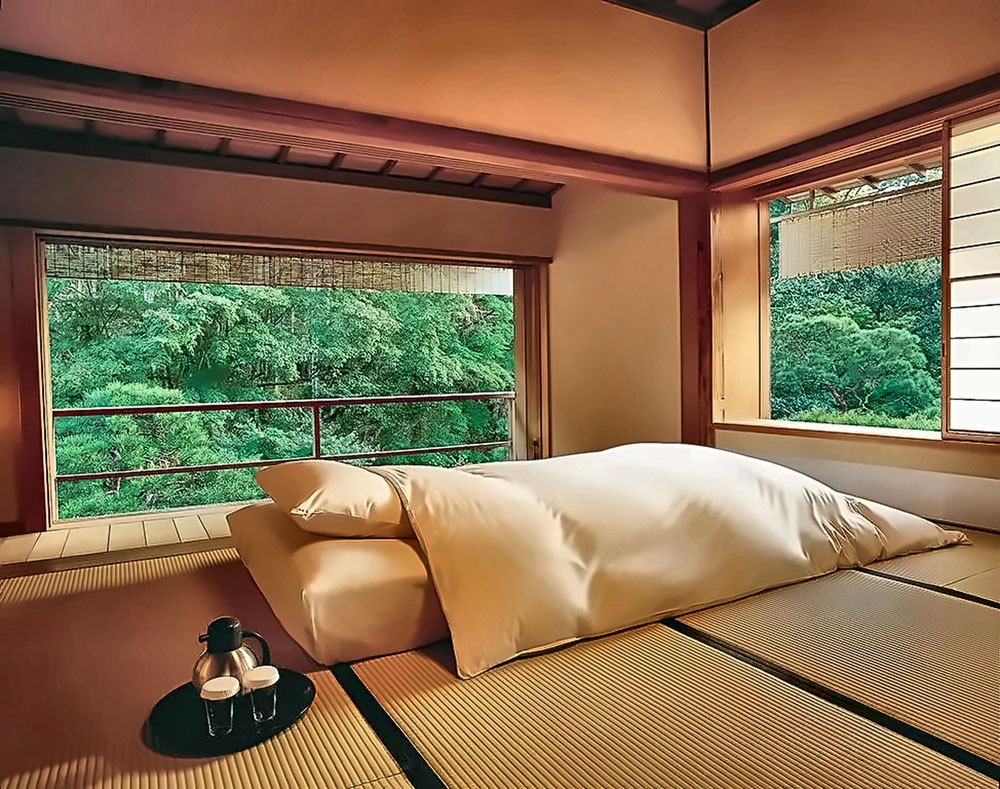
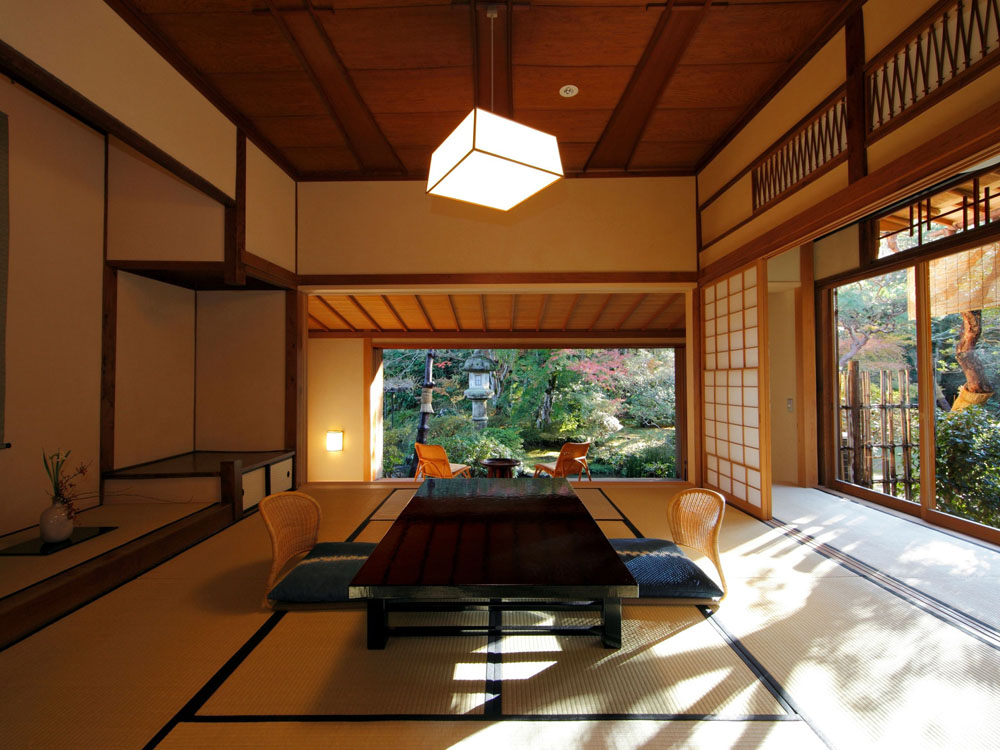
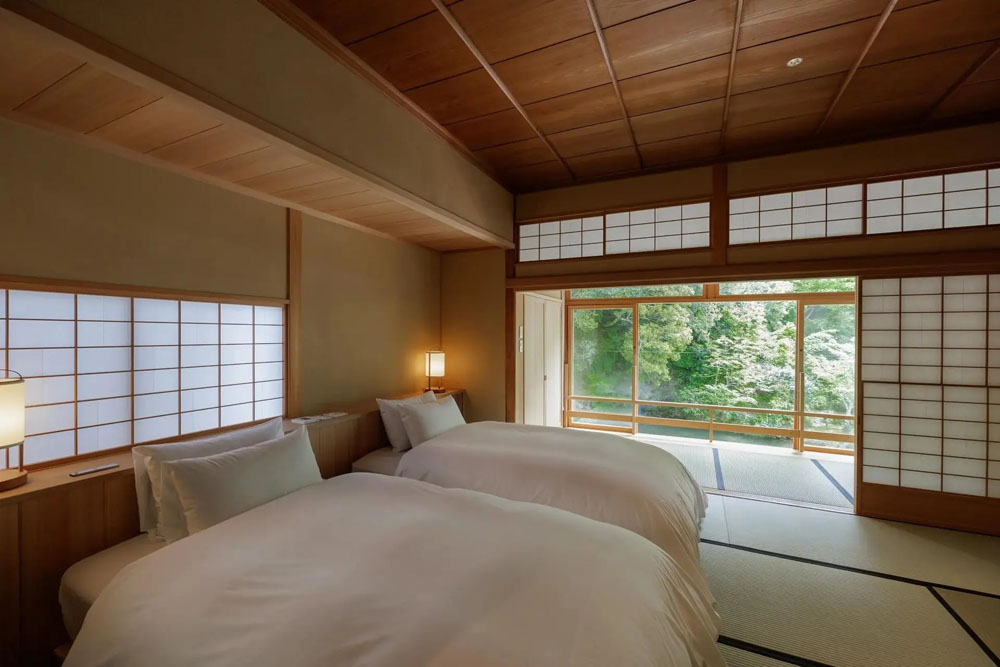
- Rooms blend tatami and shoji with mid-century modernist details