Best hotels in Beirut | A Curated Visual Guide to Top Stays
Welcome to PressBeyond, the ultimate curated visual guide for design-driven hotels! My name is Will Miller and these are my recommendations for the best boutique and luxury hotels in Beirut.
I am the founder of PressBeyond and I am an ultra-meticulous hotel curator who loves clean visuals. I have individually analyzed and tiered each hotel included in this guide based on a variety of criteria (architecture & design, location, brand & brand affiliation, existing reviews, and my own personal experiences), and importantly, I have hand-selected the leading imagery for each hotel to provide you with easily-digestible, yet detailed and complete, like-for-like, high-level visual profiles. I felt this summarization step was a critical missing piece across existing guides, blogs, and booking platforms. My aim is to make it easier for people to identify hotel environments that resonate with them, along with enabling them to visualize the types of social experiences that those environments help foster. My brain doesn't work when exposed to cluttered content, so my goal was to create the opposite.
Underneath this, we are also a full booking engine offering 5% Venmo cash back along with other exclusive perks. For all of you design-obsessed hotel enthusiasts out there, I hope this guide helps get you to where you see yourself!
An Overview of the Boutique & Luxury Hotel Landscape in Beirut
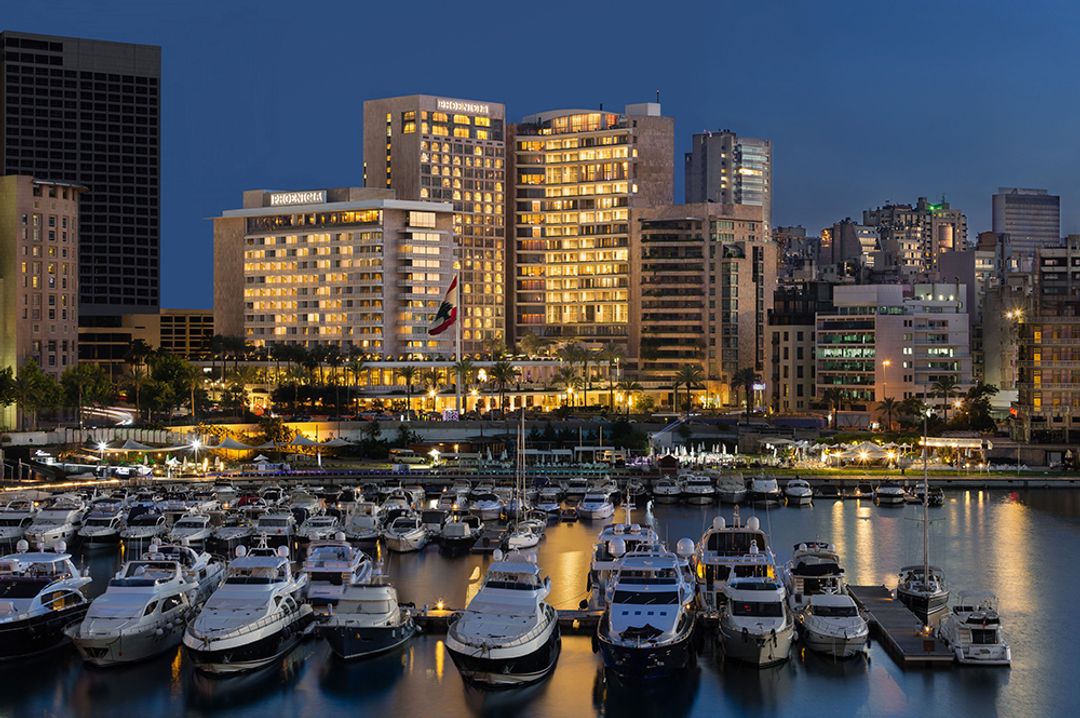
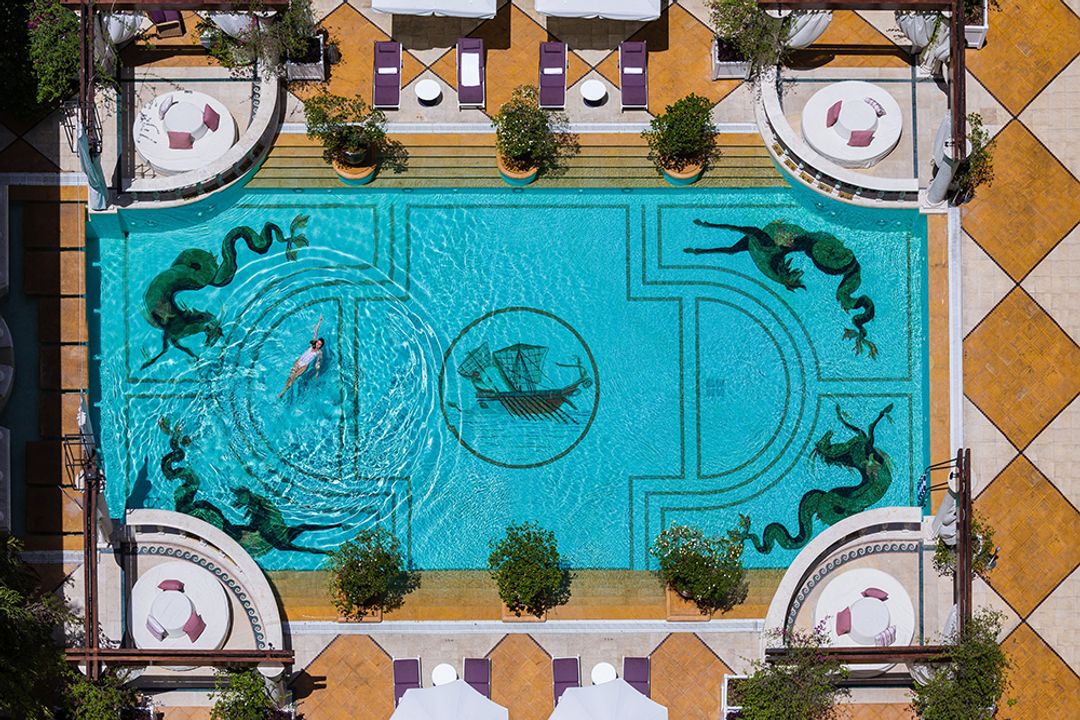
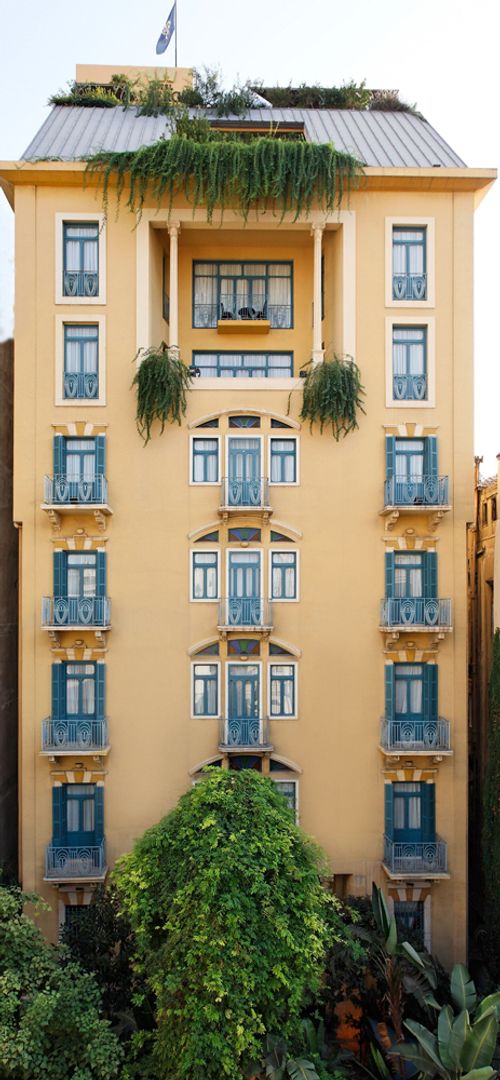
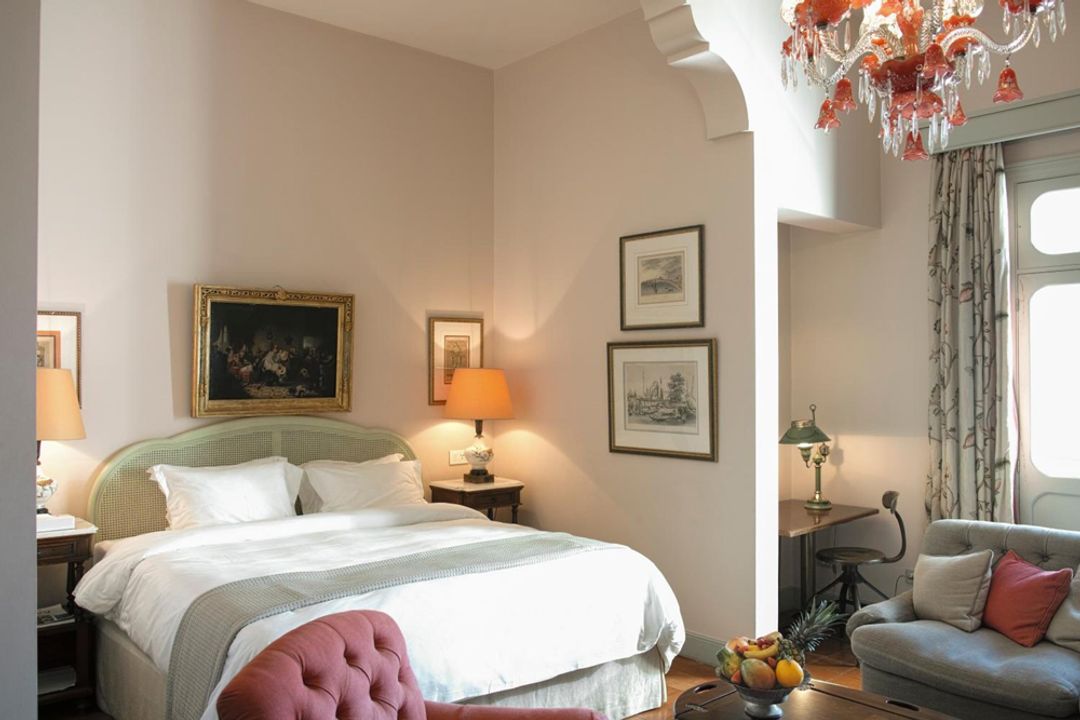
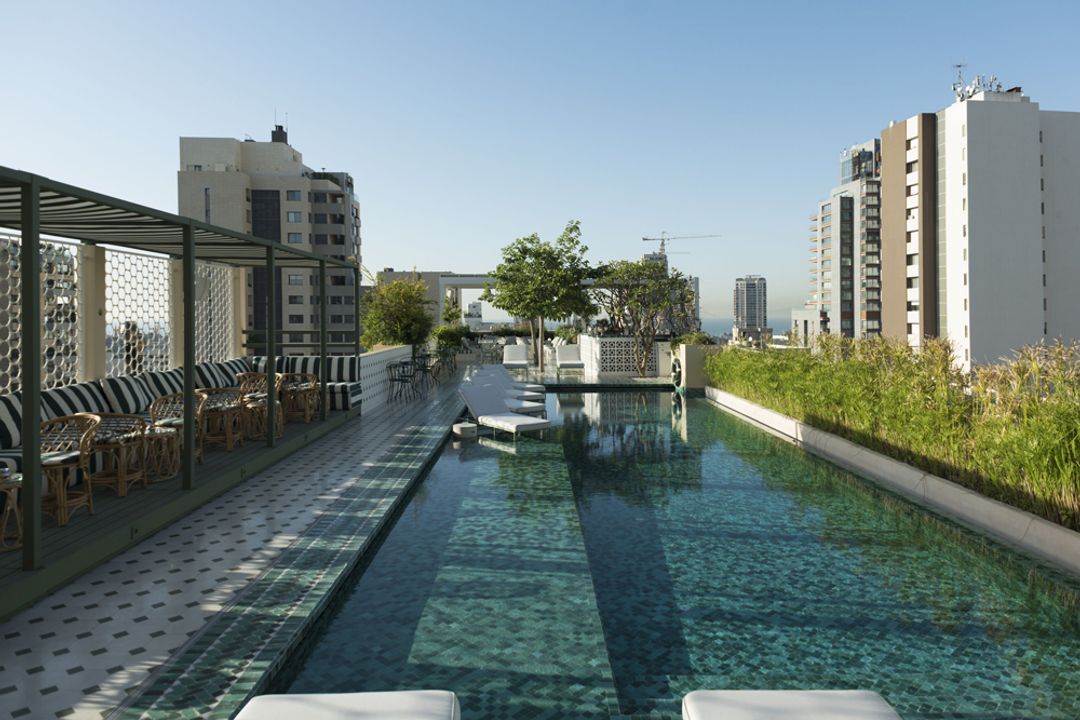
Beirut does something to stone. The honey-colored limestone that covers half the city — quarried from the mountains that frame it — catches the afternoon light in a way that makes even war-damaged buildings look like they're being slowly gilded. It's the material context that makes Achrafieh legible as a neighborhood: layered, Ottoman-inflected, French Mandate-era, and stubbornly residential in a city that has repeatedly tried to reinvent itself from scratch. The Albergo Hotel lives inside this texture rather than against it, occupying a 1930s building on Abdel Wahab al-Inglizi that has been restored with genuine care for its period character — arched windows, tiled floors, a rooftop that reads more like a private Beirut apartment than a hotel amenity. At $493 a night it occupies the splurge tier, but it earns that positioning through specificity rather than scale. This is a small hotel, deliberately so, and its quality sits at a medium tier that reflects an honest relationship between what it is and what it costs. The Phoenicia is a different argument entirely. Opened in 1961 and designed by Edward Durell Stone — the American architect behind the Kennedy Center and the original Museum of Modern Art façade in New York — the InterContinental Phoenicia Beirut is one of the few mid-century modern landmarks in the Arab world that has survived both civil war and subsequent redevelopment. Its position at Zaitunay Bay places it at the edge of the reconstructed downtown waterfront, which means it looks in two directions simultaneously: toward the marina and the Mediterranean on one side, and toward the slow, contested archaeology of central Beirut on the other. Post-renovation it functions as a high-quality international hotel rather than a design museum piece, but the bones of Stone's original vision — the elliptical form, the horizontal banding — remain readable from the Corniche. At $252 a night in the optimize tier, it offers a different kind of value: the weight of a building that has witnessed the city's entire modern history. Choosing between them is essentially choosing between two ways of being in Beirut. Achrafieh and the Albergo offer the city at close range, on foot, through neighborhoods that still function as neighborhoods. The Phoenicia situates you at the grand, sometimes melancholy spectacle of downtown's reconstruction, with a building behind you that has already survived more than most cities ask of their architecture.