Best hotels in Oslo | A Curated Visual Guide to Top Stays
Welcome to PressBeyond, the ultimate curated visual guide for design-driven hotels! My name is Will Miller and these are my recommendations for the best boutique and luxury hotels in Oslo.
I am the founder of PressBeyond and I am an ultra-meticulous hotel curator who loves clean visuals. I have individually analyzed and tiered each hotel included in this guide based on a variety of criteria (architecture & design, location, brand & brand affiliation, existing reviews, and my own personal experiences), and importantly, I have hand-selected the leading imagery for each hotel to provide you with easily-digestible, yet detailed and complete, like-for-like, high-level visual profiles. I felt this summarization step was a critical missing piece across existing guides, blogs, and booking platforms. My aim is to make it easier for people to identify hotel environments that resonate with them, along with enabling them to visualize the types of social experiences that those environments help foster. My brain doesn't work when exposed to cluttered content, so my goal was to create the opposite.
Underneath this, we are also a full booking engine offering 5% Venmo cash back along with other exclusive perks. For all of you design-obsessed hotel enthusiasts out there, I hope this guide helps get you to where you see yourself!
An Overview of the Boutique & Luxury Hotel Landscape in Oslo
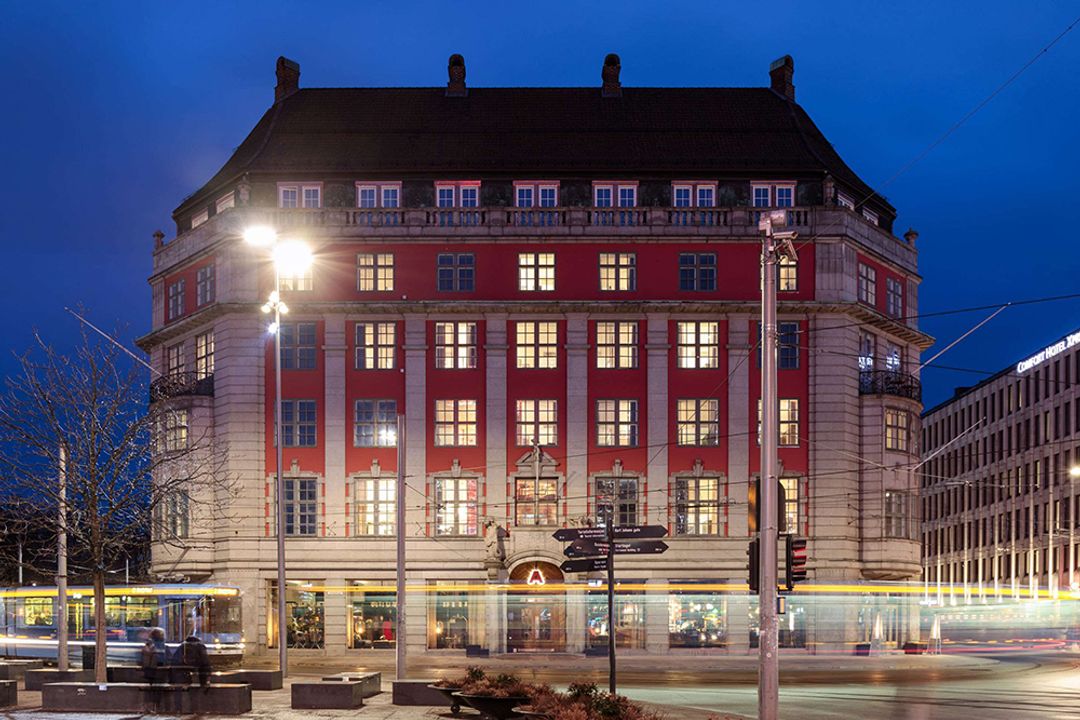
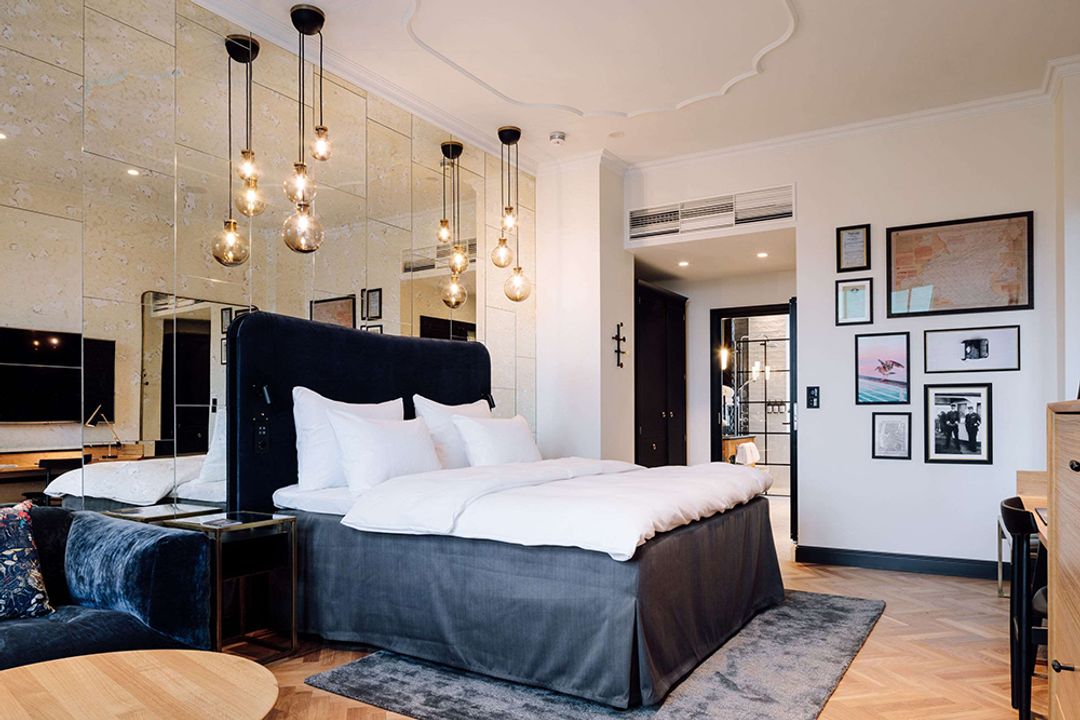
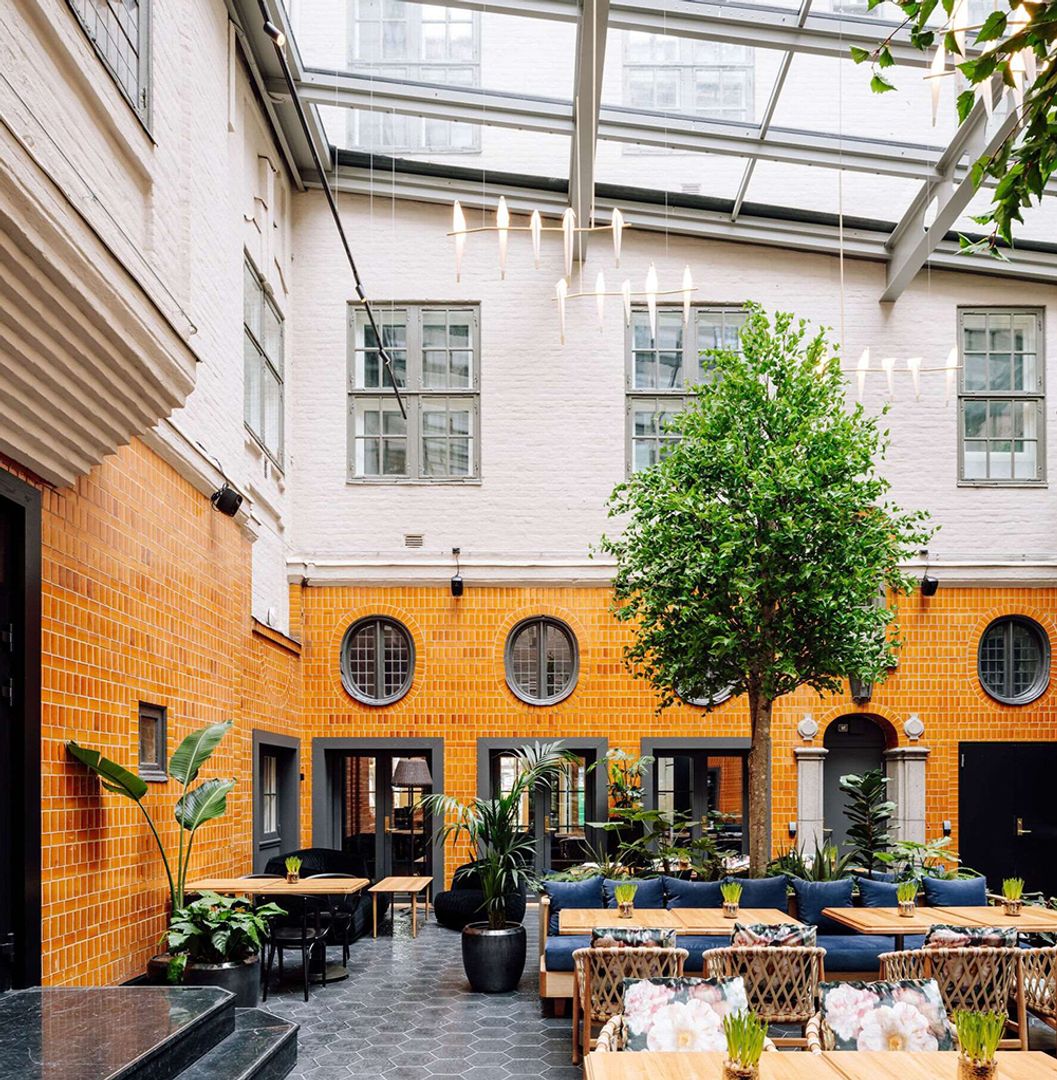
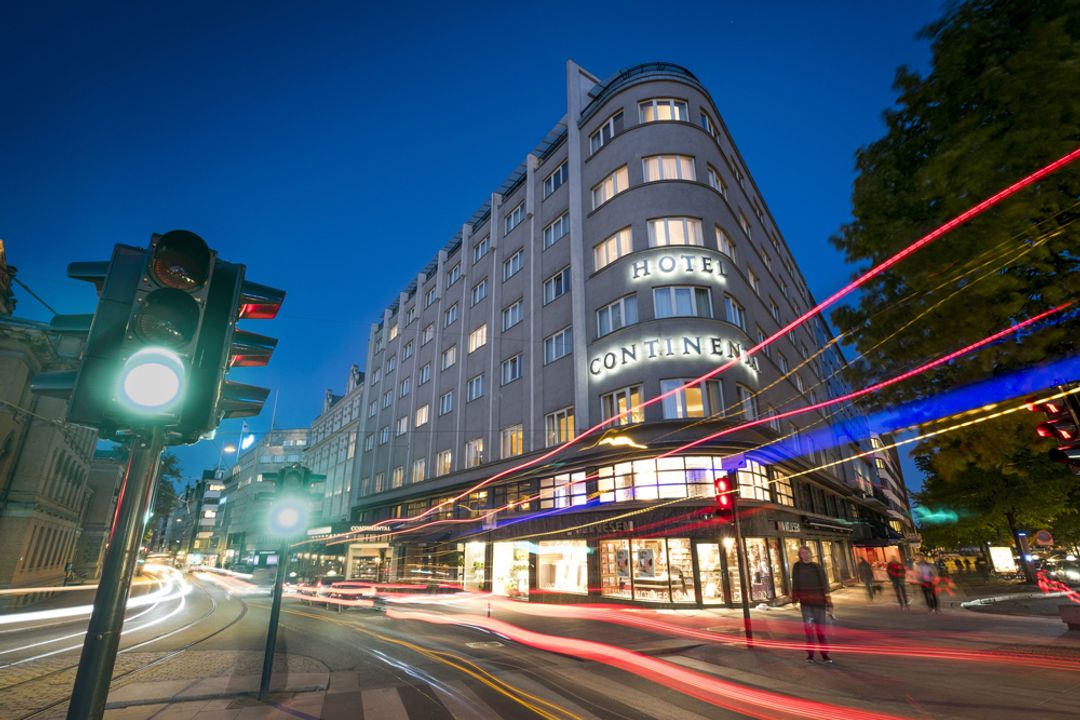
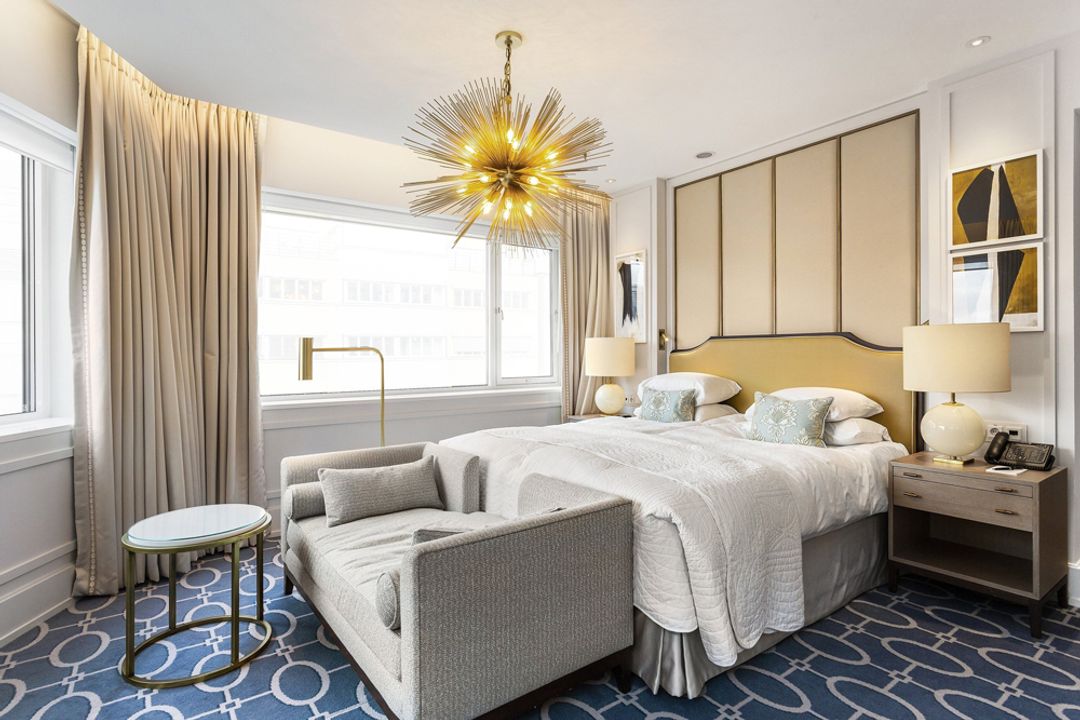
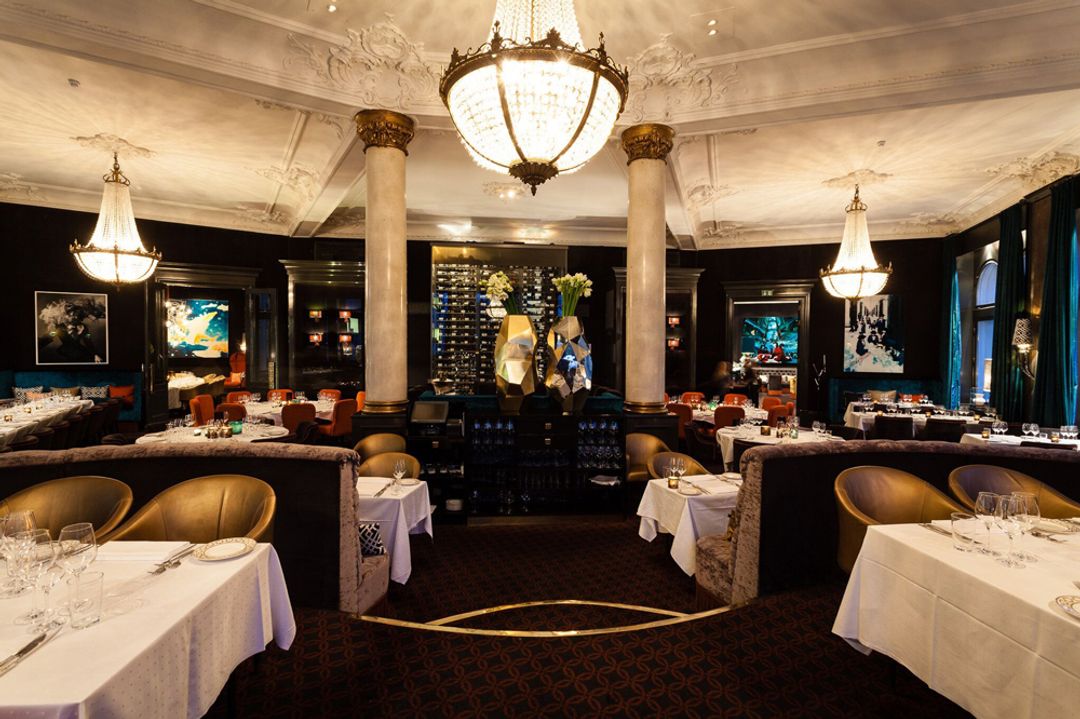
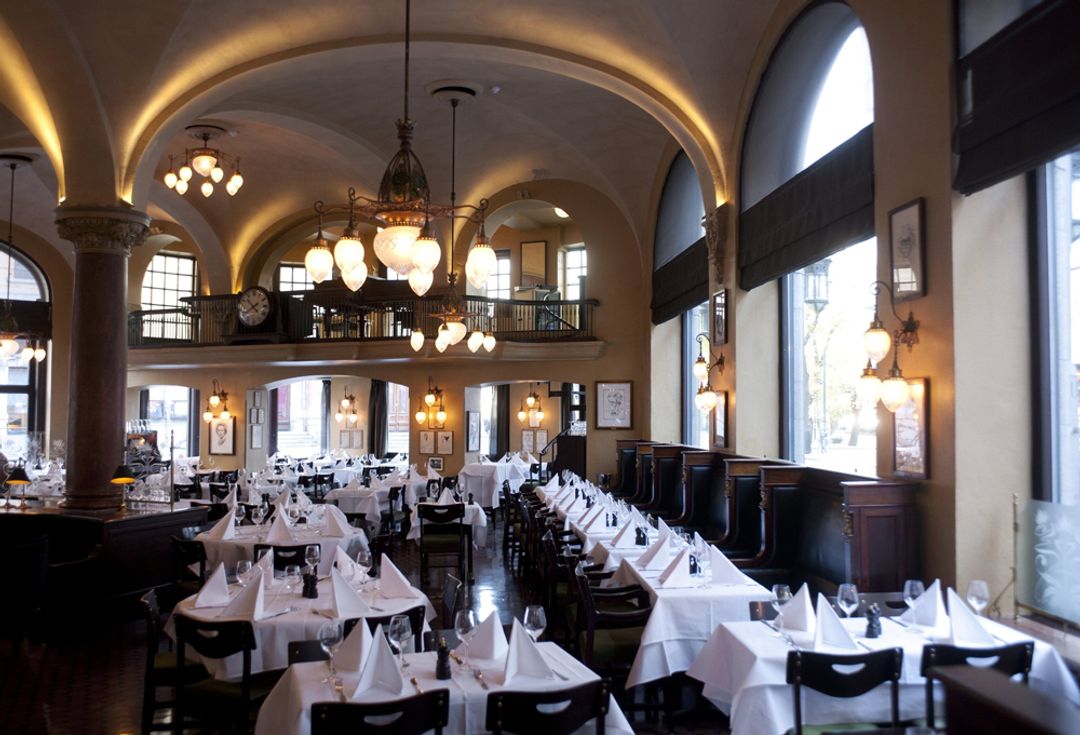
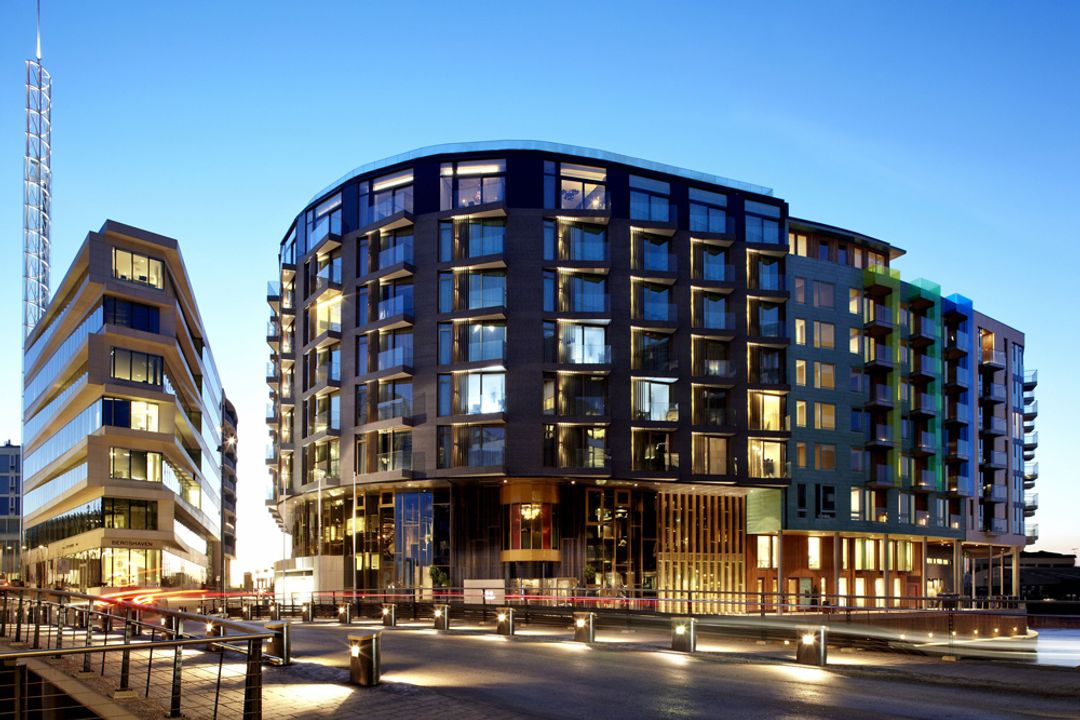
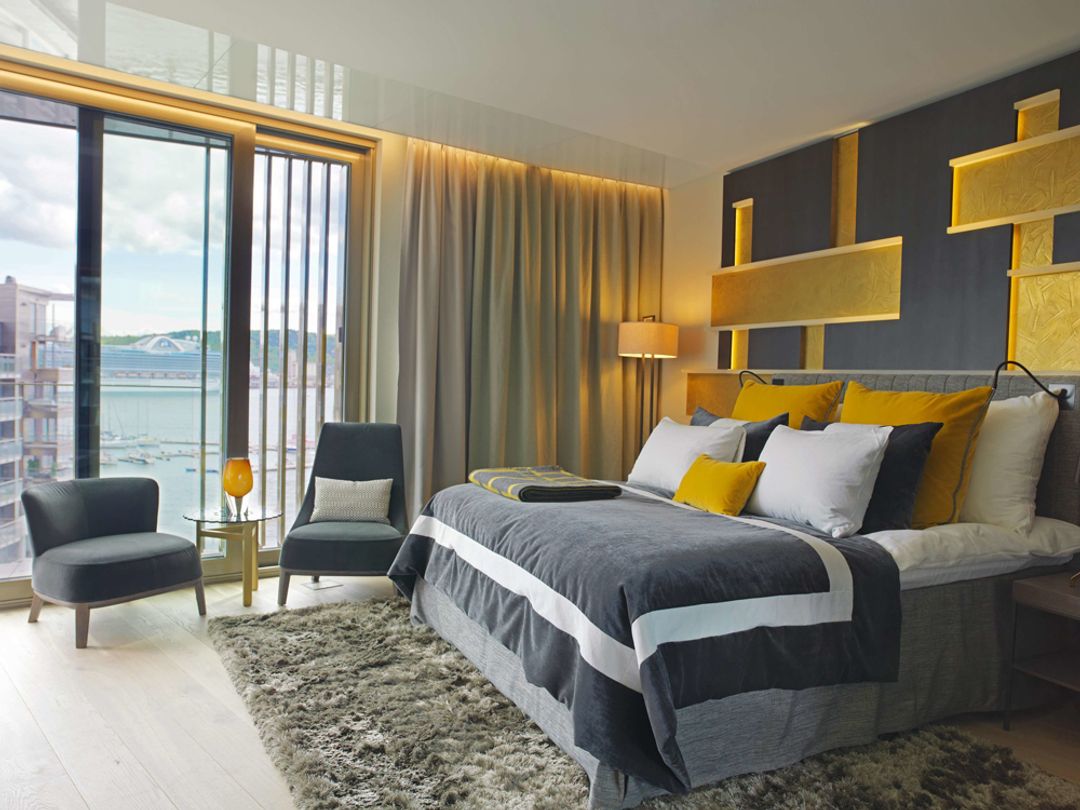
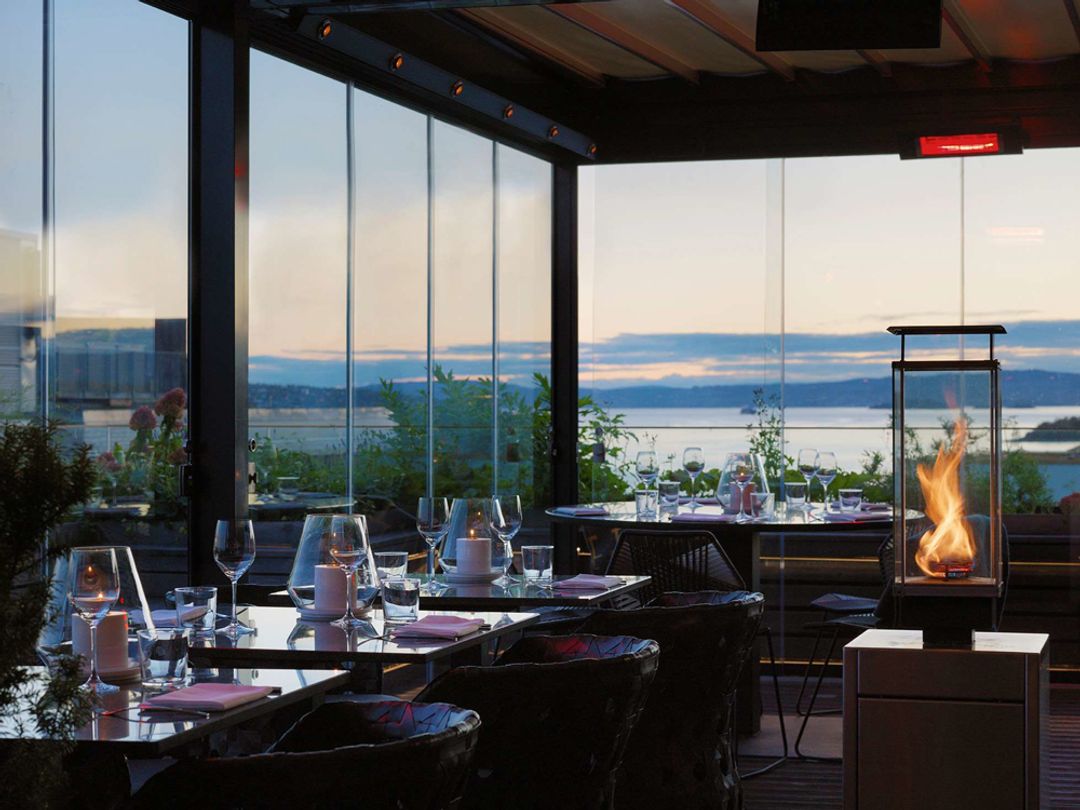
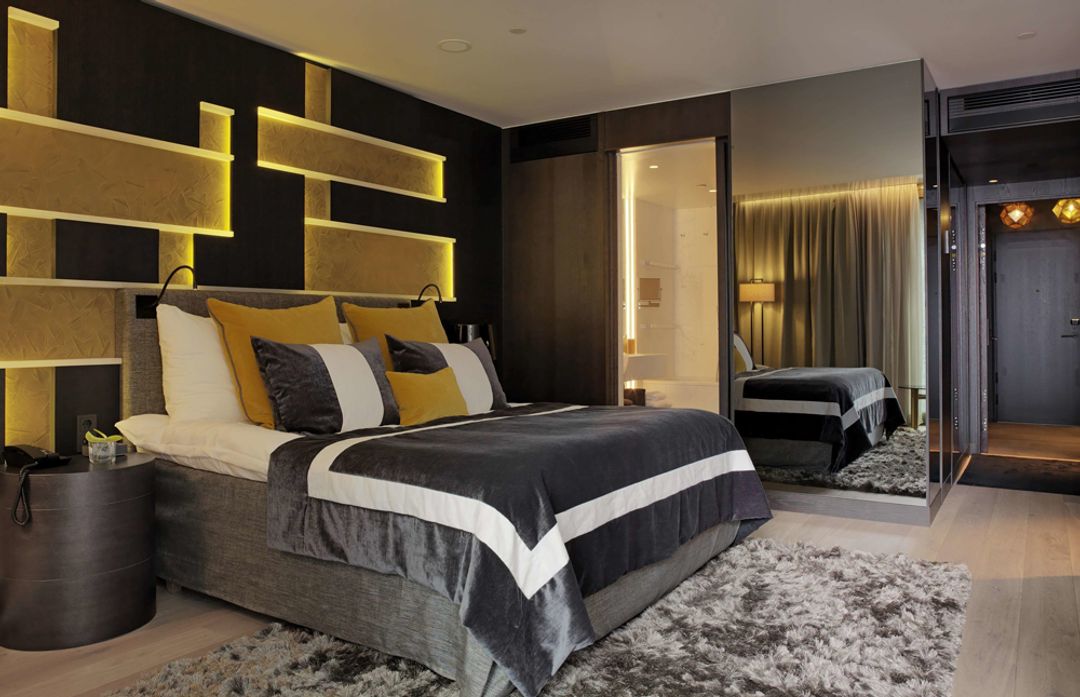
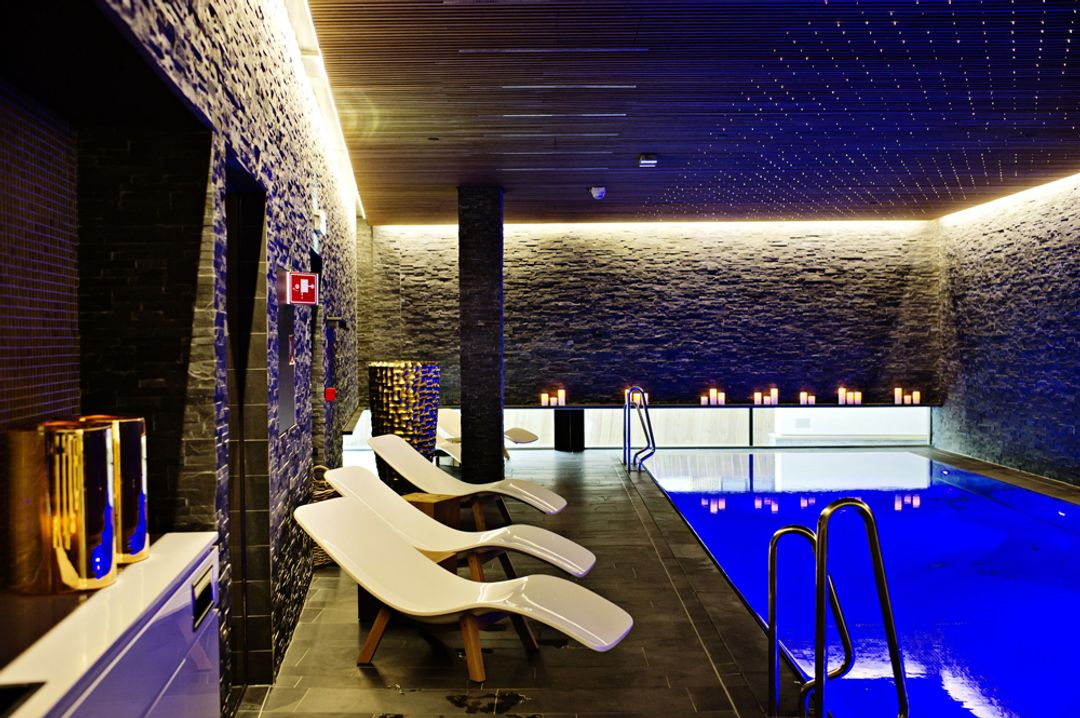
Oslo rewards the design-conscious traveler who arrives with patience. The city's relationship with its own waterfront has been in active renegotiation for decades — the Fjordbyen project, which reclaimed former industrial and port land along the Oslofjord, produced the Opera House (Snøhetta, 2008) and catalyzed a shift in how Norwegians imagine public space. That same impulse toward civic reinvention shaped where the most interesting places to stay ended up. The Thief occupies Tjuvholmen — Thief Islet — a purpose-built art and residential quarter at the tip of that reclaimed waterfront, designed by Renzo Piano Building Workshop as a mixed-use urban fragment. The hotel itself, which opened in 2013 with interiors by Space Group, carries the weight of its setting deliberately: the collection of original artworks throughout the property is curatorial in intent rather than decorative, and the relationship between the guest rooms and the fjord beyond reads as genuinely considered rather than incidental. At $343 a night it sits in a comfortable middle register for what it delivers. Back in the city center, Hotel Continental holds a different kind of authority — an institution rather than a project, operating since 1900 from its position on Stortingsgata opposite the National Theatre. The building's Belle Époque bones have been maintained with more restraint than sentiment; this is the hotel where Norwegian cultural life has long been conducted, and the Theatercaféen remains one of the few dining rooms in northern Europe that functions as both a genuine local institution and a worthy architectural experience in its own right. At $390, it is the highest-priced property of the three, and the one that most rewards guests who understand what they are paying for. Amerikalinjen takes its name and identity from a more specific piece of Oslo's past: the building served as the Norwegian America Line's departure terminal, the point from which emigrants sailed to the United States in the early twentieth century. Restored and reopened as a hotel in 2019, it occupies a dignified Classicist structure on Jernbanetorget and has been handled with considerable care — the public spaces retain enough of their original character to make the history legible without turning the whole thing into a period exercise. At $249 it represents the sharpest value of the three, and for travelers whose instinct is toward embedded urban history over waterfront spectacle, it makes a compelling case.