Best hotels in Lake Titicaca, Peru | Visually Compare Top Stays Side-by-Side
Welcome to PressBeyond - a curated visual guide to design-driven hotels and the fastest way to compare them.
An Overview of the Boutique & Luxury Hotel Landscape in Lake Titicaca, Peru
Lake Titicaca sits at 3,812 meters above sea level on the Altiplano, a landscape so stripped of conventional reference points that the usual categories of architecture, comfort, and place begin to feel unstable. The light here is unlike anything at lower altitude — harder, colder, more present — and the lake itself, shared between Peru and Bolivia, reads less like a body of water than a second sky pressed flat against the earth. The Uros floating islands, constructed from totora reeds and continuously rebuilt by the communities who live on them, represent one of the most radical and pragmatic approaches to habitation in South America: architecture as ongoing maintenance, as daily negotiation with a living material. The town of Puno, on the Peruvian shore, is a working port city rather than a resort corridor, its streets organized around commerce and the rhythms of the altiplano rather than tourism infrastructure.
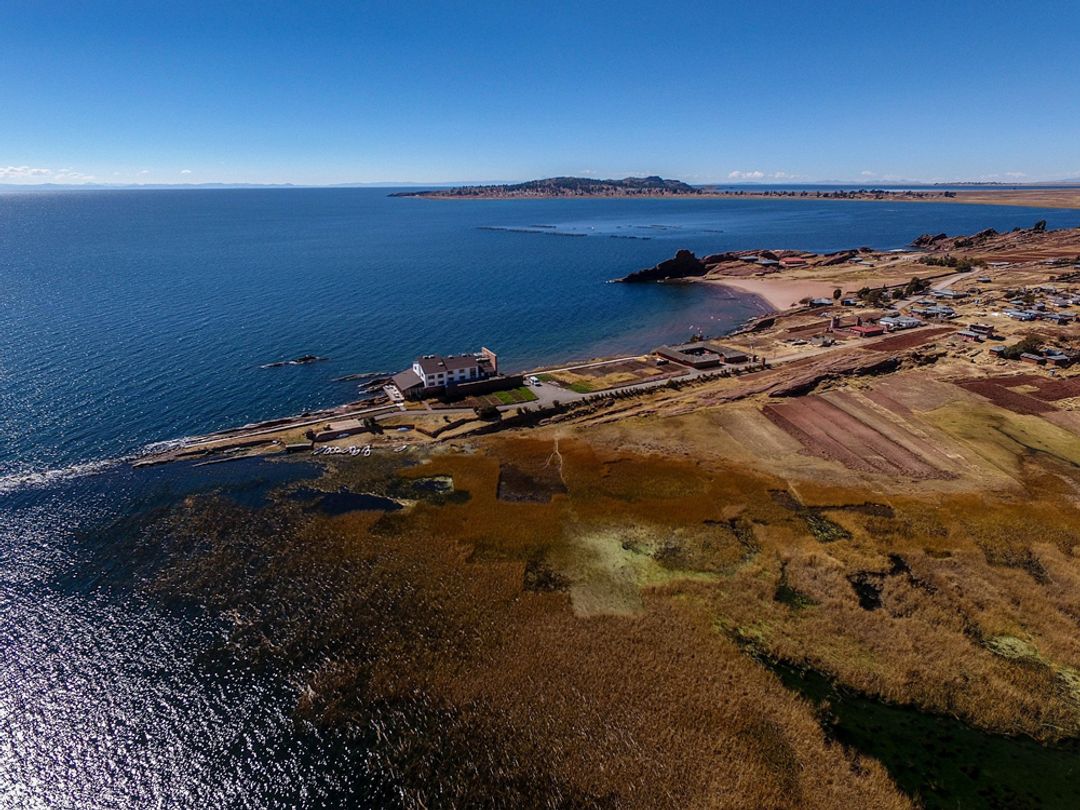
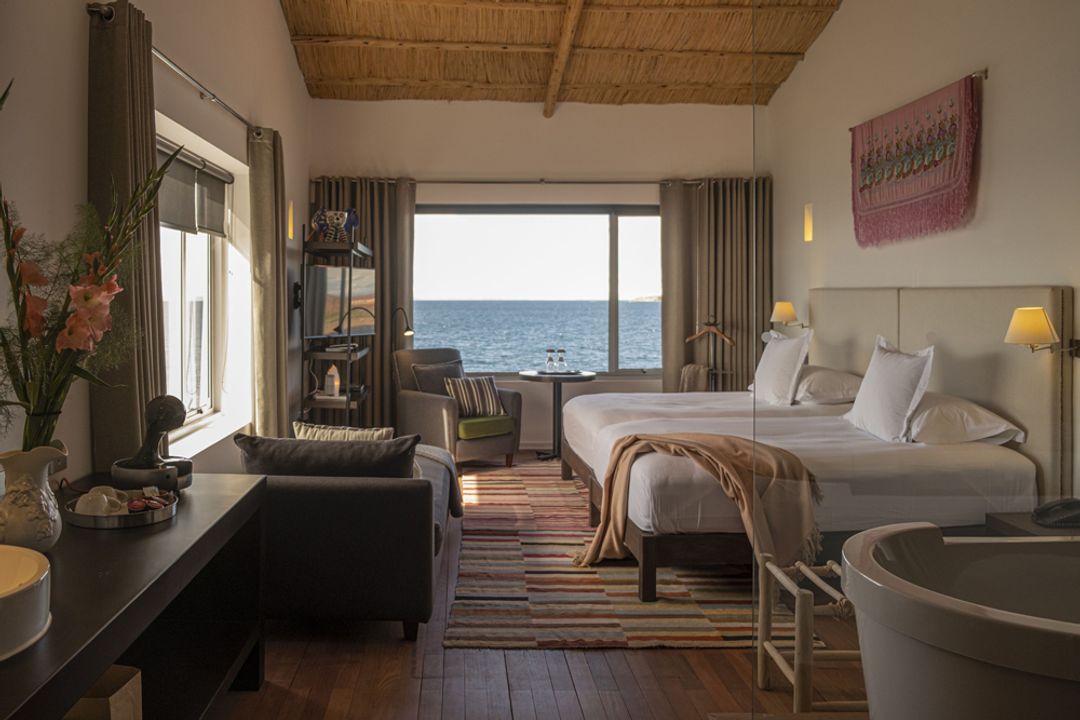
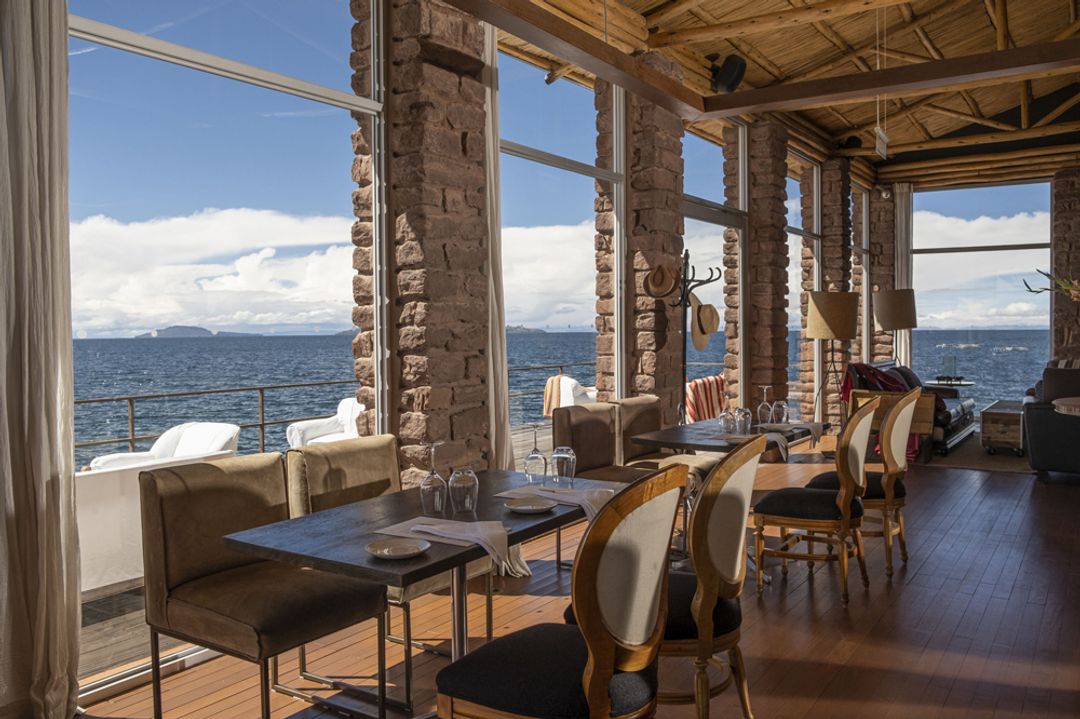
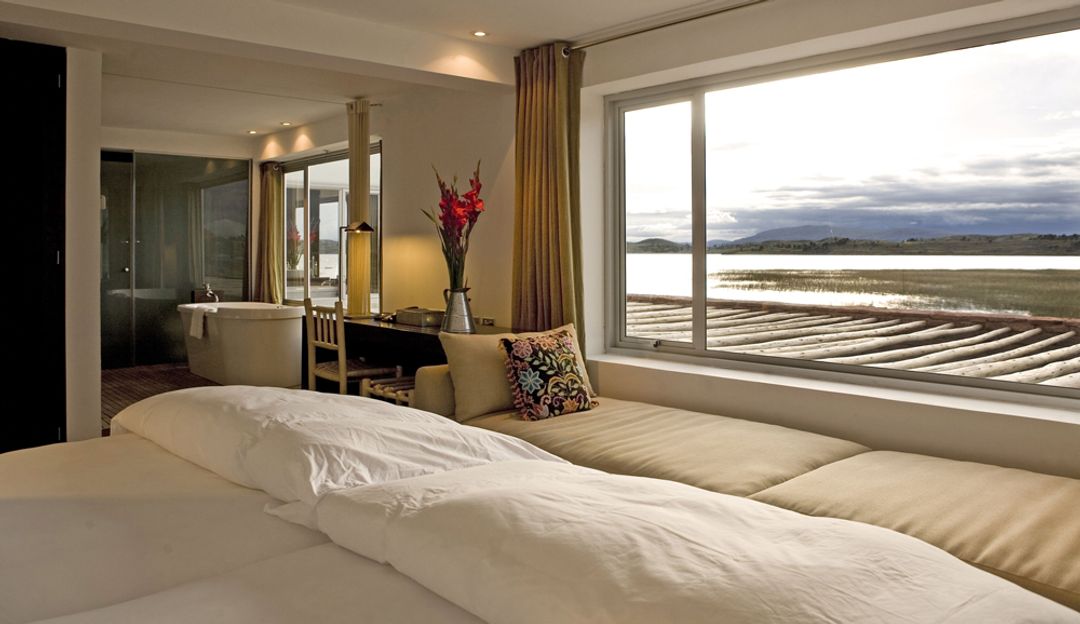
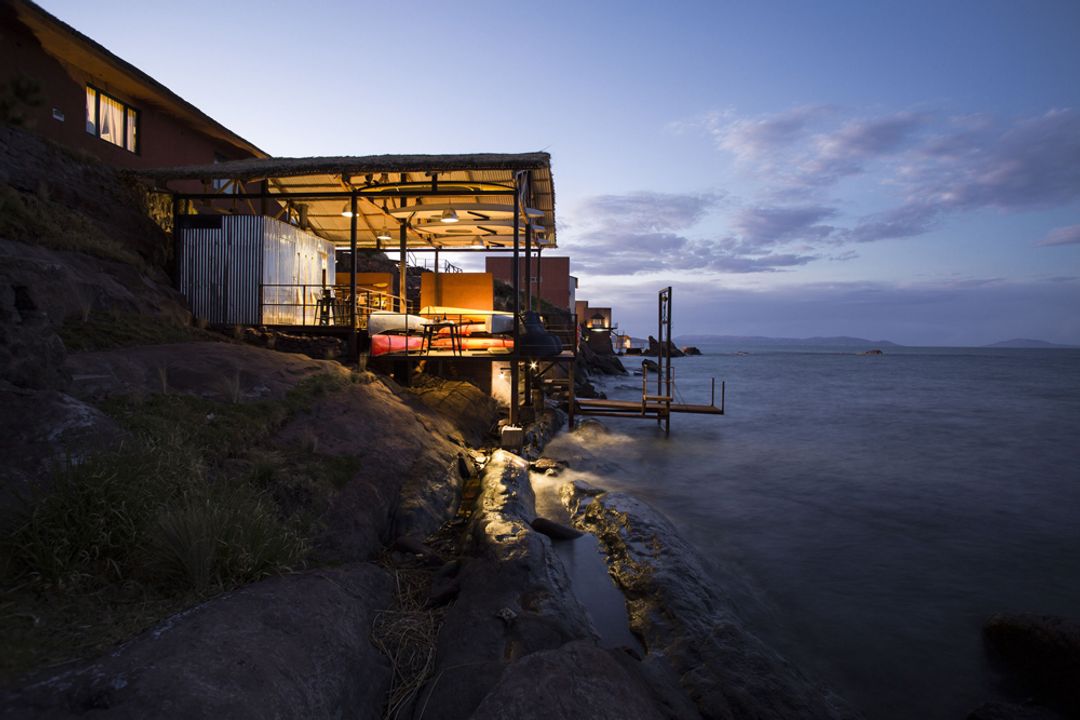
Titilaka, a property set on its own private peninsula jutting into the lake near Puno, is the specific and well-reasoned answer to how to stay here. The lodge was designed to sit low against the water, its horizontal profile deferring to the scale of the lake rather than asserting itself against it. Inside, the interiors work with local materials and textiles, keeping the palette close to the colors of the altiplano: dusty earth tones, woven wool, the particular blue-grey of the water seen on a cloudy afternoon. The all-inclusive model matters here not as a marketing convenience but as a practical fact: at this altitude, in this remoteness, having guides, boats, and meals arranged is the difference between a coherent experience and a logistical struggle.
What Titilaka understands, and what makes it worth the rate, is that the destination itself is the point. The hotel functions as a base for encounters that have nothing to do with hotel amenities: mornings on the Uros islands, visits to Taquile where textile traditions carry UNESCO recognition, crossings on the water at an altitude where the cold comes from every direction at once. The architecture earns its place by not competing with any of this. For a traveler who has already been to the predictable Andean destinations and wants the one that feels genuinely unrepeatable, the lake and this peninsula are where that search ends.