Where

PressBeyond Logo

Best hotels in Palawan, Philippines | A Curated Visual Guide to Top Stays

Welcome to PressBeyond, the ultimate curated visual guide for design-driven hotels! My name is Will Miller and this is my recommendation for the best boutique and luxury hotel in Palawan, Philippines.

I am the founder of PressBeyond and I am an ultra-meticulous hotel curator who loves clean visuals. I have individually analyzed and tiered the hotel included in this guide based on a variety of criteria (architecture & design, location, brand & brand affiliation, existing reviews, and my own personal experiences), and importantly, I have hand-selected the leading imagery for this hotel to provide you with easily-digestible, yet detailed and complete, like-for-like, high-level visual profiles. I felt this summarization step was a critical missing piece across existing guides, blogs, and booking platforms. My aim is to make it easier for people to identify hotel environments that resonate with them, along with enabling them to visualize the types of social experiences that those environments help foster. My brain doesn't work when exposed to cluttered content, so my goal was to create the opposite.

Underneath this, we are also a full booking engine offering 5% Venmo cash back along with other exclusive perks. For all of you design-obsessed hotel enthusiasts out there, I hope this guide helps get you to where you see yourself!

An Overview of the Boutique & Luxury Hotel Landscape in Palawan, Philippines

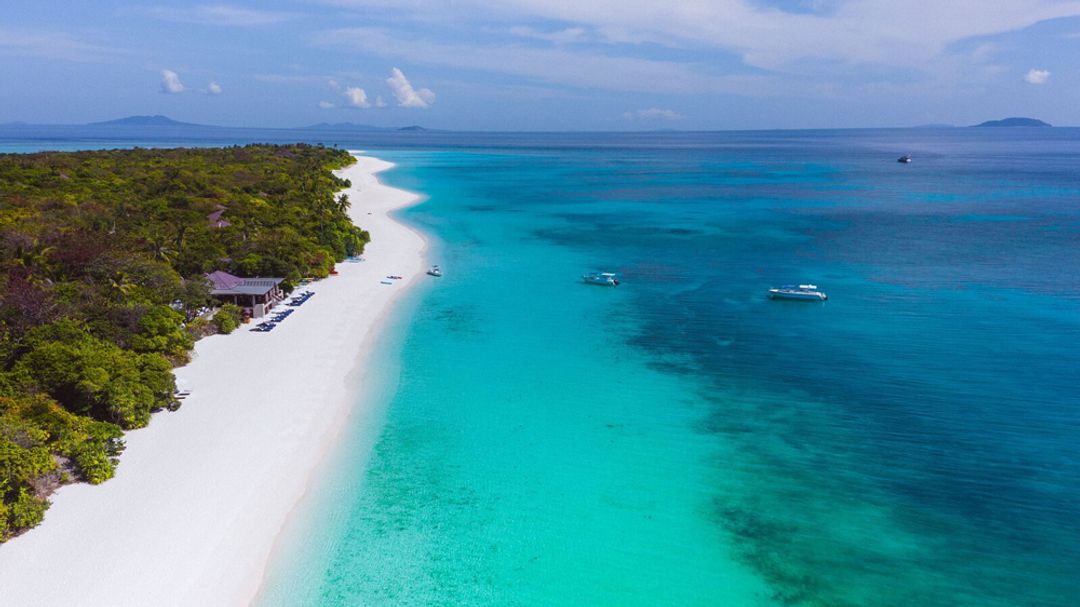
Palawan is the kind of place that defeats conventional hotel thinking almost immediately. The archipelago stretches over 1,800 kilometers of Philippine coastline — limestone karsts rising from shallow seas, coral-fringed sandbars dissolving into the Sulu and South China Seas — and the question of where to stay becomes less about neighborhood and more about which island, which approach, which particular register of remoteness you are willing to commit to. Architecture here answers not to urban precedent but to ecology: structures either work with the reef systems and forest canopy beneath them or they fail in ways that are immediately visible. Amanpulo, occupying the whole of Pamalican Island in the Cuyo archipelago, has been making that argument since 1993, when Aman opened the property as one of its earliest Asian outposts. The master plan by Ed Tuttle — who shaped the Aman aesthetic across much of its early estate — places 42 casitas and pavilions along two beach strips and through the island's interior forest, each raised on platforms to minimize ground disruption. The architecture draws from Filipino vernacular forms: deep overhanging eaves, exposed hardwood, woven textures, pitched roofs that read as abstracted bahay kubo. There is no irony in this reference, no resort-pastiche quality — Tuttle's detailing is too considered for that. The overall effect is of genuine restraint, of a built environment that defers to the canopy rather than competing with it. Access is by Aman's own aircraft from Manila, which removes the property almost entirely from the logic of incremental travel — you arrive already inside the experience. What this means practically is that Amanpulo functions less like a hotel you check into and more like a private island you temporarily inhabit. For a design-conscious traveler, the interest lies not just in the rooms themselves but in how the site plan manages scale: casitas are spaced far enough apart that the island never feels populated, the beach club is the only concession to anything approaching density, and the integration of the coral reef as a protected house reef gives the whole property an ecological coherence that more recent eco-resort developments have borrowed from liberally but rarely matched. If you are coming to Palawan for one stay, and it can only be one, the case for Pamalican is a strong one.

Book with PB and get cash back
Amanpulo - Image 1
Amanpulo - Image 2
Amanpulo - Image 3
Amanpulo - Image 4
Amanpulo - Image 5

Amanpulo

Palawan, Philippines • Pamalican Island • OVER THE TOP

avg. $1,478 / night

Includes $78 / night in cash back

Cash back is redeemable via Virtual Visa, Venmo, or bank transfer starting 24-48 hours after check-out

Amanpulo Design Editorial

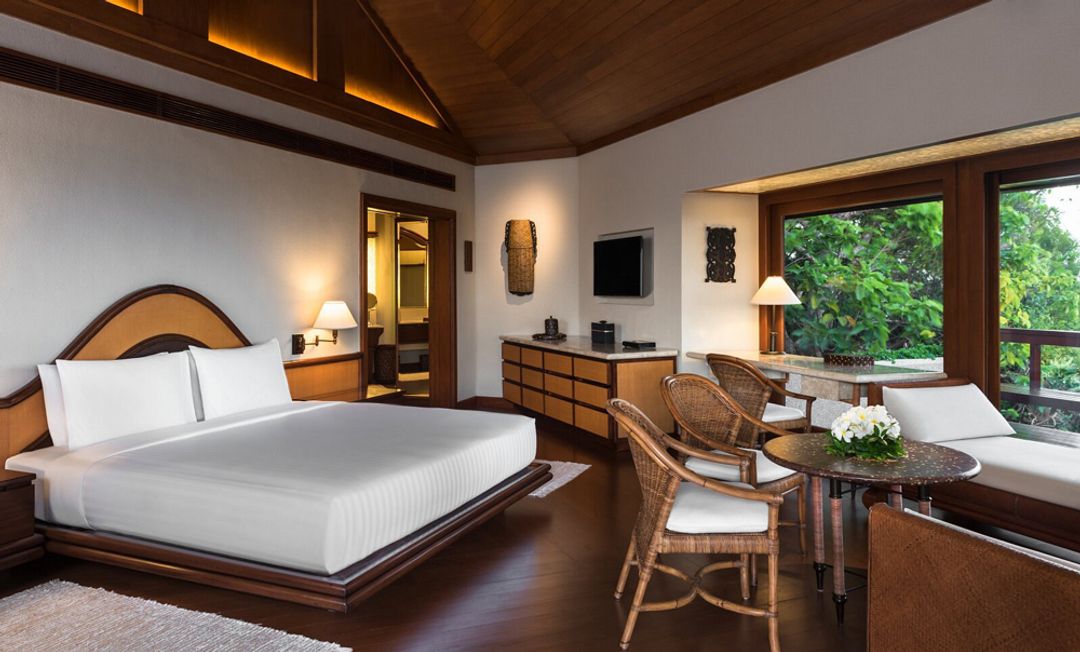
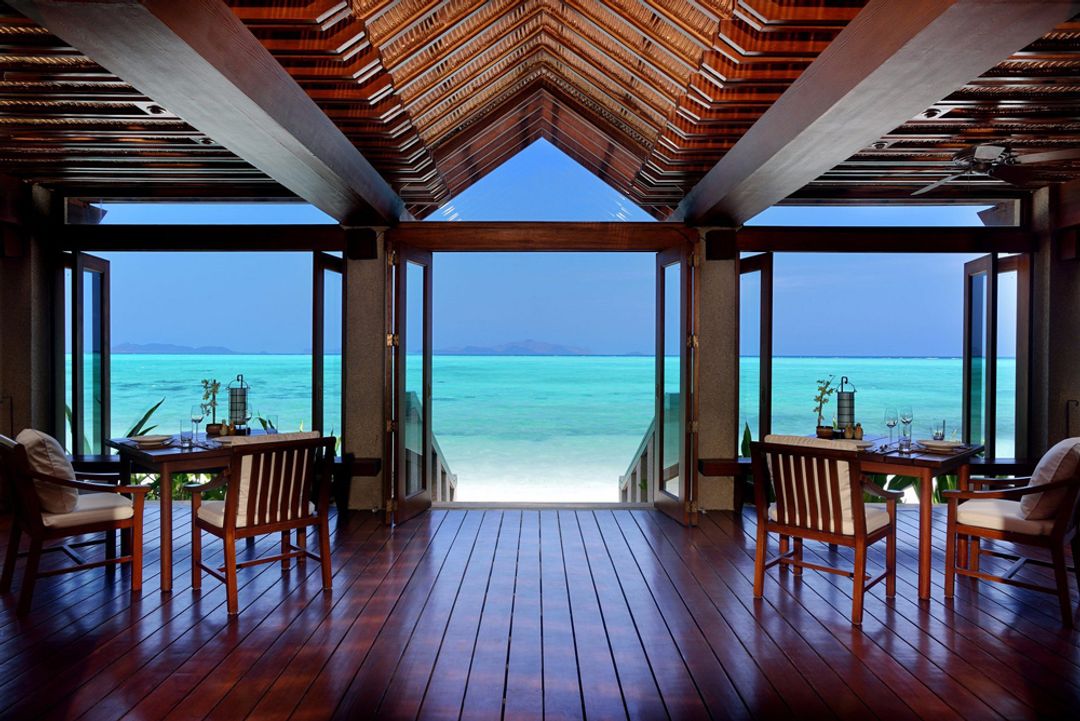
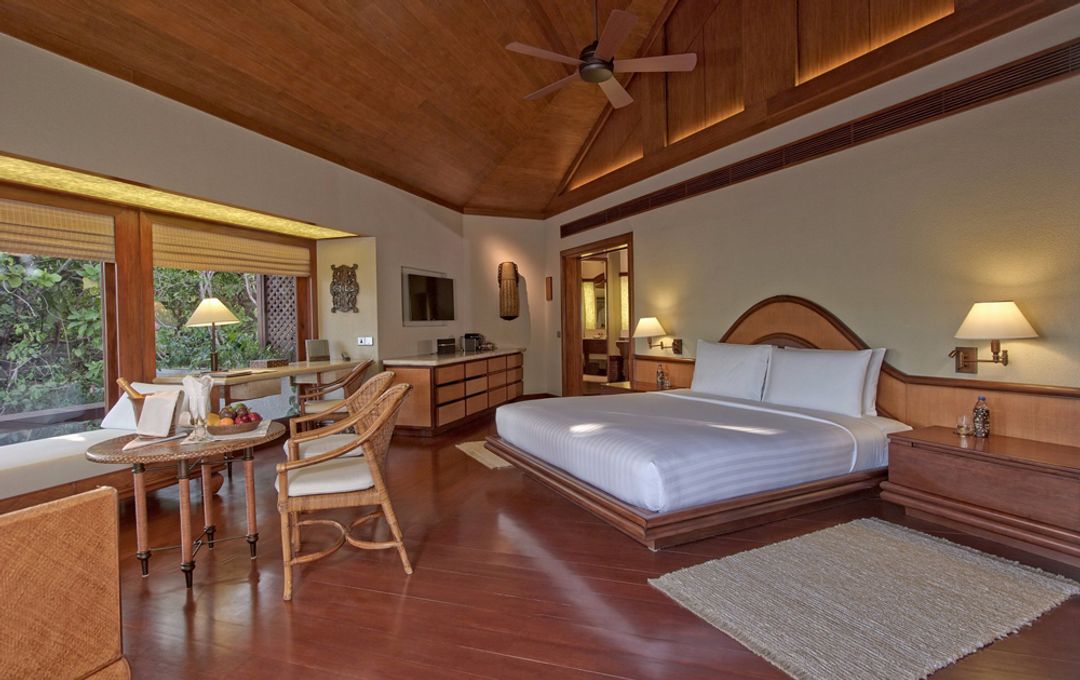
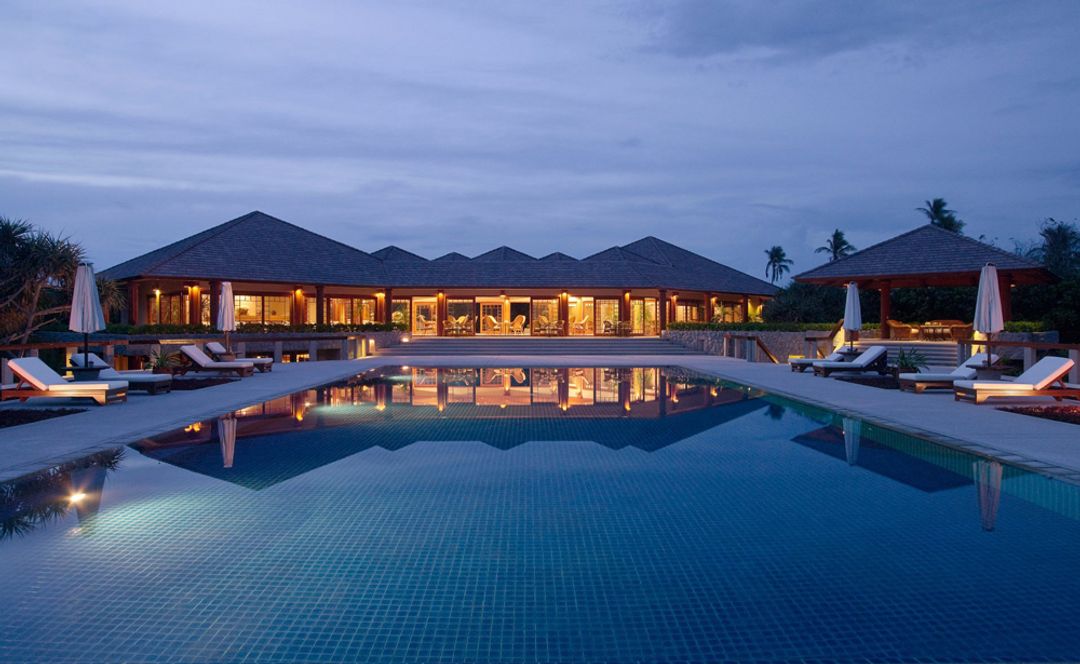
Pamalican Island in the Sulu Sea — a private atoll ringed by one of the Philippines' most intact coral reef systems — was chosen by Aman founder Adrian Zecha and architect Ed Tuttle in 1993 as the site for Amanpulo, a resort whose central design problem was how to place forty casitas within a protected forest without the buildings ever announcing their presence from the beach. Tuttle's solution was characteristically restrained: low-pitched hip roofs clad in grey shingle rise just above the treeline, the main pavilion complex sitting parallel to the sand in a serene rhythm of repeated gabled forms that mirrors the aeriel silhouette of the island itself. At dusk, the pool pavilion glows amber against the blue hour, its reflection dissolving into the mosaic-tiled water below. Inside the casitas, Tuttle's idiom draws on a vocabulary of Philippine craft traditions filtered through his Paris-trained sensibility — dark hardwood floors burnished to a deep reddish brown, vaulted teak ceilings with recessed amber cove lighting, rattan and cane chairs around inlaid mosaic side tables, and low platform beds framed in curved mahogany headboards. The dining pavilion's folding timber-framed glass panels retract entirely to merge interior and beach, a V-truss ceiling of woven bamboo overhead directing the eye straight out to the turquoise shallows. Every material choice reinforces the same argument: that the architecture should feel earned by its landscape rather than imposed upon it.

Best hotels in Palawan, Philippines | A Curated Visual Guide to Top Stays