Best hotels in Alentejo, Portugal | Visually Compare Top Stays Side-by-Side
Welcome to PressBeyond - a curated visual guide to design-driven hotels and the fastest way to compare them.
An Overview of the Boutique & Luxury Hotel Landscape in Alentejo, Portugal
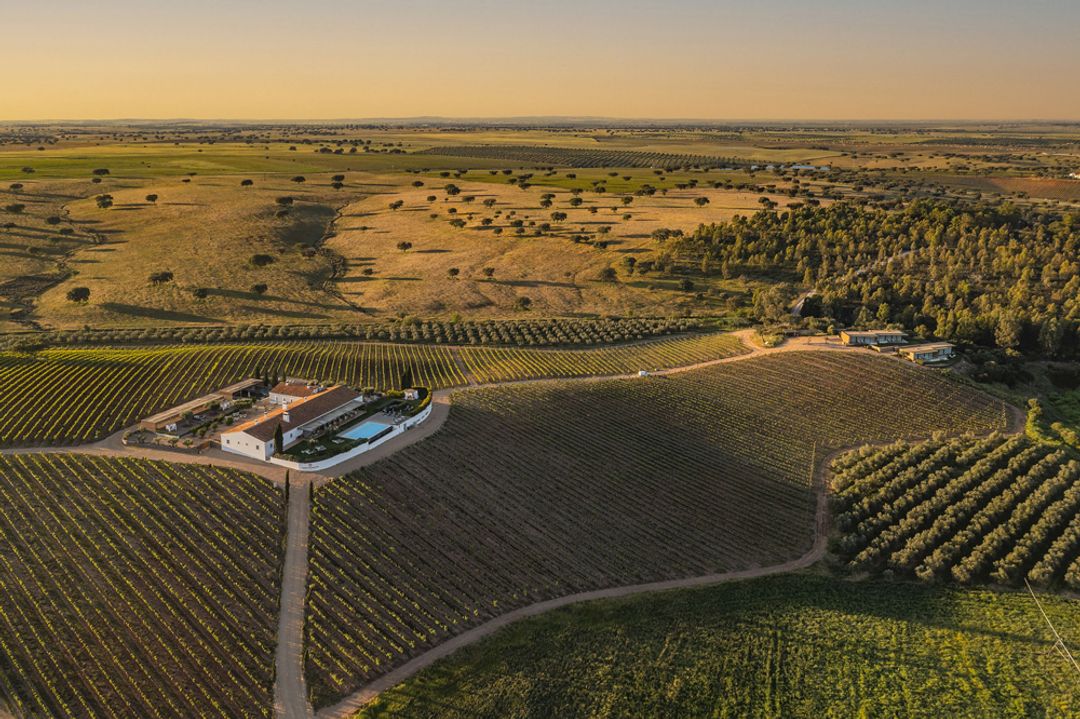
The Alentejo unfolds across a landscape so insistently horizontal that the architecture eventually surrenders to it. Whitewashed villages sit low against cork oak and olive groves, the light comes in at a long angle for most of the day, and the dominant building material for centuries has been the same rough stone pulled from the ground underfoot. It is a region where staying somewhere well-designed means staying somewhere that has understood this pressure from the land, not fought it.
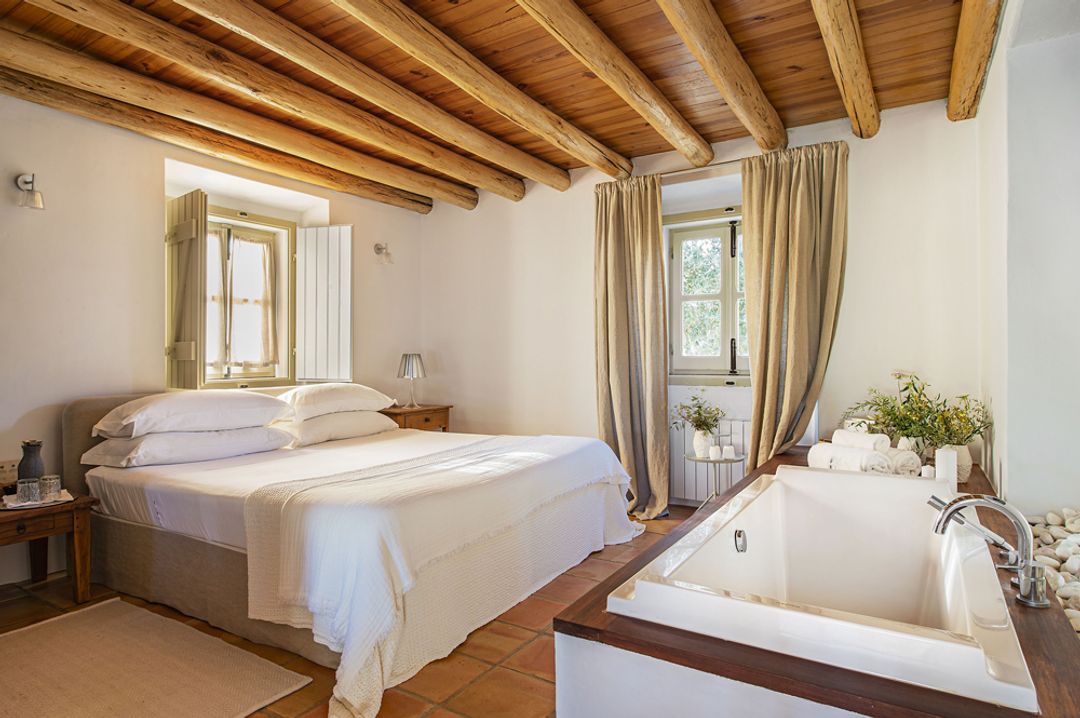
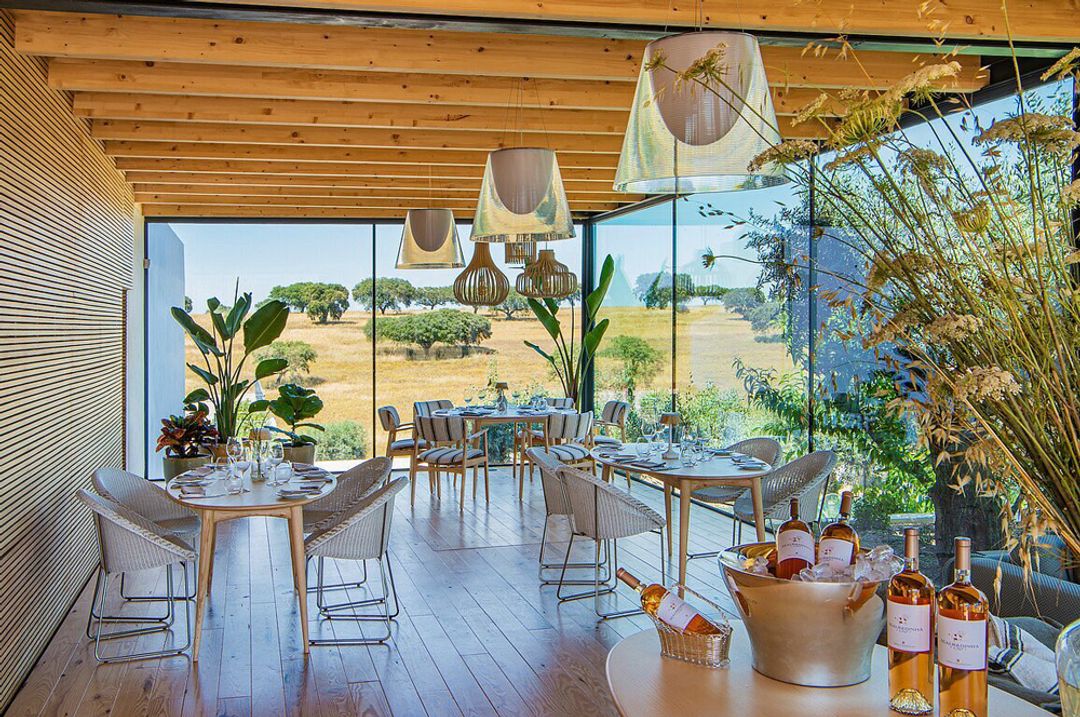
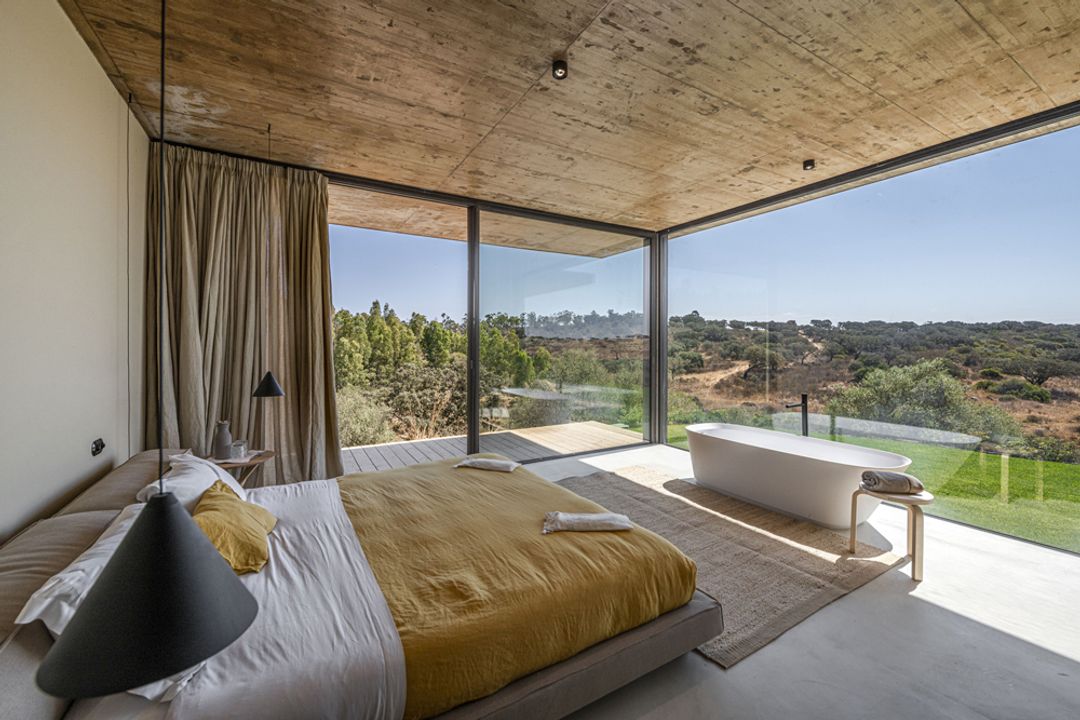
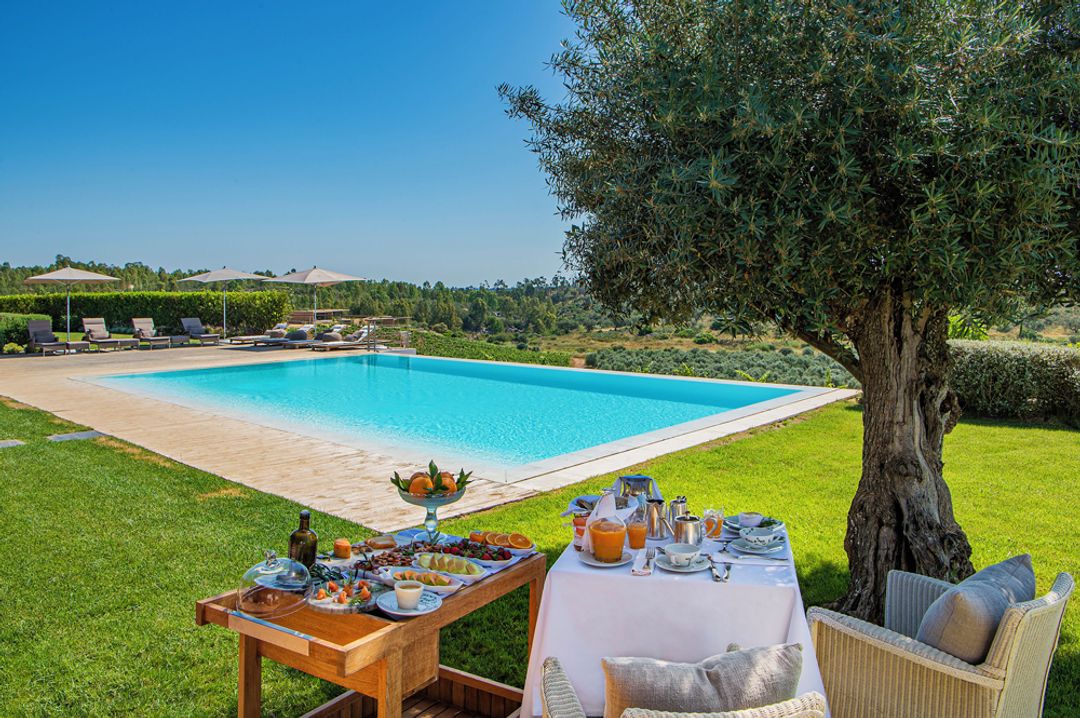
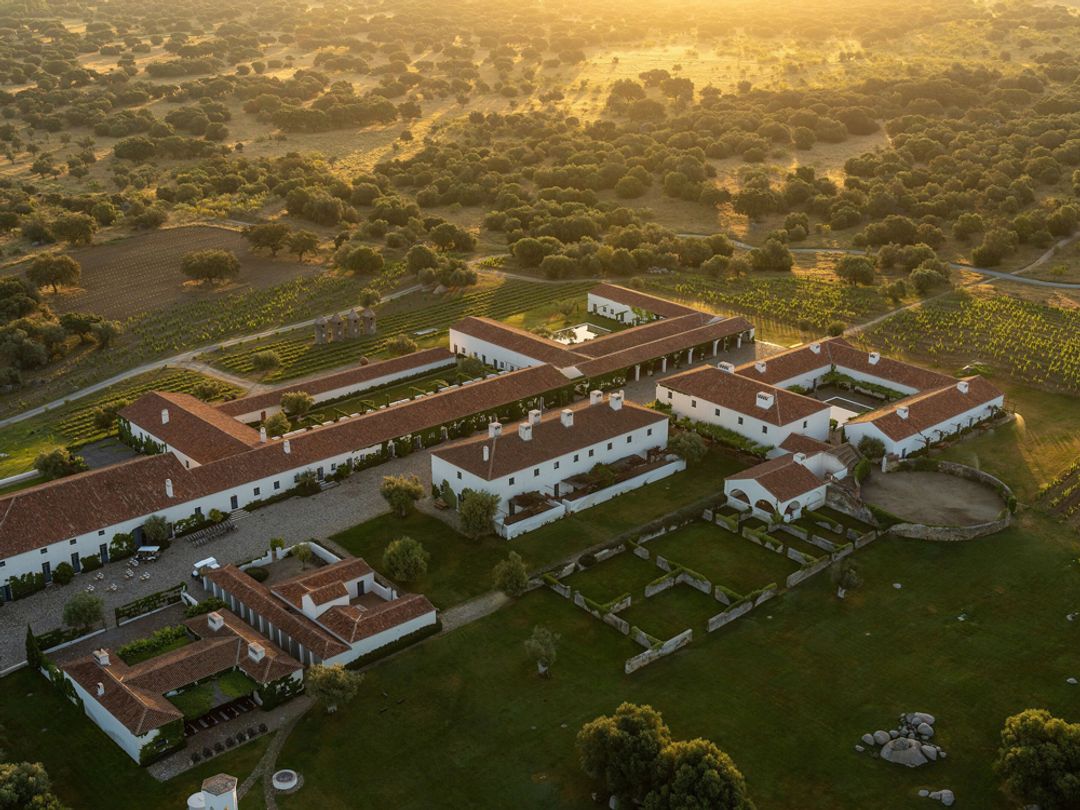
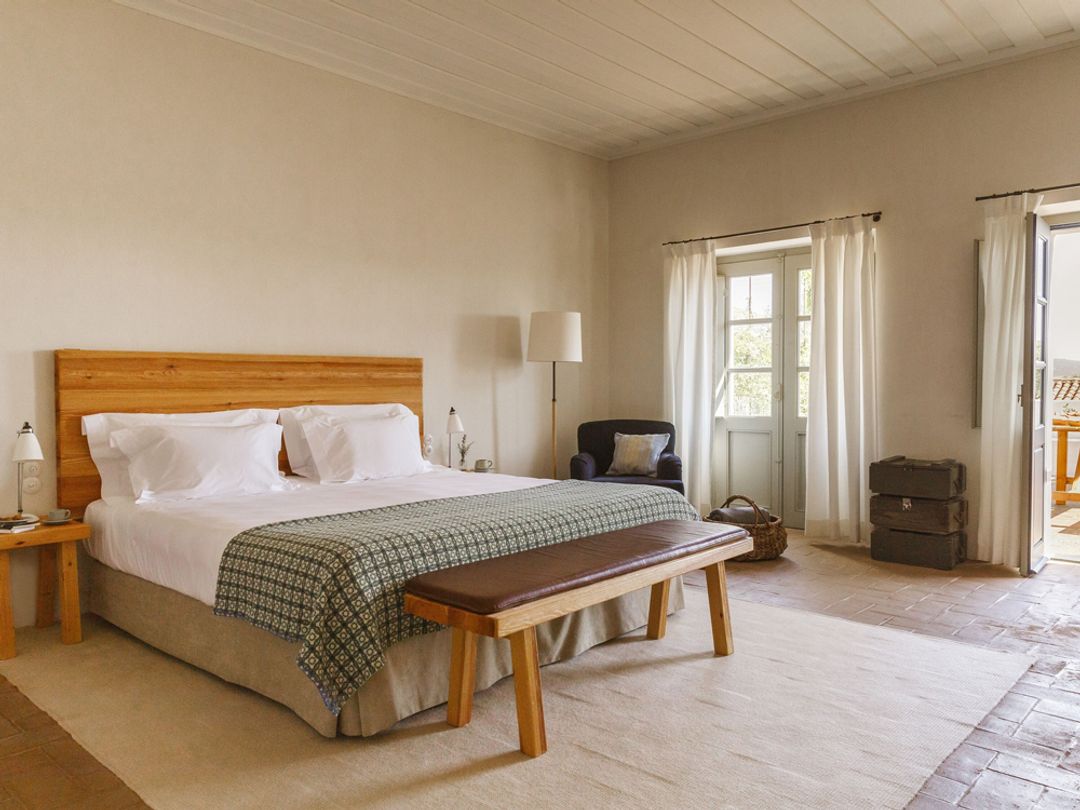
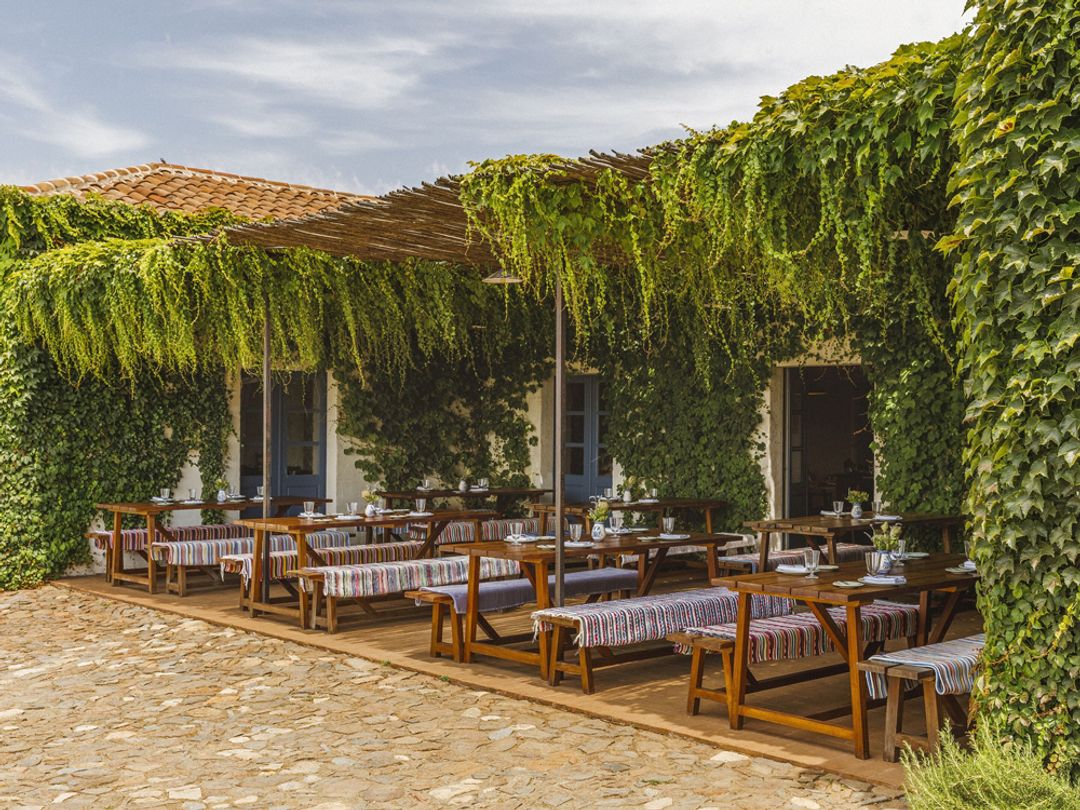
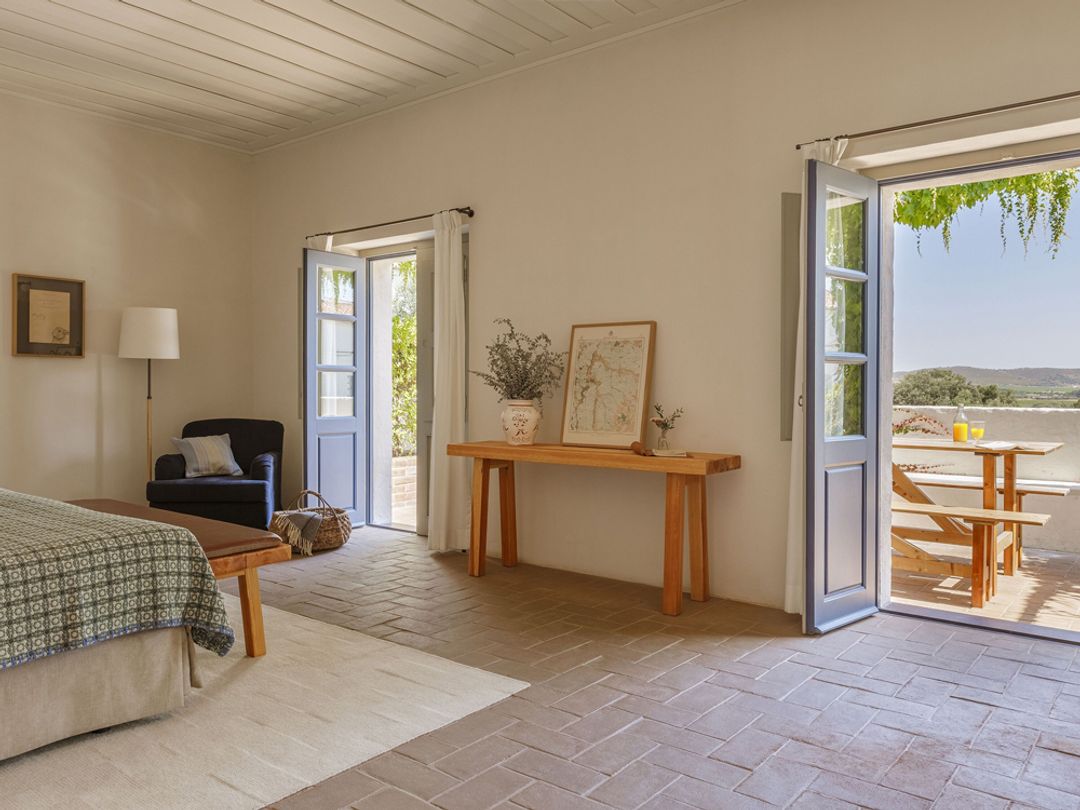
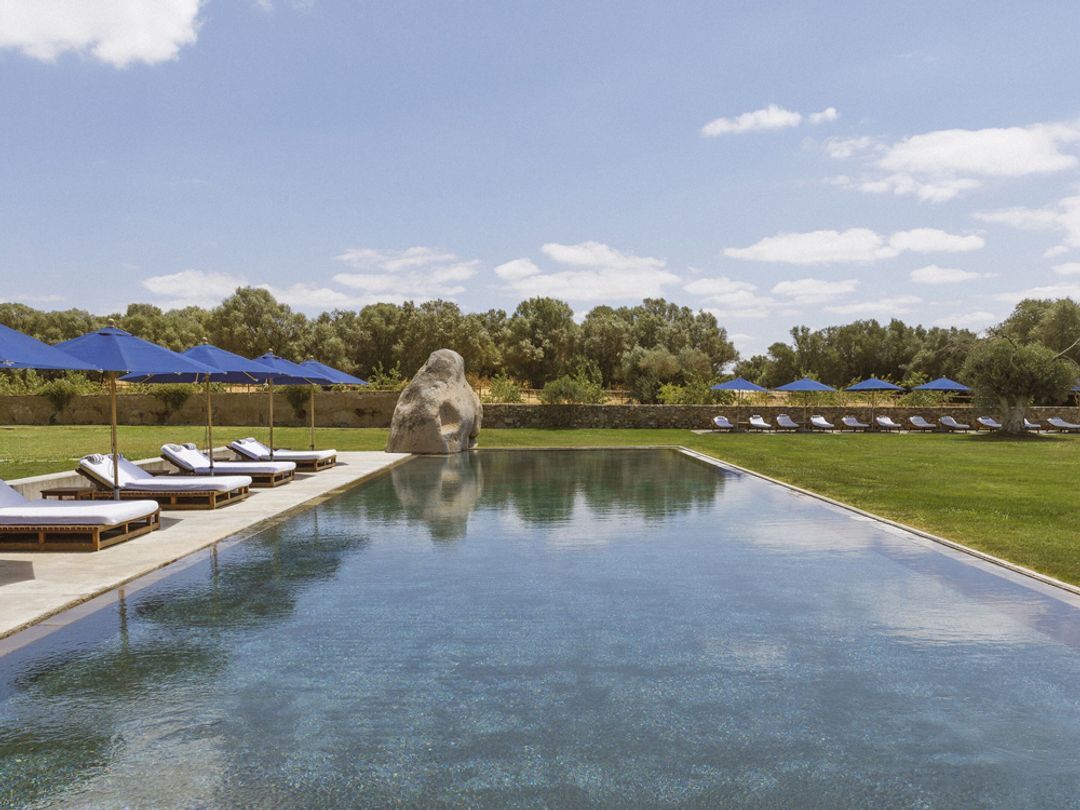
São Lourenço do Barrocal, set above the village of Monsaraz near the Spanish border, is probably the clearest expression of that understanding available anywhere in Portugal. The property is a working agricultural estate dating to the early nineteenth century, and the intervention by architect Eduardo Souto de Moura, completed in 2016, is one of the more serious acts of rural hospitality architecture in recent European memory. Souto de Moura left the bones of the estate visible, restoring a sequence of low schist and whitewash farm buildings rather than erasing them, and the result reads as a village within a village, the Alqueva reservoir and the medieval hill town of Monsaraz holding the view on either side. Herdade da Malhadinha Nova, outside Albernoa in the southern Baixo Alentejo, takes a warmer and more personal approach to the same premise: a family-run wine estate where contemporary interiors sit inside traditional structures, and where the connection between the table, the cellar, and the surrounding vines is handled with unusual seriousness. Both properties ask their guests to slow down considerably, which is not incidental to the experience but central to it.
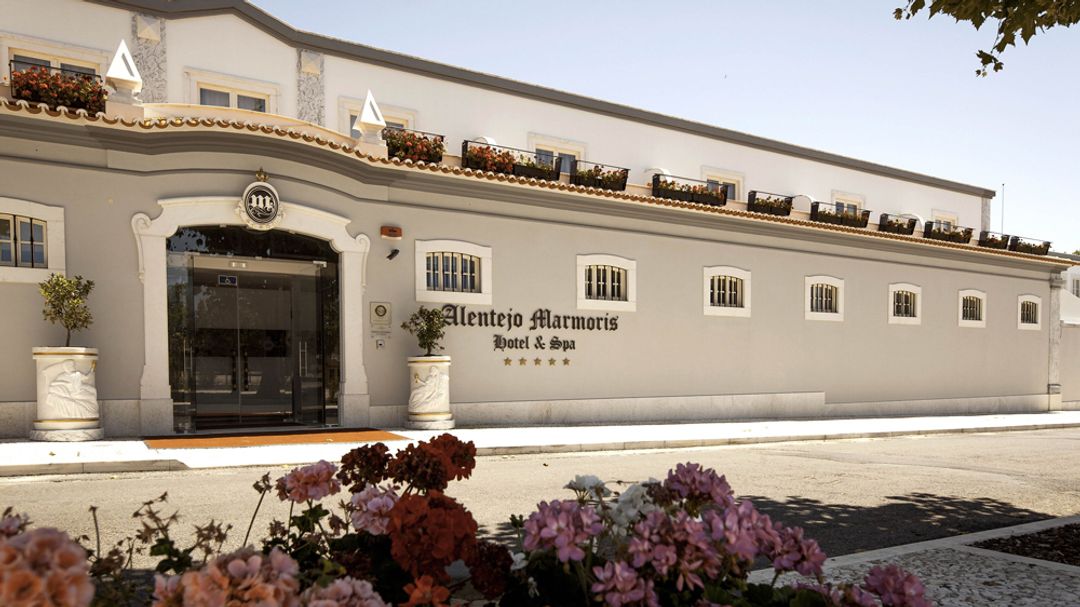
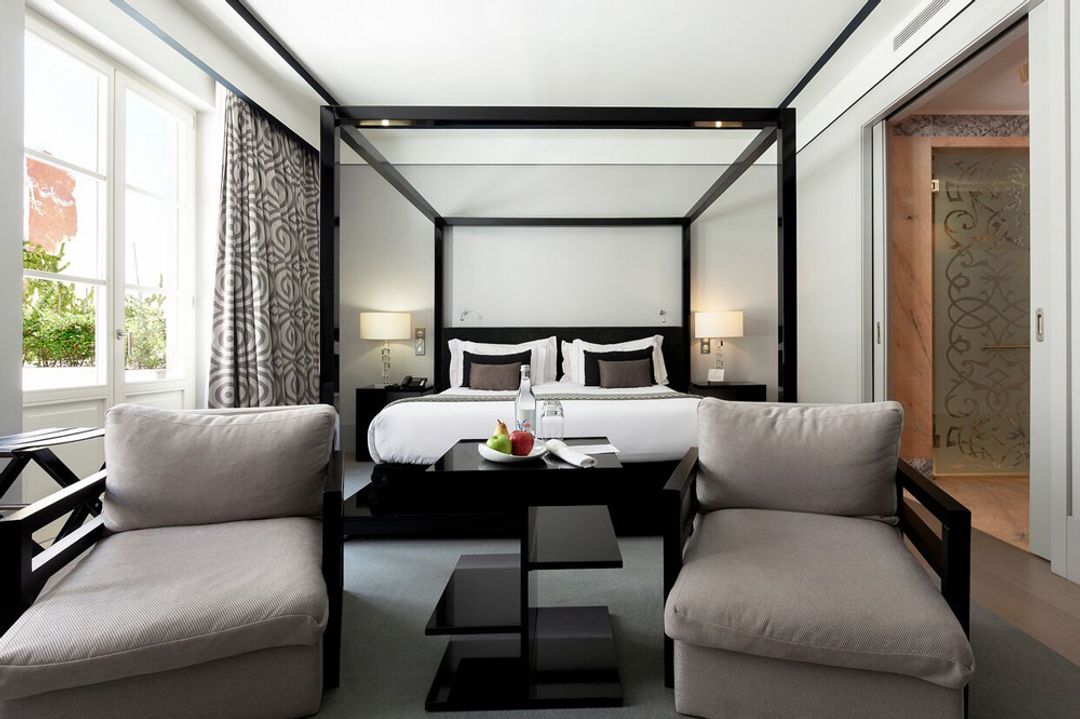
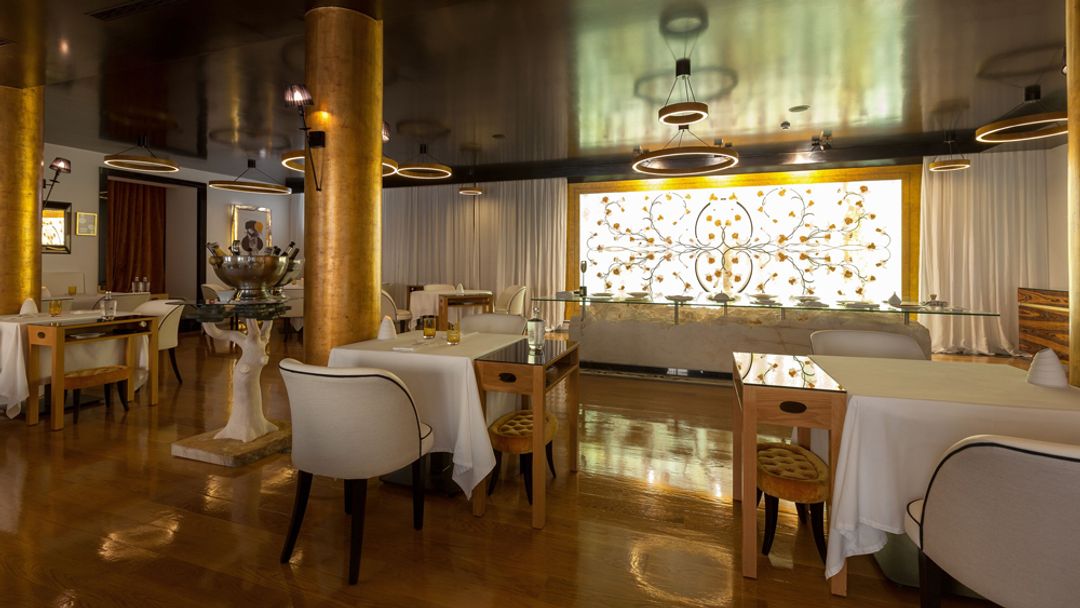
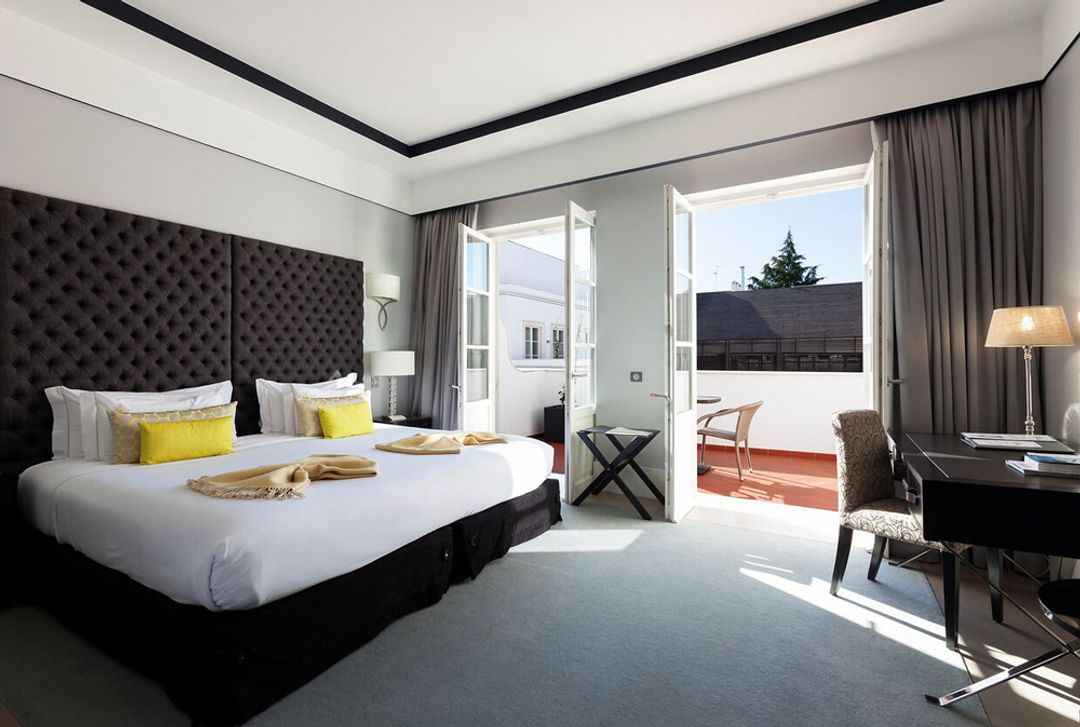
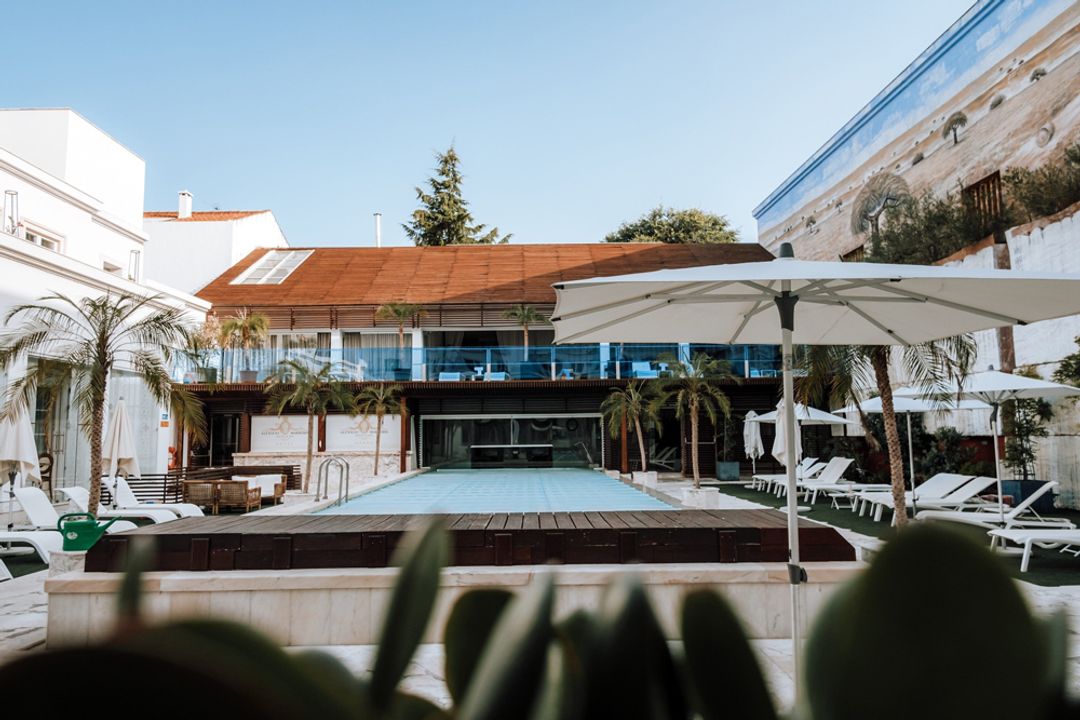
Alentejo Marmoris Hotel and Spa in Vila Viçosa operates in a different register entirely. Vila Viçosa is marble country, the source of the pale stone that lines the floors of the Ajuda Palace in Lisbon and much of monumental Portugal, and the hotel takes that material as its point of departure rather than its decoration. The spa in particular makes the geology of the place felt in a way that avoids the obvious. At a considerably lower price point than the estate properties, it suits the traveler who wants a town to walk into at the end of the afternoon rather than pure pastoral immersion. Together, these three properties do not cover the Alentejo comprehensively, but they trace its essential registers: the agrarian estate, the wine farm, and the marble-quarried market town.