Best hotels in Sintra | A Curated Visual Guide to Top Stays
Welcome to PressBeyond, the ultimate curated visual guide for design-driven hotels! My name is Will Miller and this is my recommendation for the best boutique and luxury hotel in Sintra.
I am the founder of PressBeyond and I am an ultra-meticulous hotel curator who loves clean visuals. I have individually analyzed and tiered the hotel included in this guide based on a variety of criteria (architecture & design, location, brand & brand affiliation, existing reviews, and my own personal experiences), and importantly, I have hand-selected the leading imagery for this hotel to provide you with easily-digestible, yet detailed and complete, like-for-like, high-level visual profiles. I felt this summarization step was a critical missing piece across existing guides, blogs, and booking platforms. My aim is to make it easier for people to identify hotel environments that resonate with them, along with enabling them to visualize the types of social experiences that those environments help foster. My brain doesn't work when exposed to cluttered content, so my goal was to create the opposite.
Underneath this, we are also a full booking engine offering 5% Venmo cash back along with other exclusive perks. For all of you design-obsessed hotel enthusiasts out there, I hope this guide helps get you to where you see yourself!
An Overview of the Boutique & Luxury Hotel Landscape in Sintra
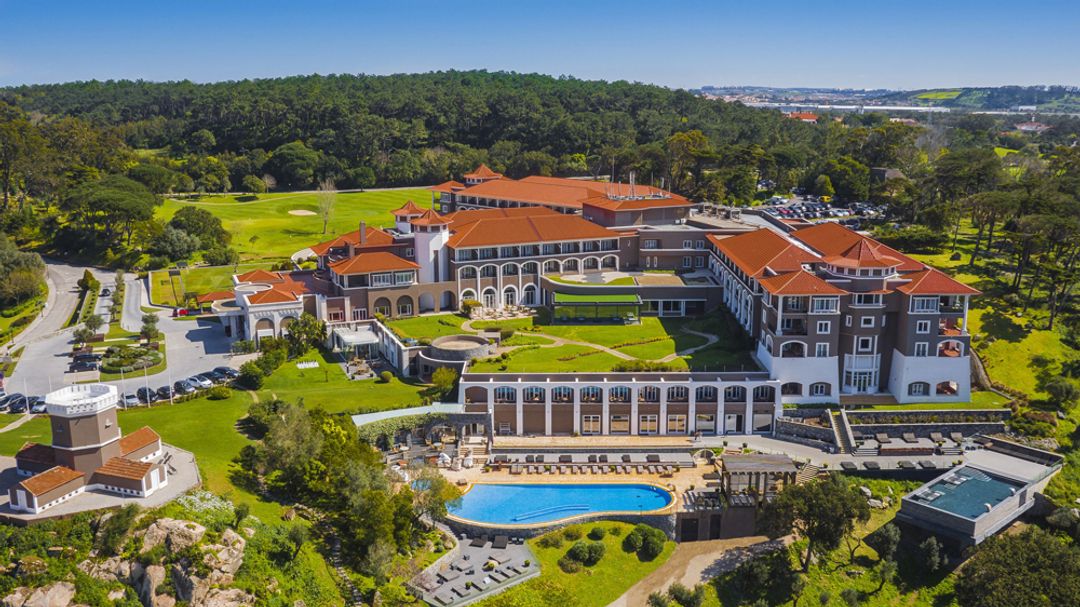
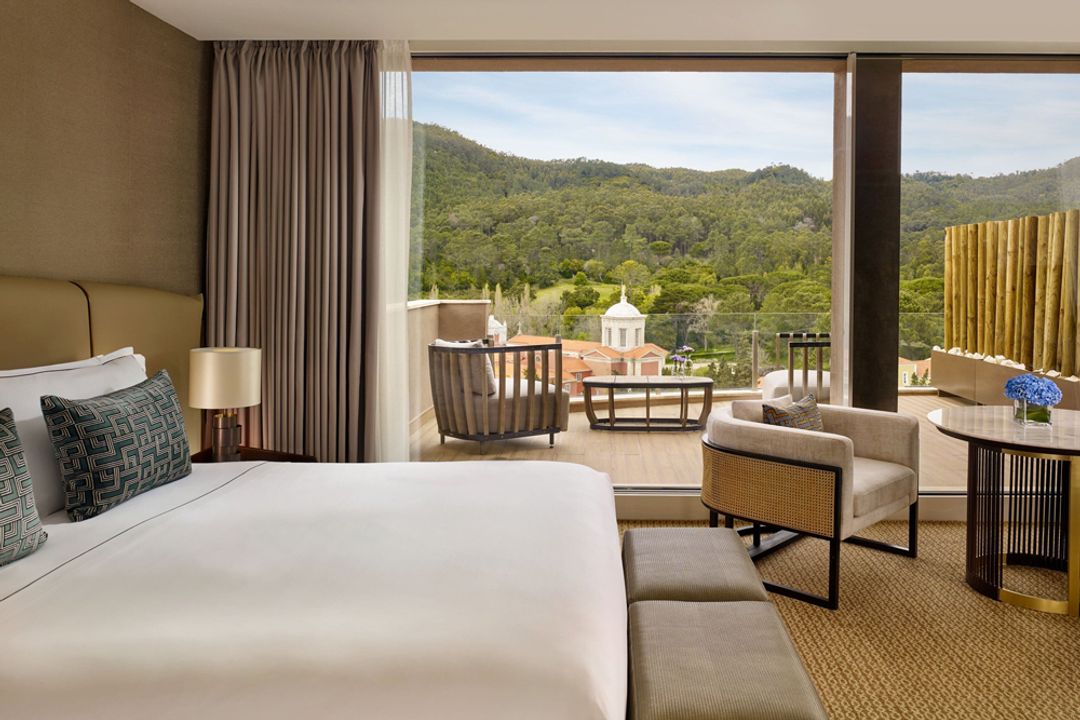
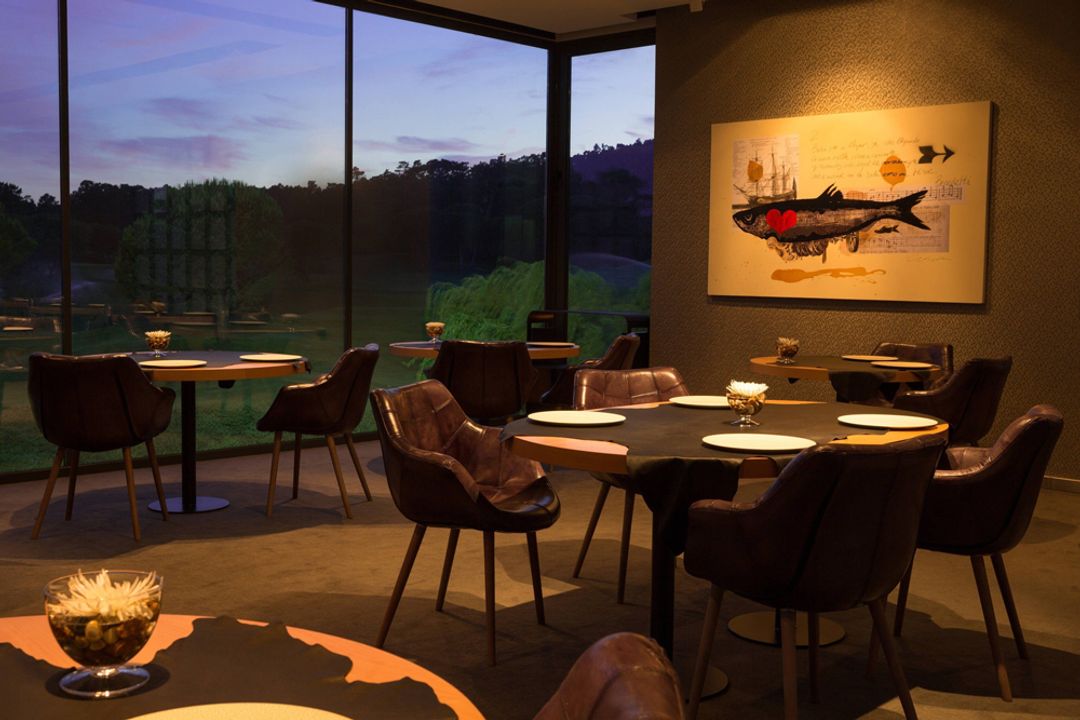
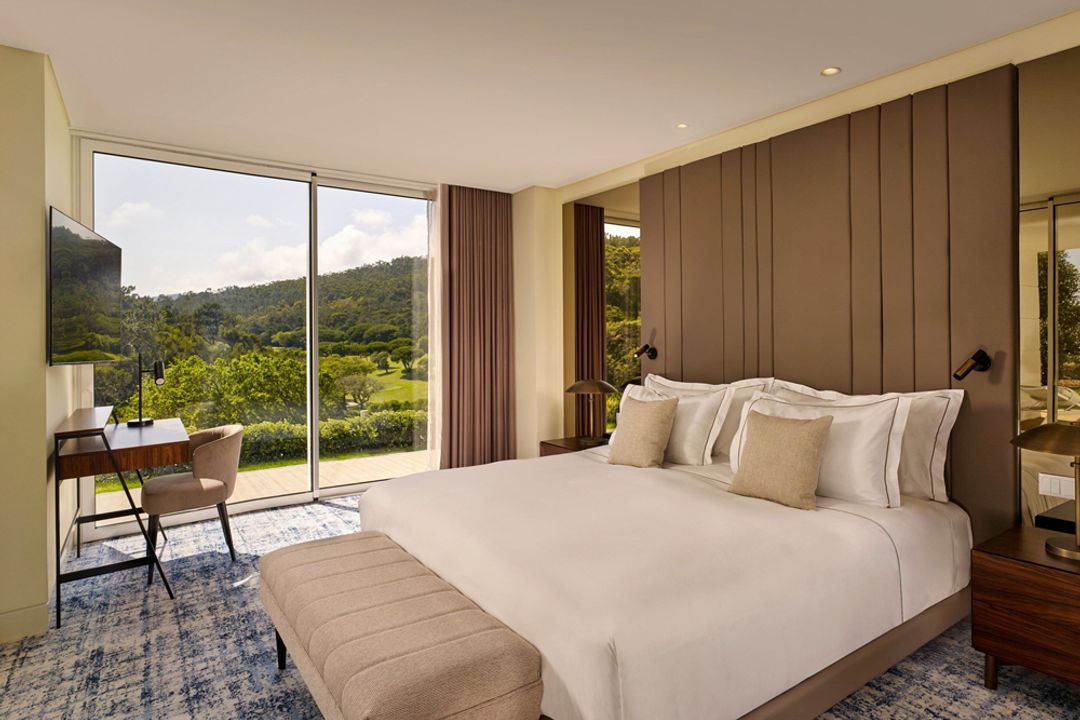
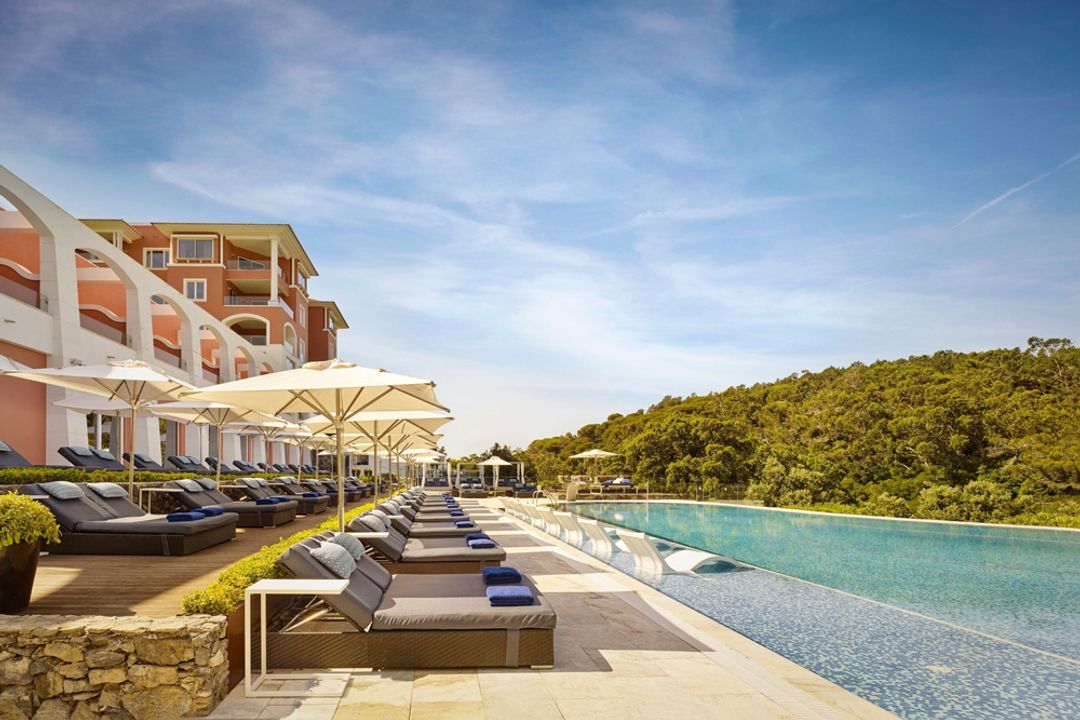
Sintra is a place where the architecture refuses to behave. Perched across a chain of forested hills above Lisbon, it accumulated palaces the way other towns accumulate churches — obsessively, competitively, often at vertiginous angles. The Palácio Nacional da Pena, completed in 1854 to designs overseen by Baron Wilhelm Ludwig von Eschwege for King Ferdinand II, is the most theatrical example: a Romantic fantasy of crenellations, domes, and polychrome tilework that sits above the mist like a hallucination. But Sintra's design identity isn't only about that particular kind of excess. Beneath the palace circuit lies a more composed architectural tradition — granite manor walls softened by hydrangeas, Manueline stonework worn to a comfortable grey, cork oaks pressing close to the roads. The tension between the flamboyant and the austere runs through everything here. That tension is exactly what makes Penha Longa Resort the right base for a stay of any seriousness. Set within a 14th-century monastery estate in the Penha Longa valley — between Sintra and Cascais, in a protected stretch of the Sintra-Cascais Natural Park — the property operates at a different register than the town's more theatrical landmarks. The original monastery chapel survives within the grounds, and the resort architecture works with the estate's stone bones rather than against them. The scale is generous without being ostentatious: the golf courses read as designed landscape rather than imposed infrastructure, and the interior spaces carry the kind of restrained weight that comes from building within a site that already has centuries of accumulated gravity. At around $487 per night, it positions itself as a serious resort rather than a boutique gesture, with the range of facilities — pools, spa, multiple restaurants — to justify the commitment. What Sintra rewards, more than most places within an hour of a capital city, is the decision to stay rather than day-trip. The light changes dramatically between morning and late afternoon, the palace crowds thin toward evening, and the forest paths that connect the Moorish castle to the Palácio de Monserrate — another Romantic-era marvel, restored with considerable care in recent decades — are genuinely best walked without a return train to catch. Penha Longa makes that unhurried engagement possible, offering a quiet valley address that keeps the spectacle of the hilltop close without requiring you to sleep inside it.