Best hotels in Vidago, Portugal | Visually Compare Top Stays Side-by-Side
Welcome to PressBeyond - a curated visual guide to design-driven hotels and the fastest way to compare them.
An Overview of the Boutique & Luxury Hotel Landscape in Vidago, Portugal
Vidago sits in the Trás-os-Montes interior of northern Portugal, a region that most international travelers pass over entirely in favor of Porto or the Douro Valley. That oversight is, in its way, a form of preservation. The town's identity is inseparable from its thermal waters, and the architecture that grew up around them belongs to a specific and largely vanished European typology: the Belle Époque spa resort, built with the confidence of a culture that believed mineral springs could cure almost anything, and designed accordingly.
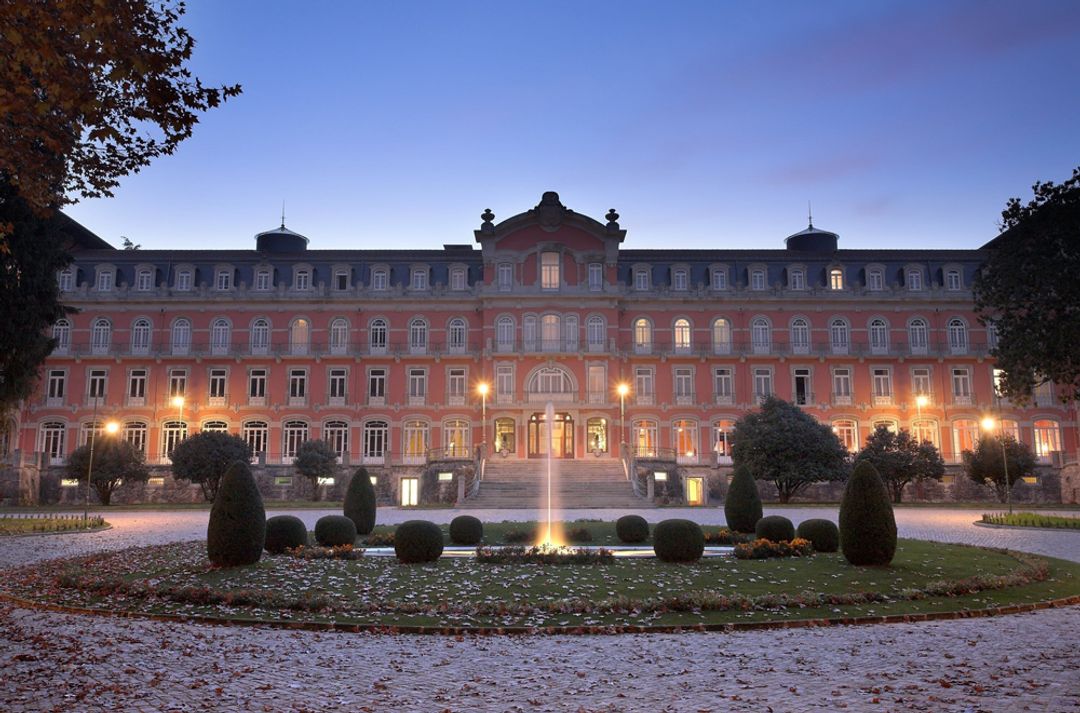
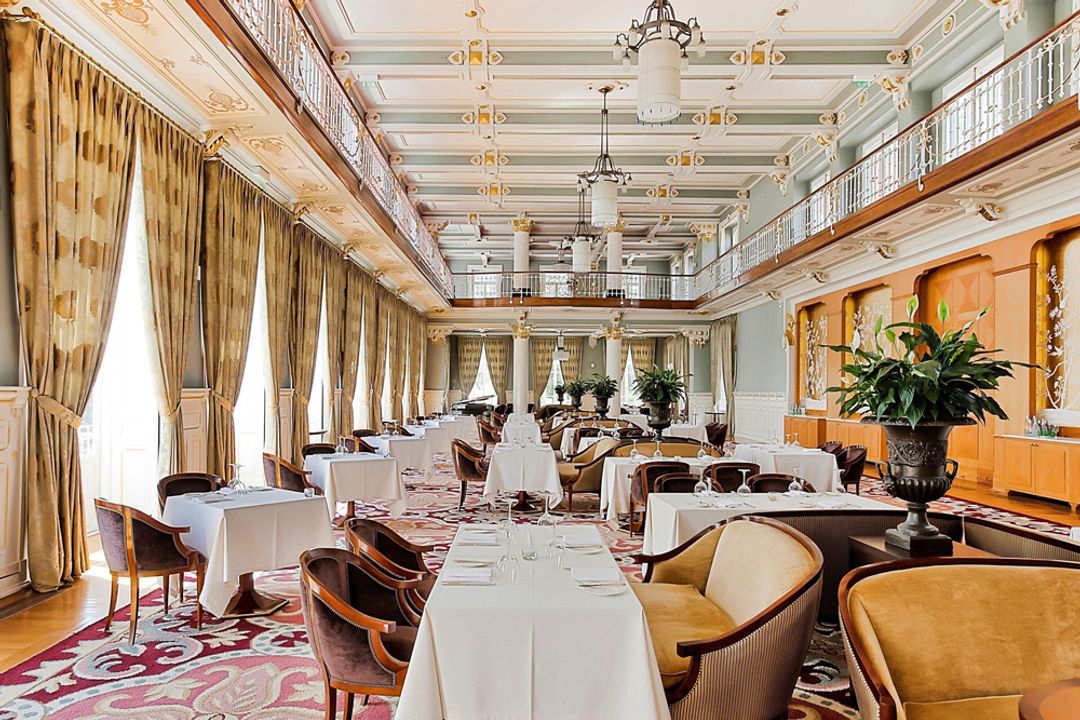
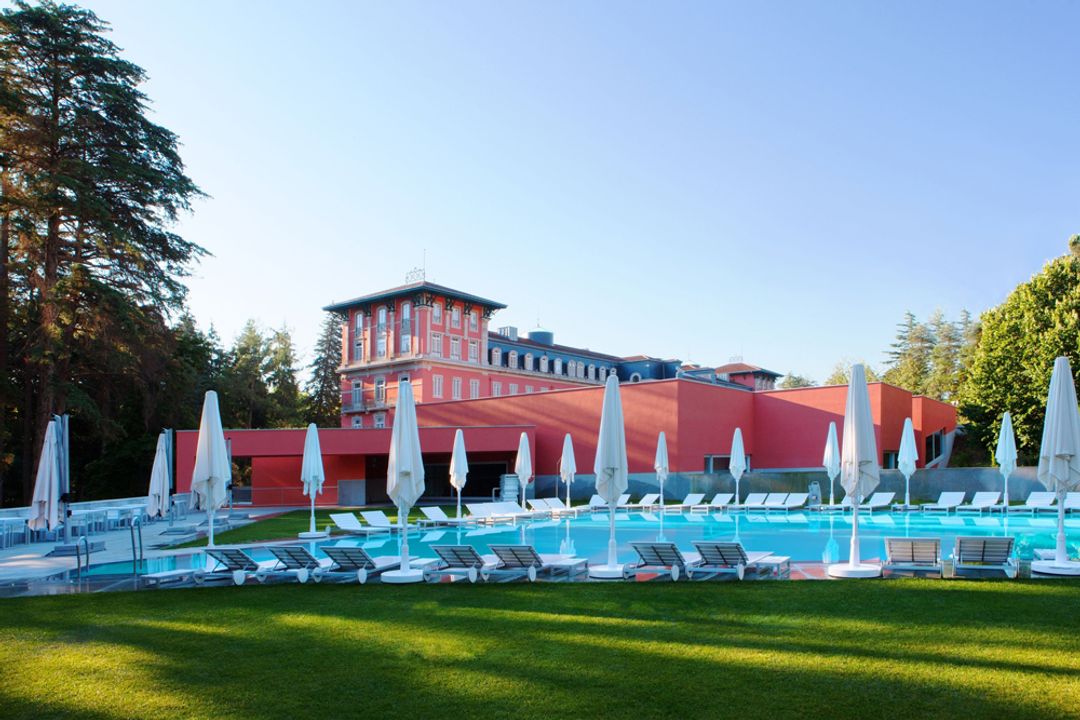
The Vidago Palace is the reason to come. Completed in 1910 and set within 120 hectares of parkland laid out in the English landscape tradition, the building is one of the finest surviving examples of spa palace architecture on the Iberian peninsula. Its pale neoclassical facade, with the long symmetrical elevation and projecting central pavilion common to the genre, reads as a direct cousin to the grand thermal establishments of Baden-Baden or Vichy, transplanted to a pine-forested valley at 350 meters elevation. The property underwent a careful restoration completed in 2010, overseen with enough sensitivity to preserve the period atmosphere without turning the interiors into a museum. The spa, which draws from the same iron-rich springs that gave Vidago its original purpose, anchors the stay. A golf course designed by Philip Mackenzie Ross, originally laid out in 1924, occupies the surrounding grounds. The combination of Edwardian architecture, working thermal facilities, and a century-old course makes this one of those rare properties whose attractions are genuinely historical rather than merely nostalgic in affect.
For a traveler whose instinct is to notice materials and understand what a building is actually for, Vidago Palace offers something that urban hotels almost never can: complete immersion in a single, coherent idea realized across landscape, architecture, and program. There are no competing properties here, no neighborhood to weigh against another. The choice is simpler and, in a way, more demanding. You come to Vidago for this building and this setting specifically, which means the hotel has to carry the full weight of the visit. On the evidence, it does.