Best hotels in Belgrade | A Curated Visual Guide to Top Stays
Welcome to PressBeyond, the ultimate curated visual guide for design-driven hotels! My name is Will Miller and these are my recommendations for the best boutique and luxury hotels in Belgrade.
I am the founder of PressBeyond and I am an ultra-meticulous hotel curator who loves clean visuals. I have individually analyzed and tiered each hotel included in this guide based on a variety of criteria (architecture & design, location, brand & brand affiliation, existing reviews, and my own personal experiences), and importantly, I have hand-selected the leading imagery for each hotel to provide you with easily-digestible, yet detailed and complete, like-for-like, high-level visual profiles. I felt this summarization step was a critical missing piece across existing guides, blogs, and booking platforms. My aim is to make it easier for people to identify hotel environments that resonate with them, along with enabling them to visualize the types of social experiences that those environments help foster. My brain doesn't work when exposed to cluttered content, so my goal was to create the opposite.
Underneath this, we are also a full booking engine offering 5% Venmo cash back along with other exclusive perks. For all of you design-obsessed hotel enthusiasts out there, I hope this guide helps get you to where you see yourself!
An Overview of the Boutique & Luxury Hotel Landscape in Belgrade
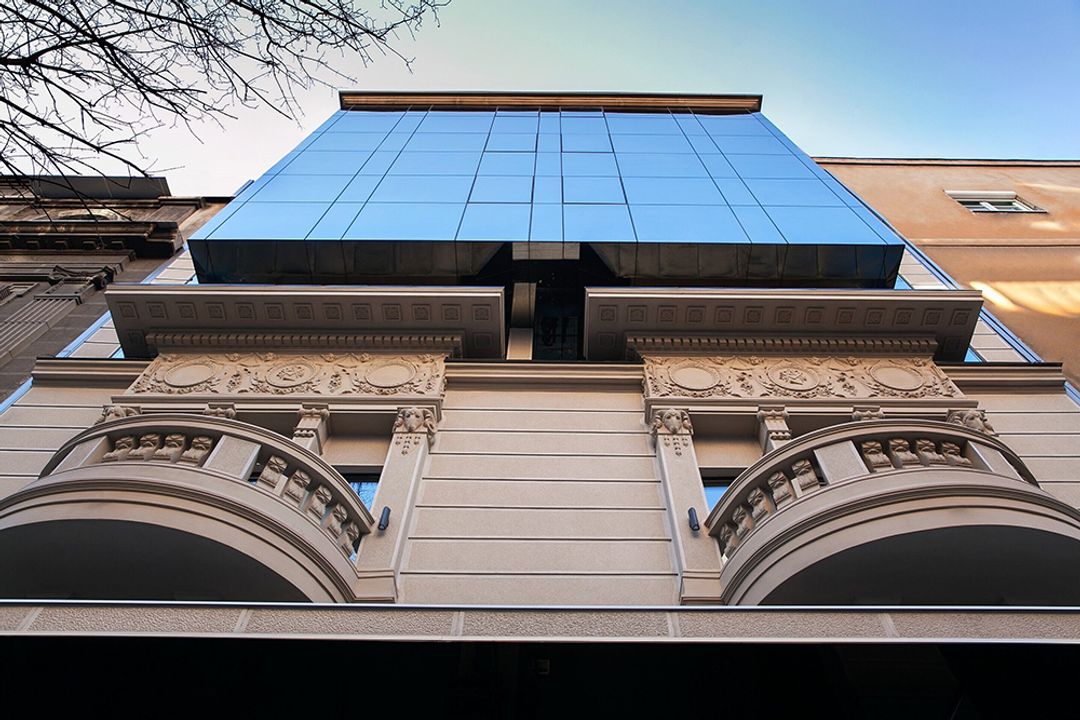
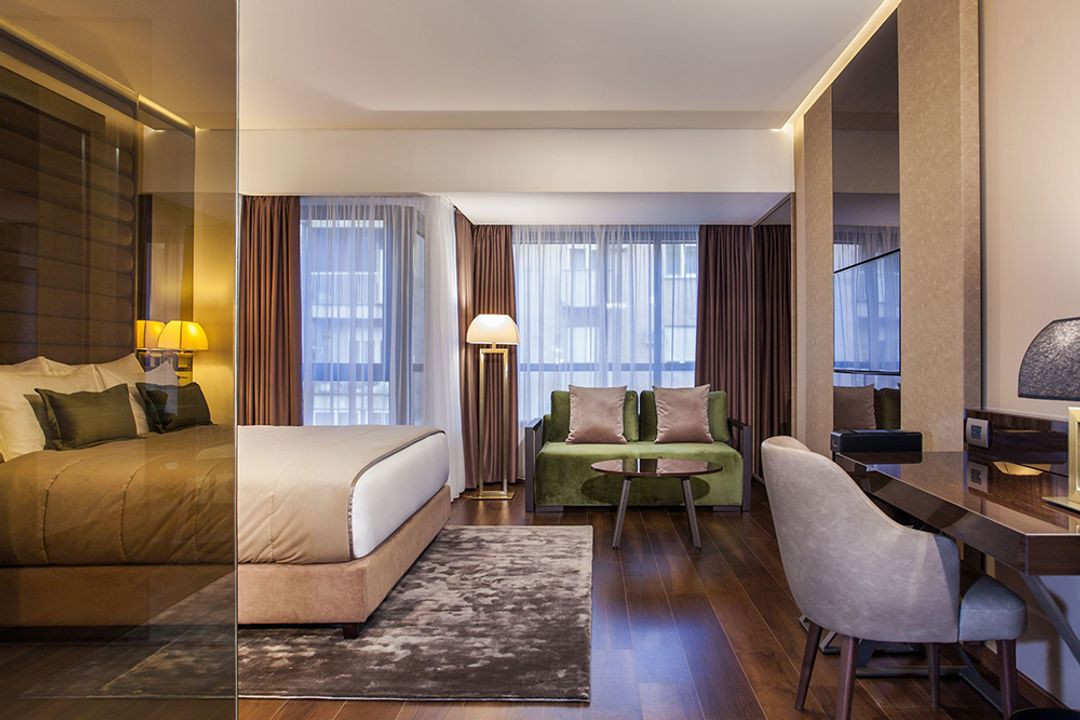
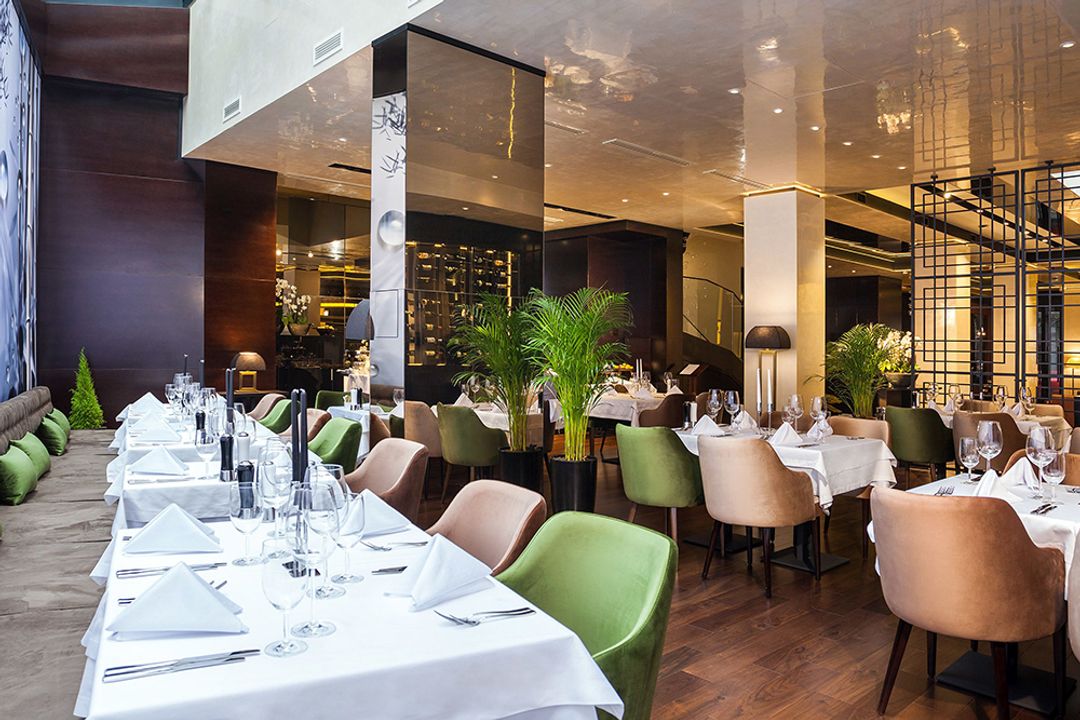
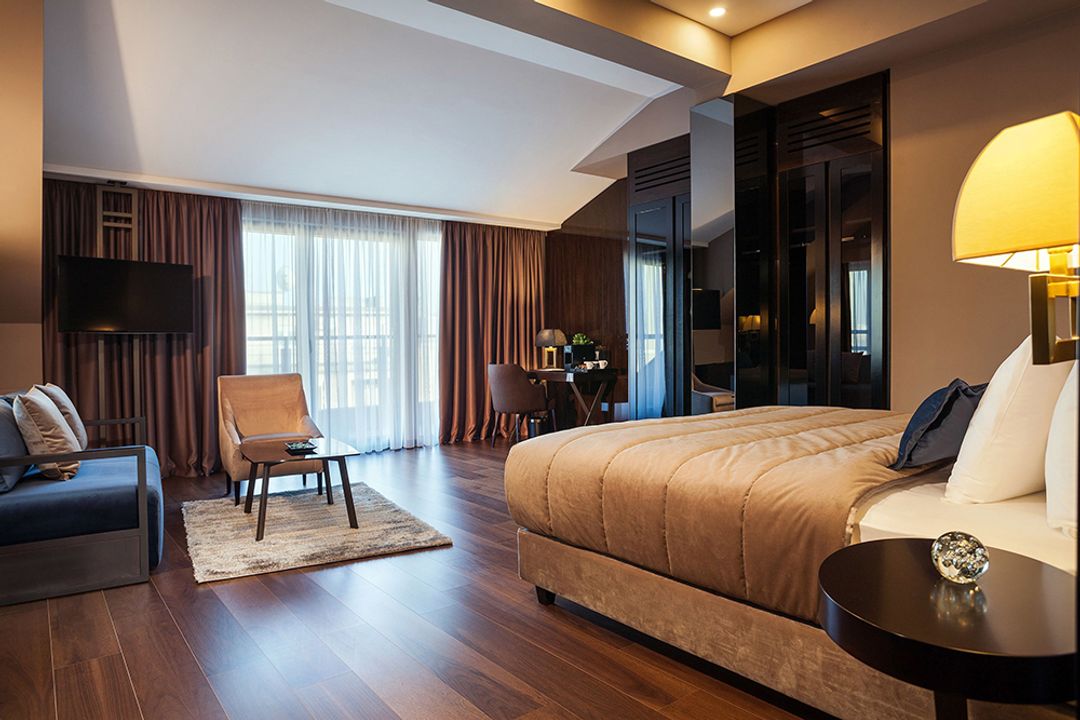
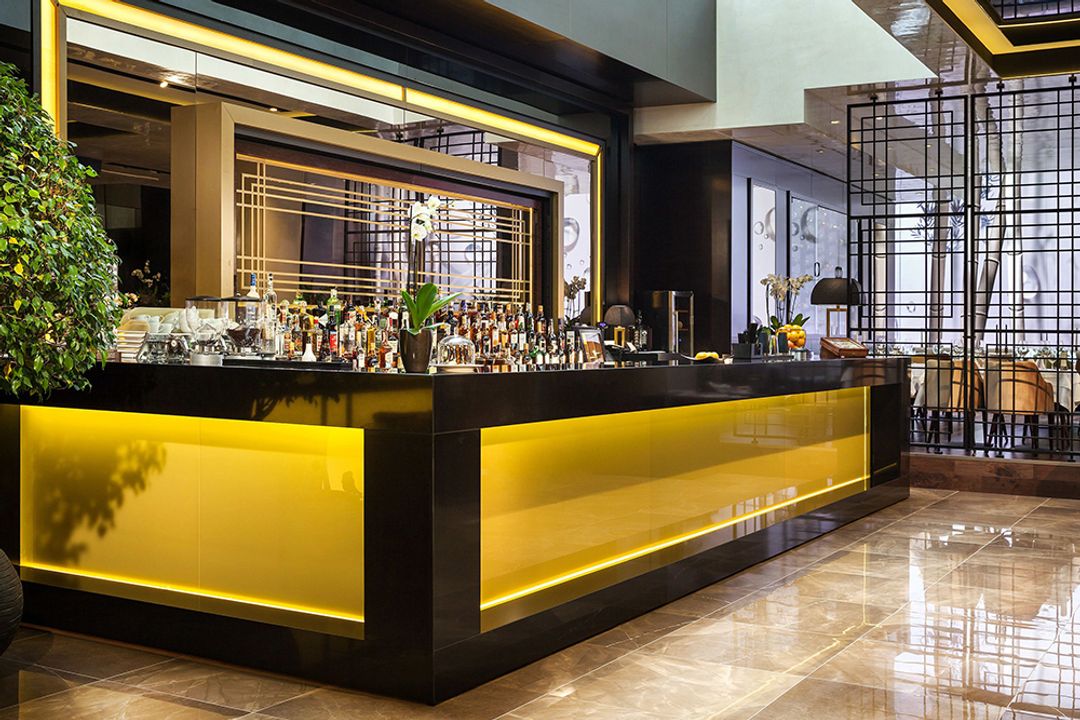
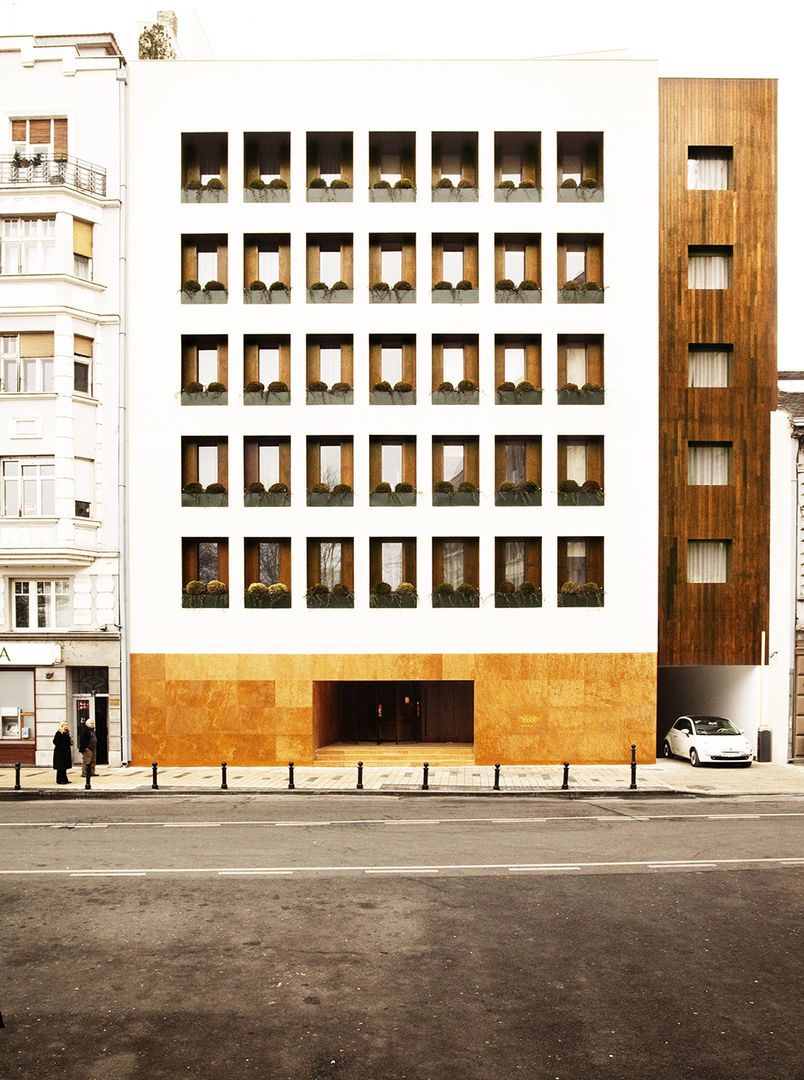
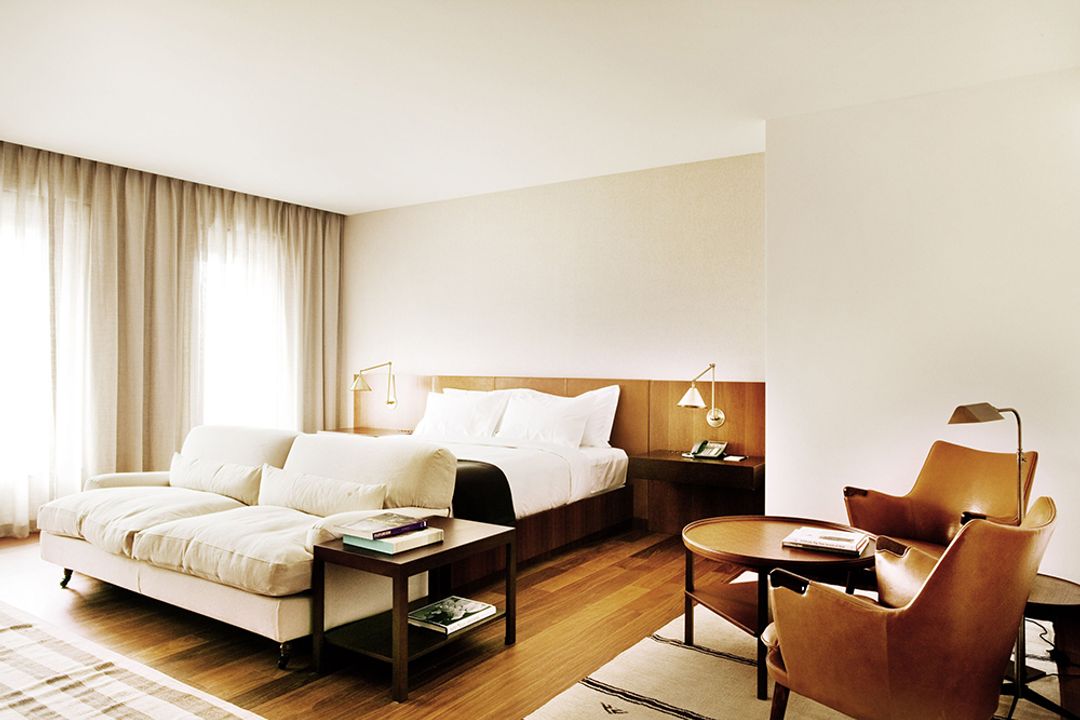
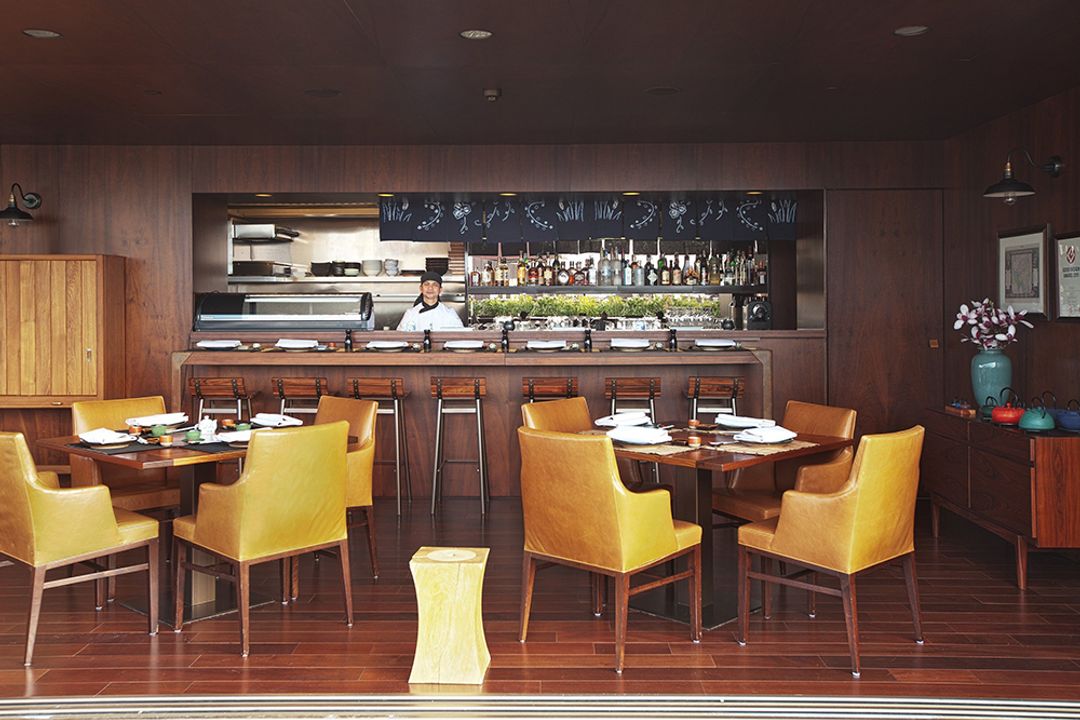
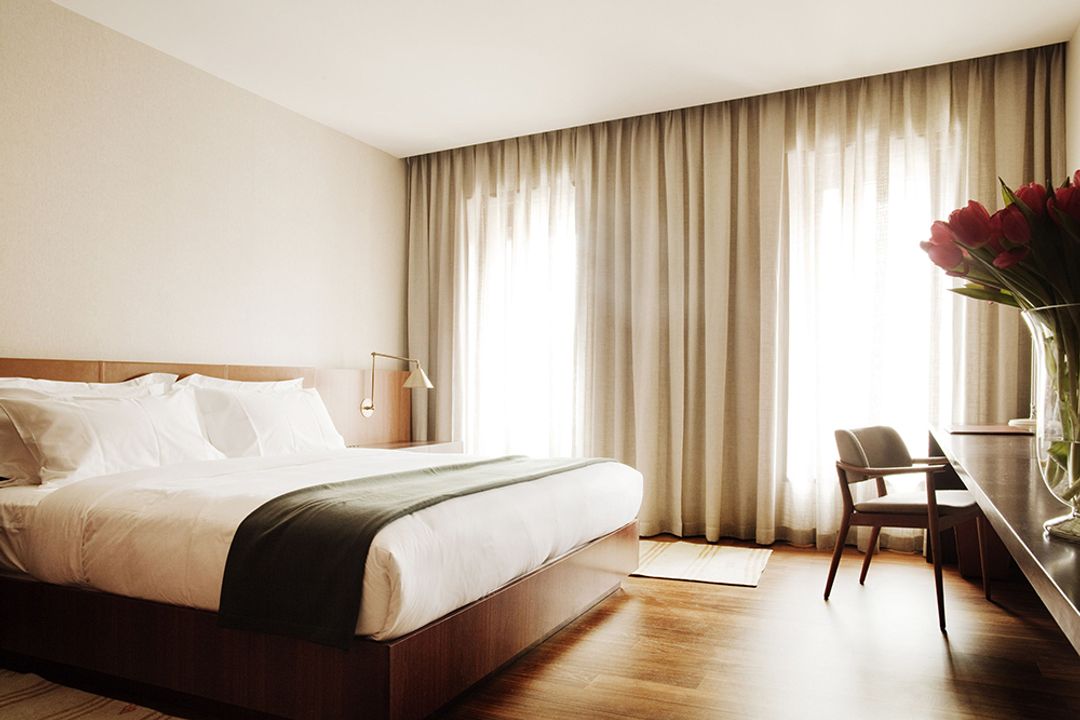
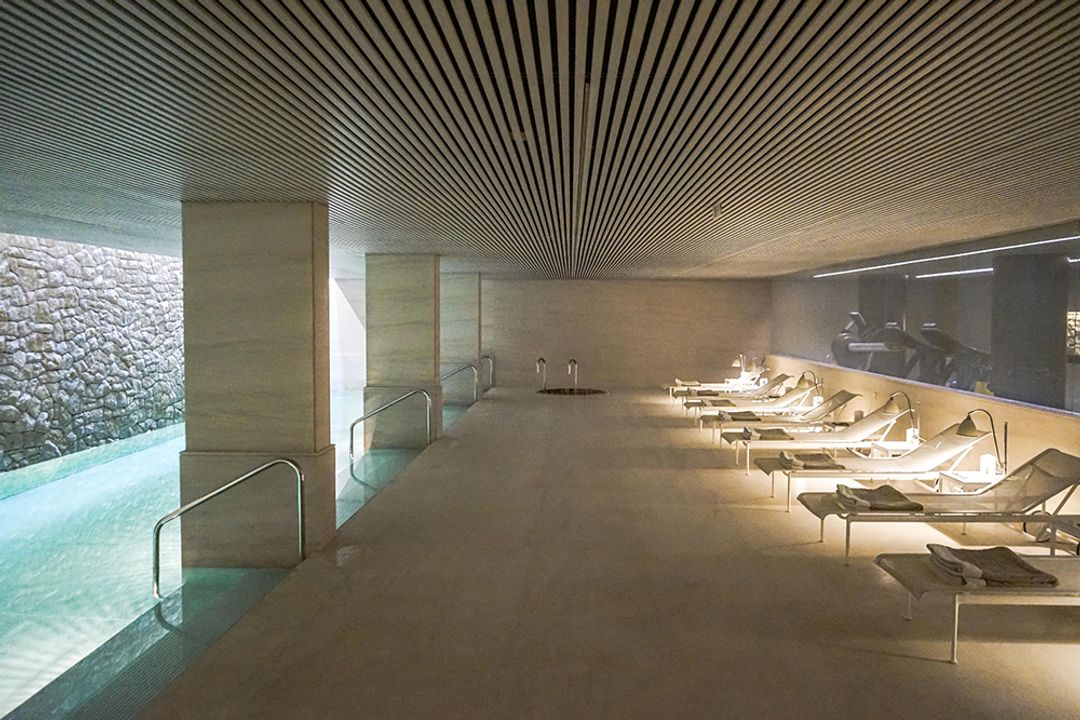
Belgrade is a city that has been demolished and rebuilt so many times — Ottoman, Habsburg, Nazi, then socialist — that its architecture reads less like a coherent style than a set of overlapping arguments. The tension between those layers is most legible in Vračar, the dense residential quarter built on the plateau above the old city, where early twentieth-century apartment blocks and interwar modernism sit alongside communist-era infill. It is here that Saint Ten Hotel occupies a carefully restored period building, its interior working against the grain of the neighborhood's utilitarian street presence. The rooms draw on a restrained material palette — dark timber, considered lighting, bespoke furniture — that positions the property closer to the European boutique tradition than to anything specifically Serbian. At around $210 a night, it makes a case for Vračar as the more genuinely local base: walkable to the Orthodox Cathedral of Saint Sava, embedded in a neighborhood where residents actually live. Square Nine sits in a different register entirely. Located in Dedinje, the leafy, elevated district that became synonymous with Yugoslav state power — Tito's residence is nearby, as are the foreign embassies — the hotel trades in a kind of architectural confidence that its address both enables and demands. The interiors are contemporary without being cold, and the overall effect is of a property that takes design seriously without deploying it as spectacle. At $415 a night, it is the higher-stakes choice, and it suits travelers for whom proximity to the city's historic core matters less than the quality of the immediate environment. What makes these two properties interesting in combination is how clearly they map onto Belgrade's own ambivalences. The city is not yet a major design-tourism destination in the way that Lisbon or Ljubljana have become, and its hotel infrastructure reflects that — the market remains thin at the upper end, which is precisely why Saint Ten and Square Nine stand out. Neither property attempts to resolve Belgrade's contradictions into a single coherent narrative. They simply offer two well-considered positions within a city still in the process of deciding what it wants to be, and for travelers willing to engage with that unresolved quality rather than smooth it over, Belgrade rewards the effort more than most capitals of comparable size.