Best hotels in Costa Brava, Spain | Visually Compare Top Stays Side-by-Side
Welcome to PressBeyond - a curated visual guide to design-driven hotels and the fastest way to compare them.
An Overview of the Boutique & Luxury Hotel Landscape in Costa Brava, Spain
The Costa Brava resists easy categorization. This stretch of Catalan coastline, running from Blanes north toward the French border, is where Salvador Dalí chose to live and work, where medieval hill towns drop sharply toward coves of improbable color, and where the hinterland of Girona province opens into a landscape of volcanic terrain and cork oak forest. It is not a beach destination in the conventional sense, and the two properties on this platform reflect that ambivalence precisely, each occupying its own distinct register of the Catalan character.
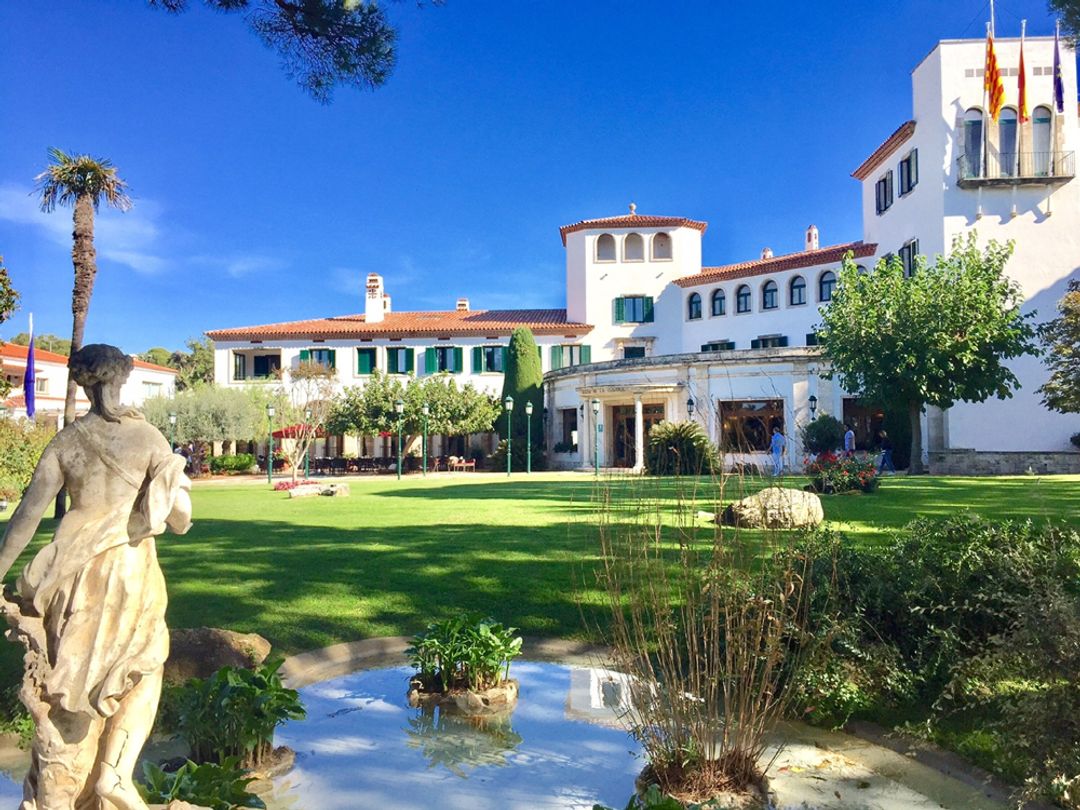
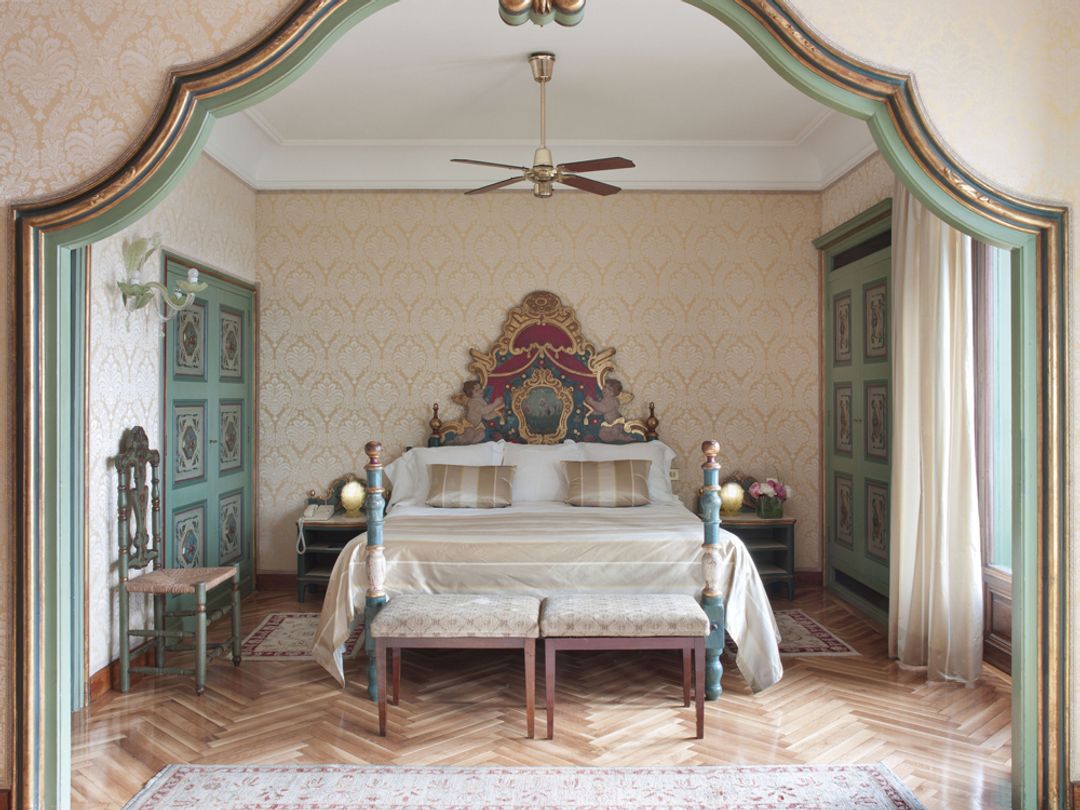
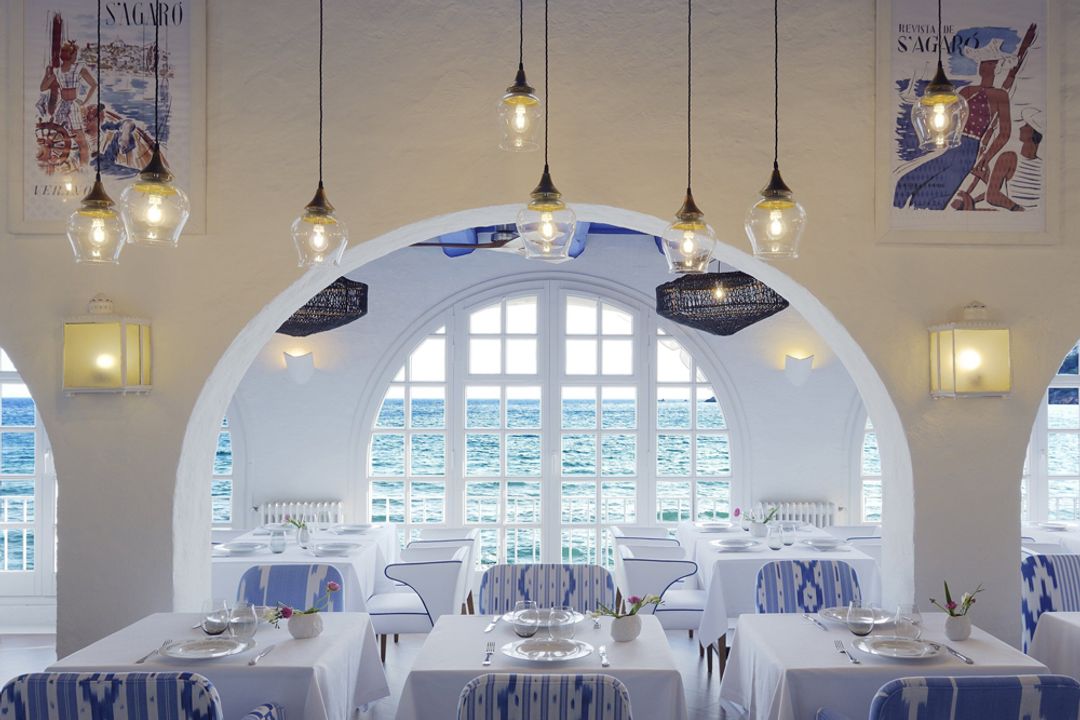
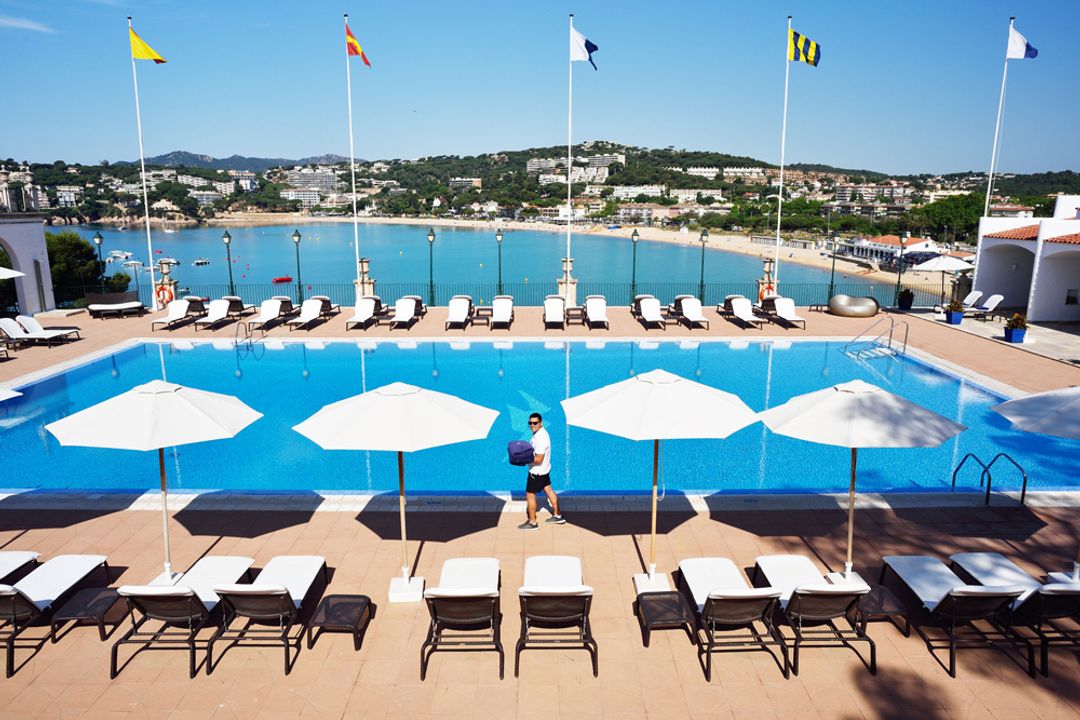
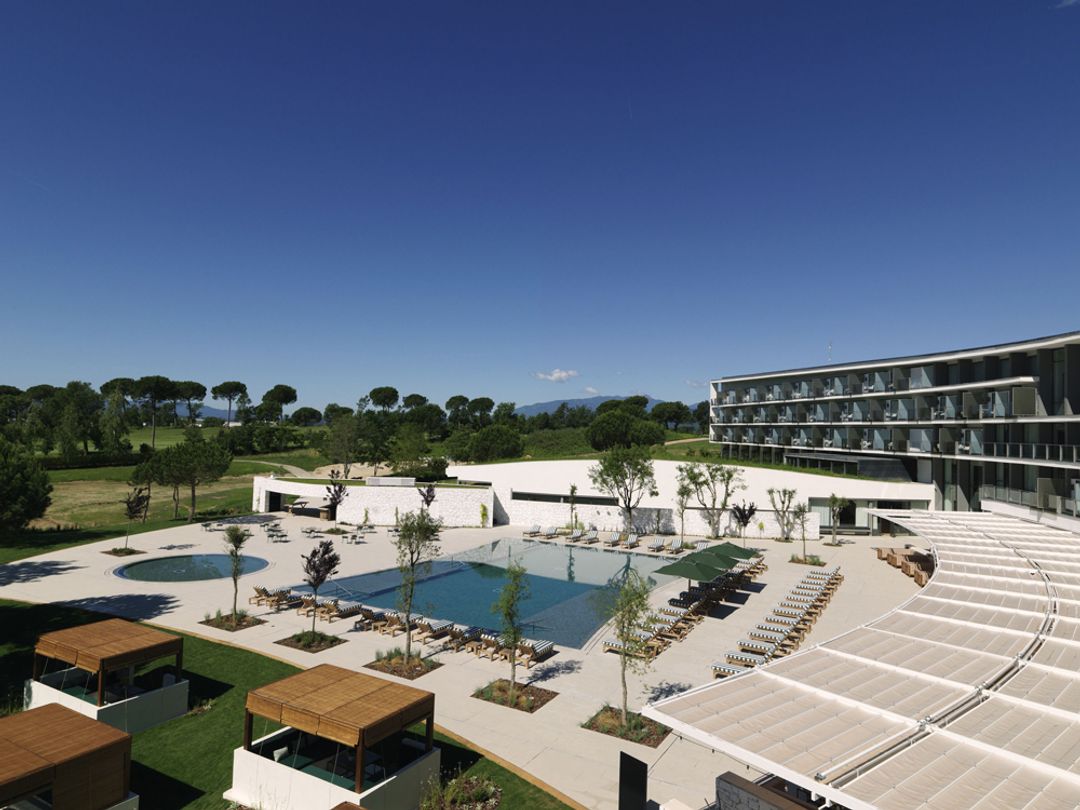
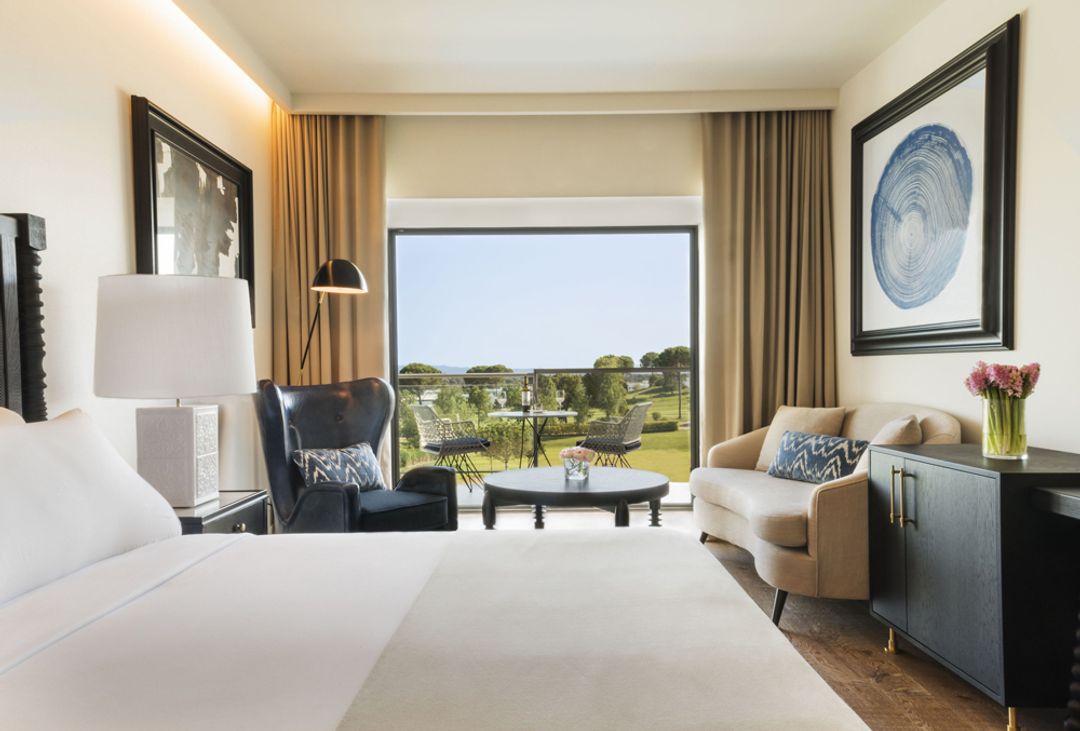
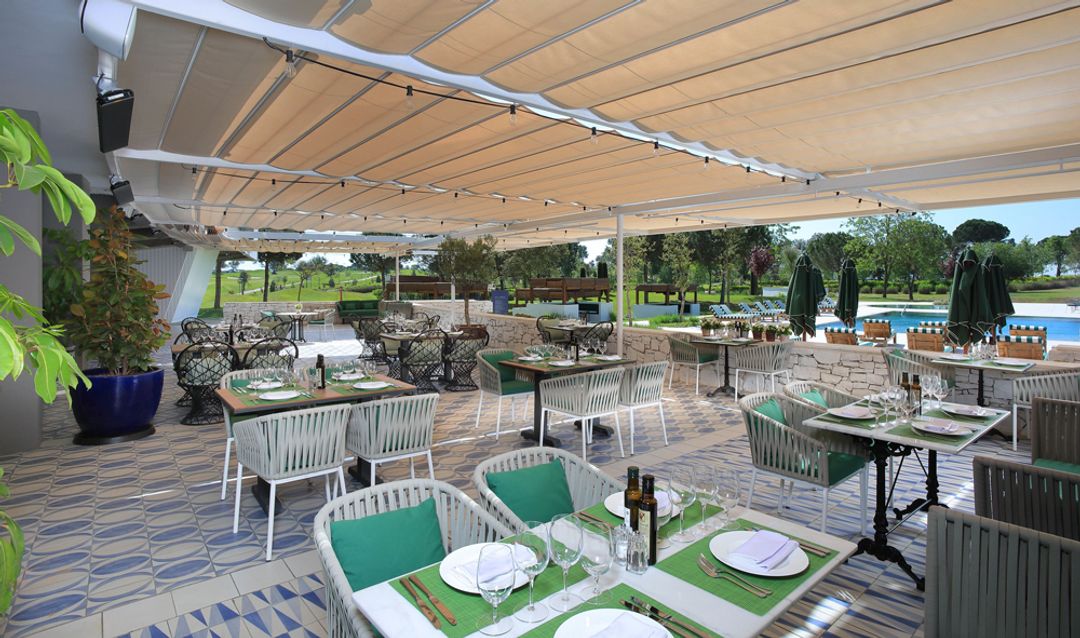
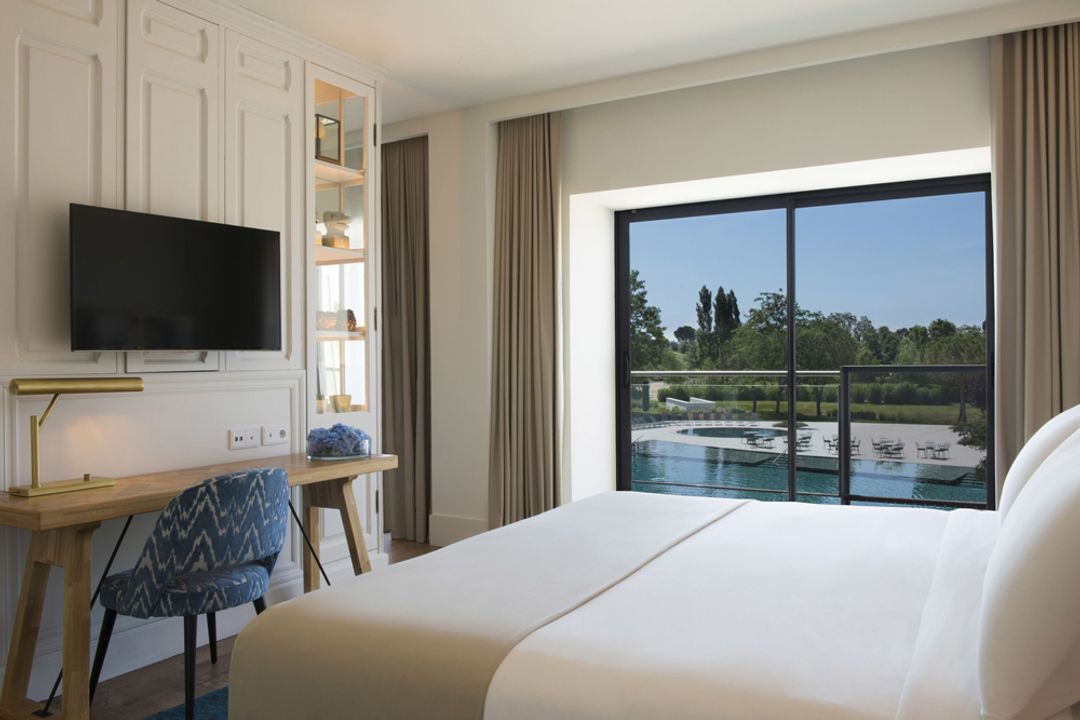
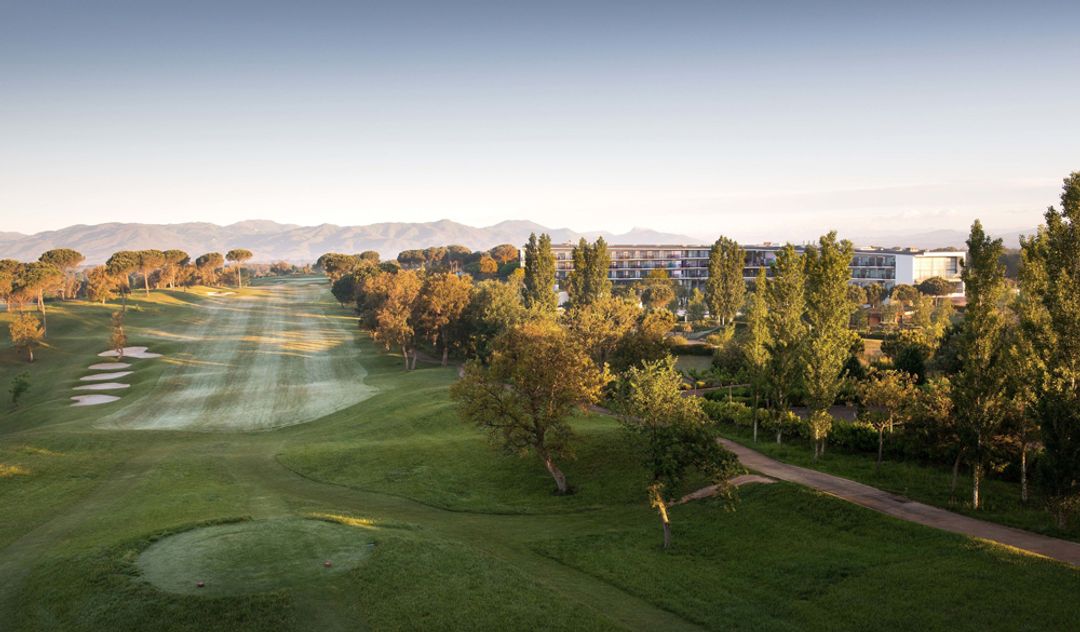
Hostal de la Gavina in S'Agaró stands as one of the most quietly consequential hotels on the Mediterranean. S'Agaró itself is a planned residential enclave from the 1920s, conceived by architect Rafael Masó in a Noucentisme idiom that drew on local vernacular without pastiche, and the Gavina, which opened in 1932, inhabits that world completely. The interiors accumulate antiques, tilework, and stonework across decades of careful stewardship rather than any single design intervention, and the overall effect is of a place that has been genuinely lived in rather than composed for photography. It sits directly above the water, and the sense of elevation over the cove below gives it a composure that newer coastal hotels tend to manufacture rather than earn. For anyone who reads architecture through its layers of time, this is a property of genuine interest. In the Girona hinterland, Hotel Camiral at PGA Catalunya operates in an entirely different mode. The resort occupies a large tract of land south of Girona city, set against the Montseny foothills, and its appeal is spatial rather than historical. The golf and sport infrastructure is extensive, and the scale of the property allows for a sense of open landscape that the coastline, crowded in summer, rarely offers. Where the Gavina presents a compressed, almost theatrical verticality above its cove, Camiral spreads horizontally across terrain that rewards those who want distance from the density of the coast. At a significantly lower price point than its older counterpart, it functions as the more accessible choice without sacrificing the quality of its setting. These two properties do not form a scene so much as they illustrate a duality that runs through the Costa Brava itself: the elegance of the old Catalan littoral on one hand, and the quieter, more open appeal of the interior on the other.