Best hotels in Galle, Sri Lanka | Visually Compare Top Stays Side-by-Side
Welcome to PressBeyond - a curated visual guide to design-driven hotels and the fastest way to compare them.
An Overview of the Boutique & Luxury Hotel Landscape in Galle, Sri Lanka
Galle Fort is one of the few places in South Asia where the built environment has remained almost entirely intact across four centuries of layered occupation. The Dutch East India Company fortified and expanded what the Portuguese had begun here in the sixteenth century, and the result is a 36-hectare walled peninsula of coral stone streets, gabled Dutch colonial houses, a working lighthouse, and a clock tower that the British added almost as an afterthought. UNESCO inscription in 1988 helped freeze the fort's architectural fabric at roughly the moment it was discovered by the outside world, which is both its great fortune and, depending on your tolerance for self-conscious preservation, its complication. The streets inside the walls are narrow and pedestrian-scaled, the buildings low and thick-walled against the heat, and the ocean is audible from almost anywhere.
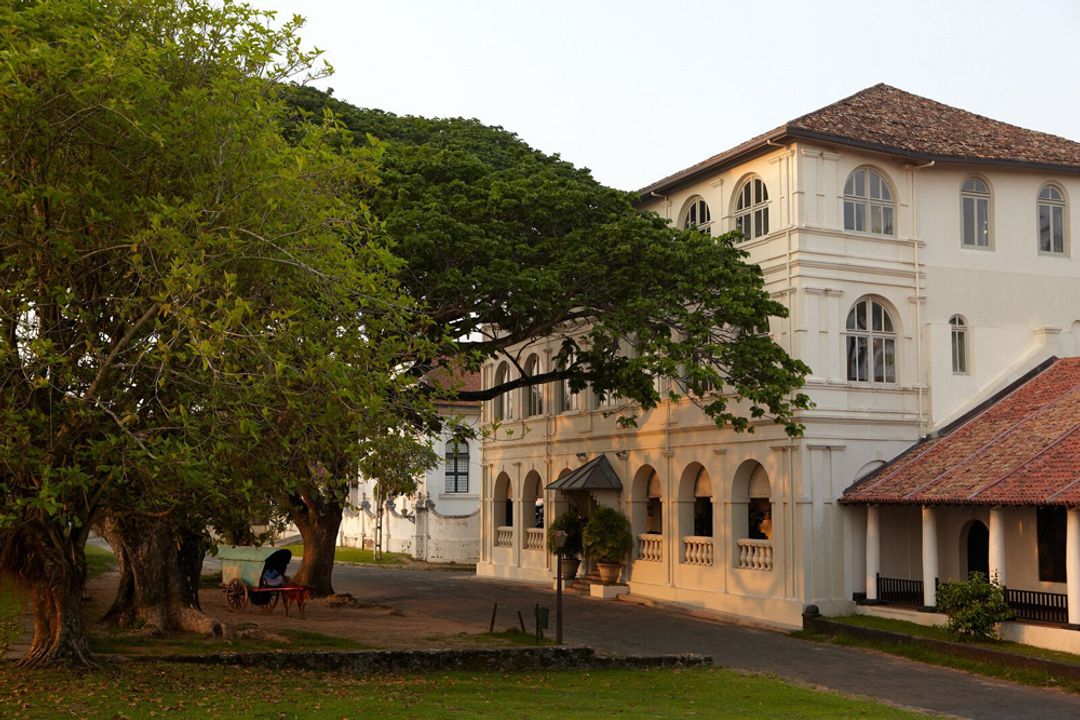
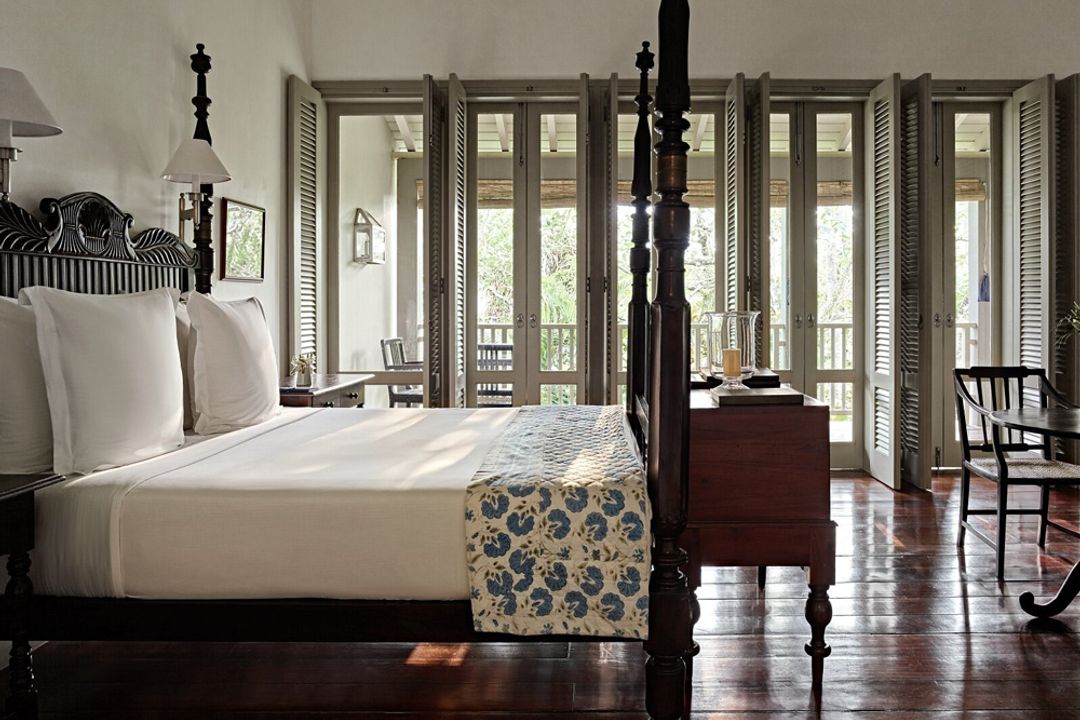
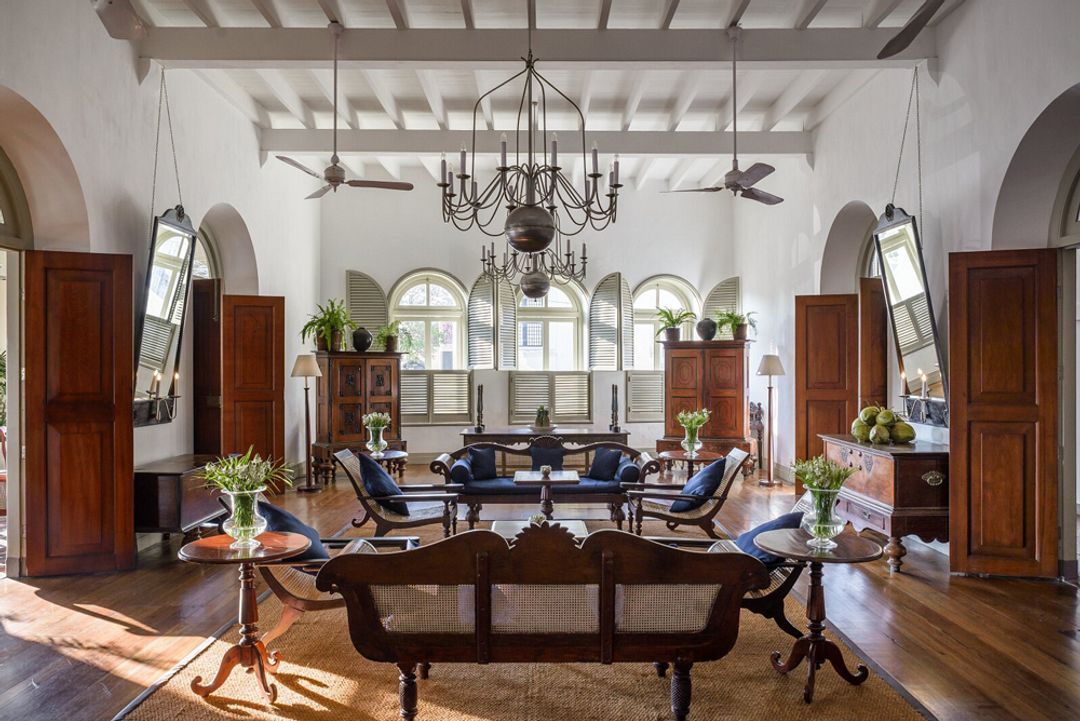
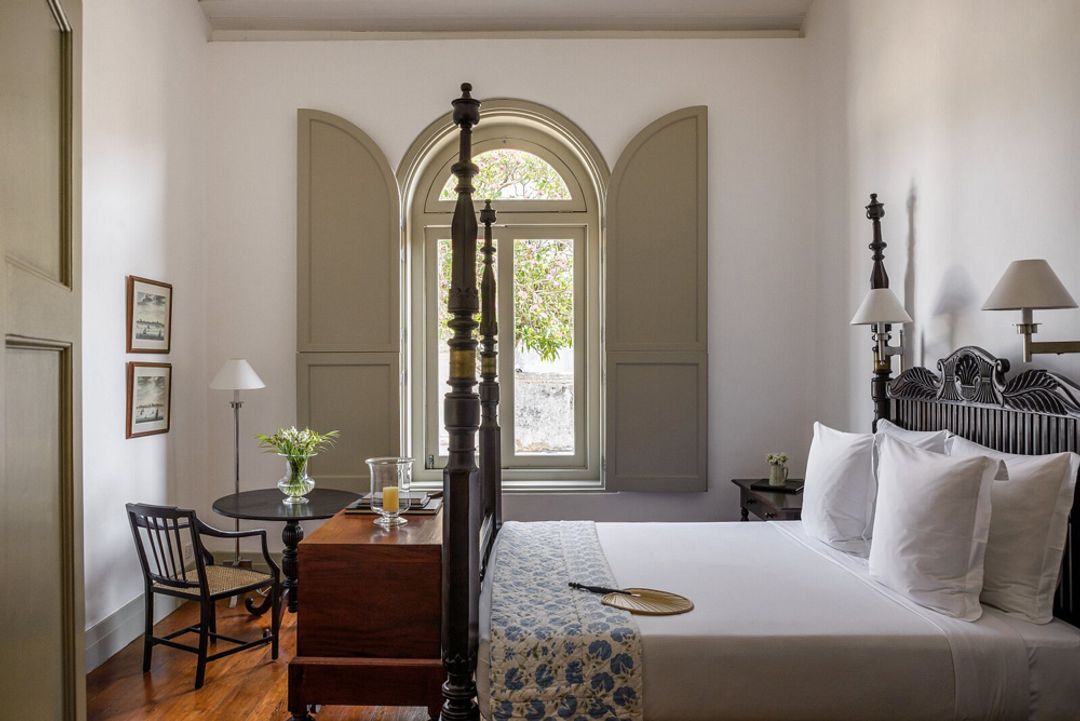
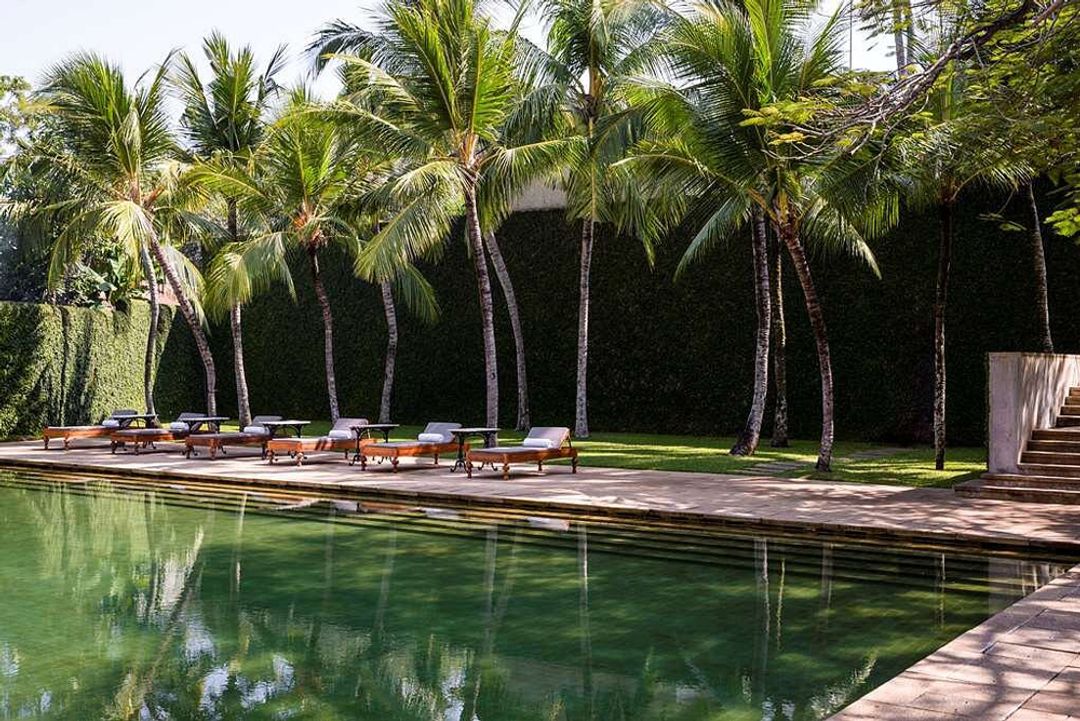
Amangalla occupies the former New Oriental Hotel, itself descended from the Dutch Governor's residence built in 1684, making it one of the oldest continuously operated hospitality buildings in Sri Lanka. The property sits on Church Street, the fort's primary thoroughfare, in a building whose proportions announce its administrative origins: high ceilings, deep verandahs, teak floors worn to a particular depth of patina that no renovation budget could plausibly reproduce. Aman's intervention here was unusually restrained by the standards of the group, prioritizing the preservation of period atmosphere over any programmatic gesture toward contemporary design. The spa occupies a network of colonnaded rooms at the rear of the property, and the garden is large enough to feel like an anomaly inside so dense a settlement. Rates at this level require little justification beyond the building itself, which remains the single most architecturally significant interior you can sleep inside on this coastline.
Galle Fort rewards the traveler who moves through it on foot, following the ramparts at dusk when the light on the Indian Ocean shifts from white to copper and the walls take on the warmth of the coral they were cut from. The town outside the fort, Galle proper, offers little of equivalent architectural interest, and most visitors rightly concentrate their attention within the walls. Staying at Amangalla means waking inside a building that has outlasted every political authority that built or inherited it, and that is a particular and uncommon pleasure, one that the property makes no effort to oversell.