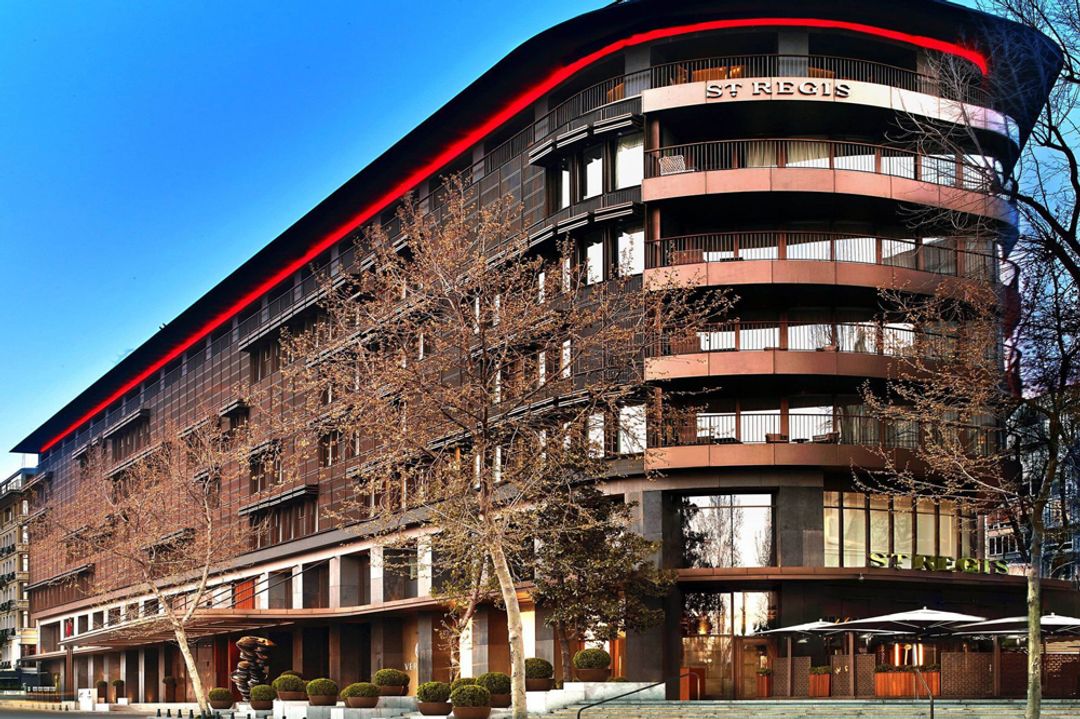
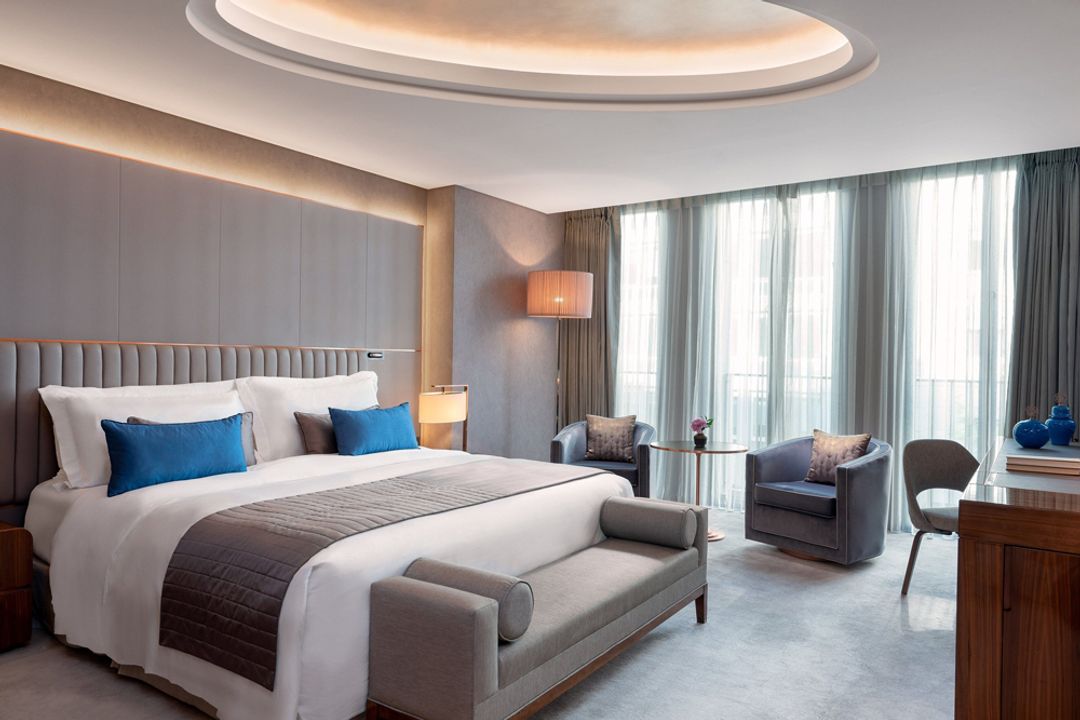
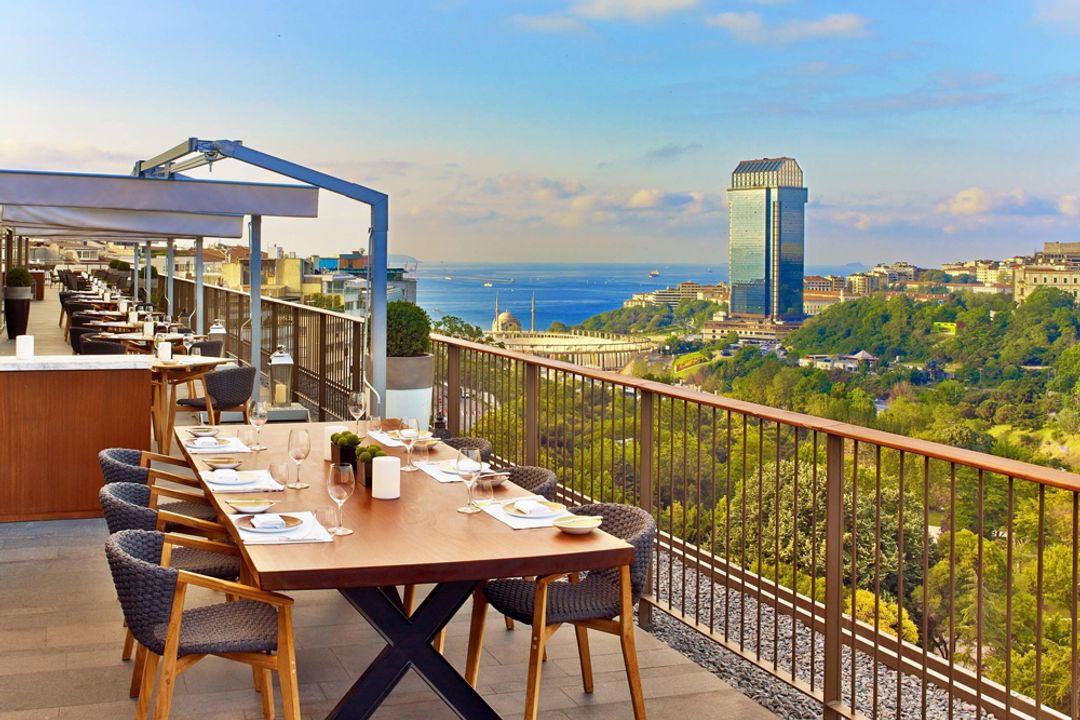
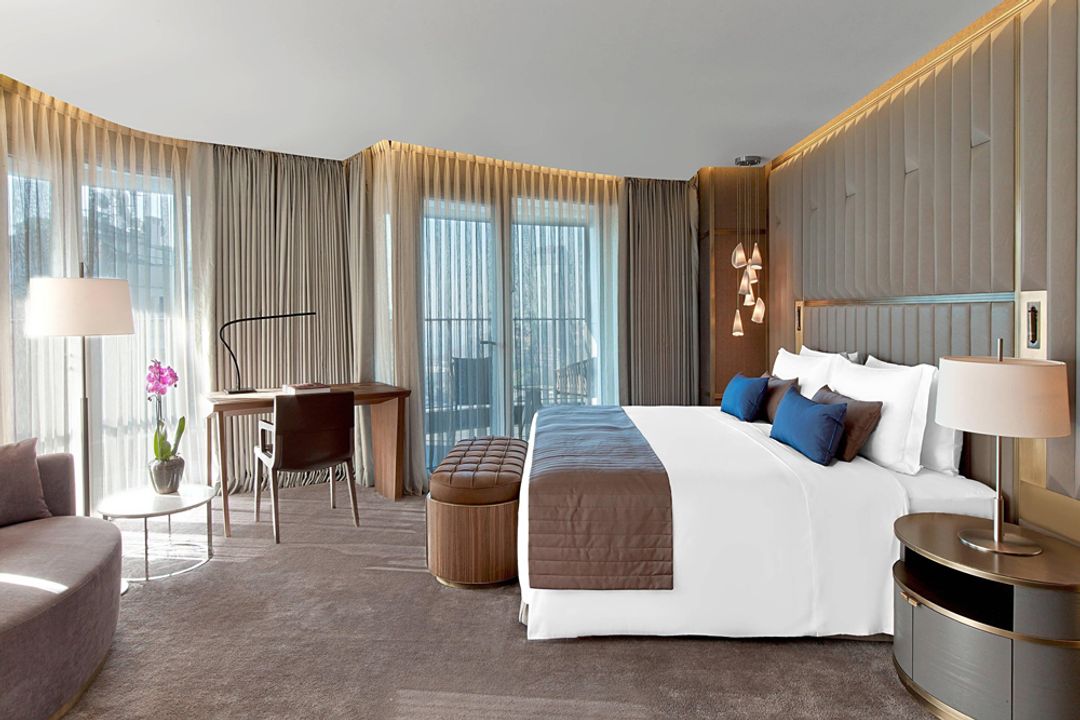
"St. Regis is globally positioned around anticipatory service, Butler Service, and highly personalized luxury hospitality. These are not aspirational features—they are foundational brand promises.
During this stay, core expectations were not consistently delivered, including:
Room readiness and basic amenity completeness
Proactive orientation to hotel facilities
Clear articulation of STARS and Virtuoso program benefits
Seamless execution without repeated guest intervention
Rather than anticipatory service, the experience was largely reactive, fragmented, and dependent on guest escalation.
Butler Service Execution Breakdown
Butler Service is a defining pillar of the St. Regis brand and a core justification for its premium pricing.
At The St. Regis Istanbul, Butler Service was inconsistently defined, inconsistently delivered, and inconsistently understood across staff interactions.
Most notably, on multiple occasions, three distinct representatives (including two front desk representatives) described Butler Service as limited to “two pieces of pressing per day.” The St. Regis Istanbul representatives expressly disavowed the brand standards outlined on the hotel’s website: packing and unpacking services, morning coffee and tea service and the shoeshine services. Their interpretation is materially inconsistent with global St. Regis brand standards and reflects a fundamental breakdown in internal training, brand alignment, and service definition clarity.
Across the stay, Butler Service did not function as an anticipatory luxury layer. Instead, it required repeated clarification from the guest regarding scope and entitlement—shifting the burden of interpretation onto the guest rather than the hotel. We essentially stayed in a room that was to have Butler service and, on a three night stay, we received coffee service one morning.
This is not a minor service variation. It is a structural execution failure in a core brand pillar.
Dining Service Experience
Dining service further reinforced operational inconsistency. We could outline the numerous failures at the restaurant, but I think that it is unnecessary. Rather, you only need to know three things: A basic request for water required an extended wait exceeding 38 minutes where a sealed full bottle of water was slammed on the table by a new waitperson as he walked past the table. We had to request glasses and ice.
Second, the meal was subpar, we waited seventeen minutes to alert the waiter, but no one checked on us. As we had zooms scheduled, we ultimately ate the bland food (a first for us in Istanbul), so we could keep our meeting time.
Third, we had to chase down a bill so we could get to our zoom. When we finally got it, we were asked about our meal. We informed the manager that it was poor, and proceeded to leave to go to our meeting. We were chased out saying he wanted us back for dinner the next night and “deserved” another chance, but he would make things right. We didn’t see this man again, nor did we see any attempt to make things right.
In a luxury hospitality environment, attentiveness is not defined by complexity—it is defined by precision, timing, and presence. On this occasion, the baseline standard of service execution was not consistently met.
Communication and Guest Handling
Across departments, communication lacked consistency, particularly regarding messaging, billing adjustments, and program inclusions.
Our folio failed to have the $100 food and beverage credit to which we were entitled under the Stars program. It could not be corrected during our check out.
Our coffee and breakfast to go that was booked on check in was mysteriously missing when we were leaving the hotel. No one knew anything about it. We had confirmed it the day before.
Luxury hospitality depends on discretion, clarity, and coordination across teams. In this case, communication frequently required repeated clarification, follow-up, or correction rather than being delivered as a seamless system.
At multiple points, discrepancies in information required the guest to actively verify or challenge statements that should have been internally aligned.
Service Recovery vs. Service Consistency
While courtesy gestures were extended during the stay, they did not address the underlying issue: core service delivery was, viewed in the light most favorable to the property, inconsistent from the outset.
In luxury hospitality, service recovery cannot replace service consistency. The foundation must be correct first. When recovery becomes the dominant mechanism of guest satisfaction, it signals a breakdown in operational discipline.
Overall Assessment
The central issue was not a single failure, but a sustained misalignment between:
Brand positioning
Price point
Delivered guest experience
The experience did not reflect the standards associated with the St. Regis name, particularly in Butler Service execution and baseline operational consistency. We essentially paid a high end hotel price for a low mid-tier hotel experience. The St. Regis brand should be embarrassed."
A Tripadvisor traveler review
Jun 05, 2026