Best hotels in Sedona, Arizona | Visually Compare Top Stays Side-by-Side
Welcome to PressBeyond - a curated visual guide to design-driven hotels and the fastest way to compare them.
An Overview of the Boutique & Luxury Hotel Landscape in Sedona, Arizona
The red rock formations around Sedona are not backdrop — they are the entire premise. Courthouse Butte, Cathedral Rock, the vermilion walls of Boynton Canyon: the geology here is so insistent, so chromatic, that every architectural decision made in its presence becomes a kind of negotiation with sandstone. That negotiation is precisely what distinguishes the two properties on this list, and they arrive at opposite conclusions.
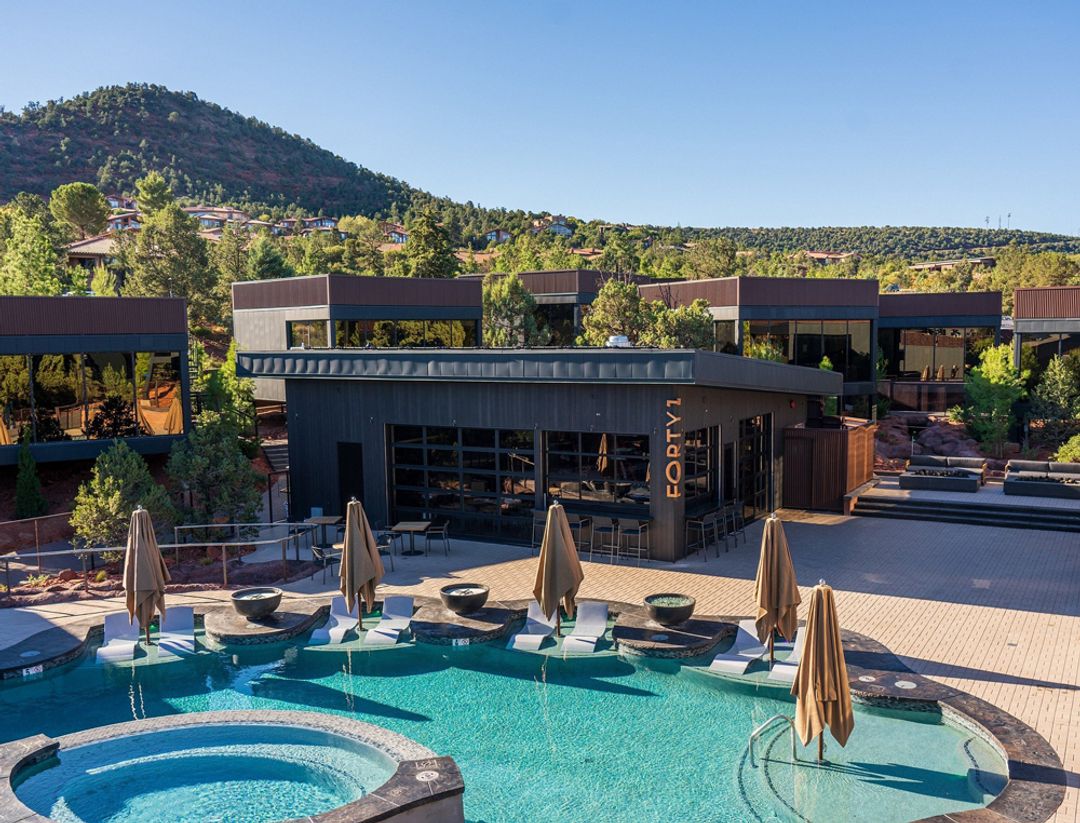
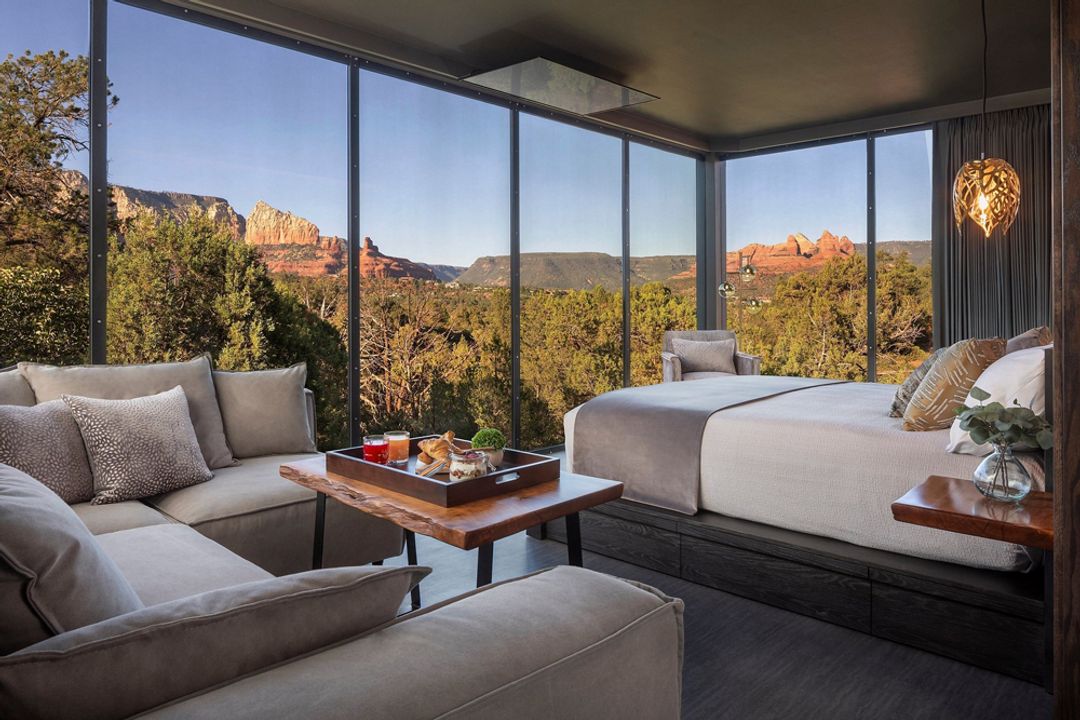
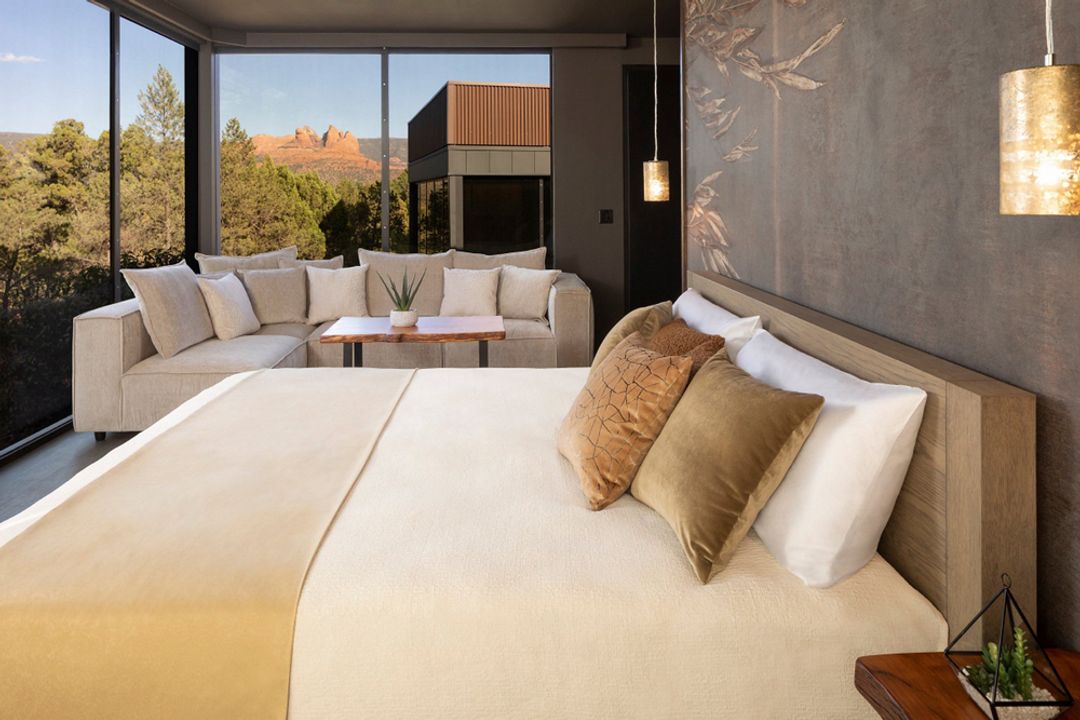
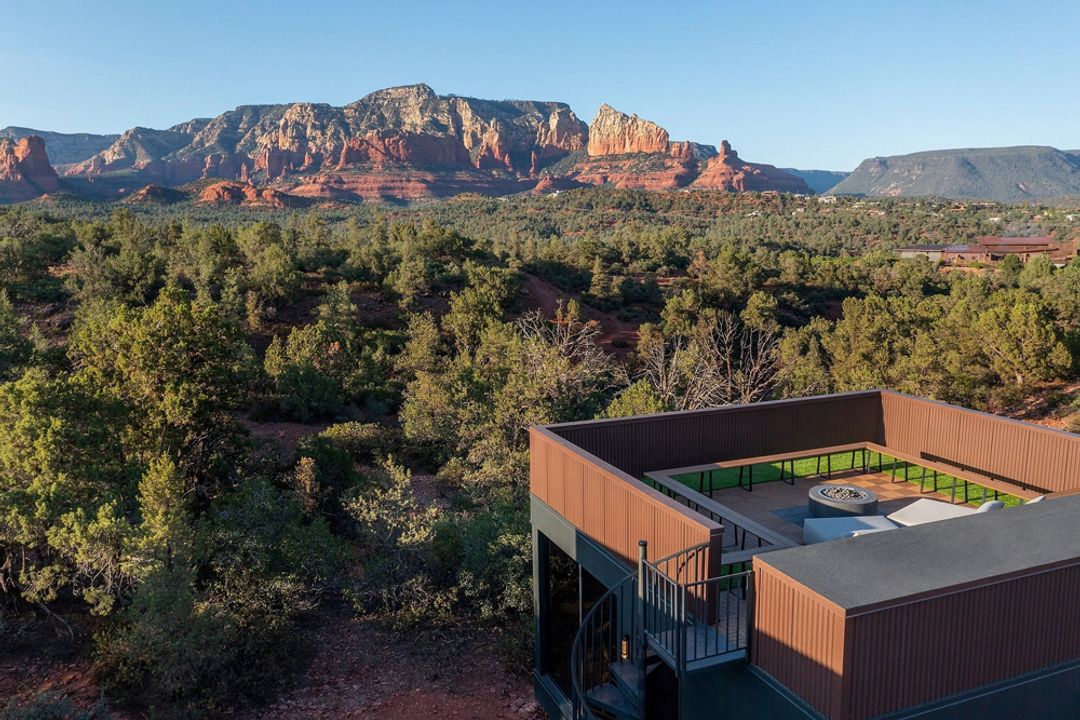
Ambiente, positioned near the Adobe Jack Trailhead on Sedona's northern edge, takes the more radical position. The hotel opened in 2022 and was designed to sit above the desert floor entirely, its guest pavilions elevated on steel legs so that the scrub oak and red earth continue uninterrupted beneath them. The architect of record worked within a strict material palette — weathered steel, concrete, glass — that neither mimics the landscape nor apologizes for being man-made. The effect is something closer to land art than resort hospitality, and the traveler who responds to it tends to be someone whose instinct is to notice the gap between a building's underside and the ground it refuses to touch. Rates above a thousand dollars a night place this firmly in over-the-top territory, but the experience is genuinely unlike anything else in Arizona.
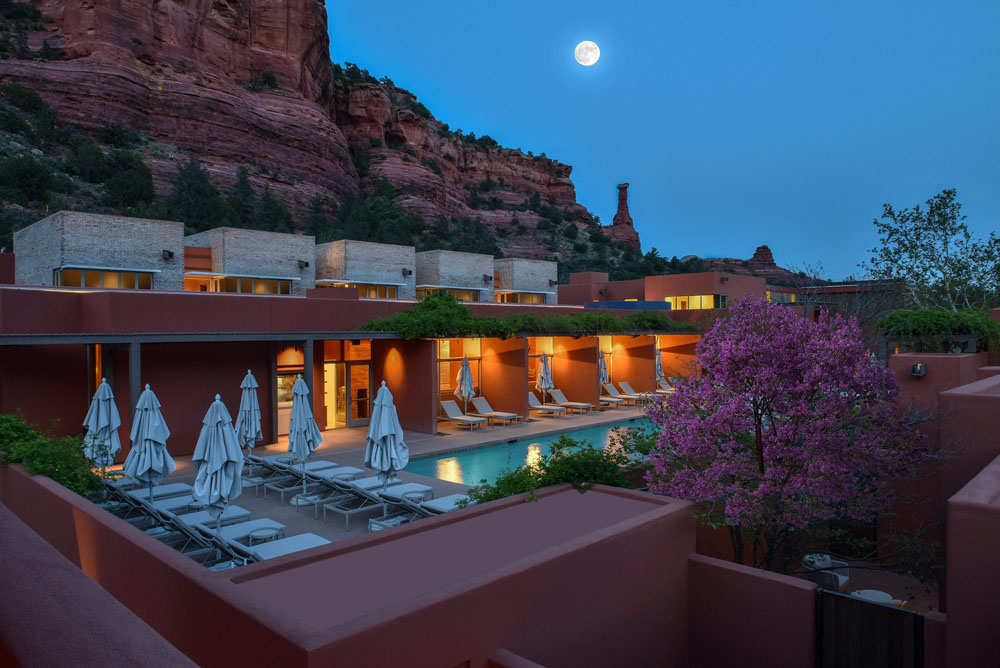
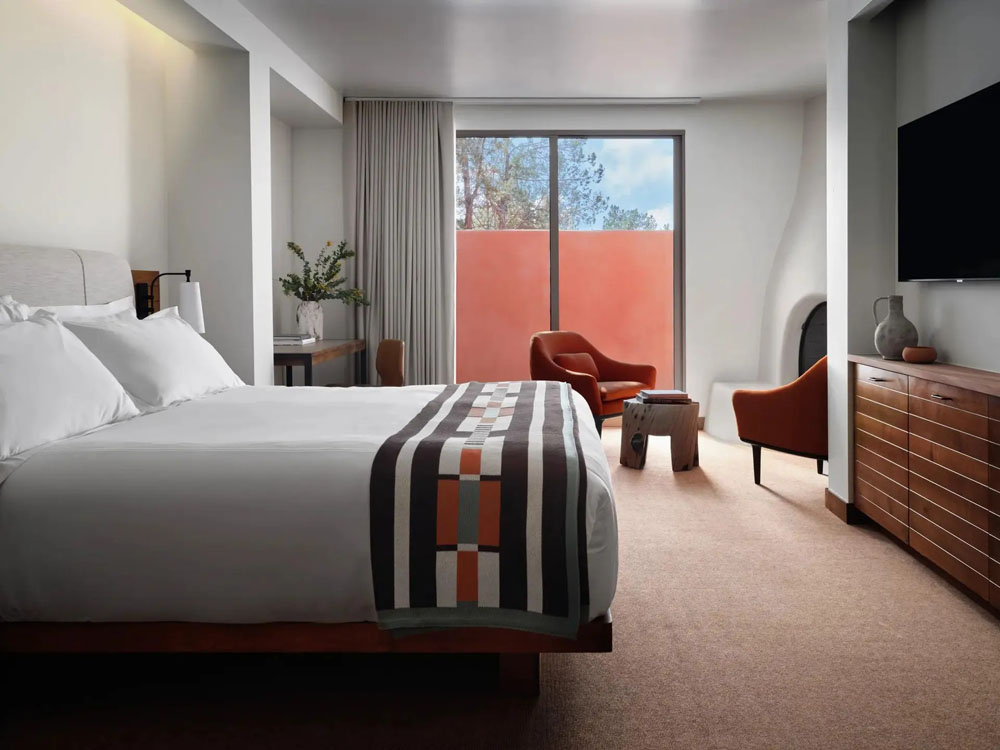
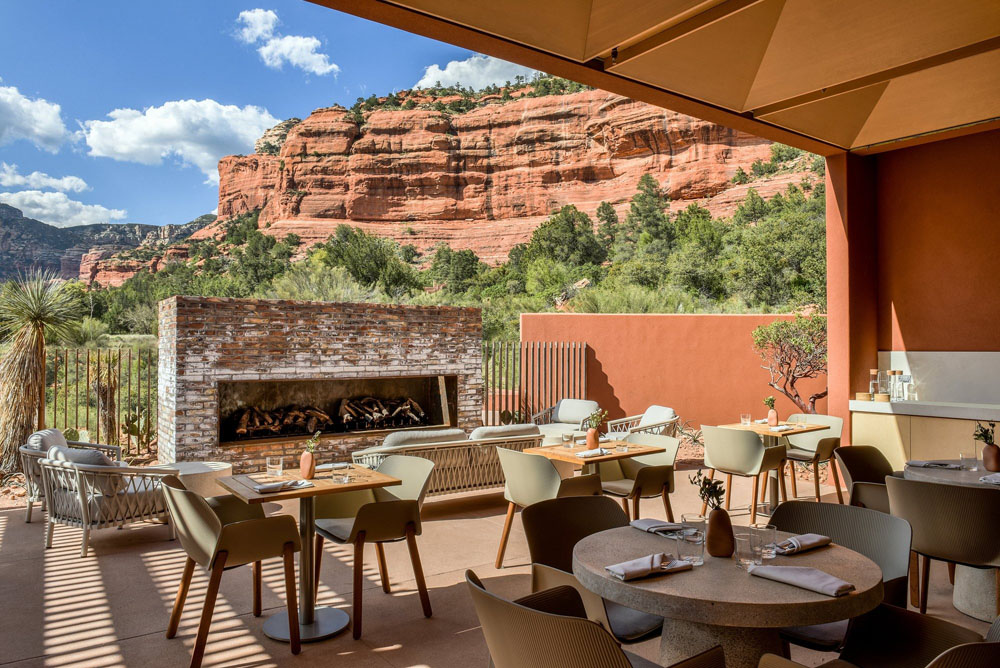
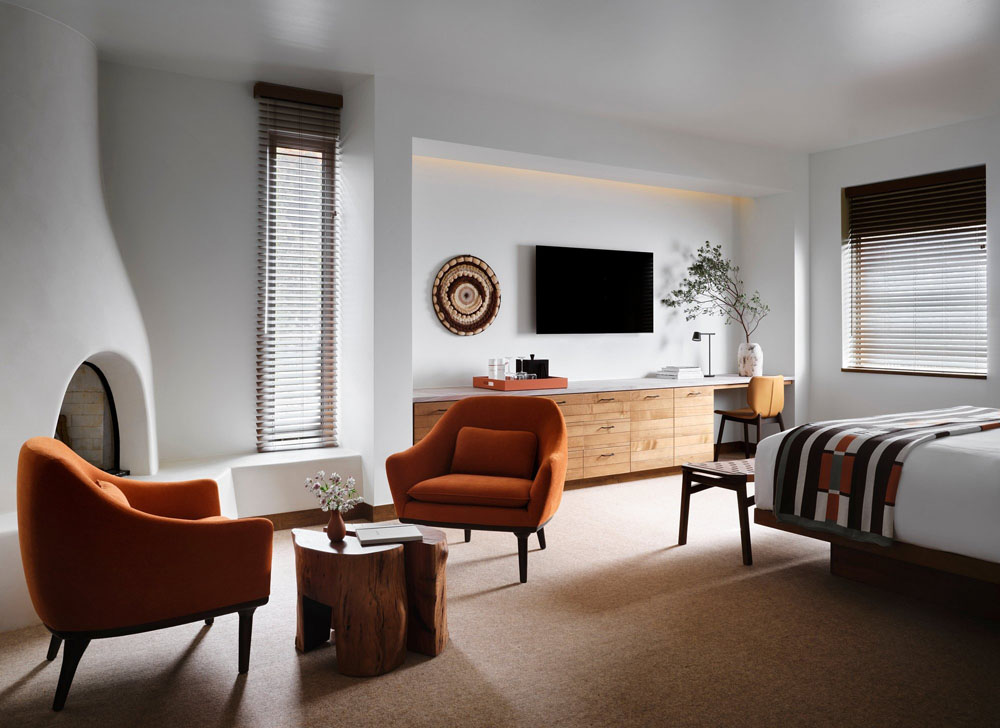
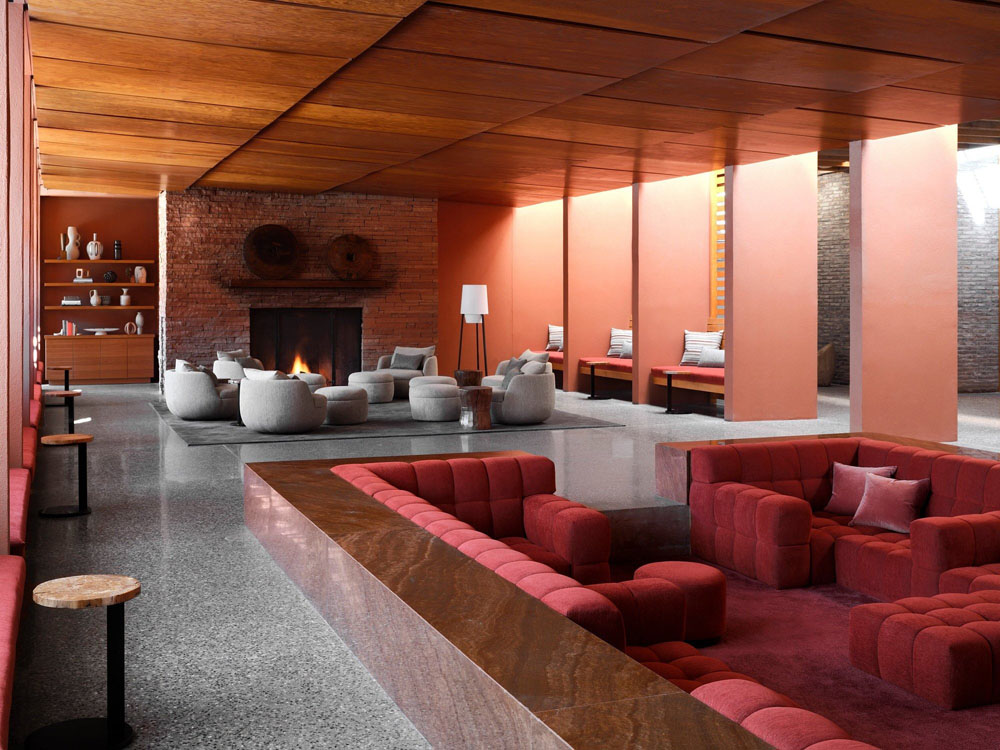
Mii amo occupies a different register entirely. Situated within Boynton Canyon, one of Sedona's most spiritually charged corridors and the site of ancient Sinagua habitation, the property functions as a destination spa that draws as much from the cultural weight of its location as from its architecture. The canyon walls here are closer and more enclosing than the open mesa terrain near Ambiente, and the design responds accordingly — adobe forms, earthen tones, materials that absorb rather than reflect light. Mii amo underwent a full renovation completed in 2022, deepening its commitment to place-specific wellness programming and refining interiors that had, over the years, become somewhat generic in the spa-resort idiom. At average rates approaching fifteen hundred dollars a night, it sits at the very top of what Sedona offers, and what it offers is essentially immersion: in the canyon, in silence, in a deliberate slowness that the surrounding geography seems to enforce. The choice between these two properties is less about amenity and more about what kind of attention you want to pay to the land.