Best hotels in Half Moon Bay | A Curated Visual Guide to Top Stays
Welcome to PressBeyond, the ultimate curated visual guide for design-driven hotels! My name is Will Miller and this is my recommendation for the best boutique and luxury hotel in Half Moon Bay.
I am the founder of PressBeyond and I am an ultra-meticulous hotel curator who loves clean visuals. I have individually analyzed and tiered the hotel included in this guide based on a variety of criteria (architecture & design, location, brand & brand affiliation, existing reviews, and my own personal experiences), and importantly, I have hand-selected the leading imagery for this hotel to provide you with easily-digestible, yet detailed and complete, like-for-like, high-level visual profiles. I felt this summarization step was a critical missing piece across existing guides, blogs, and booking platforms. My aim is to make it easier for people to identify hotel environments that resonate with them, along with enabling them to visualize the types of social experiences that those environments help foster. My brain doesn't work when exposed to cluttered content, so my goal was to create the opposite.
Underneath this, we are also a full booking engine offering 5% Venmo cash back along with other exclusive perks. For all of you design-obsessed hotel enthusiasts out there, I hope this guide helps get you to where you see yourself!
An Overview of the Boutique & Luxury Hotel Landscape in Half Moon Bay
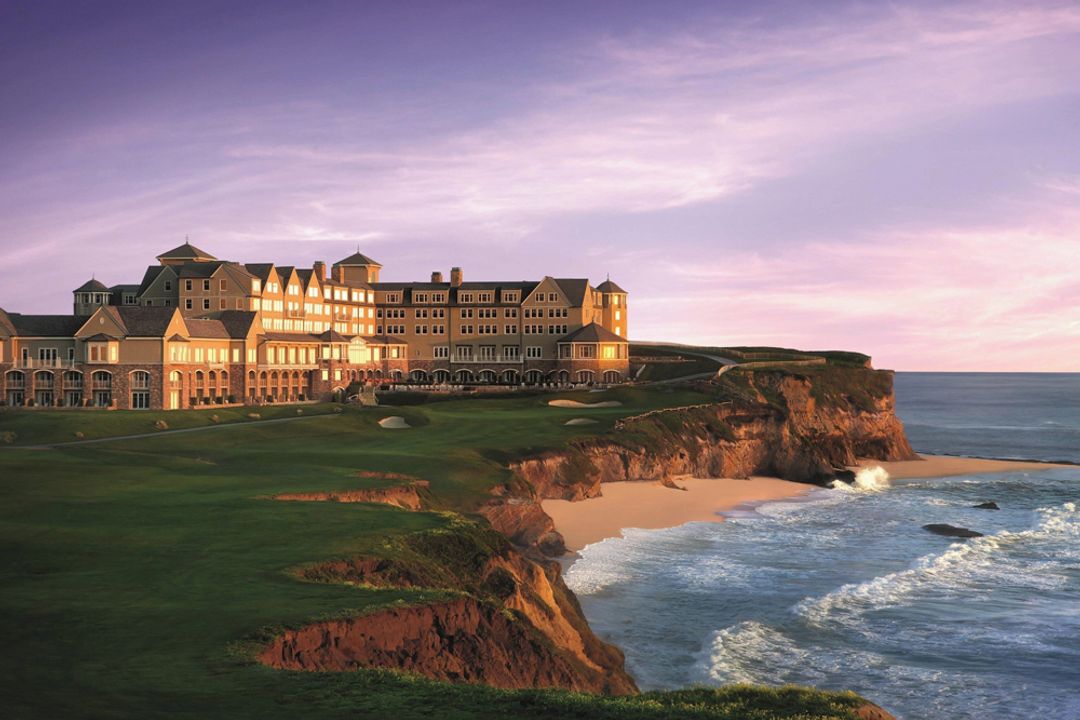
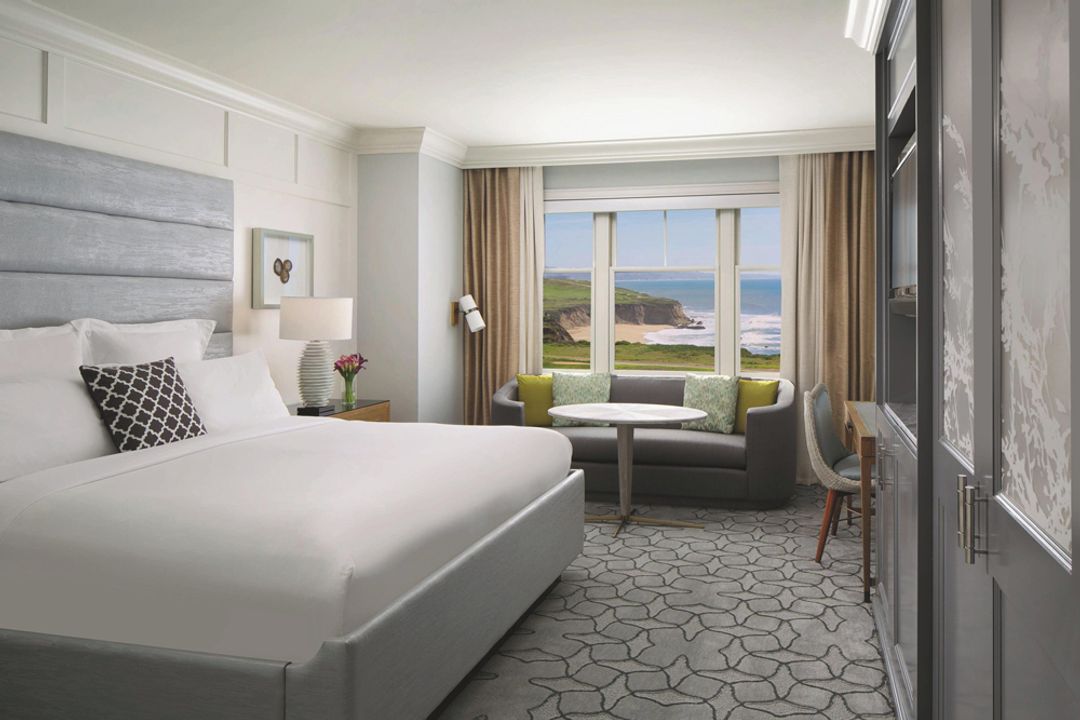
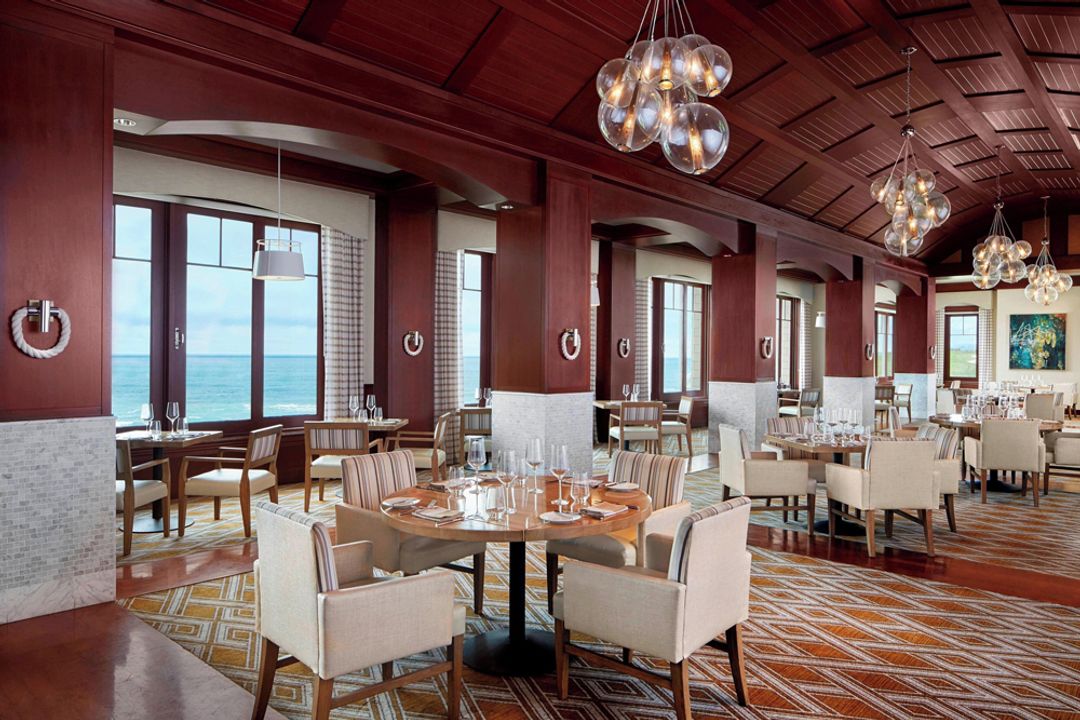
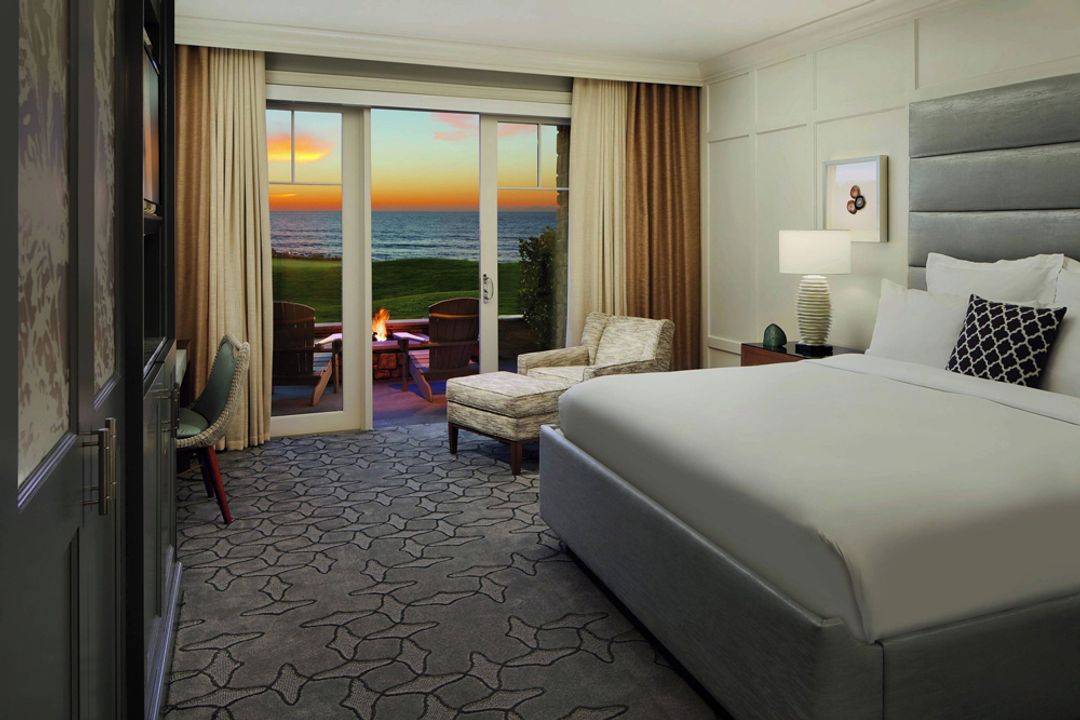
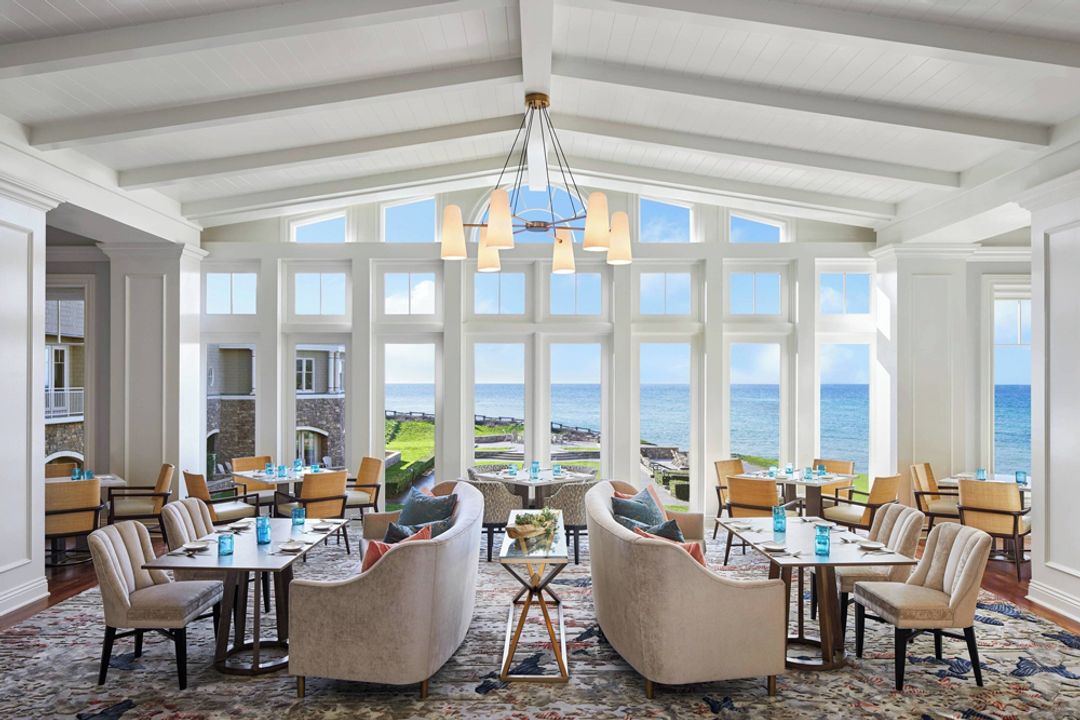
The coast highway south of San Francisco has a way of resetting expectations. The suburban sprawl of the Peninsula gives way, somewhere around Pacifica, to something more elemental — sea stack geology, coastal scrub, and a horizon that on clear days feels almost confrontational in its scale. Half Moon Bay sits at the center of this stretch, a working agricultural town where pumpkin fields run to within a few hundred meters of the cliff edge, and where the Pacific arrives not as amenity but as weather system. It is not a design capital. The town's Main Street runs to surf shops and farm stands, and the architecture is largely utilitarian. What makes it worth a design-conscious traveler's attention is precisely this friction between the landscape's drama and the built environment's modesty. The Ritz-Carlton Half Moon Bay, positioned above Three Rocks Beach on a bluff at the town's southern edge, is the deliberate exception to that modesty. Opened in 2001, the property was conceived in a coastal shingle style that draws on the northern California vernacular — cedar-clad facades, pitched rooflines, a massing designed to read as compound rather than resort monolith. It occupies a headland position that gives it unobstructed views in three directions, with the Pacific Coast Golf Links running along the bluff directly below. The interiors work in natural stone, warm timber, and a palette calibrated to the surrounding geology — the gray-green of lichen on sandstone, the ochre of dry coastal grasses. At $880 a night, it sits firmly in the category of deliberate occasion rather than casual escape, and that intentionality suits the architecture. What the Ritz-Carlton offers that most coastal California properties do not is a genuine encounter with exposure. The wind off the Pacific at this latitude is real, the fog rolls in without ceremony, and the landscape doesn't perform for the guest. That quality of place — austere in the best sense, demanding a degree of attentiveness — is what the property was built around, and it remains the most compelling reason to come. Half Moon Bay is not a destination you visit to be impressed by a city; you visit because the land itself is doing something worth paying attention to, and the hotel, for all its considerable comfort, understands that clearly enough to stay out of the way.