Best hotels in Cincinnati, Ohio | Visually Compare Top Stays Side-by-Side
Welcome to PressBeyond - a curated visual guide to design-driven hotels and the fastest way to compare them.
An Overview of the Boutique & Luxury Hotel Landscape in Cincinnati, Ohio
Cincinnati earns more architectural attention than most American cities its size, partly because of what it kept. The nineteenth-century building stock along the Ohio River, the Beaux-Arts civic ambition of downtown, and the stacked neighborhoods climbing away from the waterfront on steep hillsides give the city a density of built history that rewards anyone who pays attention to what a city is made of. Over the Roebling Suspension Bridge, which predates the Brooklyn Bridge by several years and shares its engineer, the Kentucky shore holds its own, but the most concentrated layer of Cincinnati's historical character sits in the blocks around Lytle Park, a small formal park just east of the central business district where the city's Gilded Age ambitions are still physically present.
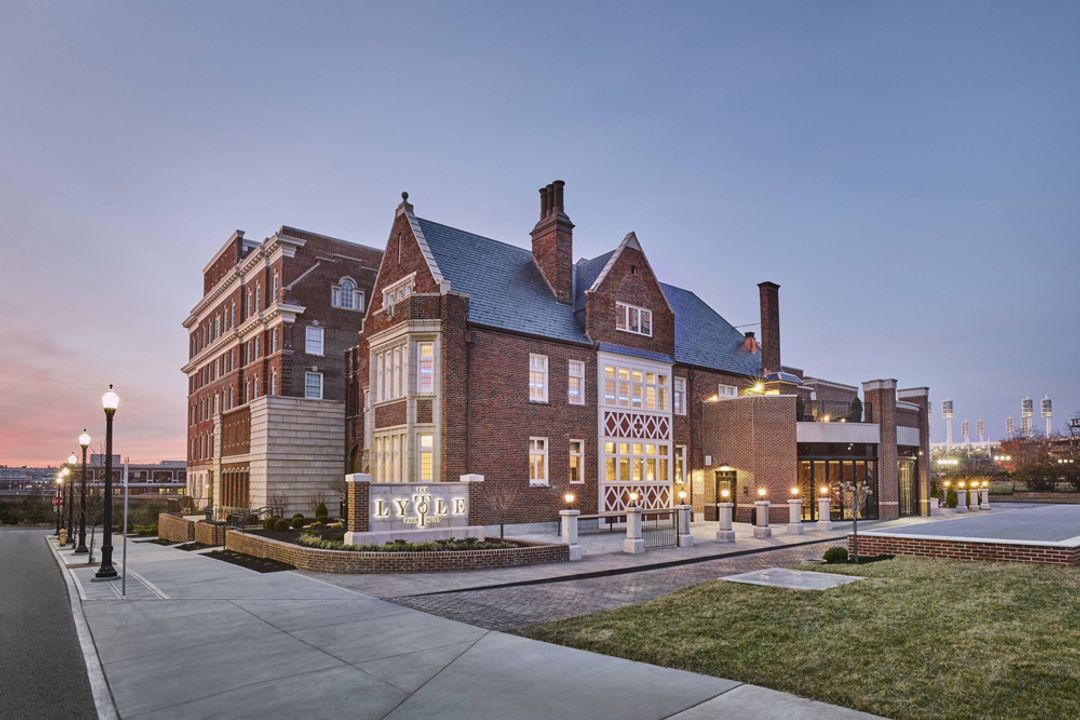
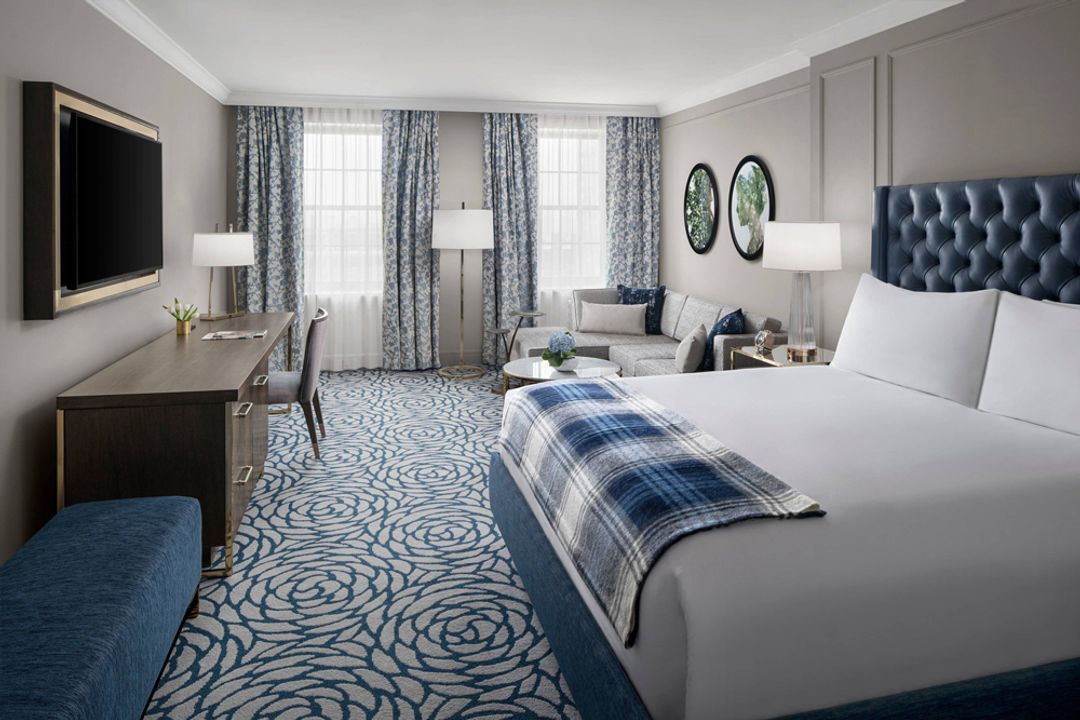
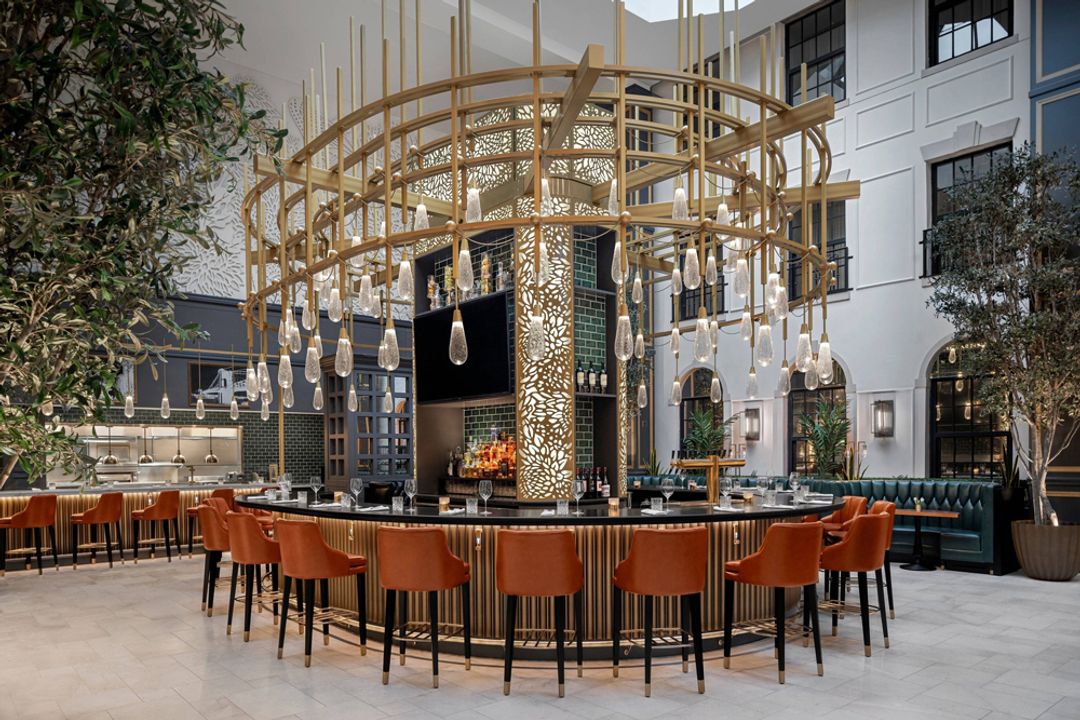
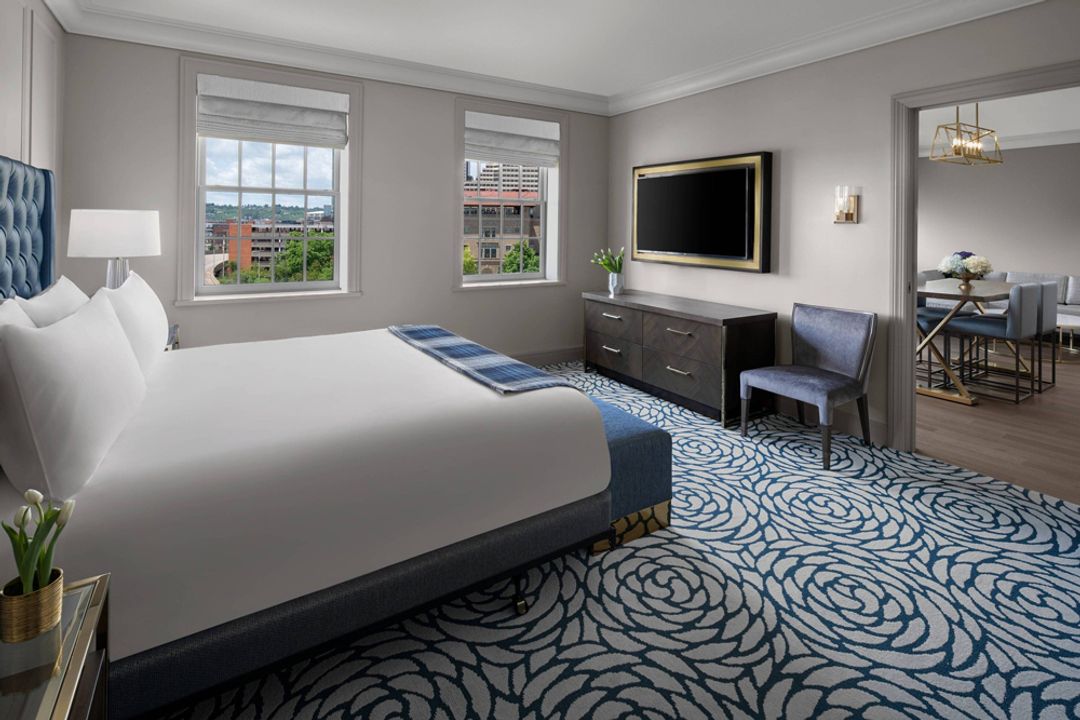
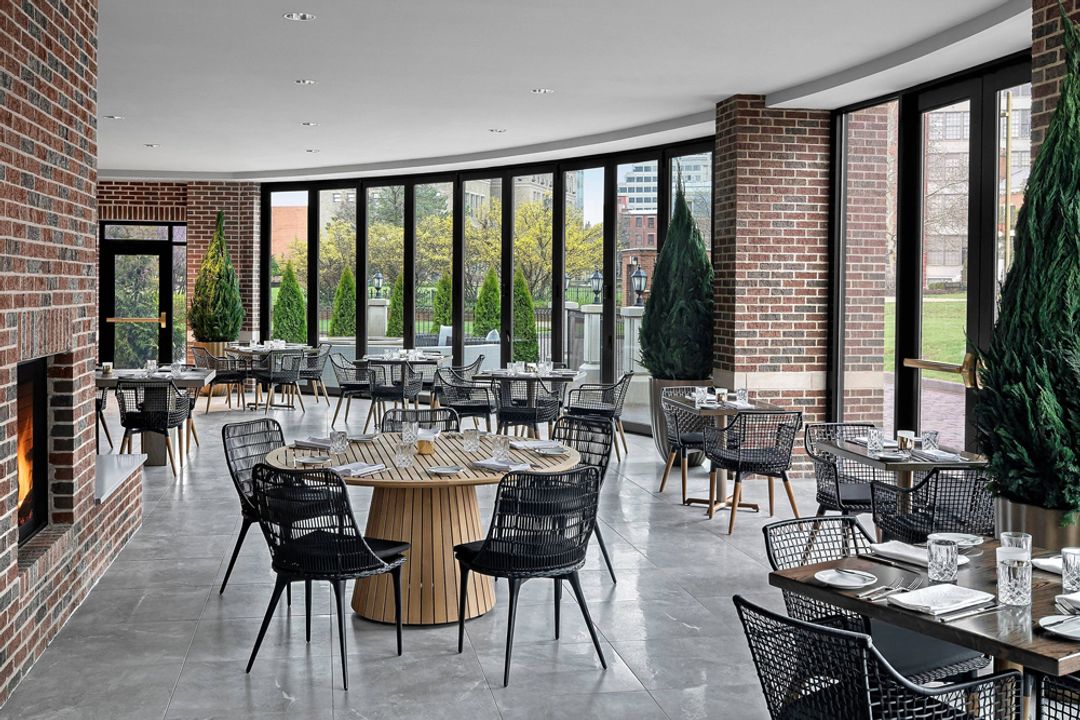
The Lytle Park Hotel, part of Marriott's Autograph Collection, occupies a 1909 Beaux-Arts building that was originally constructed as the Anna Louise Inn, a residence for working women, later converted and expanded over the decades before its careful restoration and reopening in 2020. The renovation preserved the building's ornamental limestone facade, its grand proportions, and the sense of civic seriousness that characterized institutional architecture of that period, while the interiors were updated with a palette that references Cincinnati's heritage in material rather than theatrical costume. The hotel sits directly across from the park itself, and the neighborhood around it includes the Taft Museum of Art, housed in an early nineteenth-century Federal-style mansion, which helps frame this corner of the city as genuinely cultural rather than merely promotional about being so.
For a traveler whose instinct is to stay somewhere that tells them something true about where they are, the Lytle Park Hotel is the answer Cincinnati currently offers at this level. It is not a conversion that fights its building, and it is not a contemporary insertion trying to reframe an older neighborhood by contrast. What it does is quieter and, in the end, more satisfying: it holds its context carefully, situates itself within the park-front character of this particular block, and lets the city's nineteenth-century confidence do the atmospheric work. Downtown Cincinnati and the Over-the-Rhine neighborhood, with its dense concentration of Italianate architecture and one of the largest intact historic districts in the country, are both within easy reach, making Lytle Park a practical as well as historically grounded base.