Best hotels in Montevideo | Visually Compare Top Stays Side-by-Side
Welcome to PressBeyond - a curated visual guide to design-driven hotels and the fastest way to compare them.
An Overview of the Boutique & Luxury Hotel Landscape in Montevideo
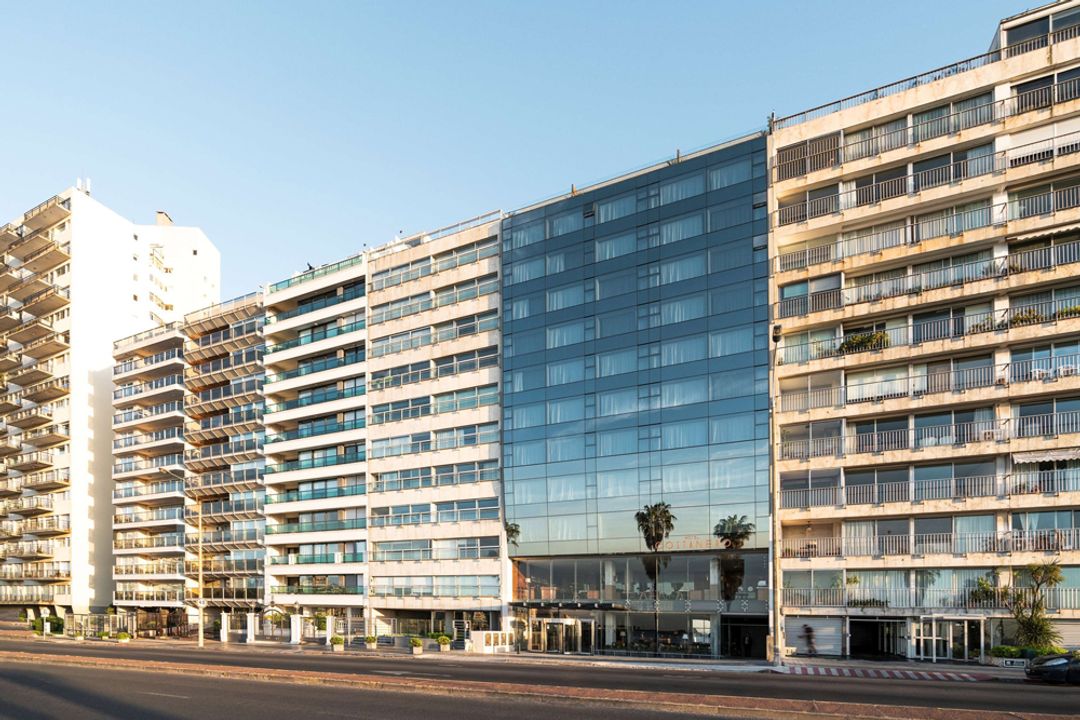
Pocitos is where Montevideo exhales. The neighborhood runs along the Río de la Plata's edge in a long curve of pale sand and salt air, backed by apartment blocks in a distinctly Uruguayan strain of mid-century modernism — balconied, unhurried, built for the afternoon light rather than any particular ambition. It is the part of the city that residents actually inhabit, which gives it a texture that the older Ciudad Vieja, for all its colonial atmosphere, can sometimes lack. Both of the platform's Montevideo properties sit here, and their proximity is less a coincidence than a reflection of where the city's better hospitality infrastructure has quietly concentrated itself.
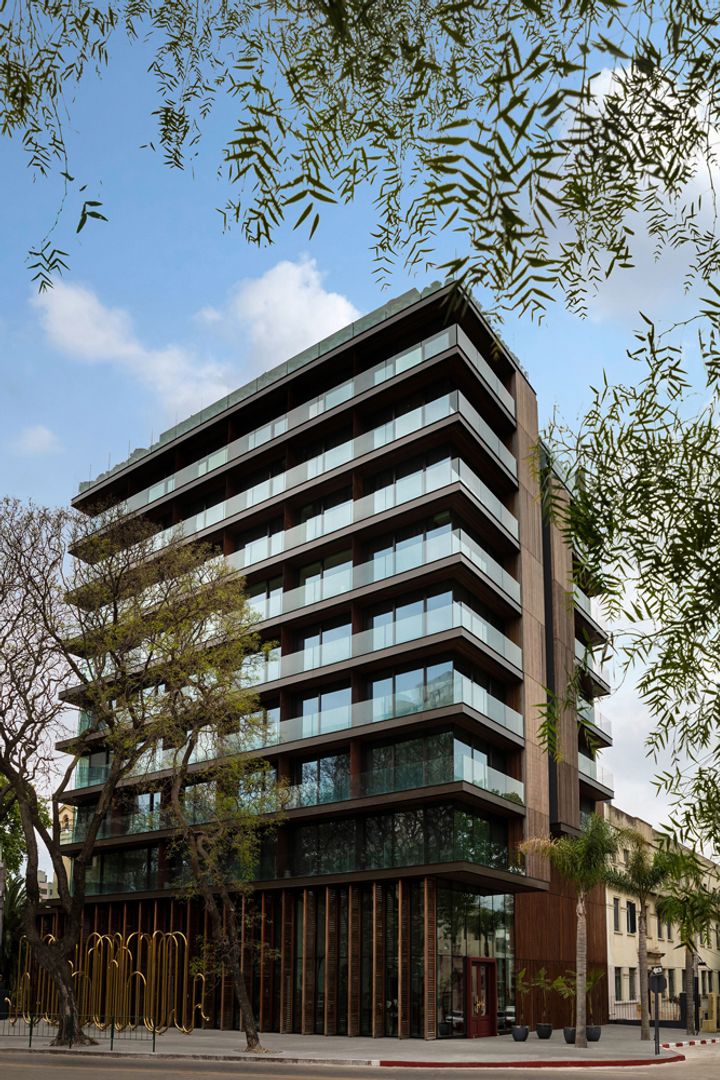
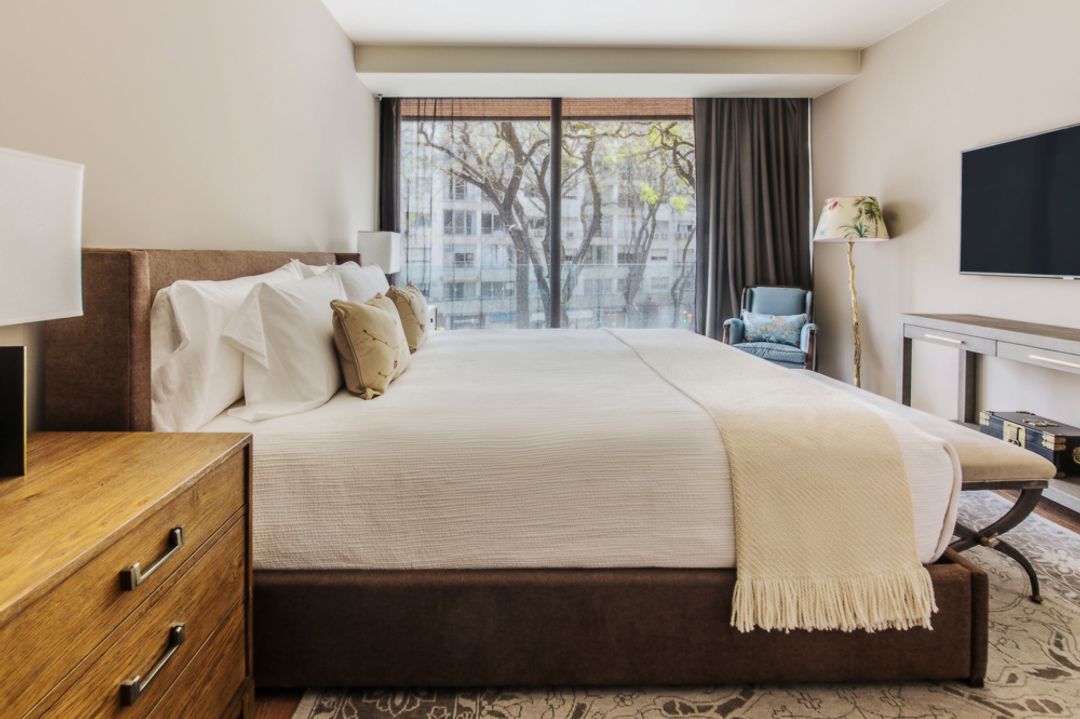
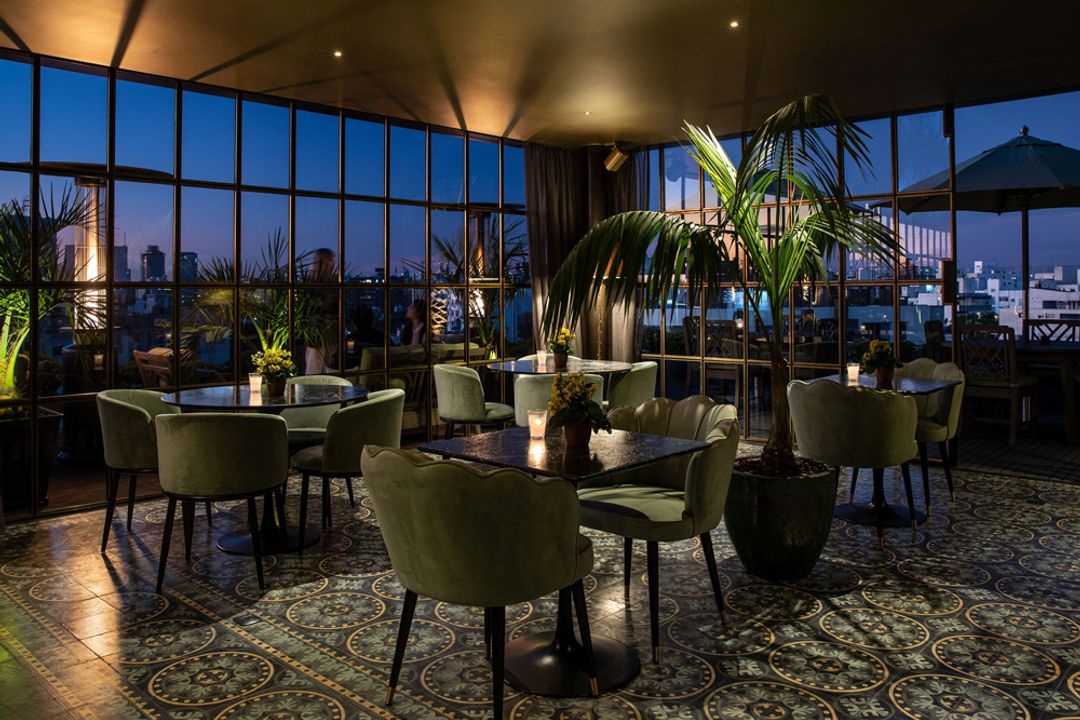
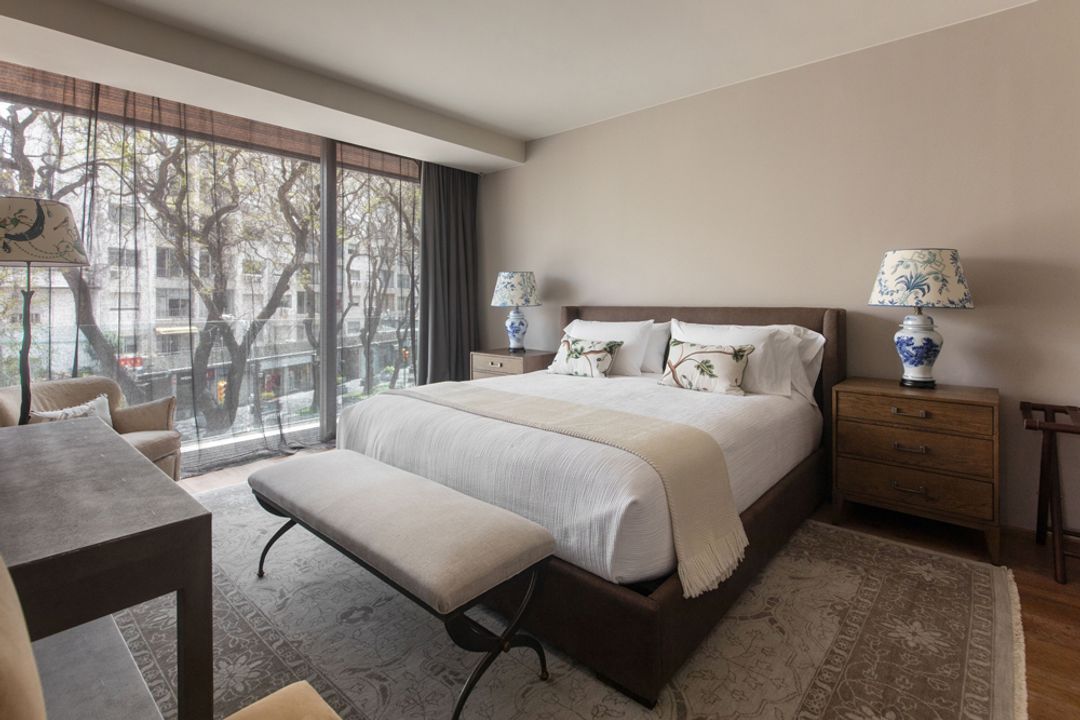
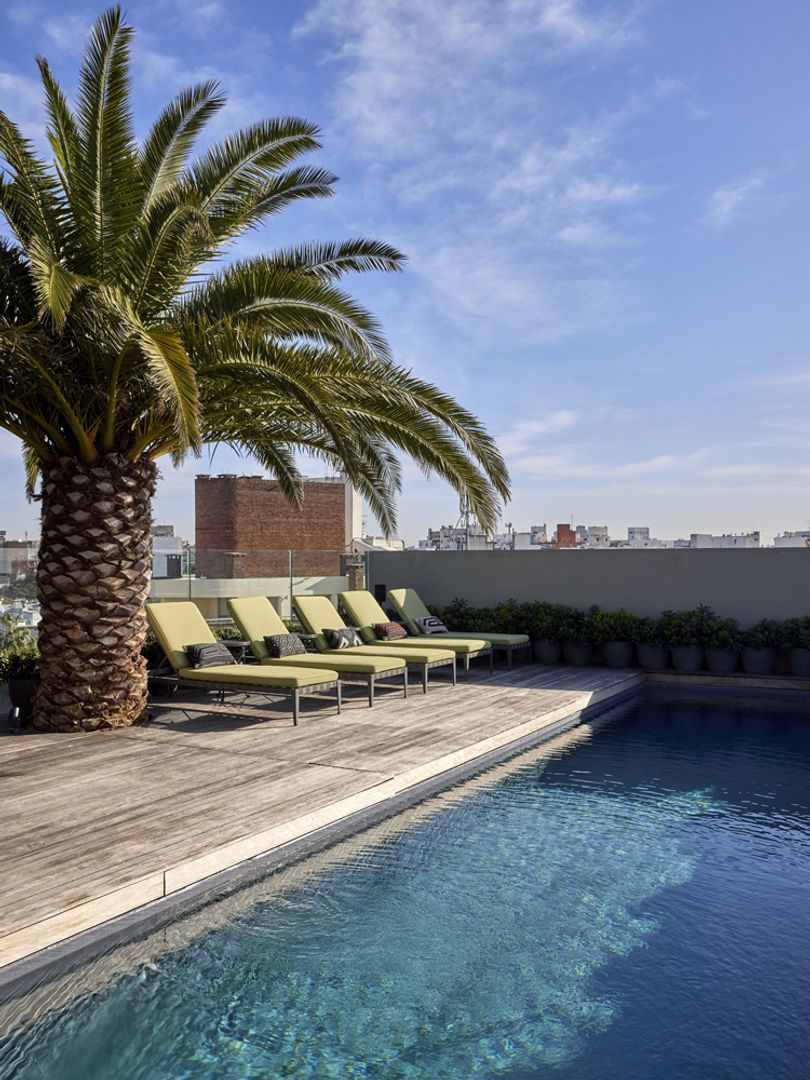
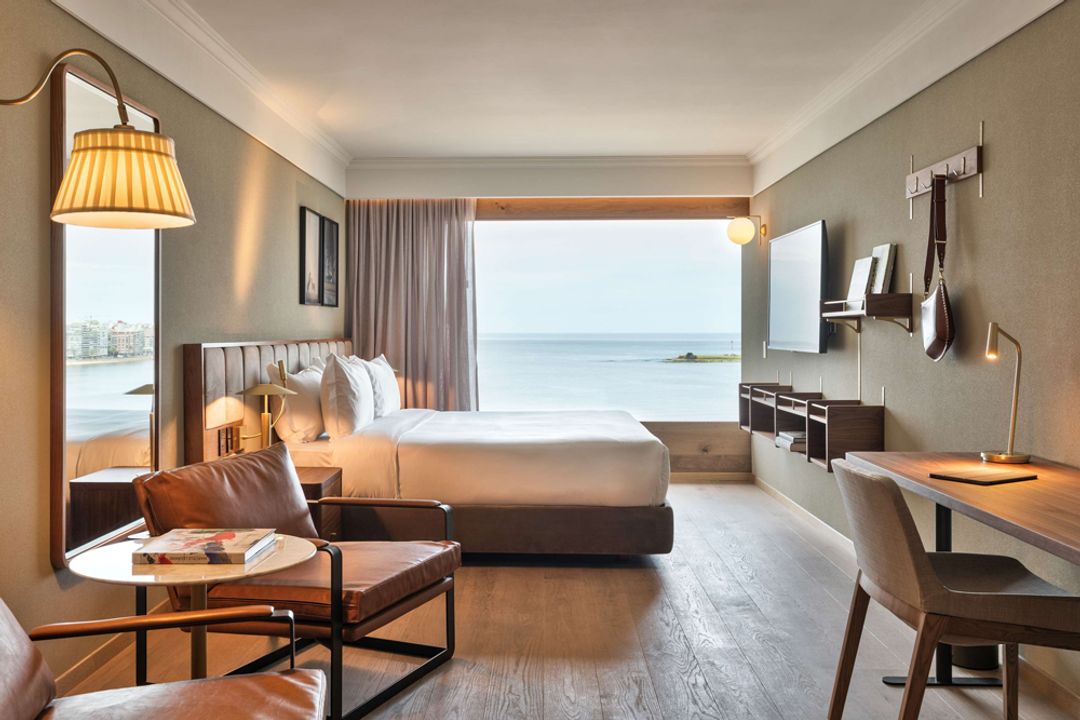
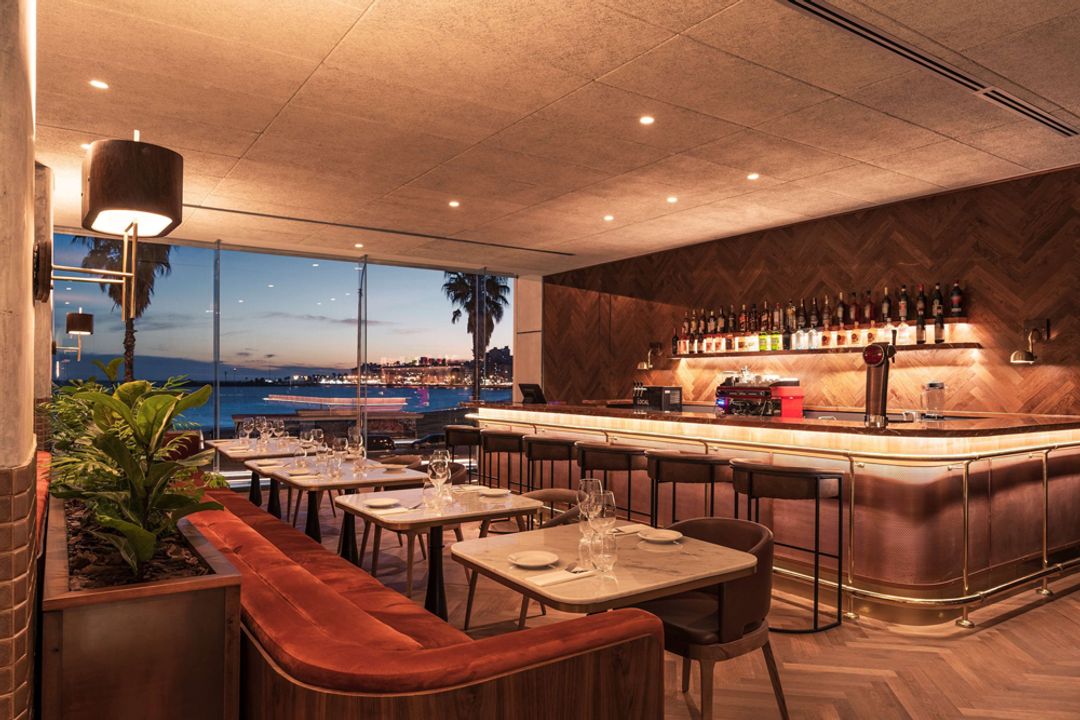
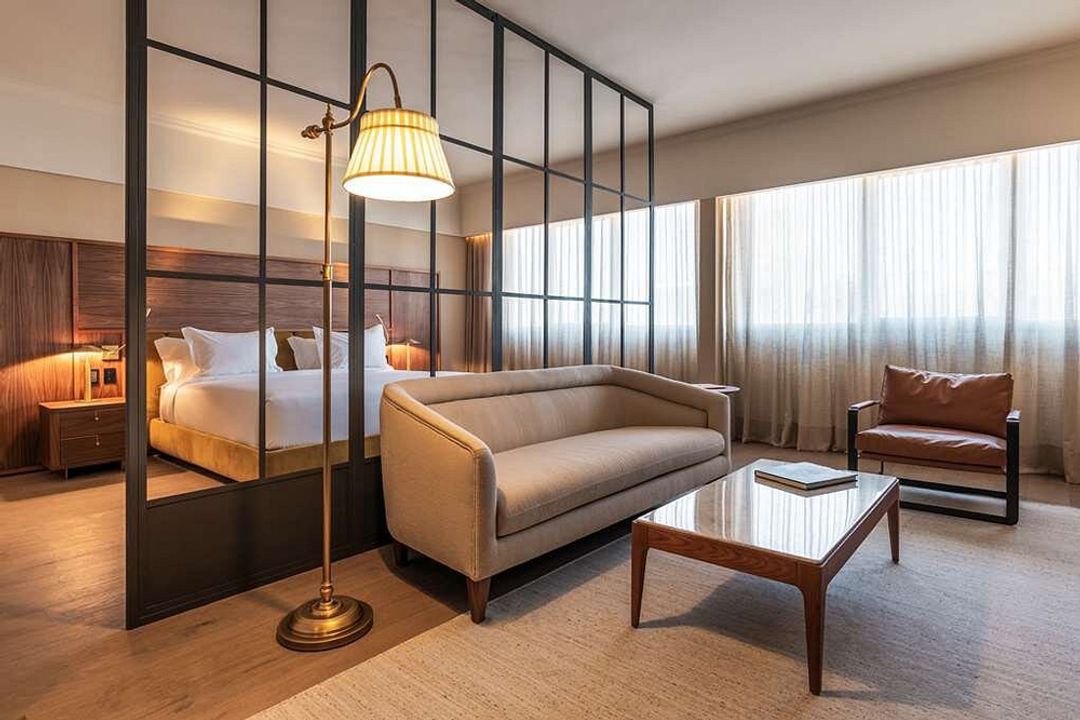
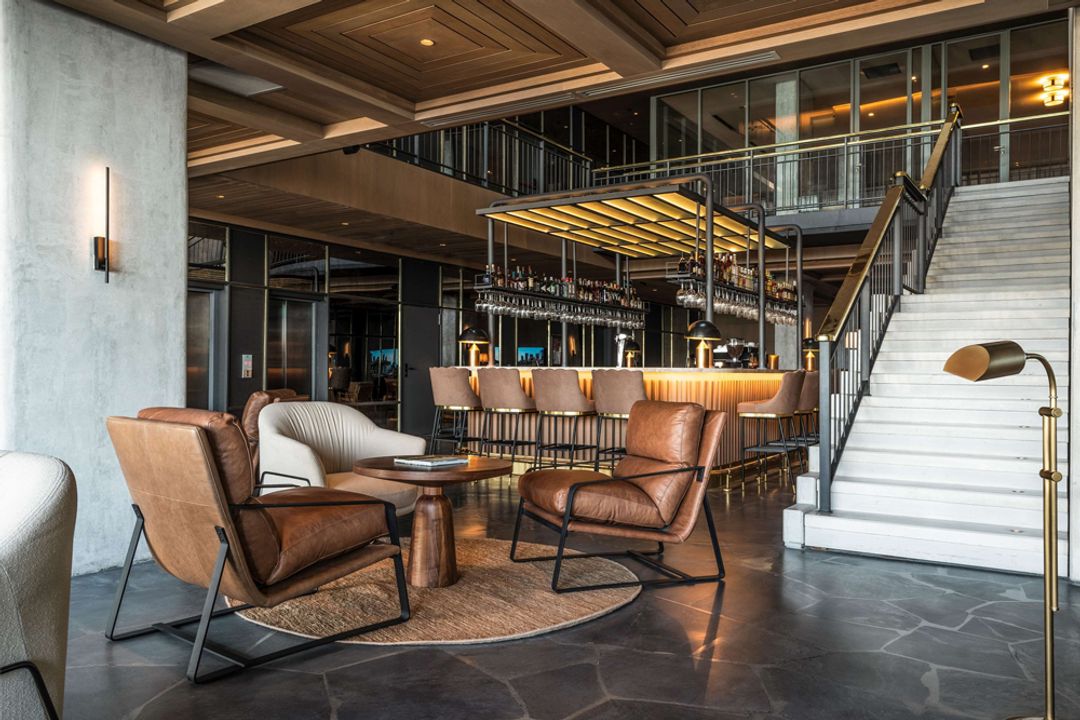
The Hotel Costanero Montevideo, operating under Accor's MGallery collection, occupies a position near the Pocitos beachfront and carries the brand's characteristic investment in narrative and material finish — MGallery properties are generally distinguished from generic luxury-tier hotels by a deliberate curatorial approach to the local, and Costanero leans into its coastal position accordingly. At around $180 a night, it sits at the higher end of what Montevideo asks of visitors, though that figure would feel modest measured against comparable design-conscious properties in Buenos Aires or São Paulo. The Hotel Montevideo, also in Pocitos and priced just below at $143, offers a slightly more straightforward proposition — less branded story, still firmly in the high-quality tier, and useful for travelers who want the neighborhood without the layered hospitality concept.
What both properties share is their address: Pocitos gives you Montevideo at a remove from its more performed tourist identity, with the rambla — that long, uninterrupted riverside promenade — functioning as the city's real social infrastructure. Early mornings here belong to runners and mate drinkers; evenings stretch slowly. Neither hotel is an architectural landmark in the manner of, say, a Raphael Viñoly building or a piece of historic restoration, and Montevideo has not yet produced the kind of headline-generating hotel design that draws architecture tourists in their own right. What these two properties offer instead is calibrated comfort in a neighborhood with genuine character, at a price point that allows the rest of the travel budget to go where Montevideo genuinely earns it — its restaurants, its wine, and the particular quality of doing very little, very well.