Best hotels in Hoi An, Vietnam | Visually Compare Top Stays Side-by-Side
Welcome to PressBeyond - a curated visual guide to design-driven hotels and the fastest way to compare them.
An Overview of the Boutique & Luxury Hotel Landscape in Hoi An, Vietnam
Hoi An is a city that survived the twentieth century largely by accident. While the rest of coastal Vietnam was reshaped by war and rapid modernization, this ancient trading port on the Thu Bon River was bypassed by enough history to preserve something genuinely rare: a functioning, inhabited old town whose shophouse terraces, Japanese Covered Bridge, and Chinese assembly halls still read as an architectural whole. The UNESCO designation arrived in 1999, but the bones were already there, pale yellow plaster and dark timber framing a streetscape that has changed less in two hundred years than most Asian cities have changed in two decades.
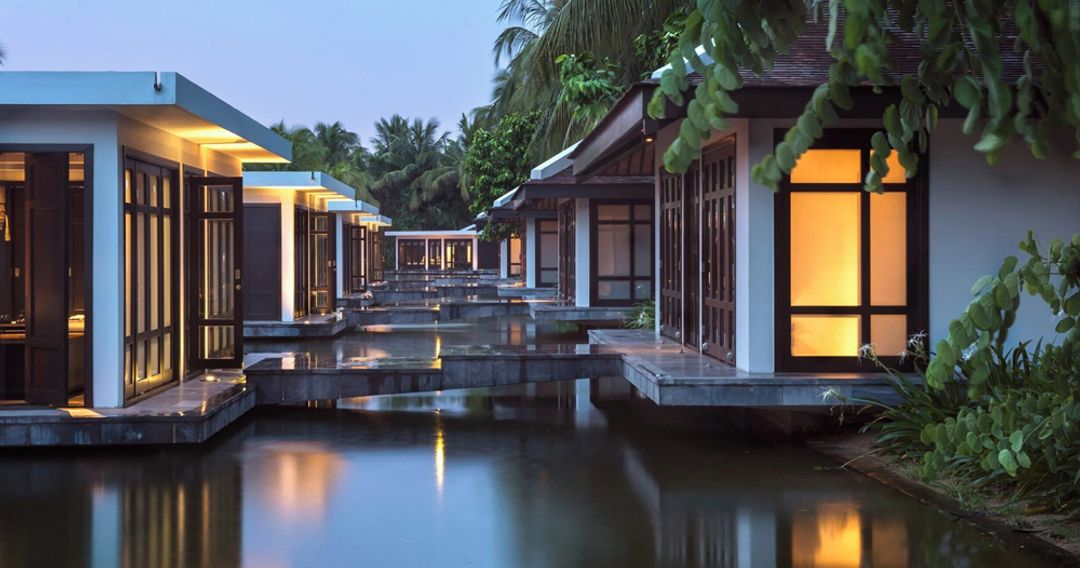
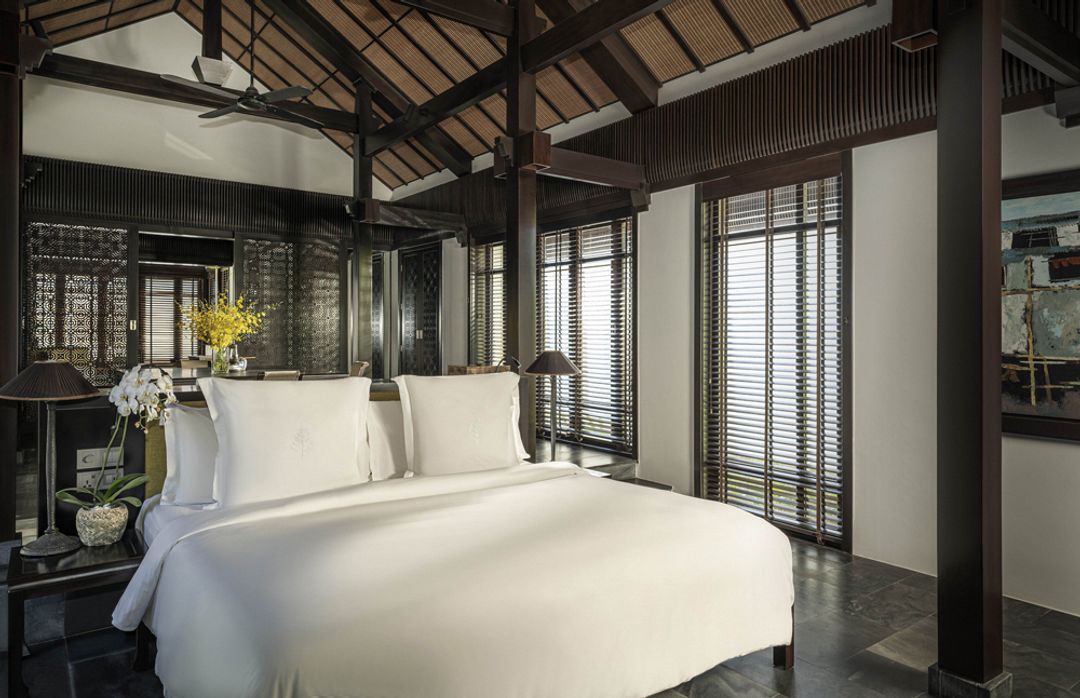
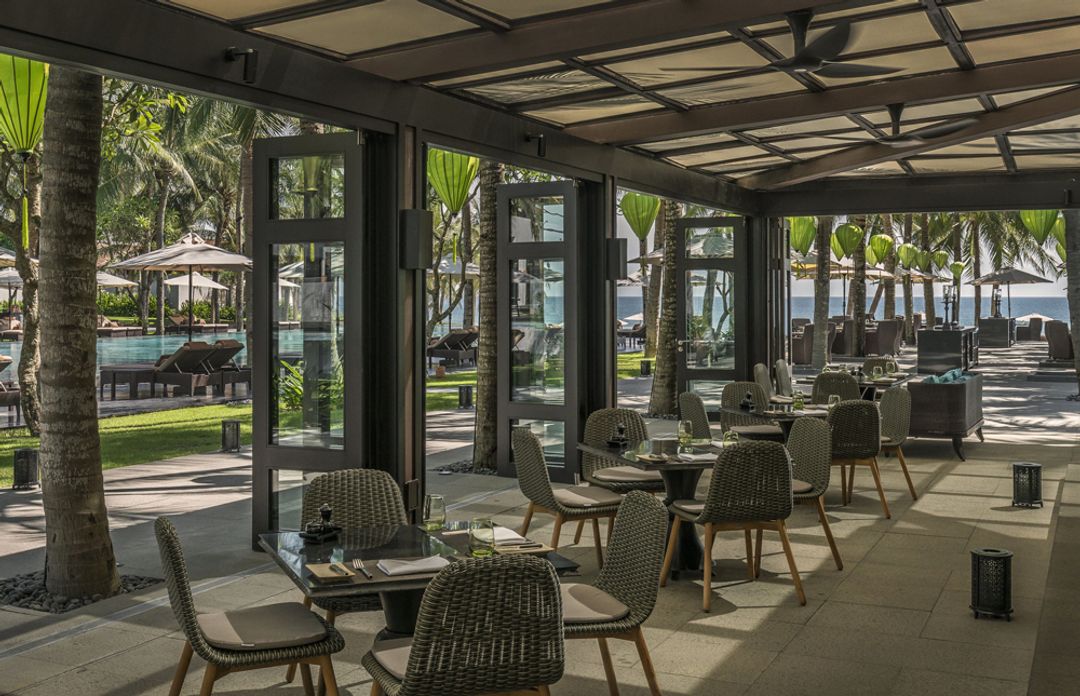
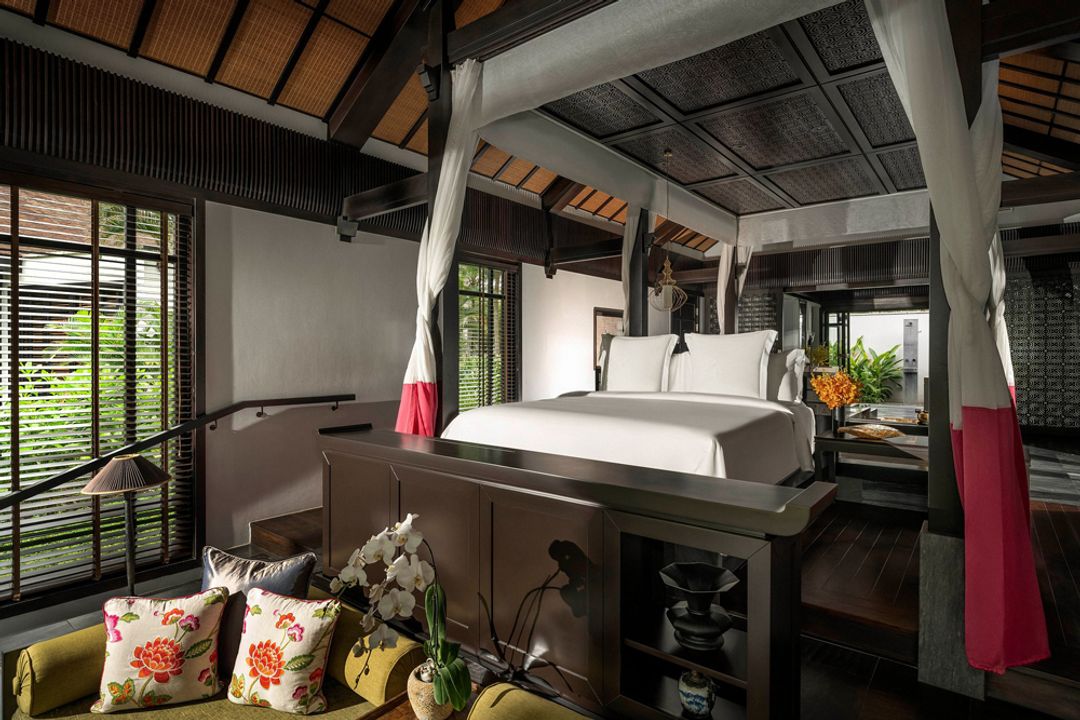
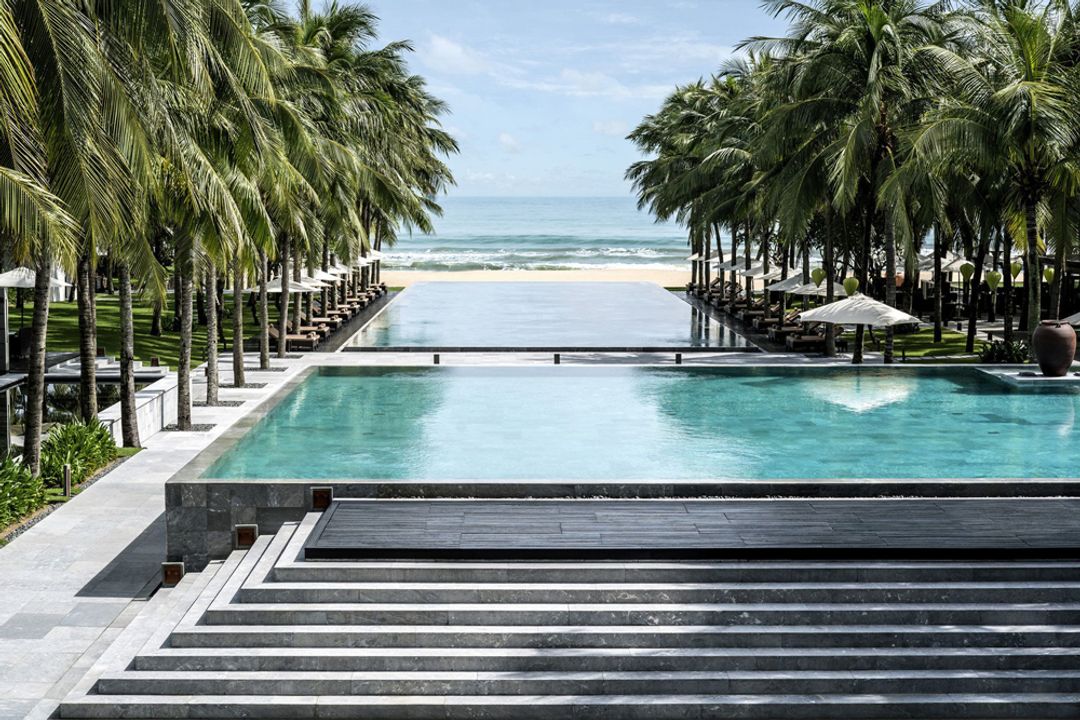
Beyond the old town, the coast opens up. Ha My Beach, north of the Cua Dai shoreline, sits at a remove from the heritage district's pedestrian rhythms, and it is here that the Four Seasons Resort The Nam Hai has occupied a stretch of coastline since 2006. The resort was conceived by Architrave Design and Planning, with interiors that draw on the material vocabulary of central Vietnamese vernacular construction, terracotta, timber, and thatch, without tipping into pastiche. The layout reads as a village rather than a conventional resort corridor, with pool villas arranged across gently terraced grounds that descend toward the sea. Each villa has its own plunge pool, and the three main pools are organized on a sight line directly toward the water, a gesture that sounds simple but requires considerable landscape precision to pull off. The cooking school and spa programs are genuinely embedded in the regional context, not bolted on as amenities, and the resort has maintained a quality of service that consistently places it among the better-run Four Seasons properties in Asia.
The case for staying at the Nam Hai rather than in the old town itself is worth making plainly. Hoi An's heritage district is best experienced on foot, by day and by lantern-lit evening, but the accommodation within it ranges from atmospheric to compromised. The Nam Hai offers a counterpoint: privacy, materiality, and a quieter engagement with the landscape of the central Vietnamese coast. For a traveler who wants to spend mornings cycling into the old town and afternoons in actual stillness, the distance between Ha My Beach and the Thu Bon is not an obstacle. It is the point.