Best hotels in Bariloche | A Curated Visual Guide to Top Stays
Welcome to PressBeyond, the ultimate curated visual guide for design-driven hotels! My name is Will Miller and this is my recommendation for the best boutique and luxury hotel in Bariloche.
I am the founder of PressBeyond and I am an ultra-meticulous hotel curator who loves clean visuals. I have individually analyzed and tiered the hotel included in this guide based on a variety of criteria (architecture & design, location, brand & brand affiliation, existing reviews, and my own personal experiences), and importantly, I have hand-selected the leading imagery for this hotel to provide you with easily-digestible, yet detailed and complete, like-for-like, high-level visual profiles. I felt this summarization step was a critical missing piece across existing guides, blogs, and booking platforms. My aim is to make it easier for people to identify hotel environments that resonate with them, along with enabling them to visualize the types of social experiences that those environments help foster. My brain doesn't work when exposed to cluttered content, so my goal was to create the opposite.
Underneath this, we are also a full booking engine offering 5% Venmo cash back along with other exclusive perks. For all of you design-obsessed hotel enthusiasts out there, I hope this guide helps get you to where you see yourself!
An Overview of the Boutique & Luxury Hotel Landscape in Bariloche
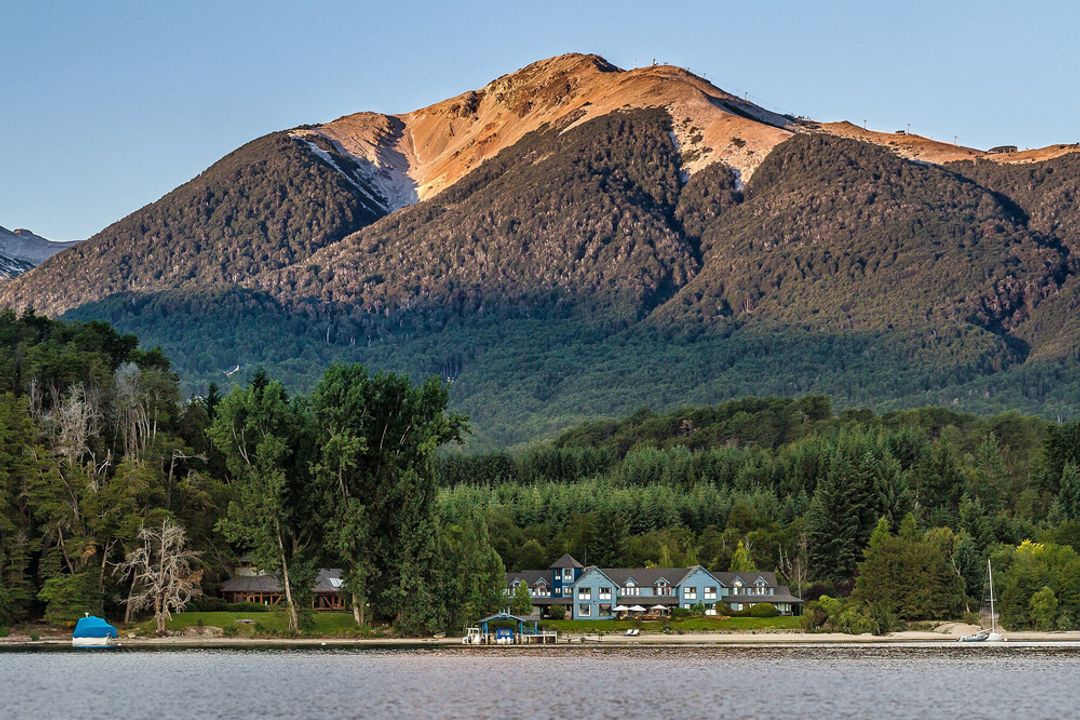
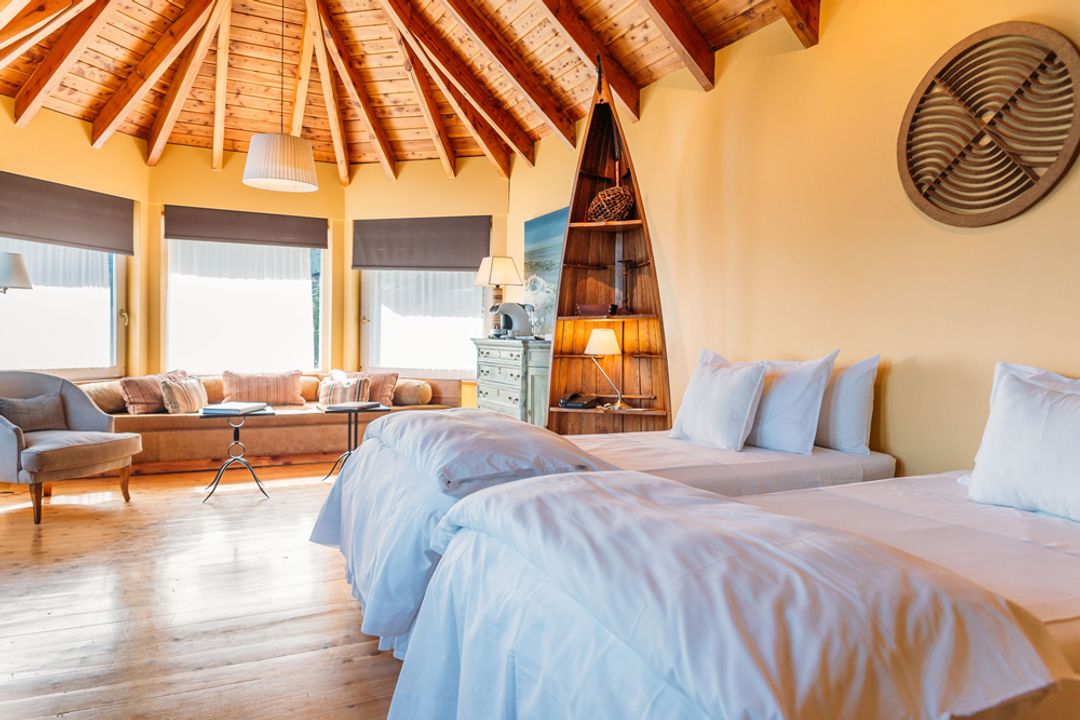
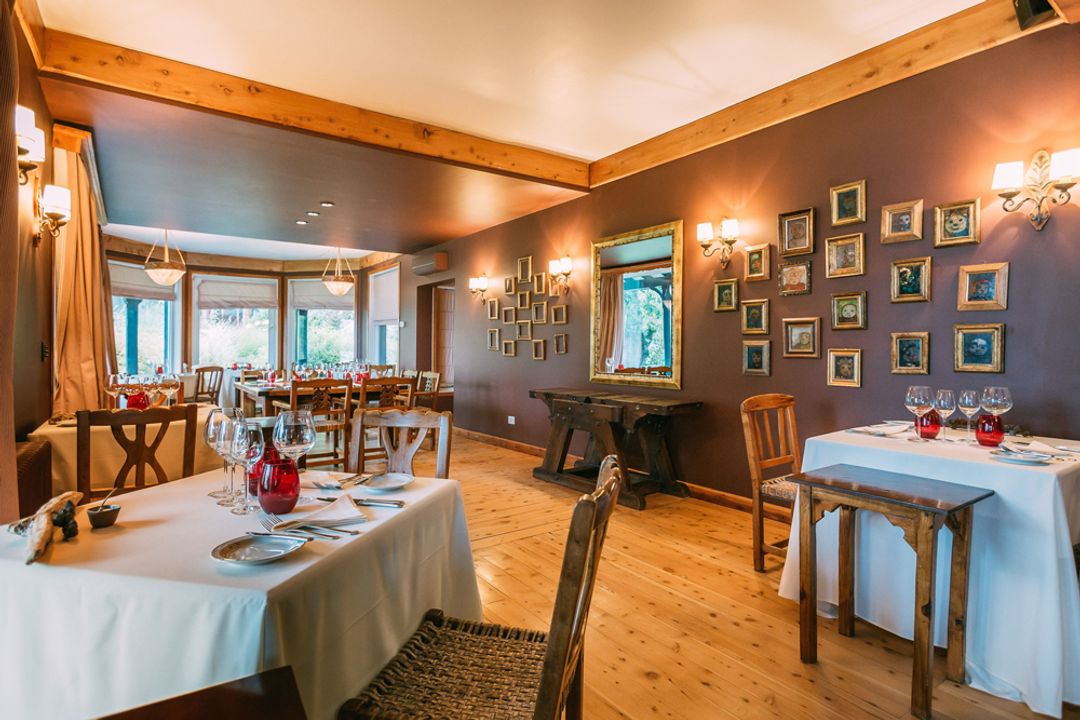
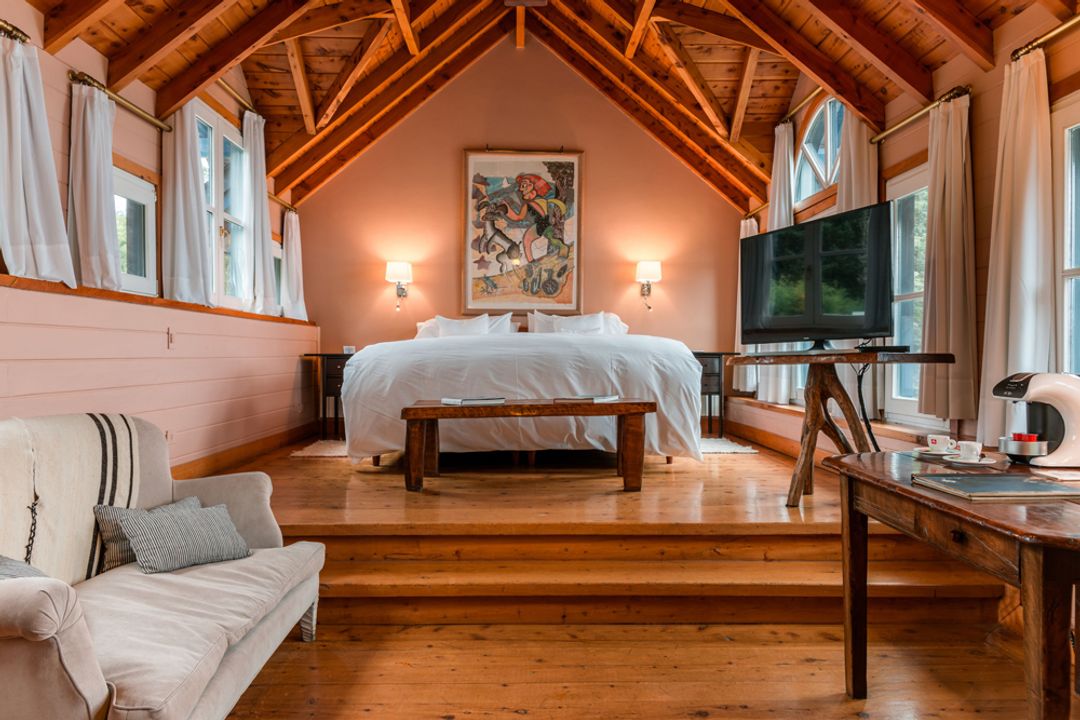
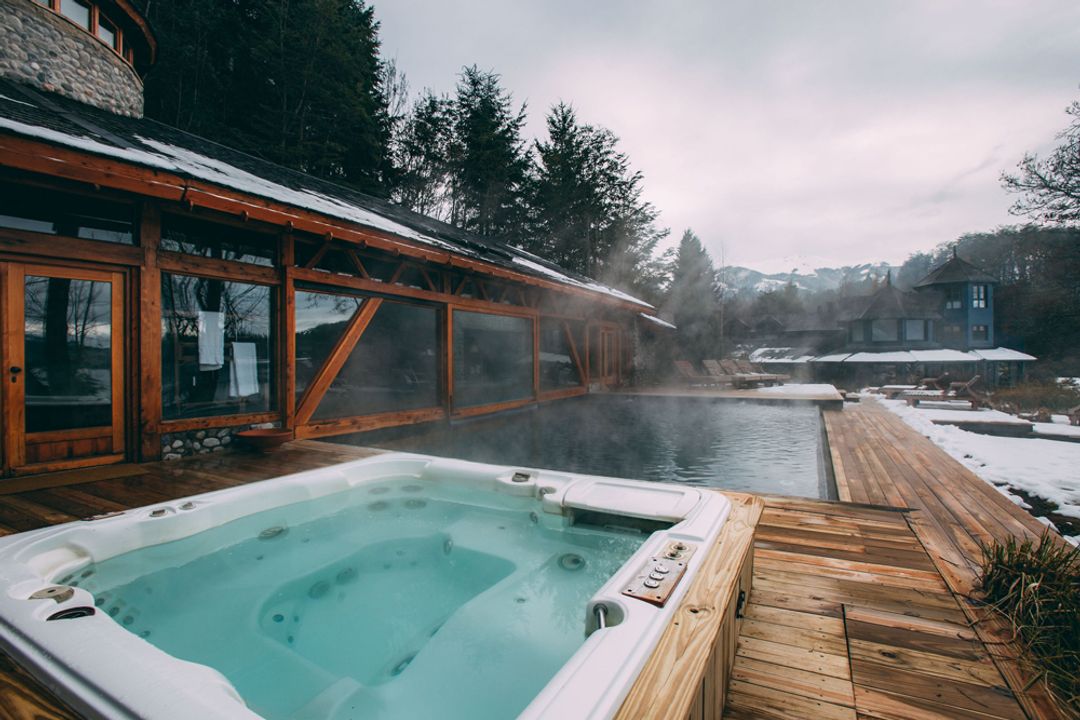
The Nahuel Huapi lake district operates by its own material logic. Basalt, lenga beech, Patagonian cypress — these are the building blocks of a regional vernacular that emerged in the 1930s when architect Ezequiel Bustillo was commissioned to design the civic and park infrastructure of Bariloche itself, giving the town its distinctive Central European alpine character: stone facades, steep pitched roofs, the visual grammar of a Swiss canton translated into Argentine granite. That foundational aesthetic has shaped every serious building project in the region since, creating an unusual situation where the landscape and the architecture are in genuine conversation rather than mutual indifference. Villa La Angostura, forty-five minutes north along the lake road, is where that conversation reaches its most considered register. The village sits at the base of the Arrayanes peninsula — one of the few places on earth where the myrtle forest grows in pure stands — and it has attracted a quieter, more architecturally selective clientele than Bariloche proper. Las Balsas, positioned directly on the lake's southern shore, is the single property from this region featured here, and its selection is not arbitrary. The hotel occupies a low, timber-and-stone structure that reads less as a resort than as a continuation of the shoreline itself, its pitched volumes set into the slope with a restraint that the Bustillo tradition would recognize. Interiors work with local wool, hand-hewn wood, and the kind of patinated materials that suggest the building has been earning its place slowly rather than arriving fully formed. The lake views from its rooms are the kind that reorganize your sense of scale — Nahuel Huapi is vast in a way that photographs consistently fail to convey. What makes Las Balsas the right answer for a design-conscious traveler coming to this part of Patagonia is precisely its refusal to compete with the landscape through spectacle. The region has seen its share of overly theatrical lodge architecture — glass and steel gestures that announce themselves against the mountains. Las Balsas does the opposite, working with inherited materials and a horizontal disposition that lets the Andes and the water do what they have always done. For anyone arriving here specifically because of the Bustillo legacy, the stone churches, the Llao Llao Hotel's original 1938 massing, and the civic buildings that gave Bariloche its identity, Villa La Angostura and this address are the natural conclusion of that architectural education.