Best hotels in The Pampa | A Curated Visual Guide to Top Stays
Welcome to PressBeyond, the ultimate curated visual guide for design-driven hotels! My name is Will Miller and this is my recommendation for the best boutique and luxury hotel in The Pampa.
I am the founder of PressBeyond and I am an ultra-meticulous hotel curator who loves clean visuals. I have individually analyzed and tiered the hotel included in this guide based on a variety of criteria (architecture & design, location, brand & brand affiliation, existing reviews, and my own personal experiences), and importantly, I have hand-selected the leading imagery for this hotel to provide you with easily-digestible, yet detailed and complete, like-for-like, high-level visual profiles. I felt this summarization step was a critical missing piece across existing guides, blogs, and booking platforms. My aim is to make it easier for people to identify hotel environments that resonate with them, along with enabling them to visualize the types of social experiences that those environments help foster. My brain doesn't work when exposed to cluttered content, so my goal was to create the opposite.
Underneath this, we are also a full booking engine offering 5% Venmo cash back along with other exclusive perks. For all of you design-obsessed hotel enthusiasts out there, I hope this guide helps get you to where you see yourself!
An Overview of the Boutique & Luxury Hotel Landscape in The Pampa
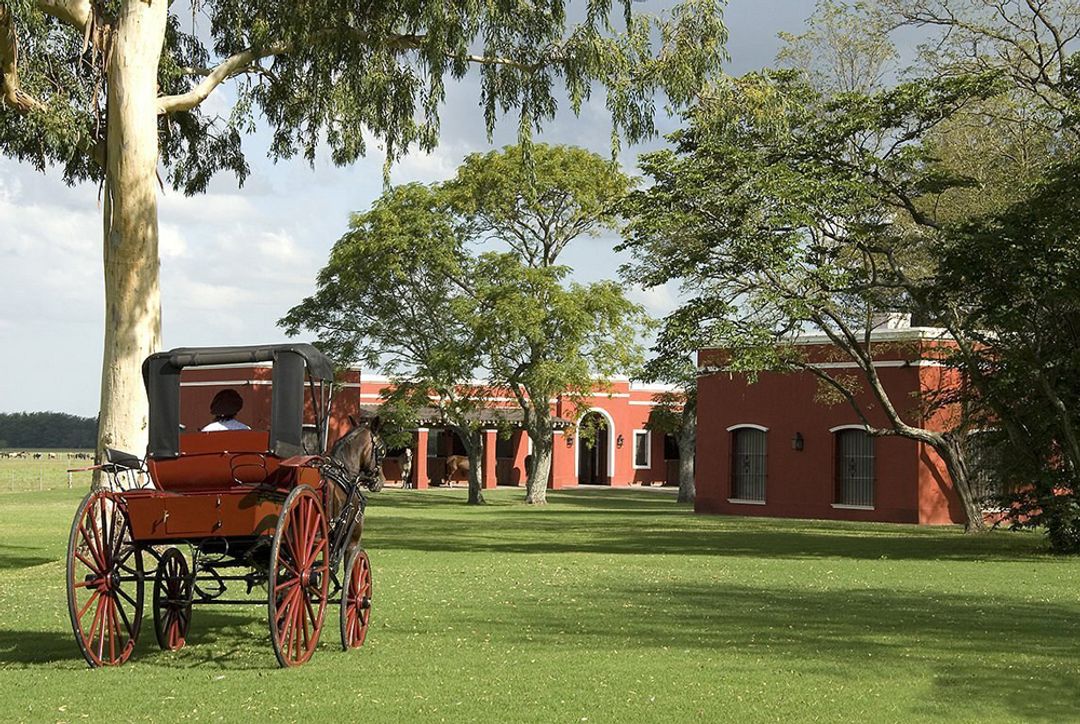
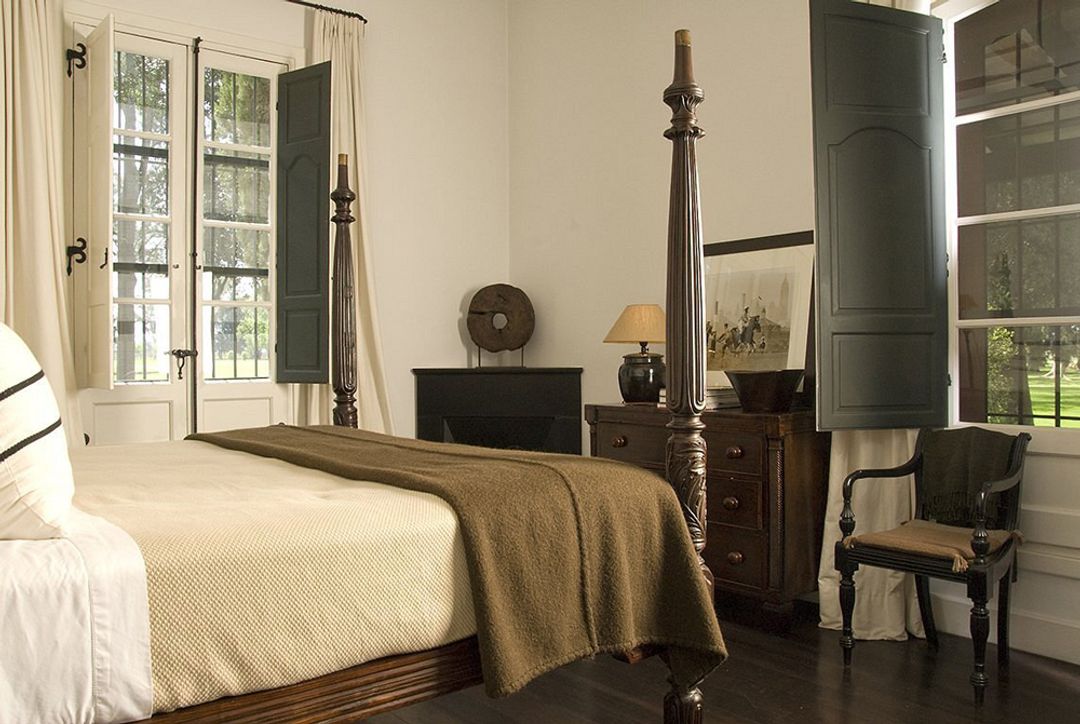
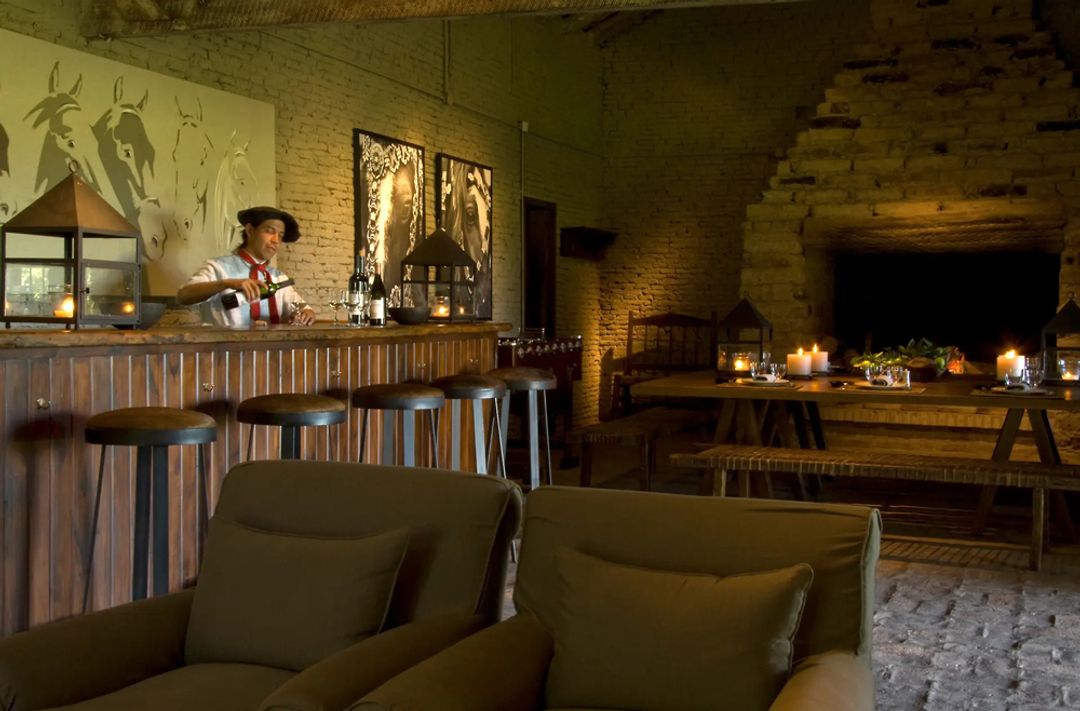
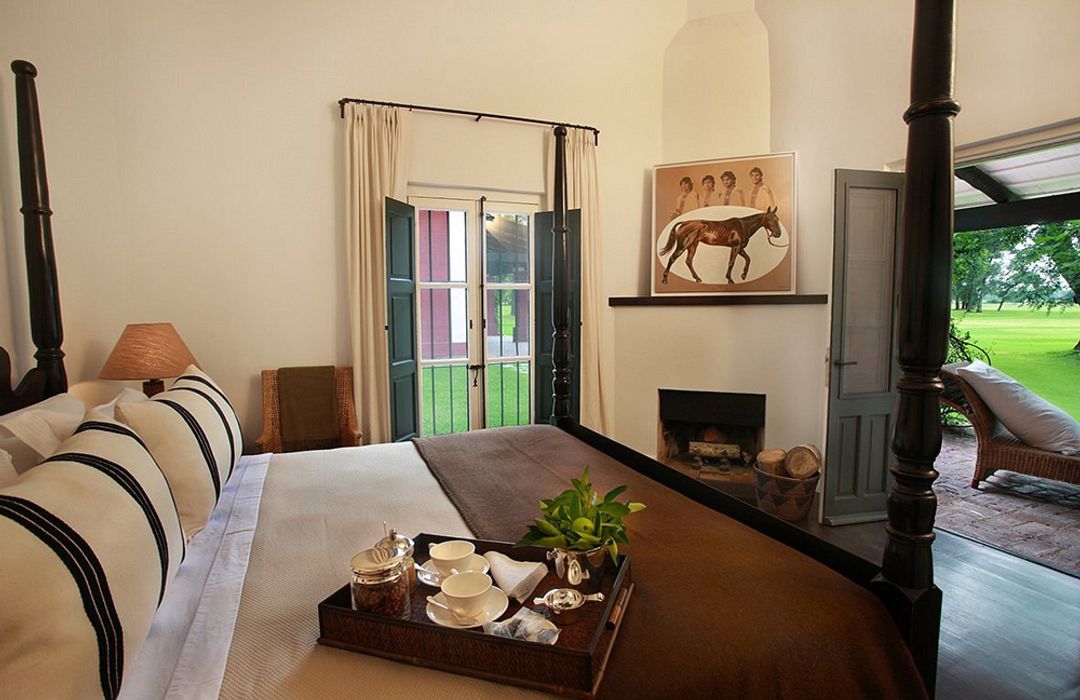
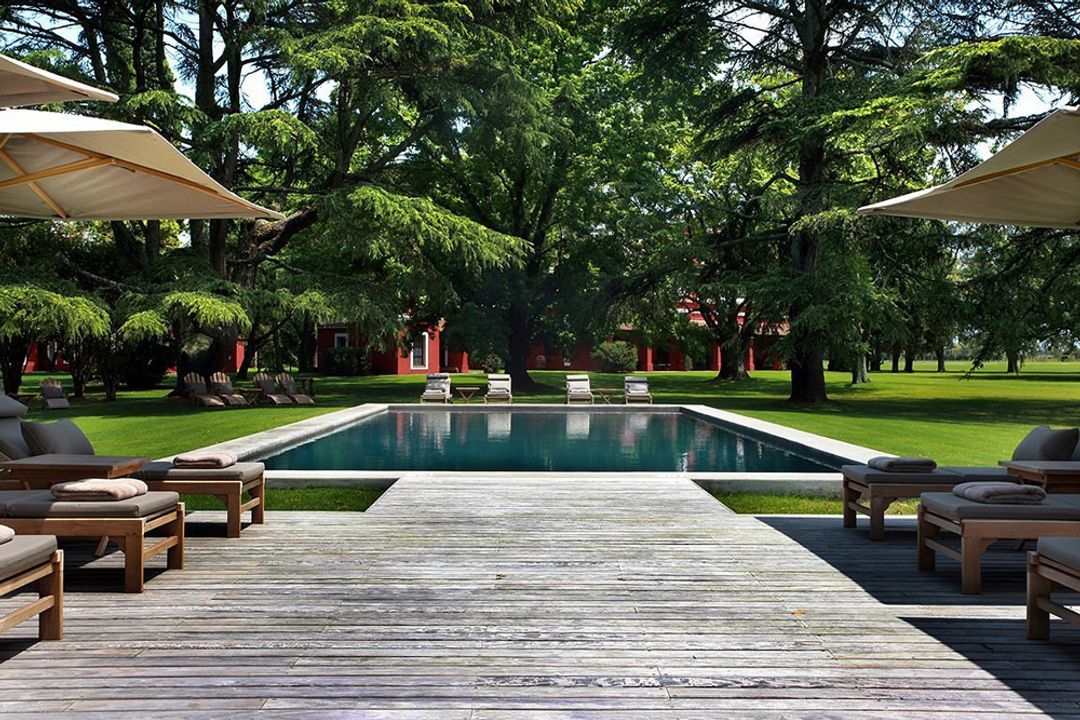
The Argentine pampa does not seduce with skylines or urban density. It works on you slowly, through flatness and silence and the particular quality of afternoon light on grassland that stretches without interruption to the horizon. San Antonio de Areco, roughly 113 kilometers northwest of Buenos Aires, is the town most closely associated with gaucho culture and the estancia tradition — the working cattle ranches that shaped the agricultural identity of the pampas over three centuries. Its colonial grid, its craft workshops producing silverwork and leatherwork, and its annual Día de la Tradición festival mark it as a place that has genuinely preserved something, rather than merely performed its own heritage. La Bamba de Areco is the reason to make the journey. One of the oldest estancias in the province, with origins dating to the eighteenth century, it sits on a historic property that has been carefully stewarded rather than aggressively renovated — the distinction matters here. The main house carries the architectural logic of colonial Argentine rural building: thick walls, deep verandas, an interior organization around shade and cross-ventilation rather than spectacle. The rooms and public spaces reflect an understanding that the right intervention in a building of this age is largely one of restraint — preserving the material honesty of terracotta, timber, and whitewashed masonry while providing the level of comfort that makes extended stays viable. Horses, polo fields, and working estancia rhythms remain central to the experience, which keeps the property from sliding into decorative pastiche. What makes La Bamba de Areco register as a serious design destination rather than simply a well-preserved historic property is its coherence. The landscape, the architecture, and the daily rhythms of the place are not in tension with each other. For travelers accustomed to hotels that assert themselves against their surroundings — through contrast, through signature-design gestures, through the performative drama of a statement lobby — the estancia's refusal of that logic takes a day or two to properly read. By the third morning, when the light comes low across the grass and the silence is absolute, the design choice becomes entirely clear. The pampa is the room. Everything else is just the frame.