Best hotels in Nassau | A Curated Visual Guide to Top Stays
Welcome to PressBeyond, the ultimate curated visual guide for design-driven hotels! My name is Will Miller and these are my recommendations for the best boutique and luxury hotels in Nassau.
I am the founder of PressBeyond and I am an ultra-meticulous hotel curator who loves clean visuals. I have individually analyzed and tiered each hotel included in this guide based on a variety of criteria (architecture & design, location, brand & brand affiliation, existing reviews, and my own personal experiences), and importantly, I have hand-selected the leading imagery for each hotel to provide you with easily-digestible, yet detailed and complete, like-for-like, high-level visual profiles. I felt this summarization step was a critical missing piece across existing guides, blogs, and booking platforms. My aim is to make it easier for people to identify hotel environments that resonate with them, along with enabling them to visualize the types of social experiences that those environments help foster. My brain doesn't work when exposed to cluttered content, so my goal was to create the opposite.
Underneath this, we are also a full booking engine offering 5% Venmo cash back along with other exclusive perks. For all of you design-obsessed hotel enthusiasts out there, I hope this guide helps get you to where you see yourself!
An Overview of the Boutique & Luxury Hotel Landscape in Nassau
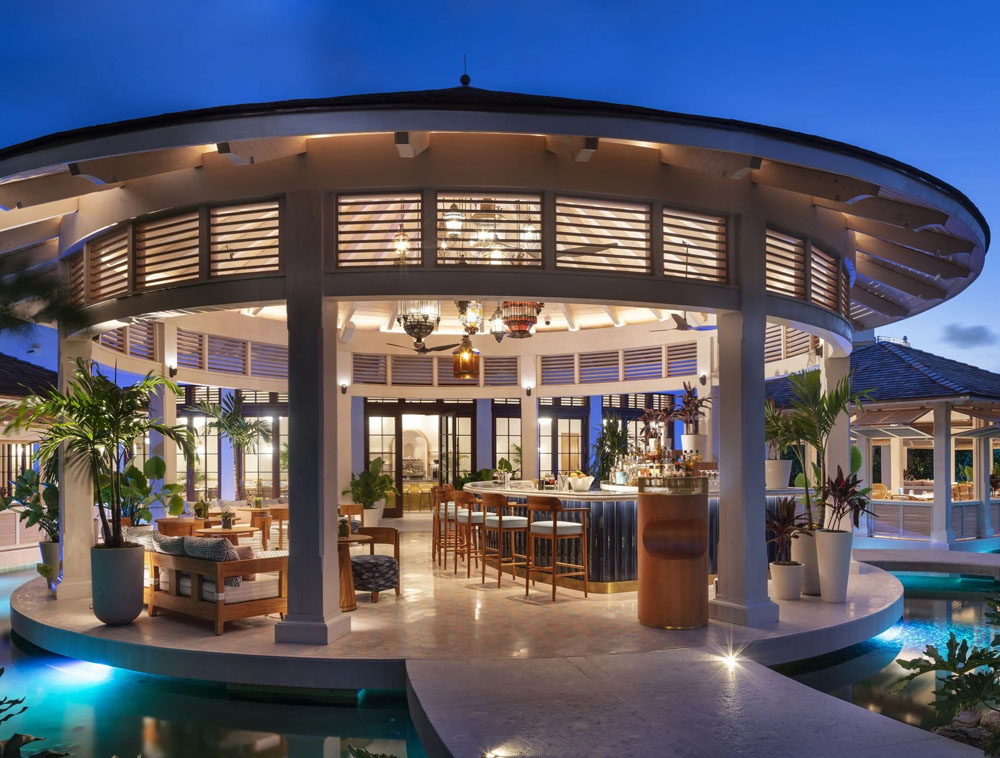
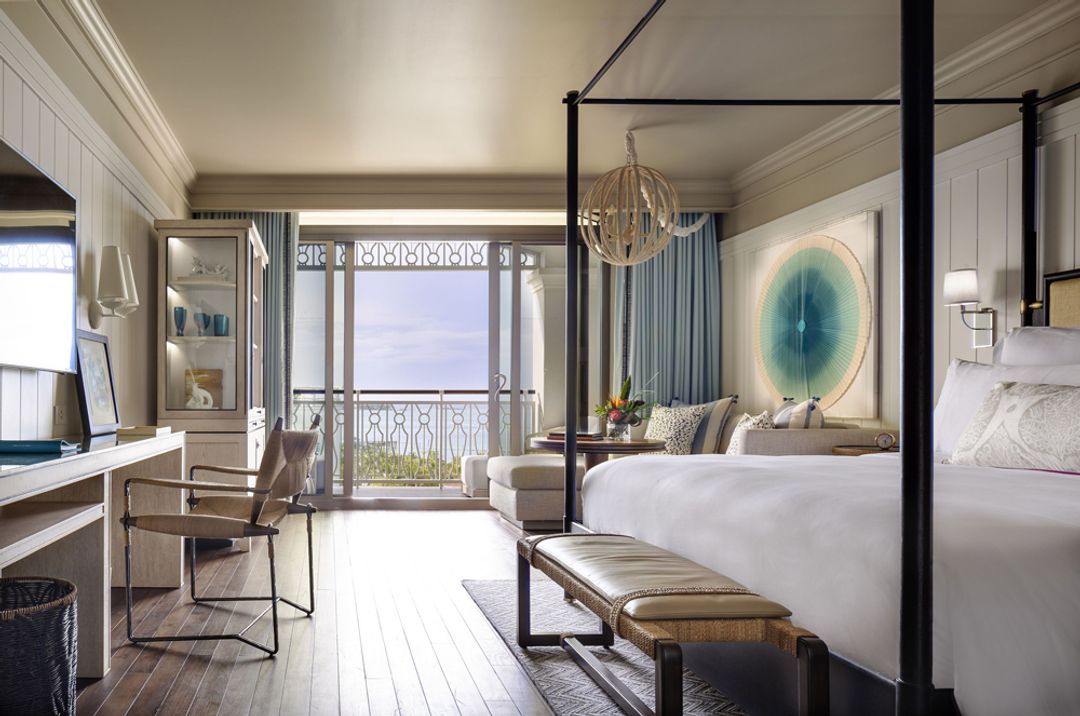
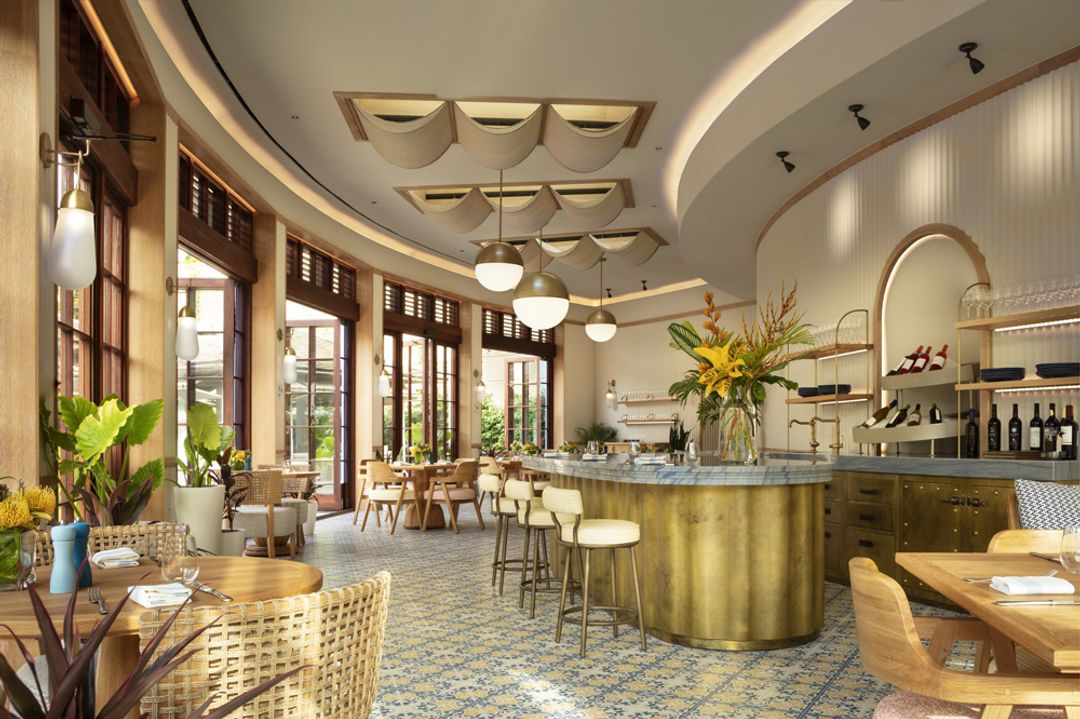
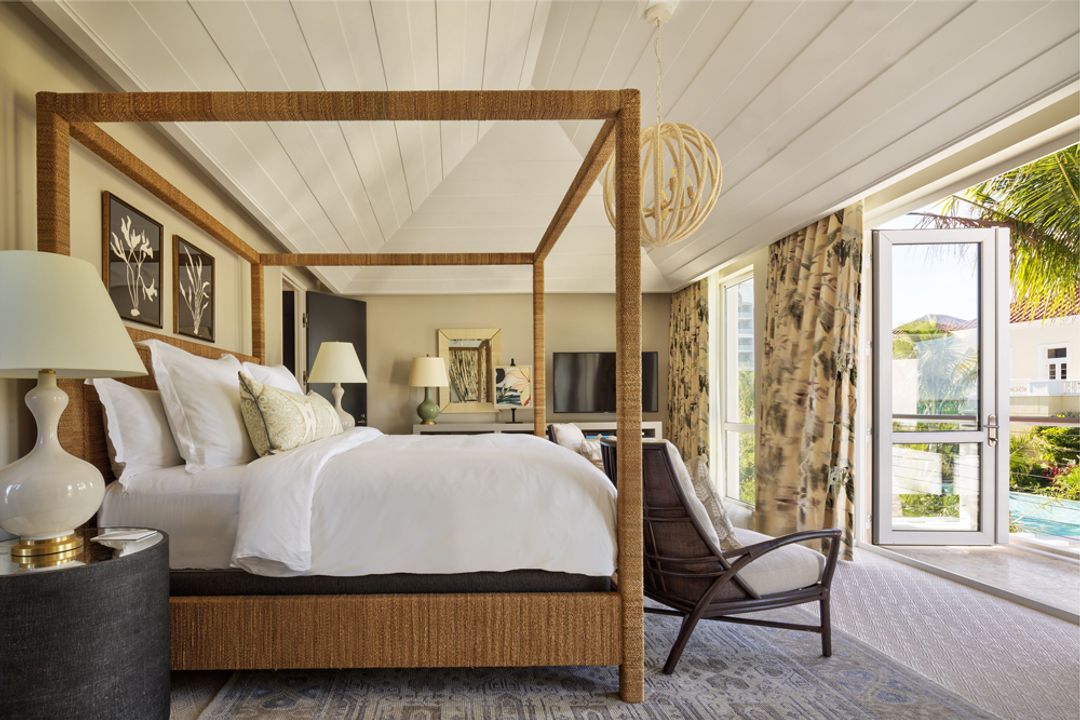
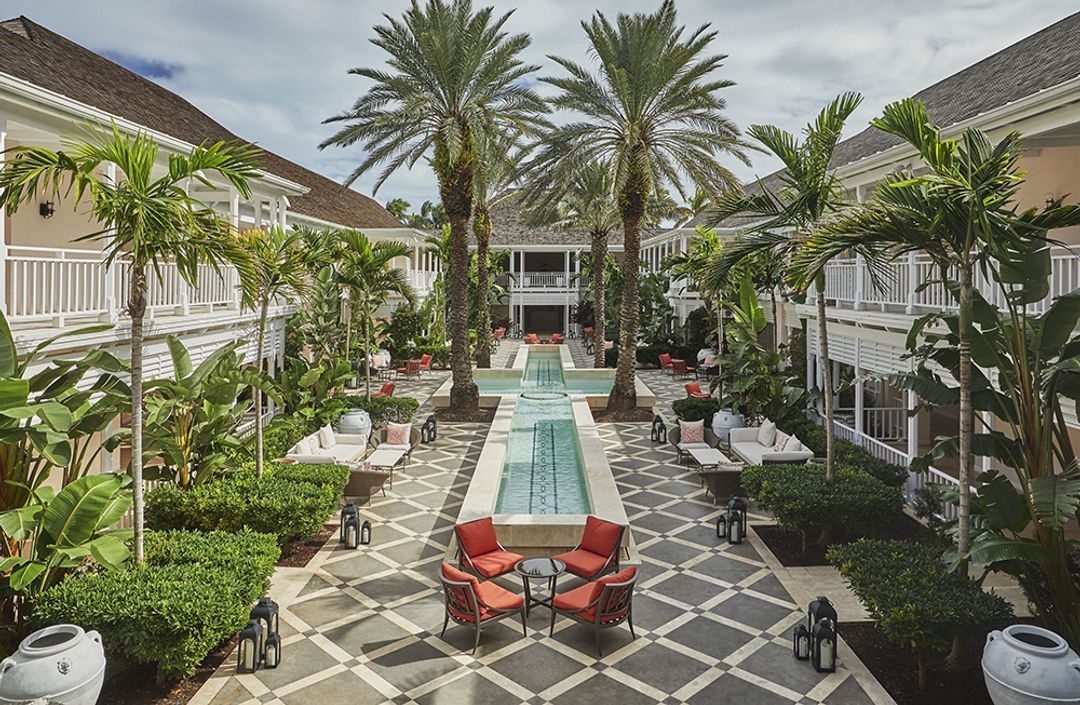
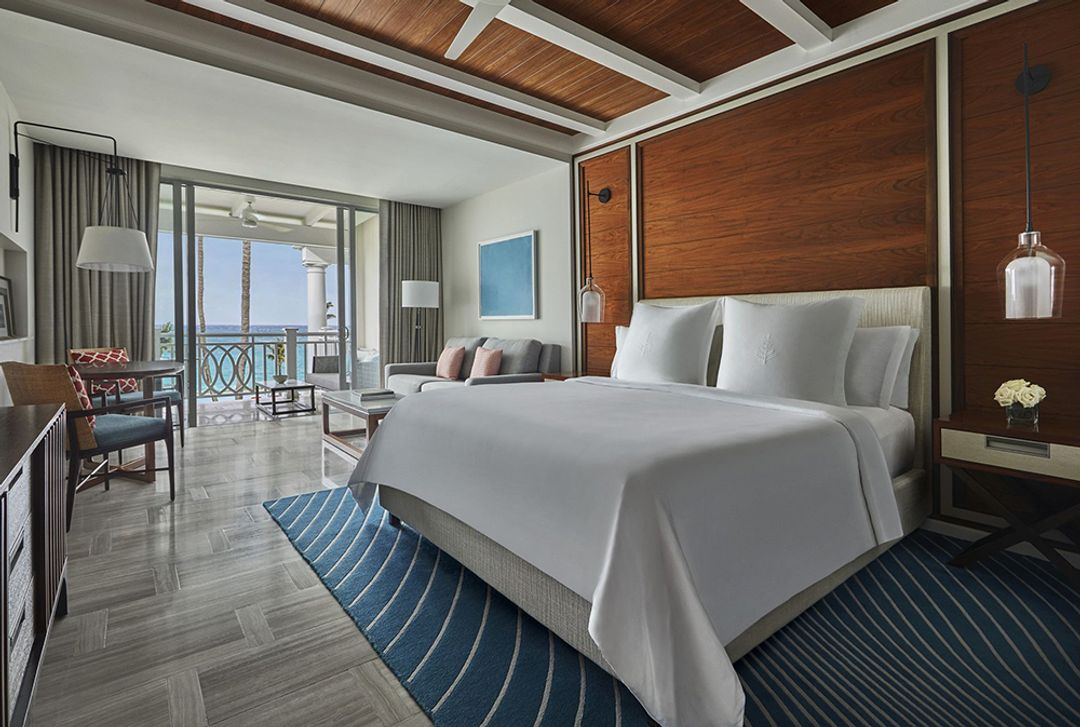
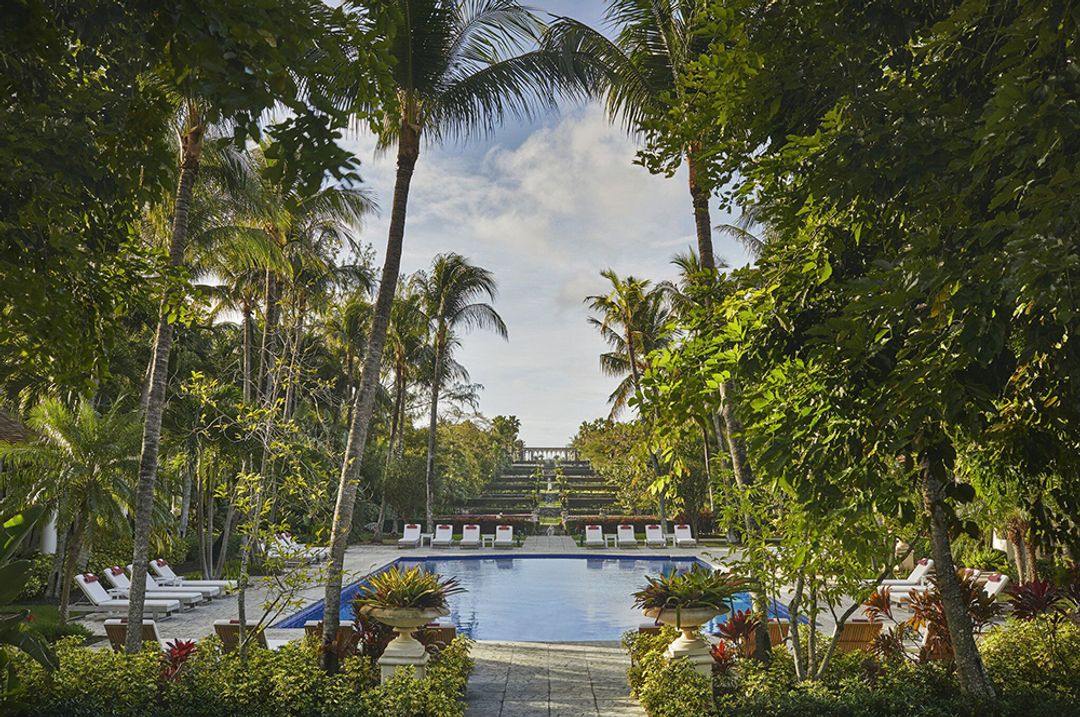
The Bahamas' two most serious hotels occupy entirely different psychological registers, which is worth understanding before you book. The Ocean Club on Paradise Island is the older argument — a property that traces its origins to Huntington Hartford's 1960s vision of a private club, built around a Versailles-inspired garden that Dino Cellini helped shape into one of the Caribbean's more theatrical landside experiences. The French cloister at its center, reassembled stone by stone from a monastery Hartford purchased and shipped from Europe, gives the grounds a gravitas unusual for the tropics. Four Seasons assumed stewardship in 1994, and the interiors carry that brand's characteristic restraint — warm without being showy, edited without feeling sparse. At nearly two thousand dollars a night, it occupies a category where the price is partly a purchase of quiet. Baha Mar is a different proposition entirely. The fifty-acre resort complex opened in 2017 after a protracted development saga, and Rosewood claims the most considered design position within it. Where the broader Baha Mar development can feel like a managed spectacle — casinos, water parks, branded restaurants stacked against each other on Cable Beach — Rosewood has maintained the kind of curatorial distance that the brand deploys well. The interiors draw on Bahamian craft and color with enough specificity to avoid the generic sense of place gestures common to resort hotels at this scale. Bleached timbers, woven textiles, and a palette that moves between coral and shell read as considered rather than decorated. The setting on Cable Beach gives it a more direct relationship to the Atlantic than the sheltered lagoon ambience of Paradise Island. Choosing between them is partly a question of what you want the Bahamas to be. The Ocean Club asks you to submit to a particular fantasy — formal, historical, slightly cinematic in the way that only places with a genuinely strange origin story can be. Rosewood Baha Mar is more contemporary in its ambitions and more sociable in its infrastructure, better suited to travelers who want design coherence without isolation. Both operate at a level of finish that justifies the rates, and both reward guests who pay attention to the details that most visitors walk past: the placement of a courtyard wall, the weight of a linen, the moment where a corridor opens unexpectedly onto open water.