Best hotels in Bruges | A Curated Visual Guide to Top Stays
Welcome to PressBeyond, the ultimate curated visual guide for design-driven hotels! My name is Will Miller and this is my recommendation for the best boutique and luxury hotel in Bruges.
I am the founder of PressBeyond and I am an ultra-meticulous hotel curator who loves clean visuals. I have individually analyzed and tiered the hotel included in this guide based on a variety of criteria (architecture & design, location, brand & brand affiliation, existing reviews, and my own personal experiences), and importantly, I have hand-selected the leading imagery for this hotel to provide you with easily-digestible, yet detailed and complete, like-for-like, high-level visual profiles. I felt this summarization step was a critical missing piece across existing guides, blogs, and booking platforms. My aim is to make it easier for people to identify hotel environments that resonate with them, along with enabling them to visualize the types of social experiences that those environments help foster. My brain doesn't work when exposed to cluttered content, so my goal was to create the opposite.
Underneath this, we are also a full booking engine offering 5% Venmo cash back along with other exclusive perks. For all of you design-obsessed hotel enthusiasts out there, I hope this guide helps get you to where you see yourself!
An Overview of the Boutique & Luxury Hotel Landscape in Bruges
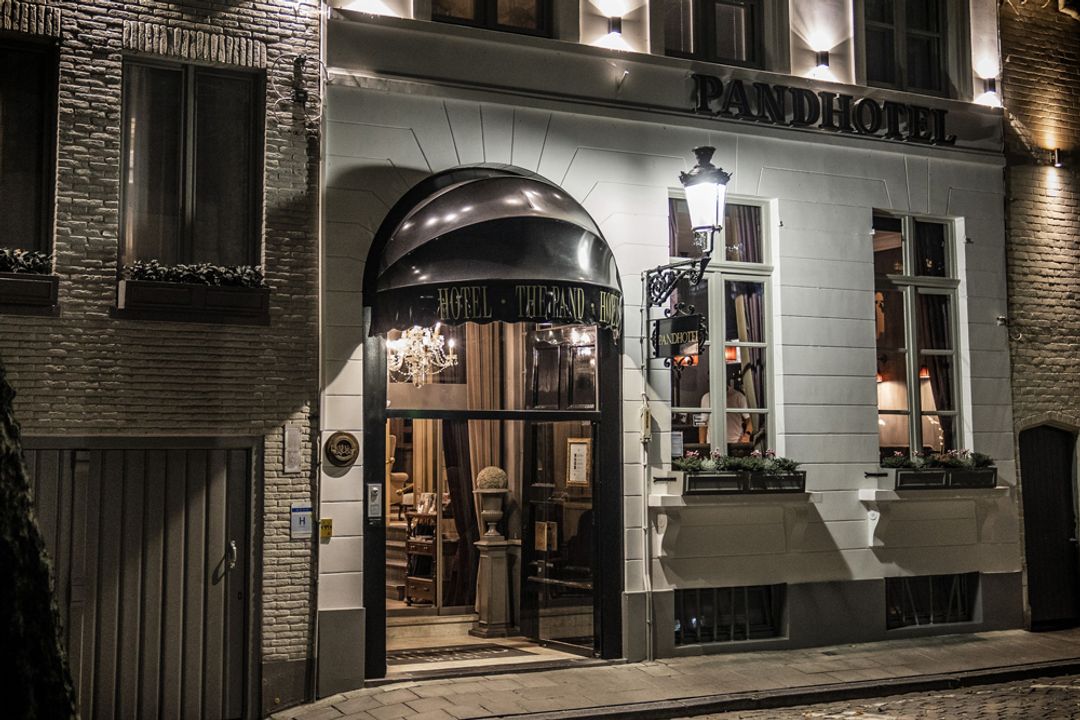
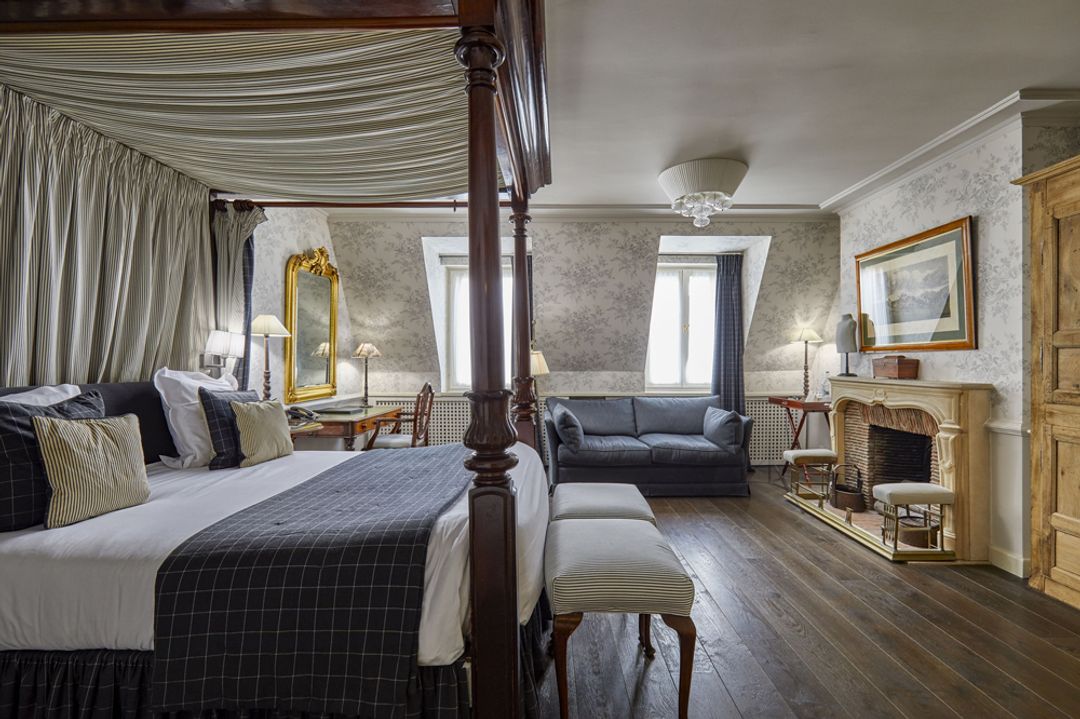
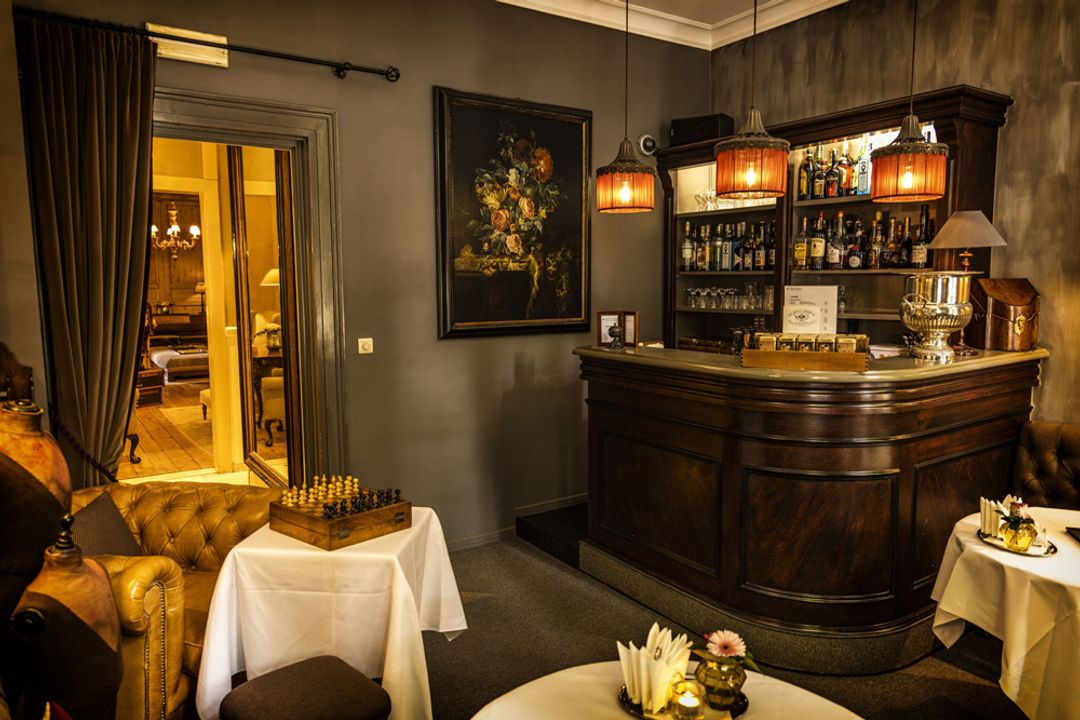
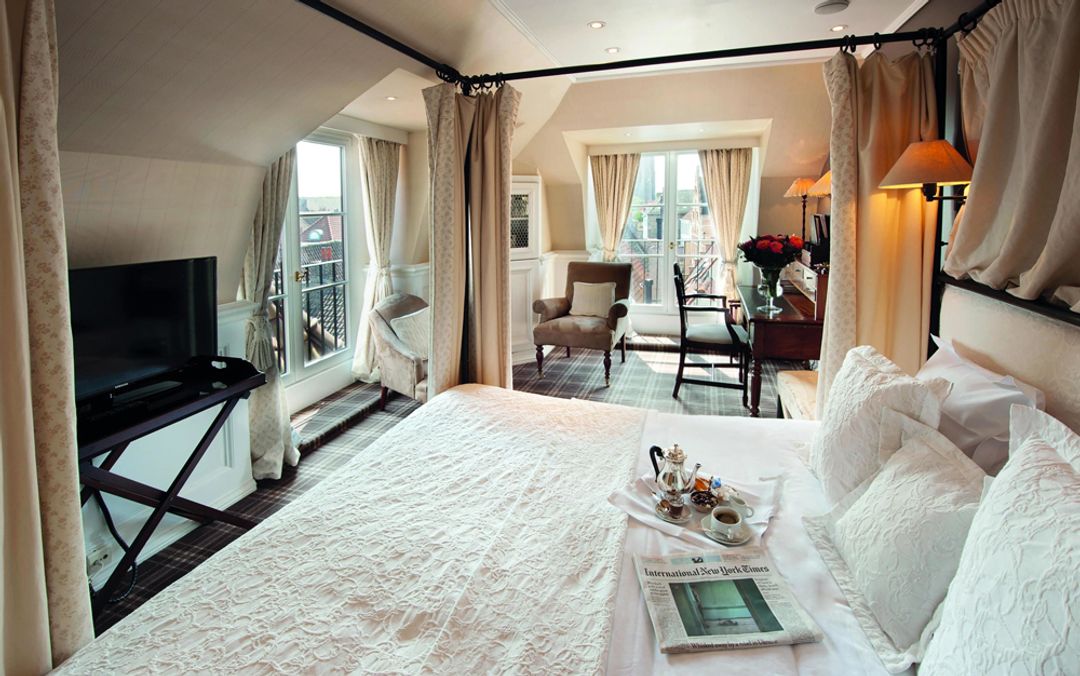
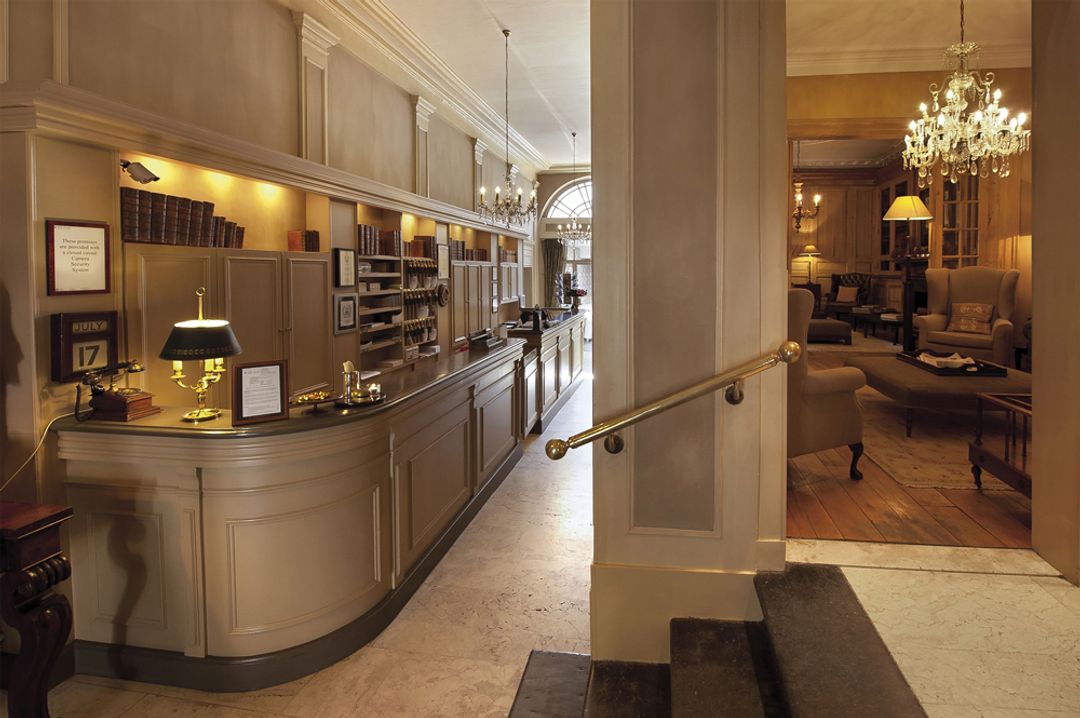
Bruges resists easy categorization as a medieval city because it never really stopped being one. The canal network, the stepped gable facades, the cobbled lanes threading between Gothic church towers — these are not restorations or reconstructions but the actual fabric of a city that was wealthy enough in the fifteenth century to build in stone and fortunate enough afterward to be largely bypassed by industrialization. What this means for the design-conscious traveler is something unusual: the most interesting architecture here is not a contemporary intervention into historic surroundings but the historic surroundings themselves, and any accommodation that reads as genuinely good is one that has learned to live inside that inheritance without either apologizing for it or turning it into theater. The Magdalena Quarter sits in the quieter, less trafficked southern portion of the old town, away from the Markt and its carousel of coaches, closer to the water and the pace the city actually keeps when tourists are not looking. The Pand Hotel occupies an eighteenth-century carriage house on the Pandreitje, a short canal-side lane that barely registers on most itineraries, which is precisely what makes it work. The building's proportions are domestic rather than monumental — thick walls, low ceilings in the older sections, windows that frame canal light rather than command it. The interiors have been assembled over years with the sensibility of a private collector rather than a hospitality brand: antiques placed with enough idiosyncrasy to feel lived-in, fabrics layered against the particular dampness of a Flemish winter. It is a relatively small property, which in Bruges is a genuine advantage, since intimacy at this scale feels honest rather than contrived. At $243 a night, the Pand Hotel occupies a position that makes sense for what it offers — not a design hotel in the contemporary sense of that phrase, but a building with genuine architectural character and interiors that have been curated with a long eye. Bruges rewards travelers who understand that the city's appeal is fundamentally about texture and accumulation, about the way Flemish brick weathers, about the smell of canal water on a November morning. Staying somewhere that operates according to those same principles, rather than against them, changes the quality of the visit. The Pand Hotel is that place.