Best hotels in Paro & Thimphu, Bhutan | Visually Compare Top Stays Side-by-Side
Welcome to PressBeyond - a curated visual guide to design-driven hotels and the fastest way to compare them.
An Overview of the Boutique & Luxury Hotel Landscape in Paro & Thimphu, Bhutan
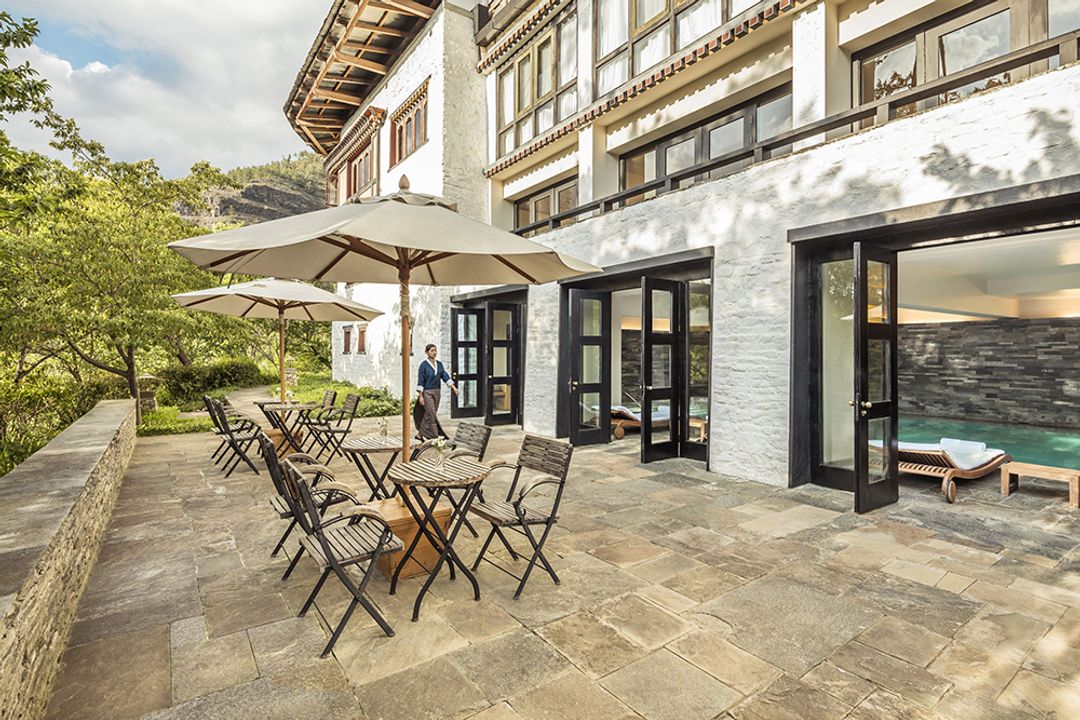
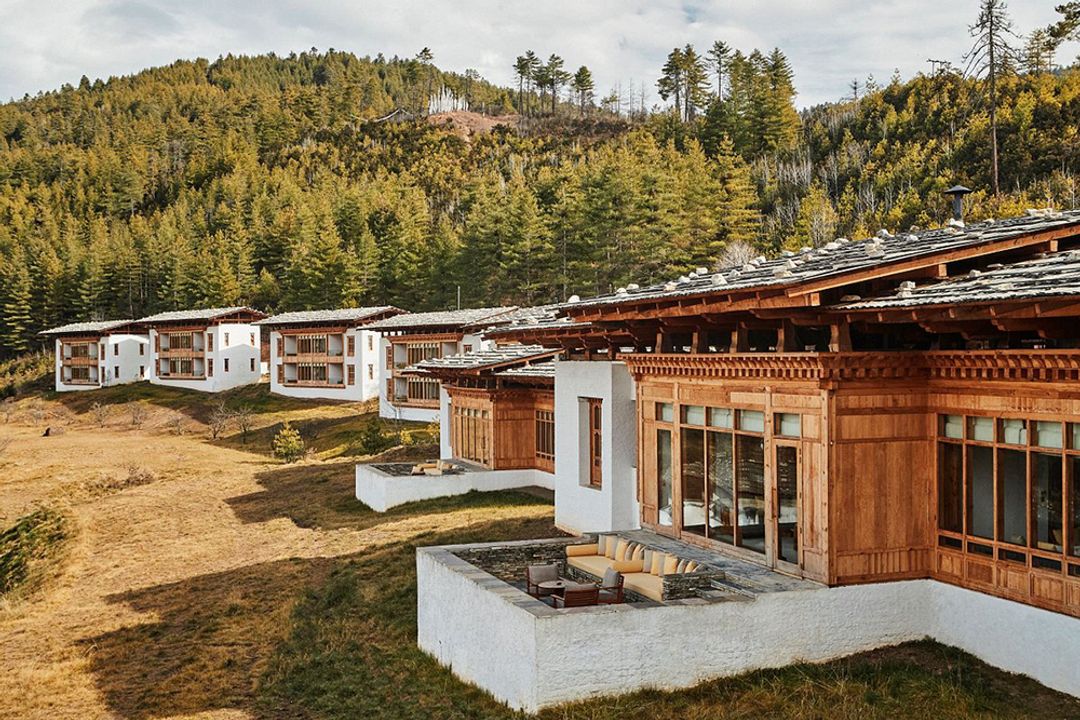
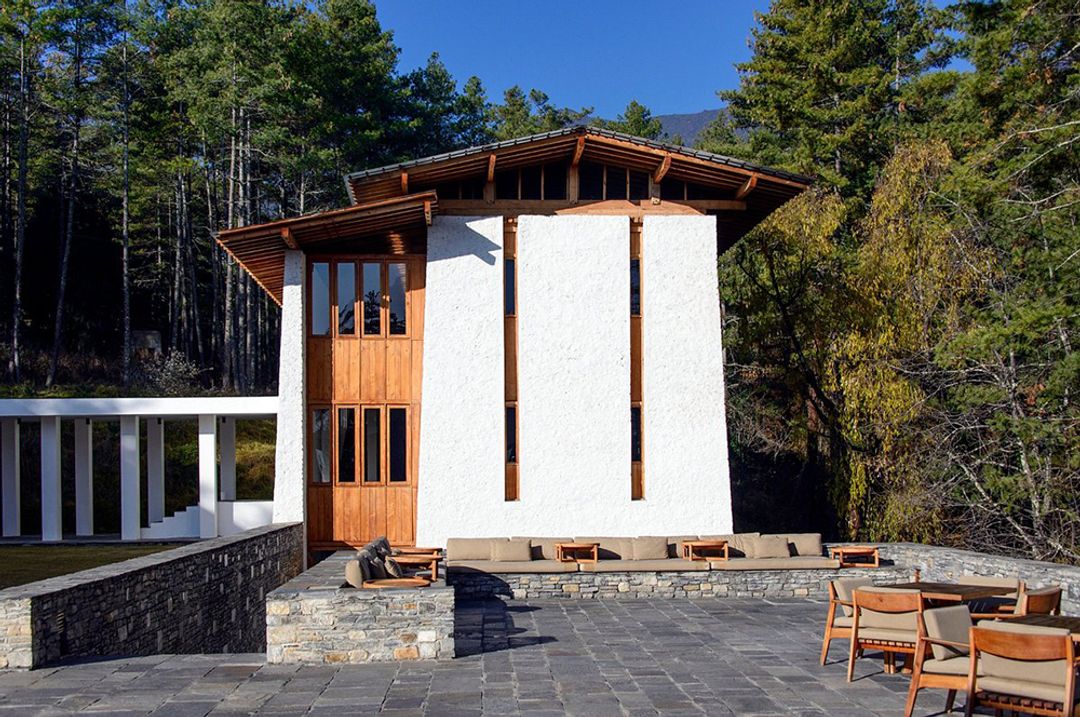
Bhutan insists on a building code that most countries would find impossible to enforce: every structure, from farmhouse to five-star lodge, must conform to traditional Dzong architectural conventions. Whitewashed rammed-earth walls, timber cantilevers painted in earthy ochres and deep reds, tapering window frames with hand-carved lattice. The result is that arriving in either Paro or Thimphu, a traveler whose instinct is to notice materials finds the environment unusually coherent — and unusually demanding of any hotel that wants to distinguish itself within such strict parameters.
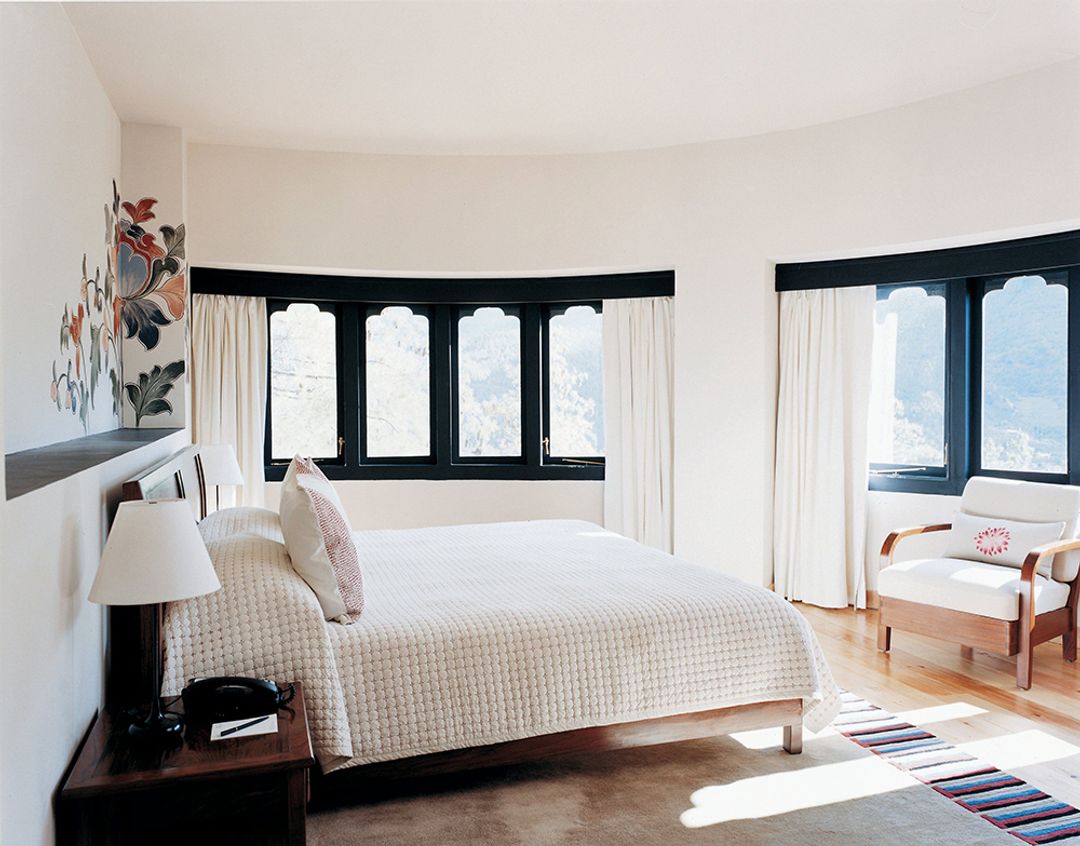
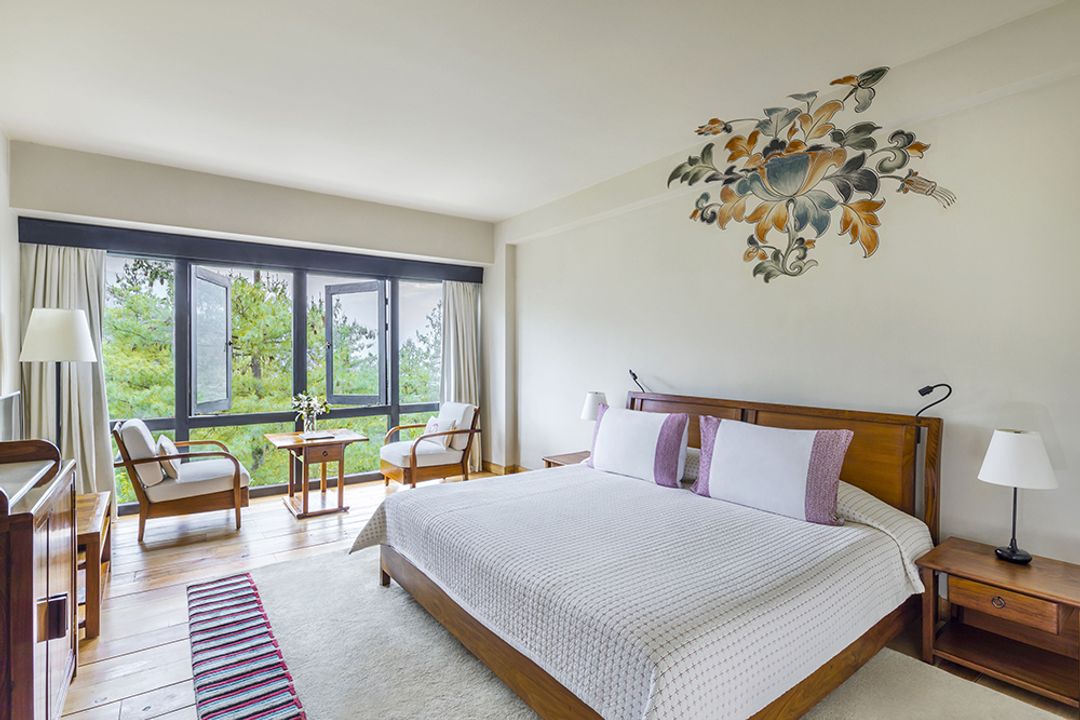
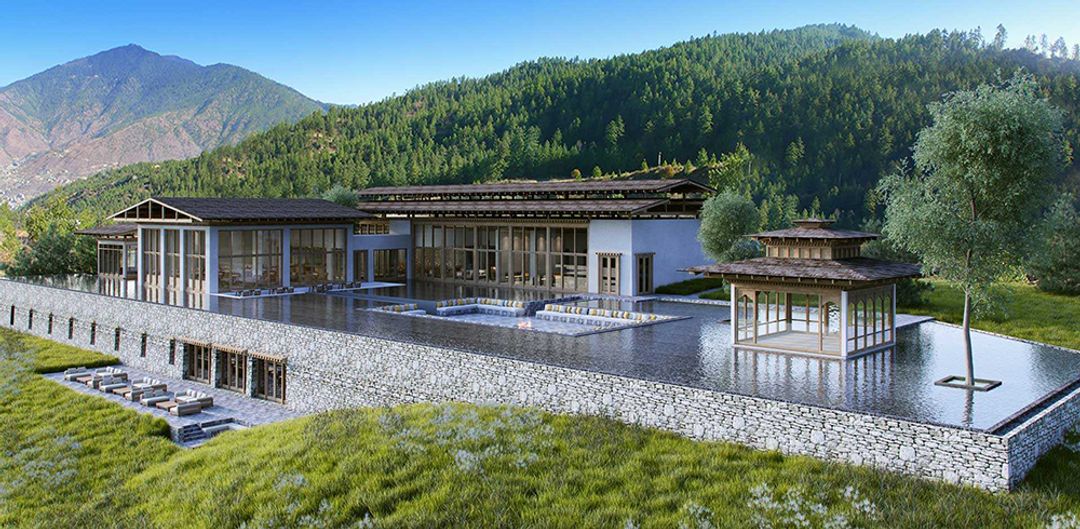
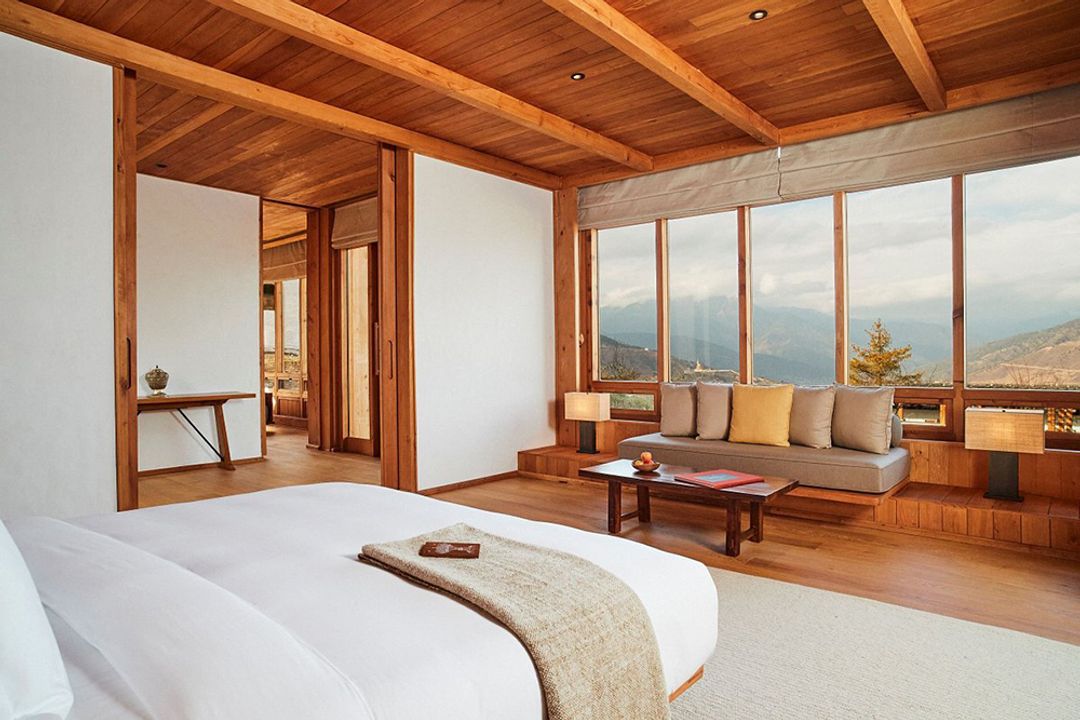
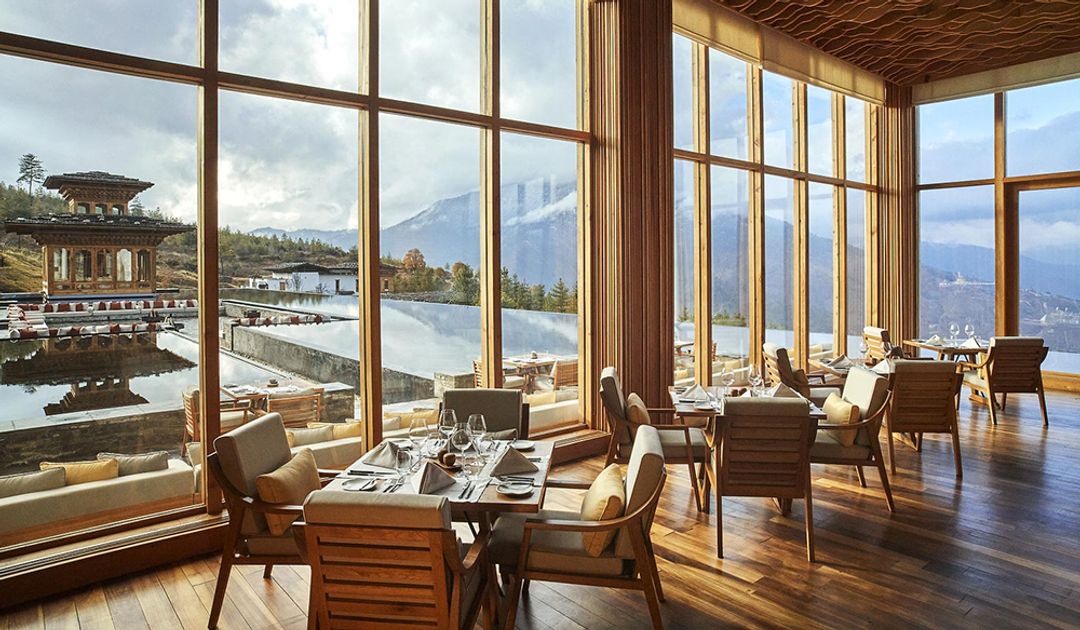
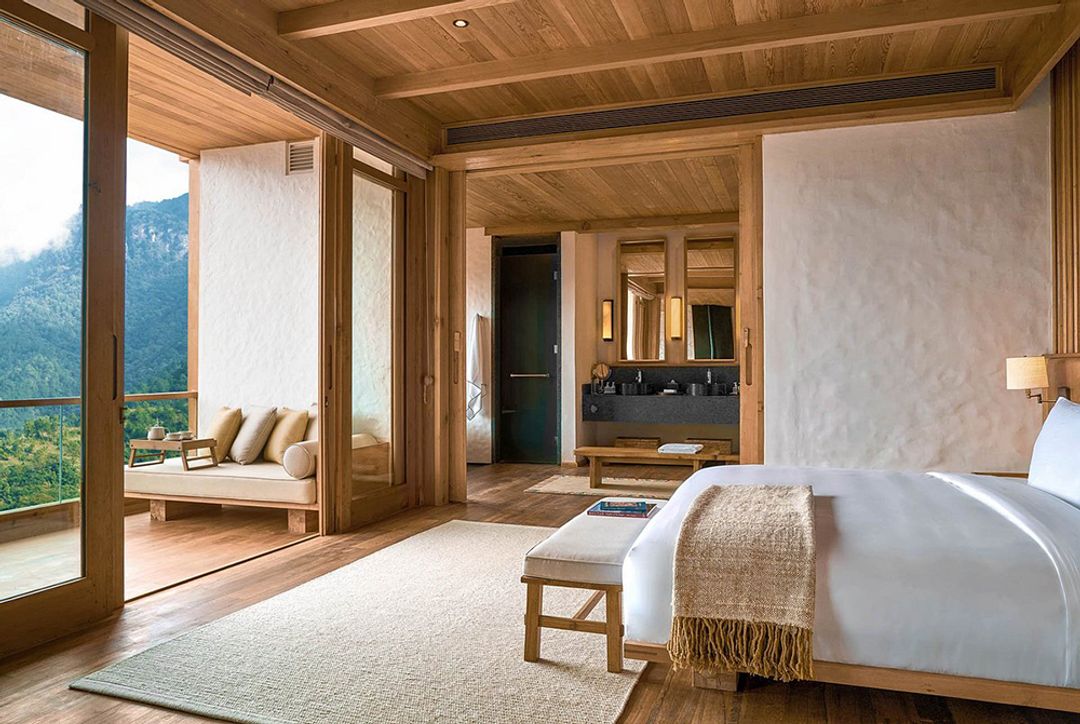
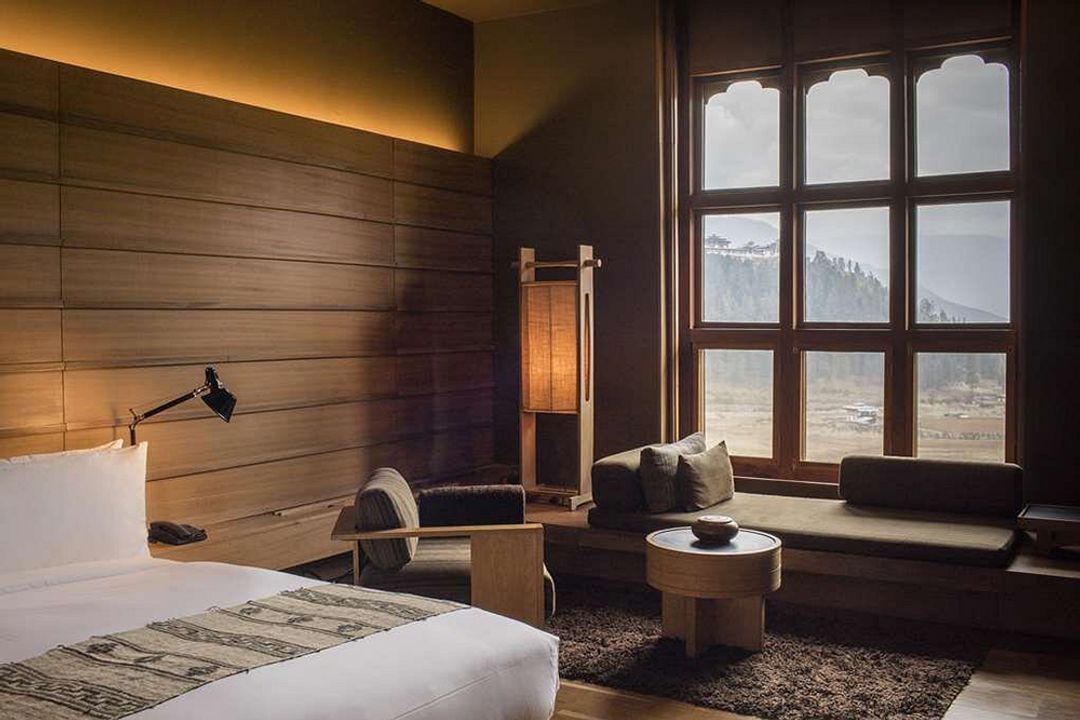
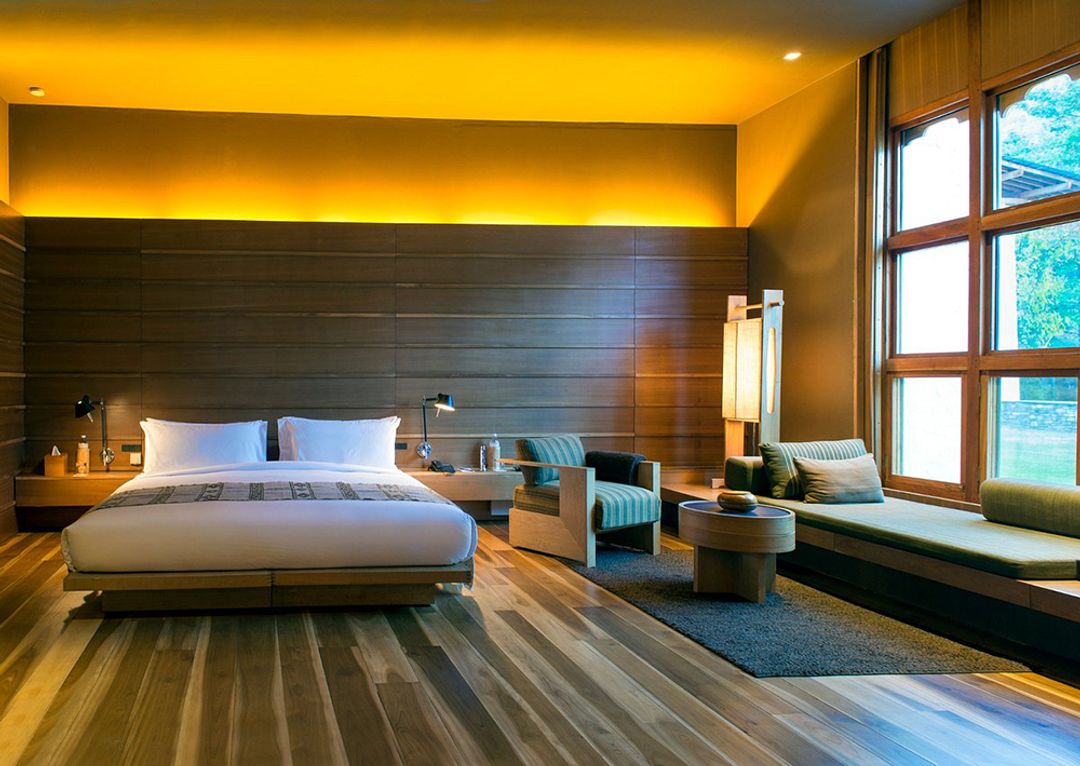
In Paro Valley, COMO Uma Paro occupies a forested hillside above the valley floor with views toward the Tiger's Nest monastery. The property reads as a considered refinement of the vernacular rather than an imposition on it: pine-clad interiors, natural stone, hand-woven textiles sourced locally, and a restraint in palette that the COMO group has refined across its Bhutan holdings. At $499 per night it sits at a different altitude from the two Thimphu properties, both in price and in register — quieter, more contemplative, closer to the monastic cadence of the valley itself.
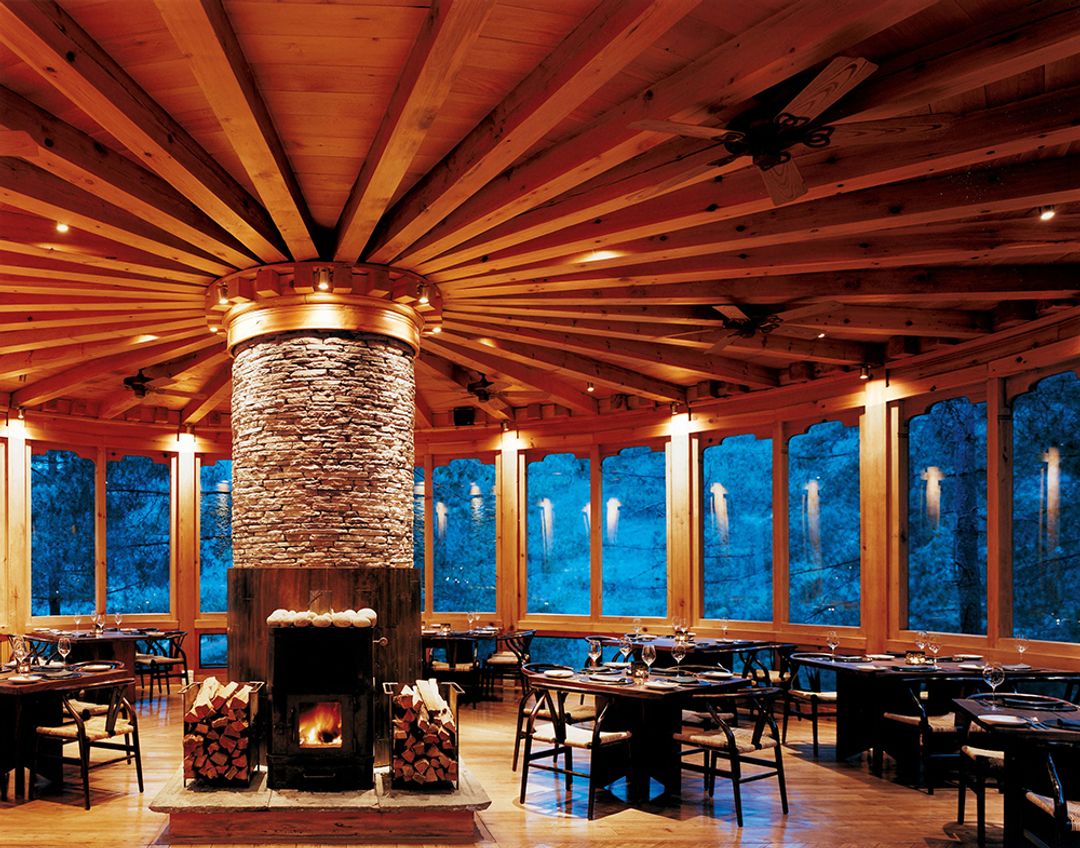
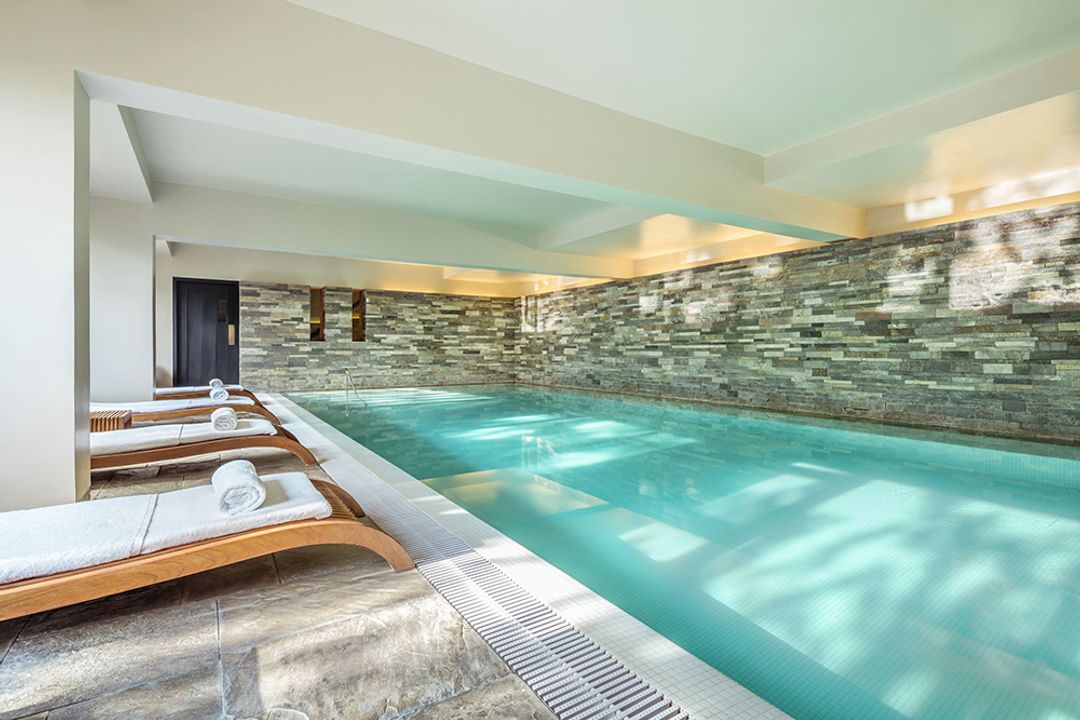
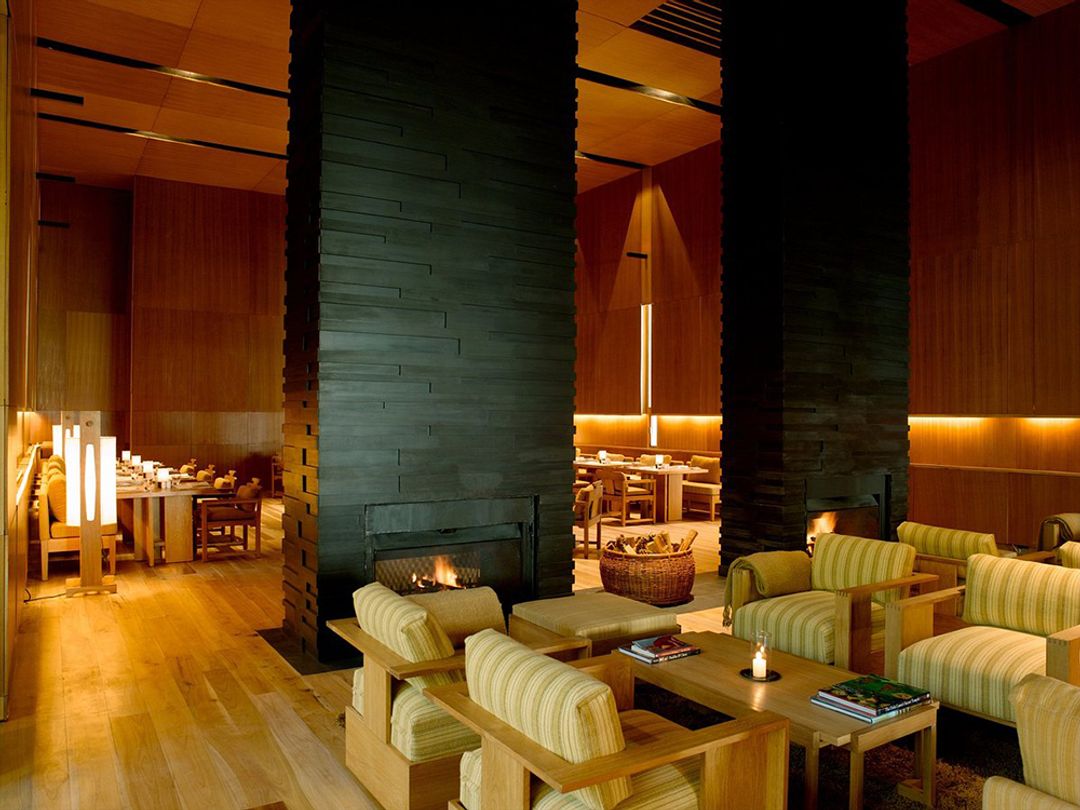
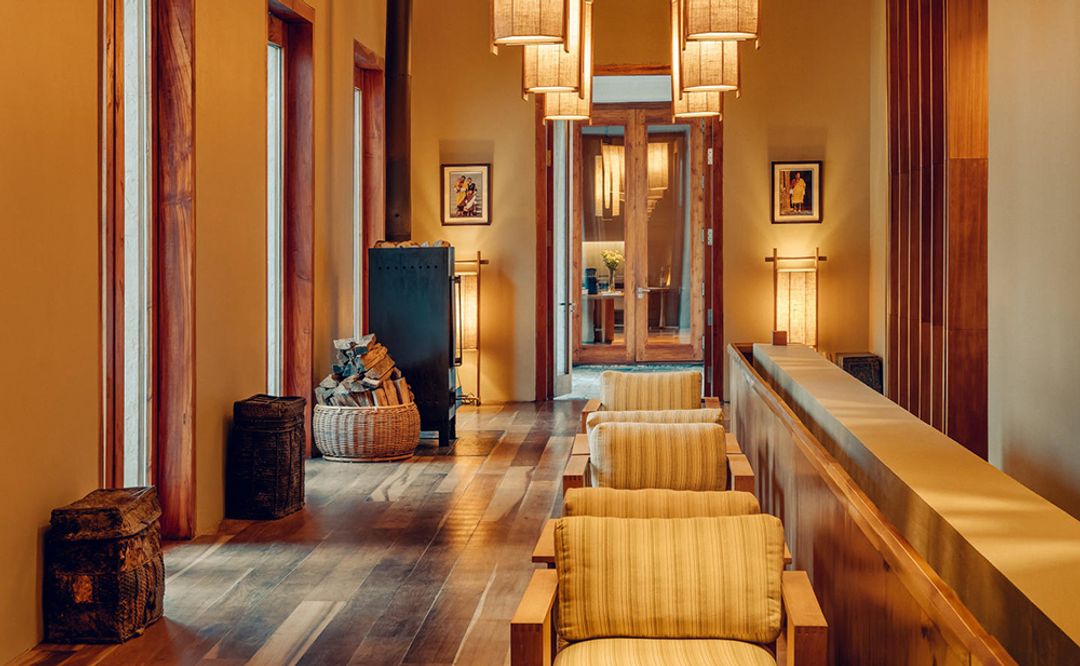
Thimphu, the capital, presents a different proposition. Amankora's lodge there, part of the wider Amankora circuit that links properties across the country, occupies a forested area above the city and was designed by Kerry Hill Architects — the Singapore-based practice responsible for much of Aman's regional aesthetic through the 1990s and 2000s. Hill's approach here, as elsewhere in the Bhutan Amankora series, was to work within the Dzong idiom without quoting it literally: the lodges read as abstract distillations rather than reproductions, with stone floors, fireplace-anchored living spaces, and a horizontal quietness that feels earned rather than imposed. Six Senses Thimphu, higher up on a ridge, takes a more emphatic position in the landscape, with individual farmhouse-style residences arranged across a steep site and interiors that layer natural materials — local stone, rough plaster, reclaimed timber — with the brand's characteristic wellness infrastructure. Both Thimphu properties are priced for travelers on the Bhutan ultra-luxury circuit, where the government's high daily tariff already filters the audience considerably, and where the architecture is as much the point of the journey as any particular amenity.