Best hotels in Itacaré | Visually Compare Top Stays Side-by-Side
Welcome to PressBeyond - a curated visual guide to design-driven hotels and the fastest way to compare them.
An Overview of the Boutique & Luxury Hotel Landscape in Itacaré
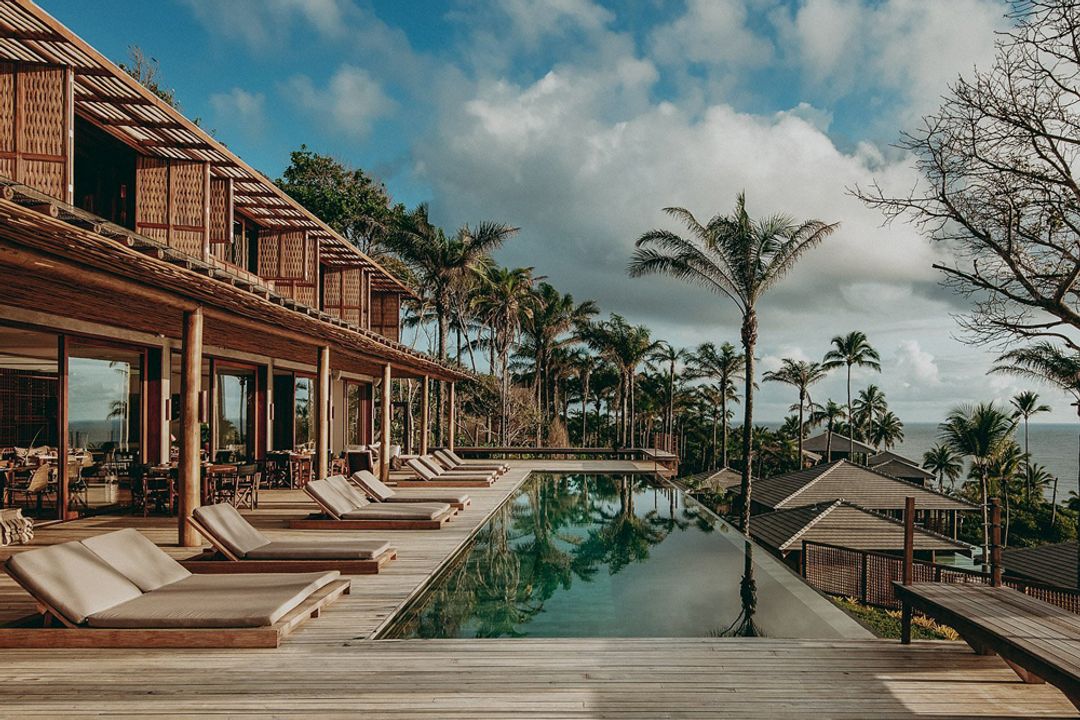
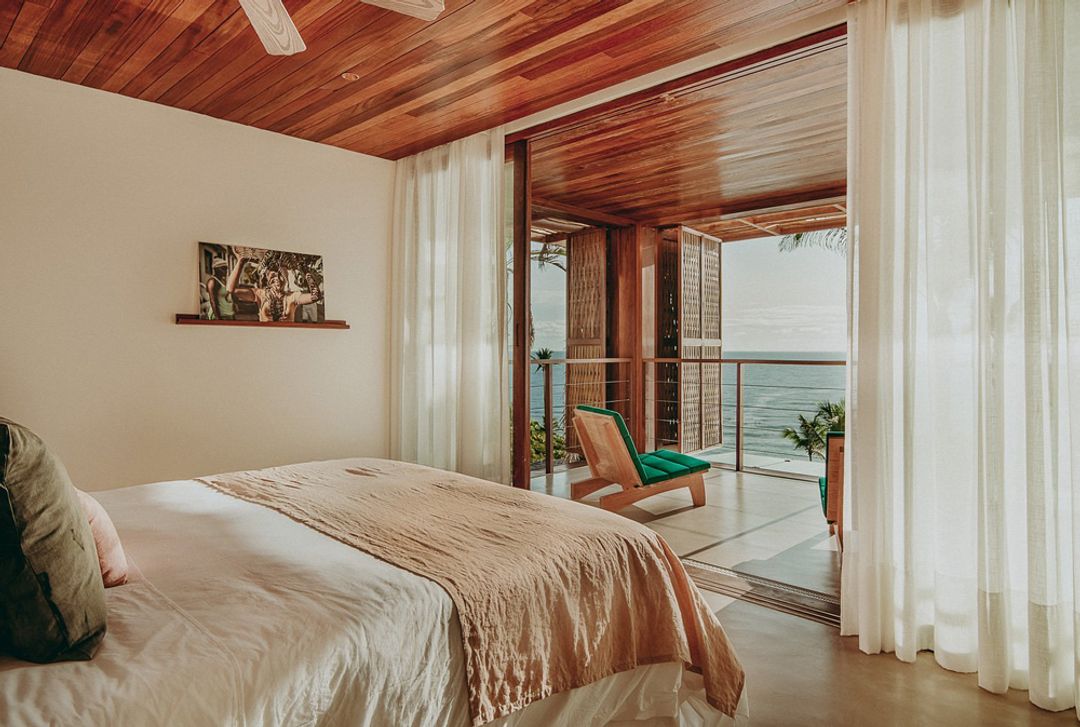
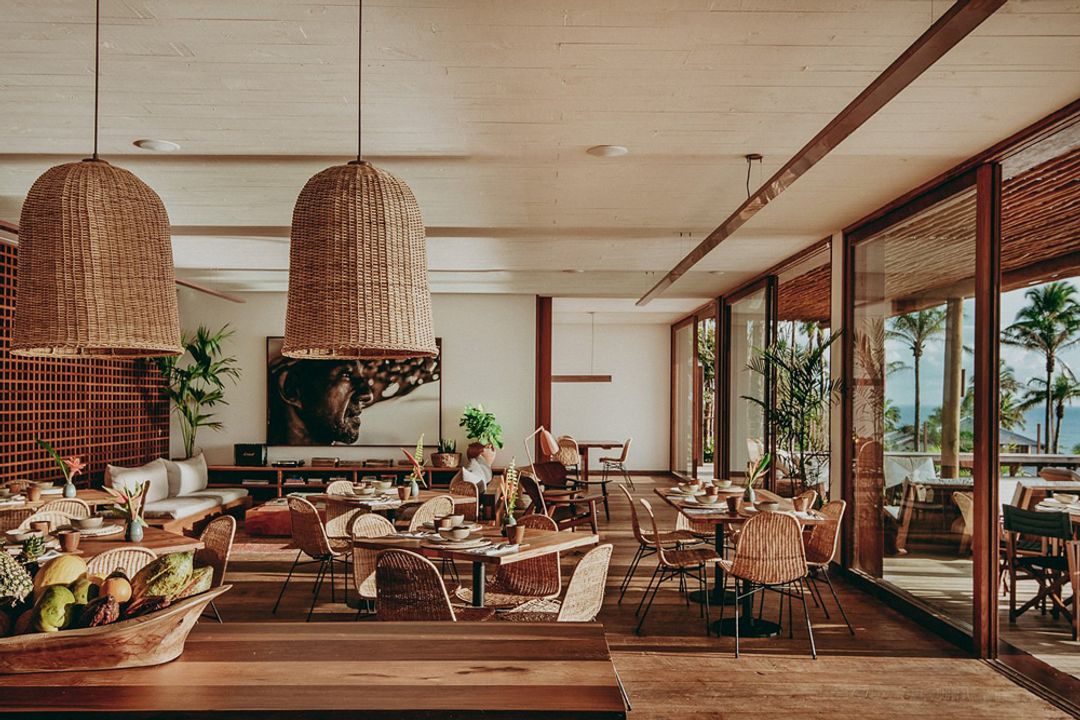
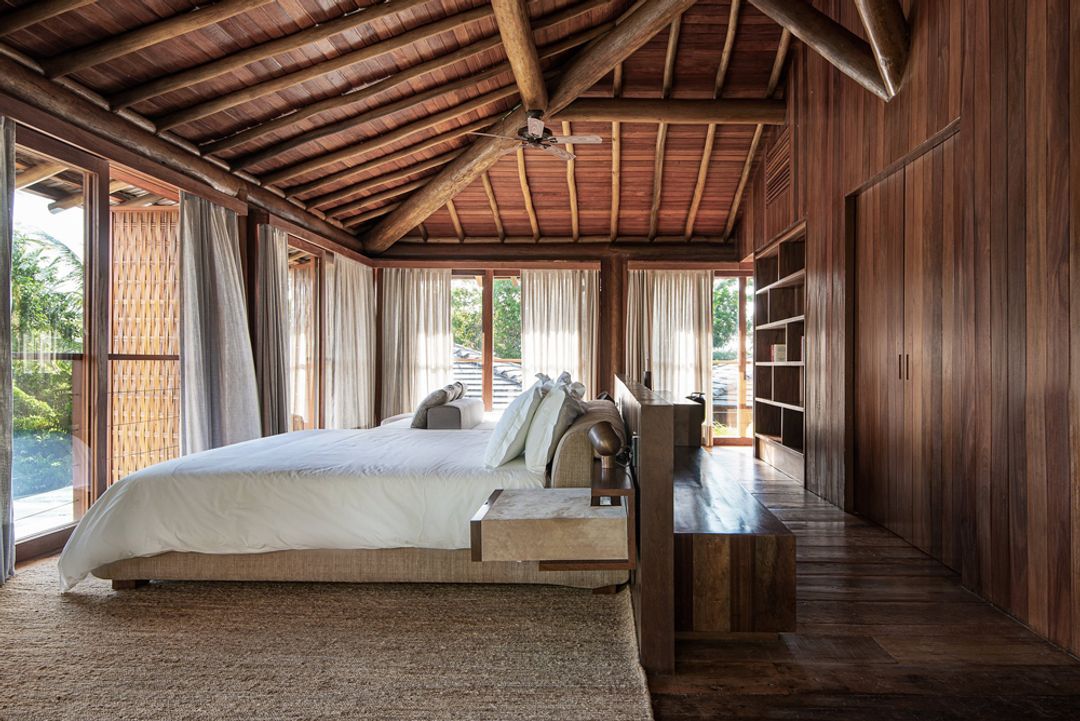
Itacaré sits on a thin peninsula in southern Bahia where the Serra Grande rainforest presses hard against a coastline of brown-sugar sand, and the town has spent the last two decades negotiating what kind of place it wants to be. It arrived late to the Brazilian resort circuit — the paved road from Ilhéus only came in 2001 — and that lateness shaped everything. Developers who came after had to reckon with Atlantic Forest protection laws, with a surfer-town culture that resisted ostentation, and with building sites that were dense with canopy and gradient. The architecture that resulted tends toward the discreet and the materially honest: timber, thatch, open structure, elevation above grade rather than excavation into it.
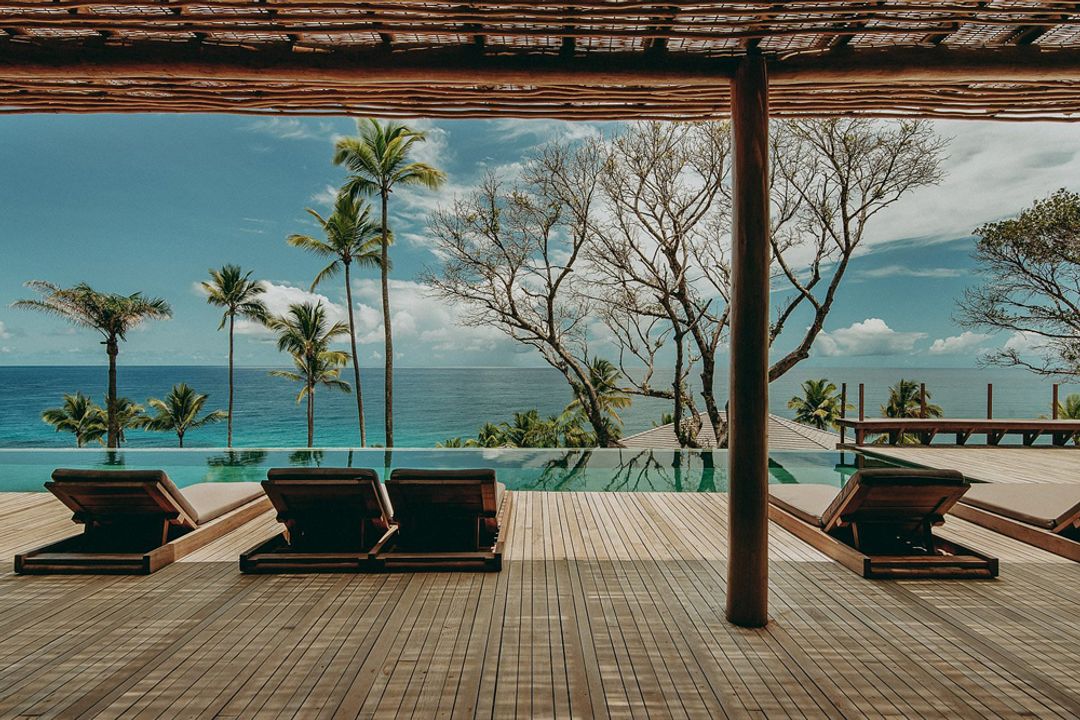
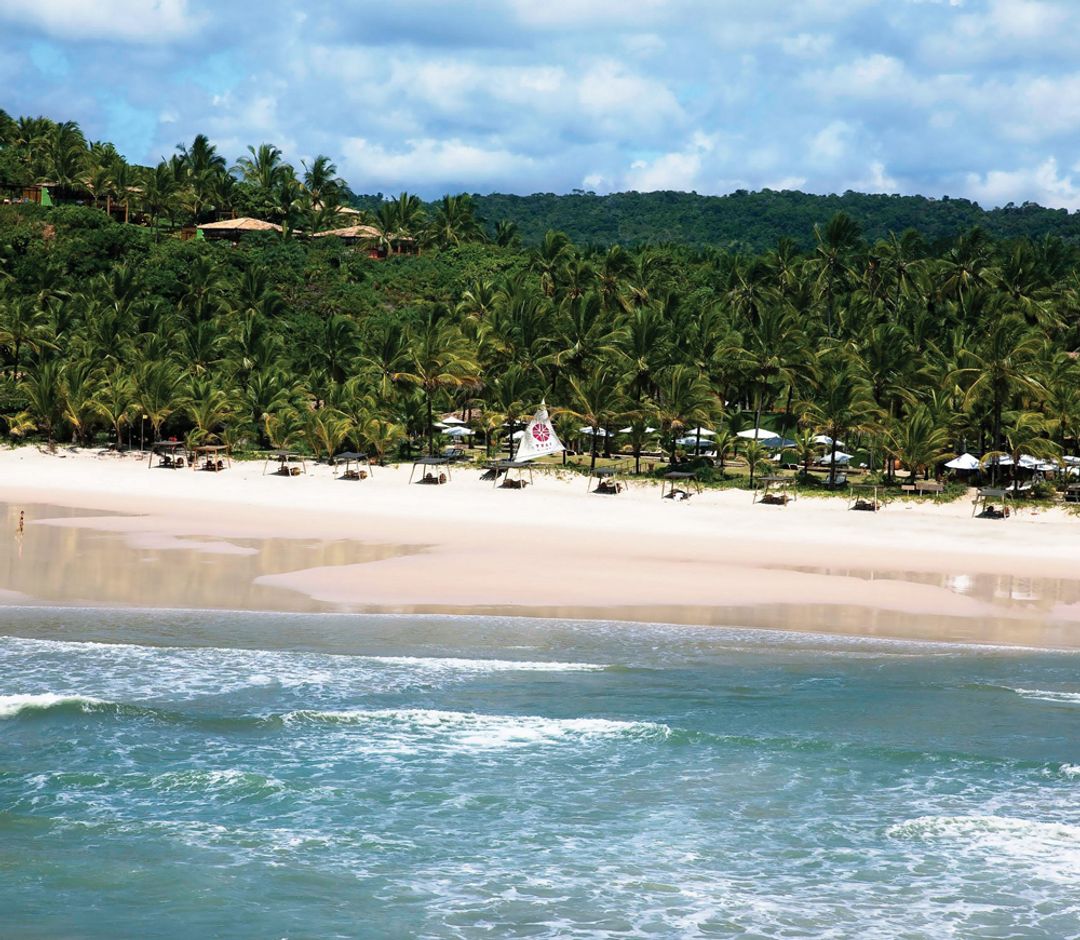
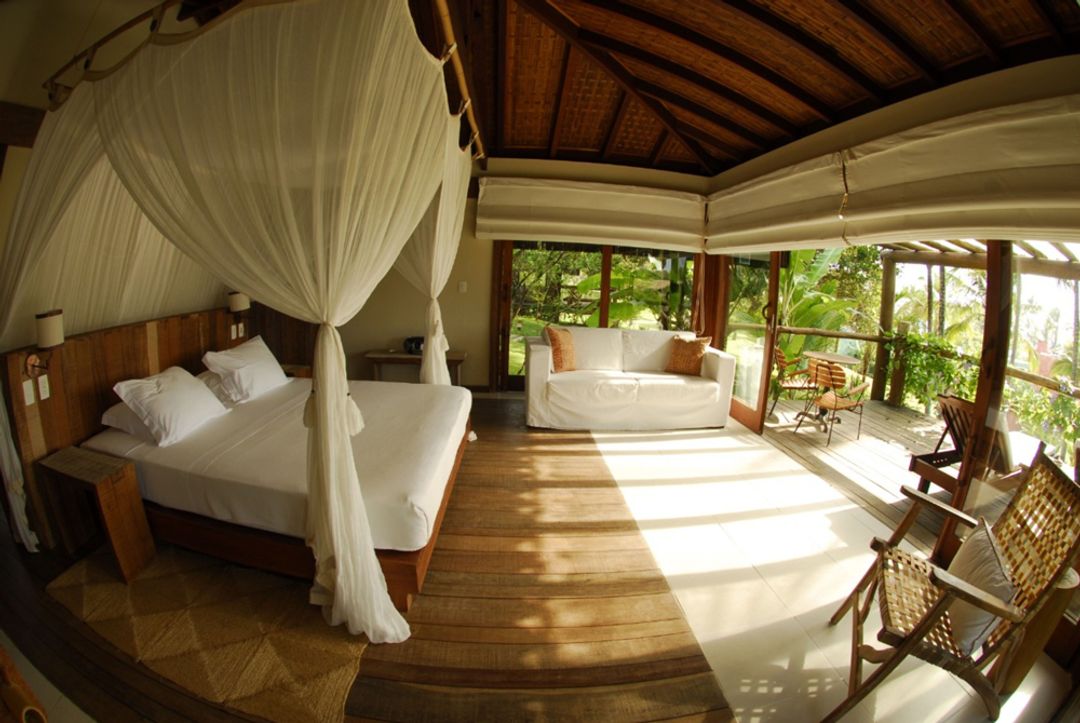
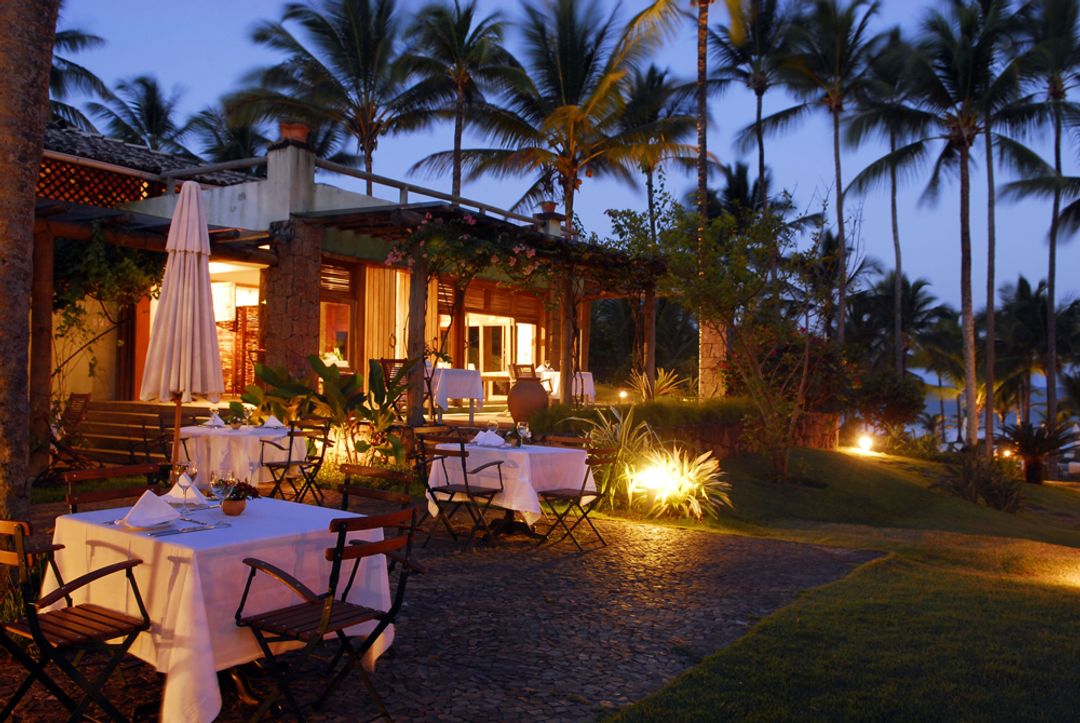
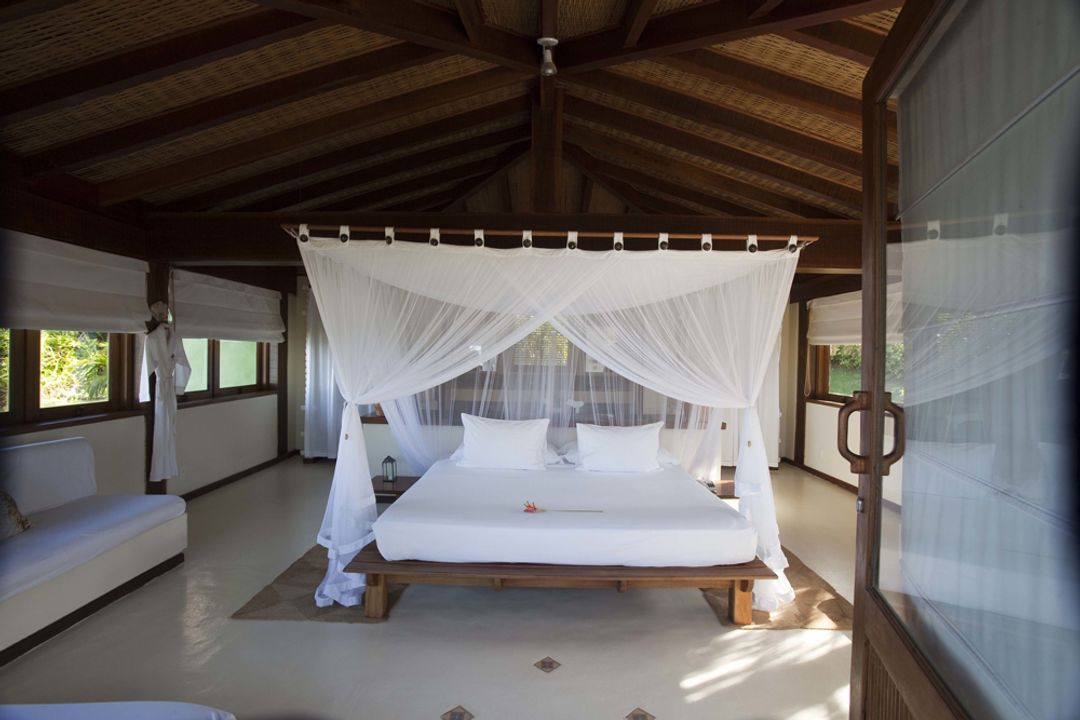
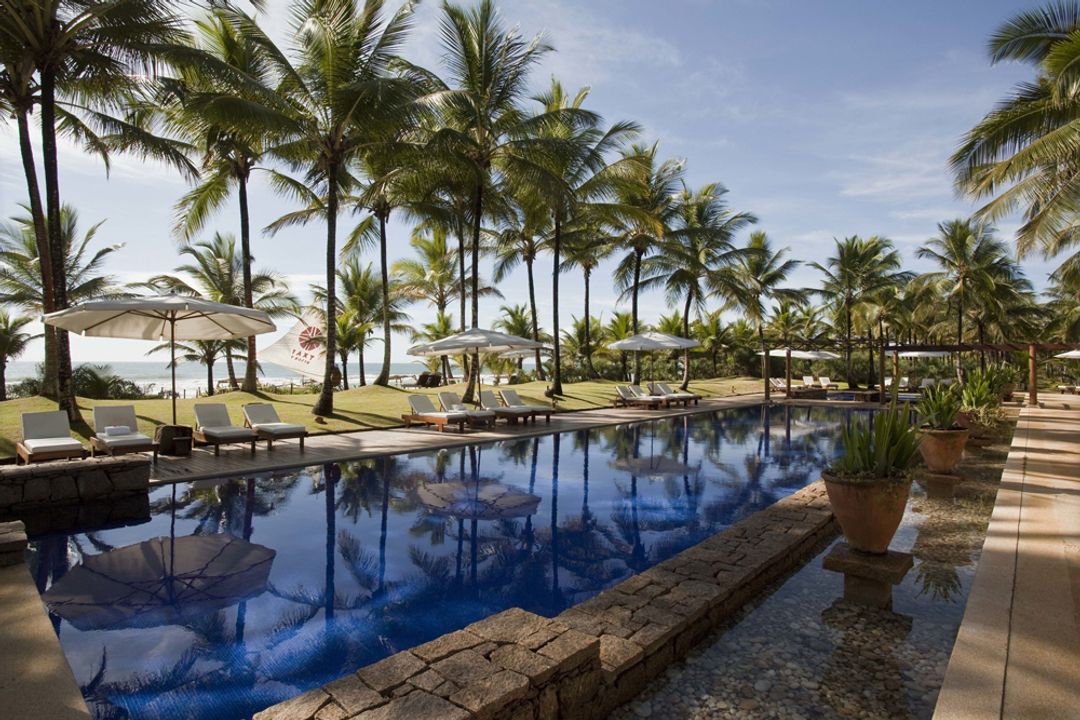
Txai Resort Itacaré, positioned on the quieter arc of Itacarezinho Beach a few kilometers south of the town center, is perhaps the clearest expression of this sensibility at scale. The property is built as a village of individual bungalows dispersed through forest, connected by elevated walkways rather than paved paths — a structure that reads less as a resort in the conventional sense and more as a careful argument for how to cohabit with dense vegetation without clearing it. Materials are local and tactile: hardwoods, bamboo, woven fibers. The spa and common spaces feel continuous with the landscape rather than dropped into it, and the beach itself, backed by forest rather than road or town, gives the property a sense of genuine remove. Barracuda Hotel & Villas, set back at Praia do Resende closer to the town's social life, operates at a different register — smaller, more architecturally playful, with a pool and villa configuration that suits travelers who want the forest-and-ocean combination without full immersion. Its position nearer to Itacaré's restaurants and capoeira schools means evenings extend into the town rather than ending at the property's edge.
The two properties between them map a genuine choice rather than a hierarchy. Txai asks you to commit to the landscape, to treat the rainforest not as backdrop but as primary material. Barracuda keeps one foot in town, which in Itacaré means something — this is a place with a specific culture, not just scenery. For anyone arriving with a serious interest in how contemporary Brazilian hospitality has engaged with ecologically sensitive coastline, these two properties, modest in number but precise in intention, represent the conversation at its most considered.