Best hotels in Sao Paulo, Brazil | Visually Compare Top Stays Side-by-Side
Welcome to PressBeyond - a curated visual guide to design-driven hotels and the fastest way to compare them.
An Overview of the Boutique & Luxury Hotel Landscape in Sao Paulo, Brazil
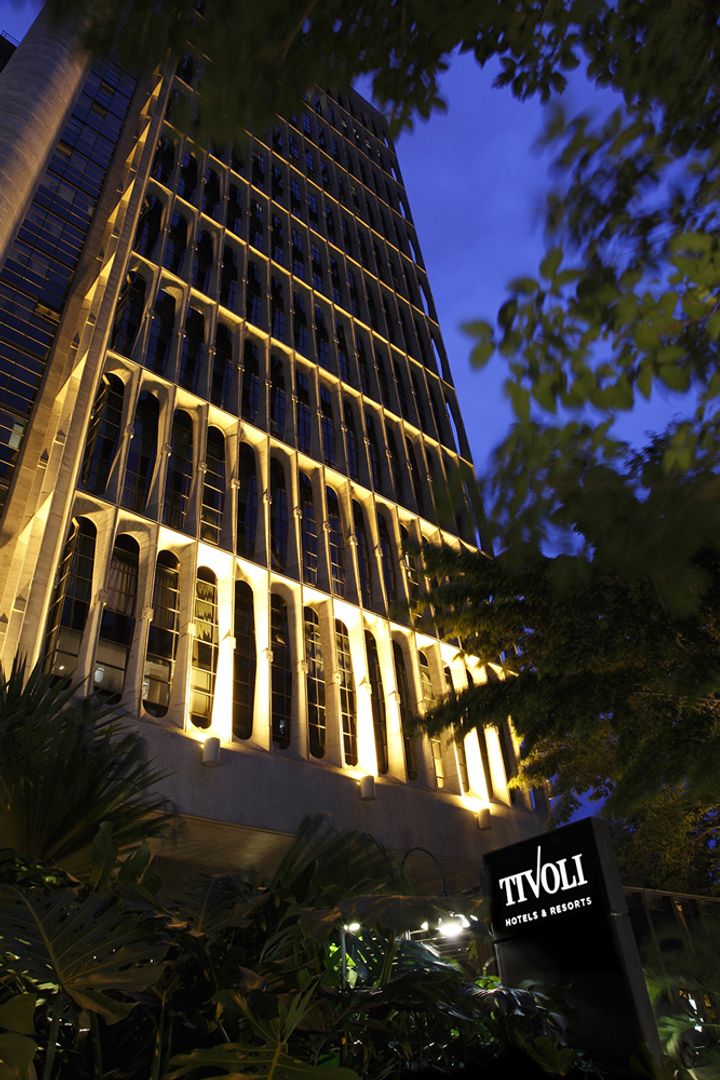
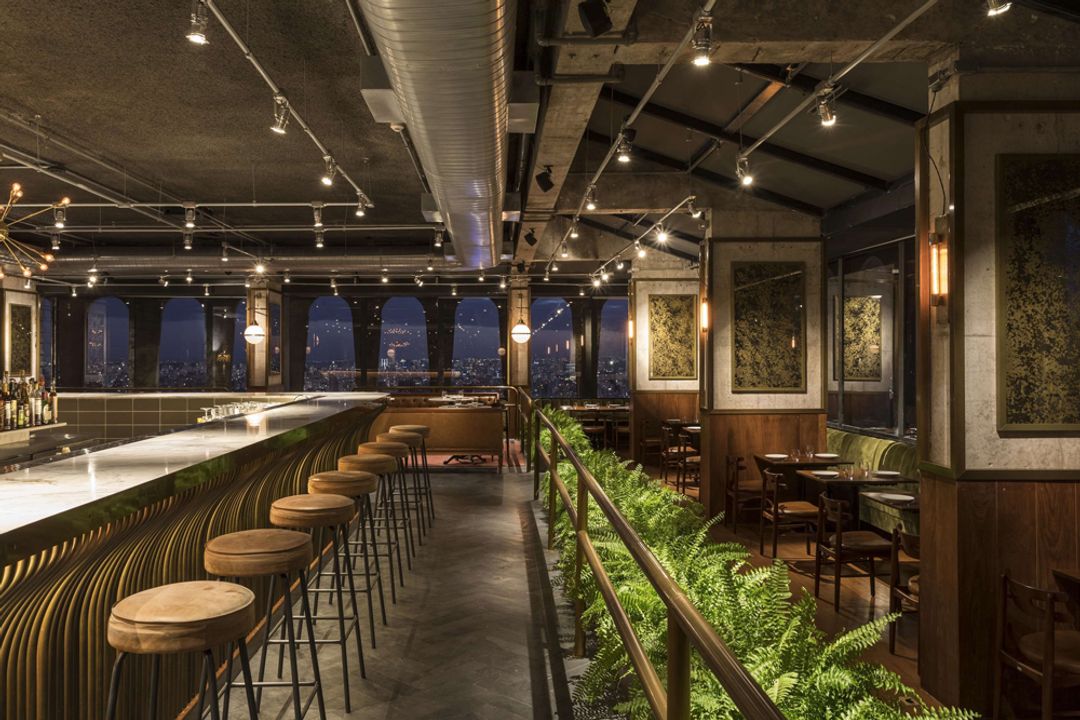
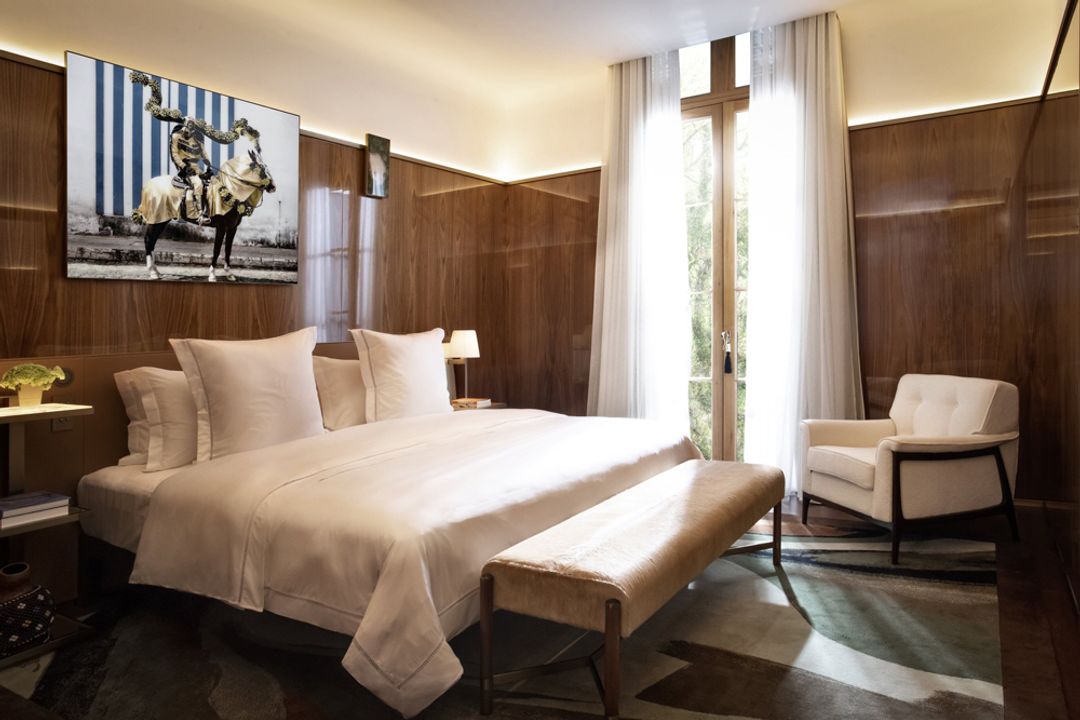
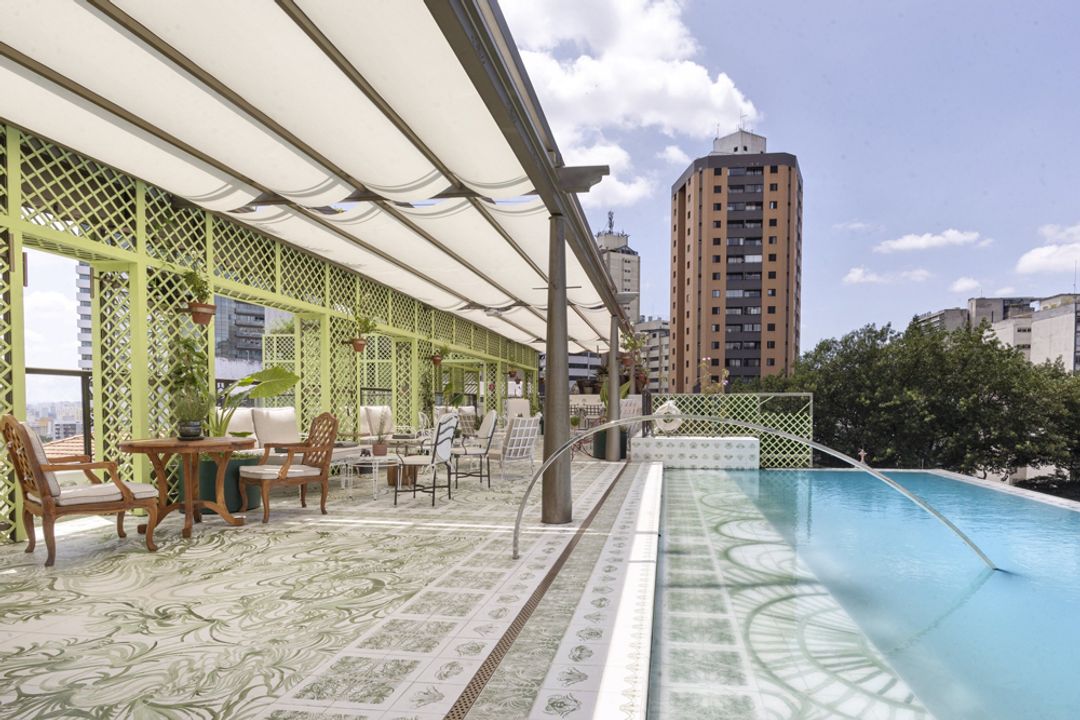
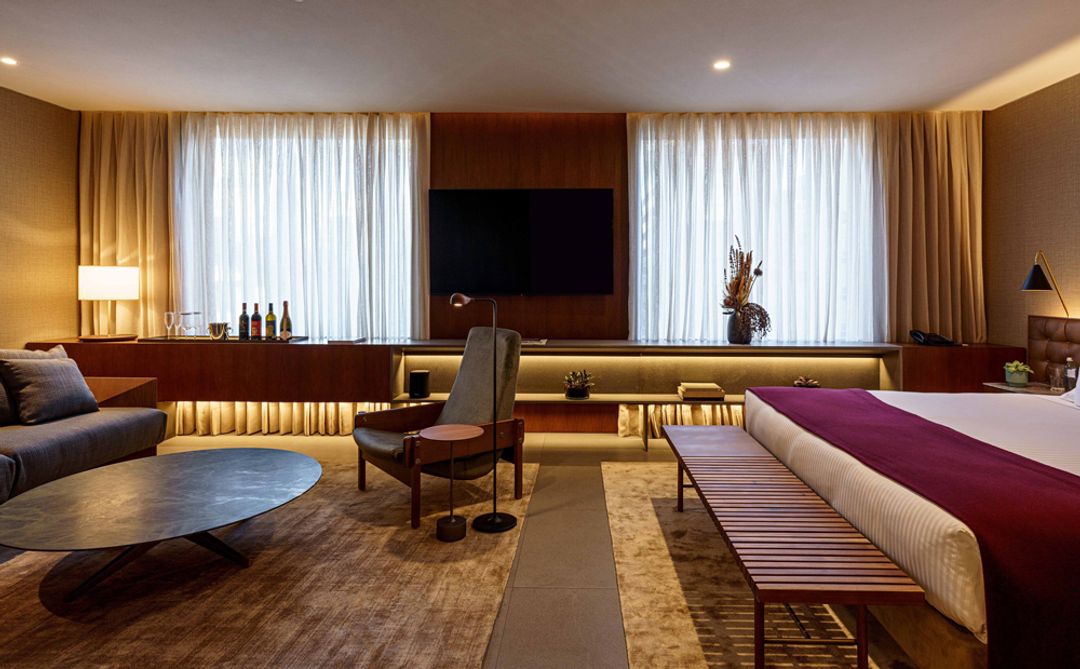
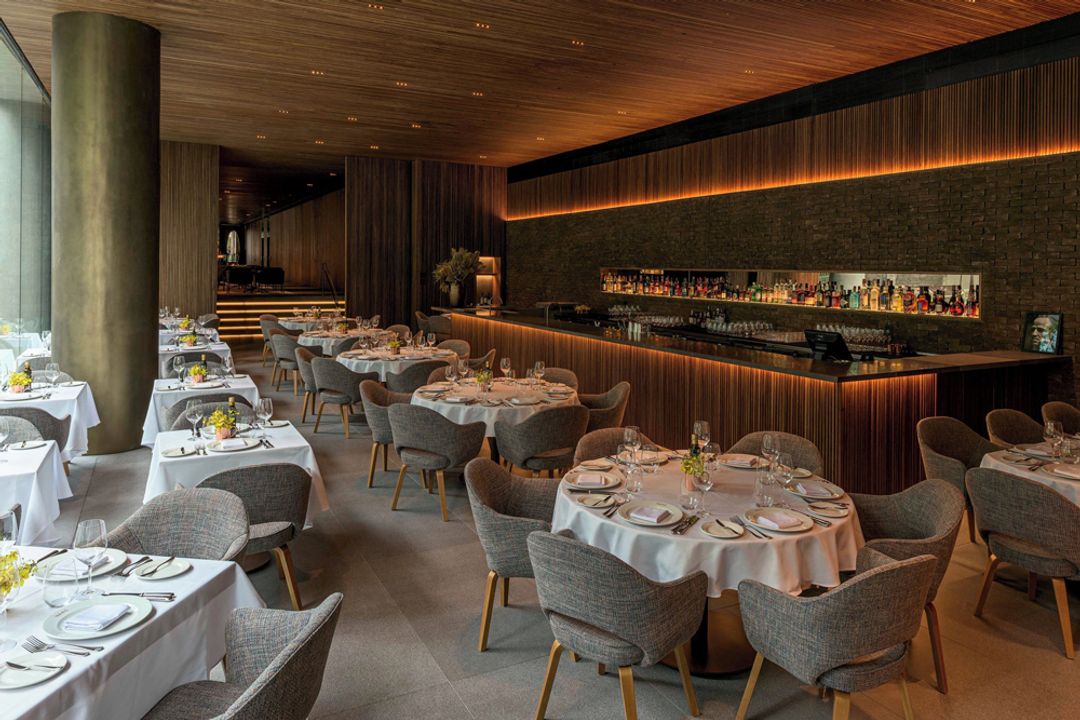
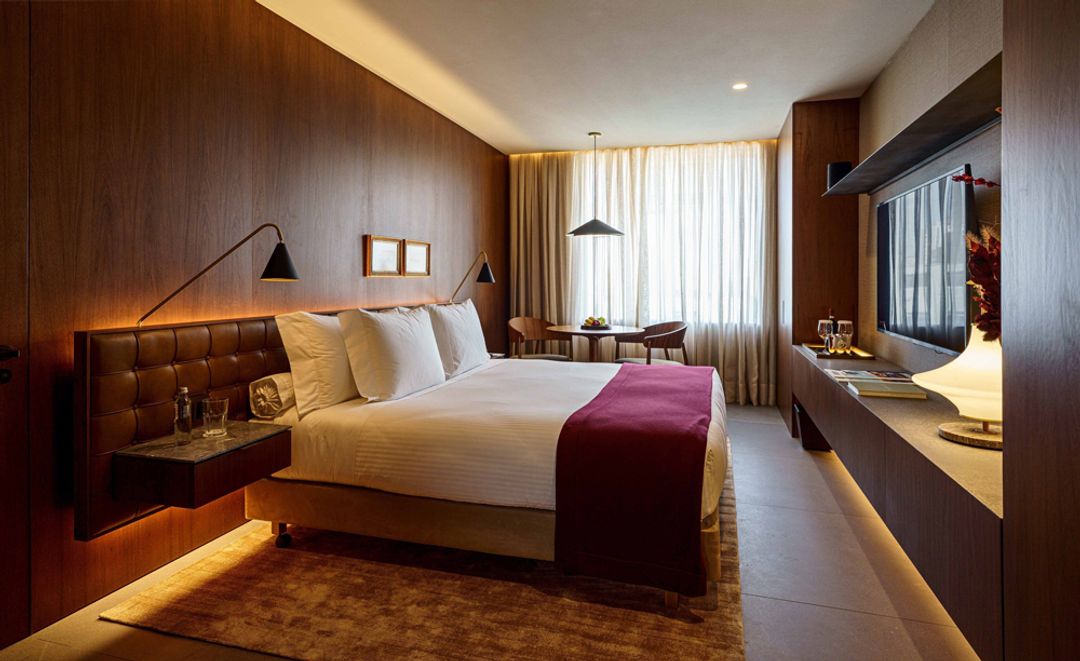
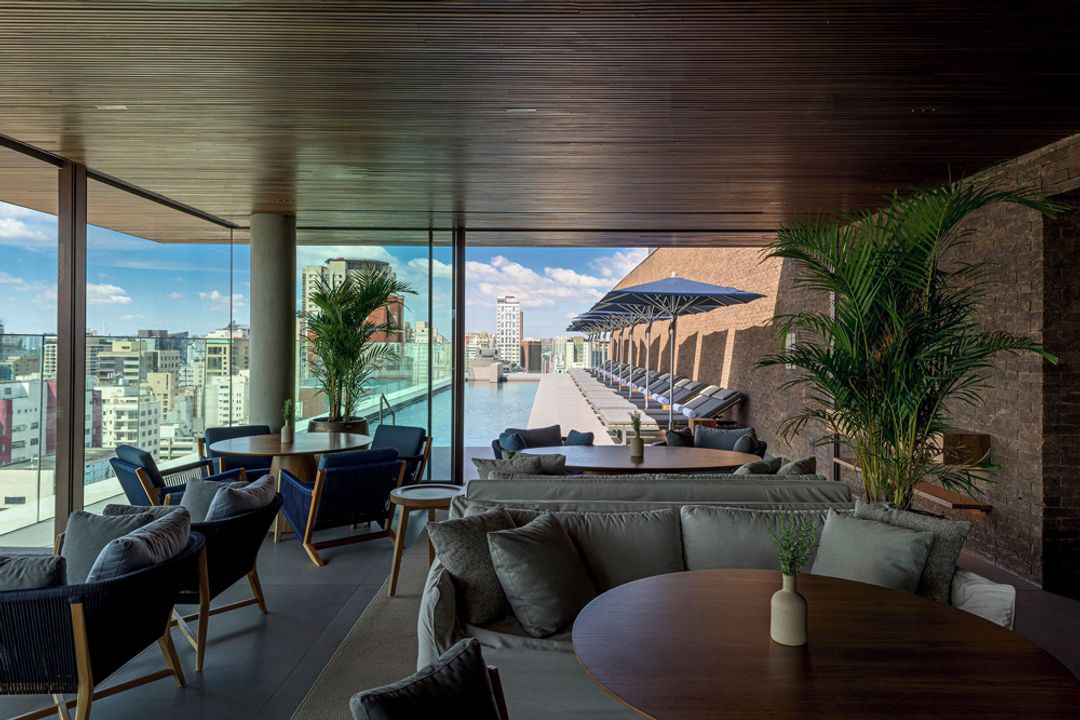
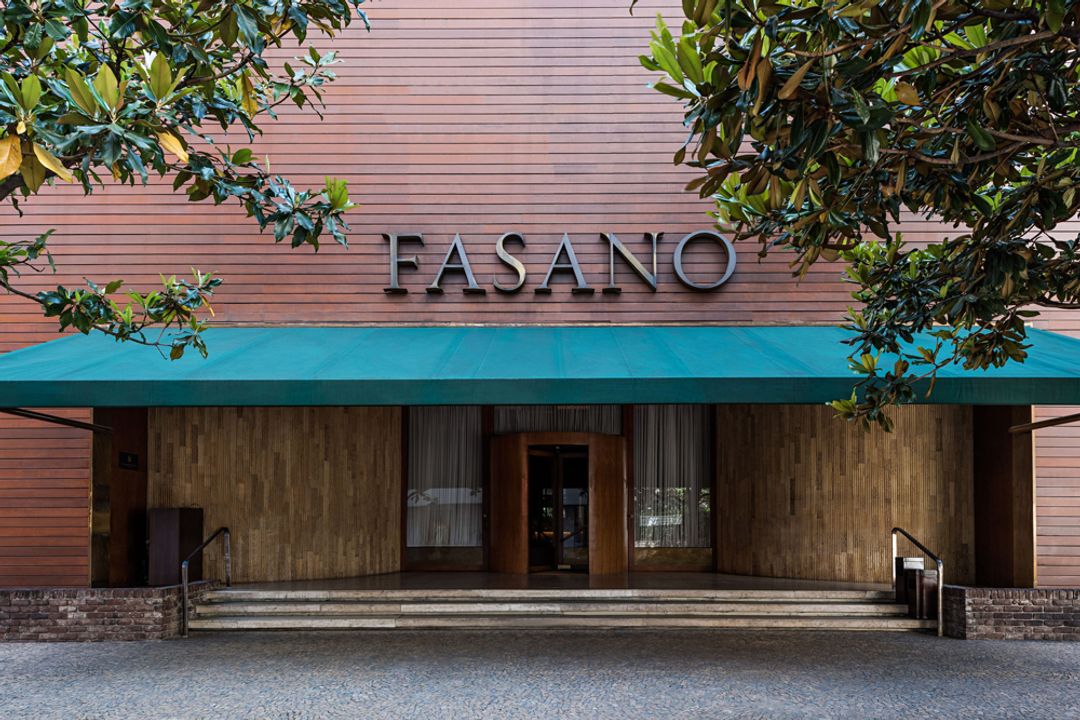
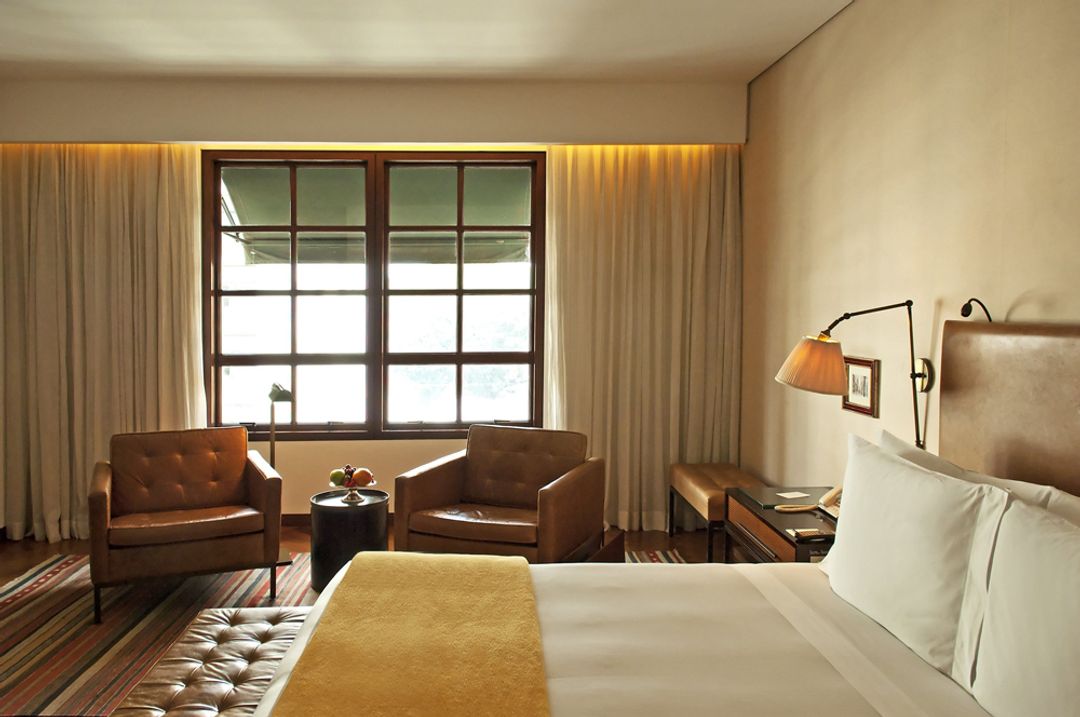
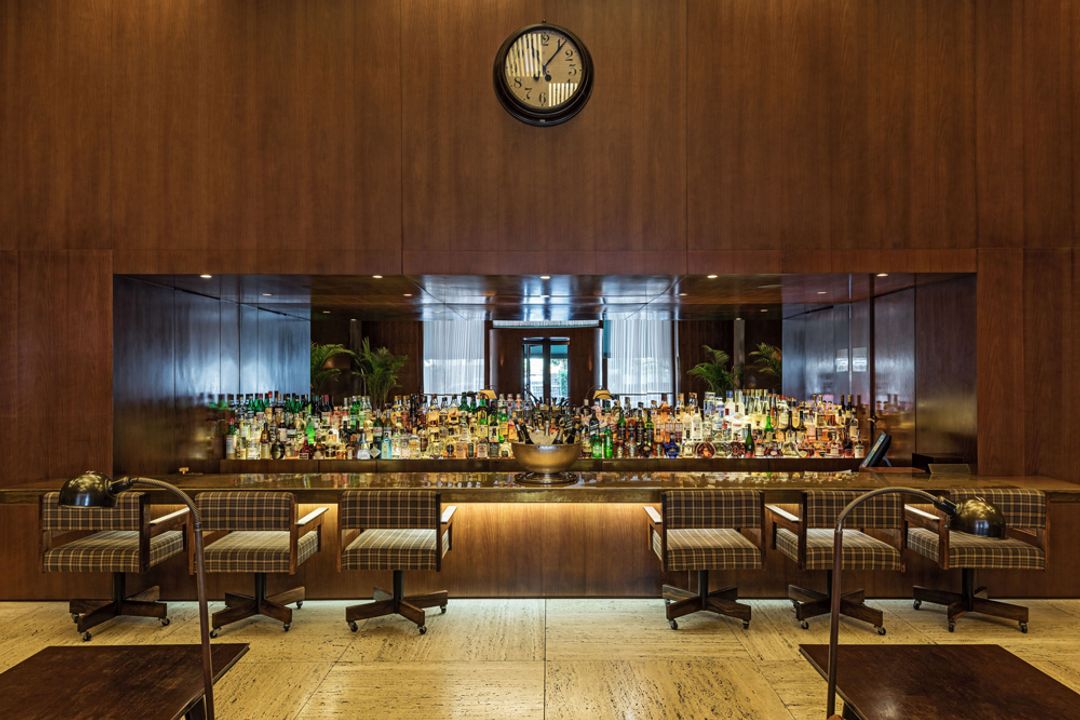
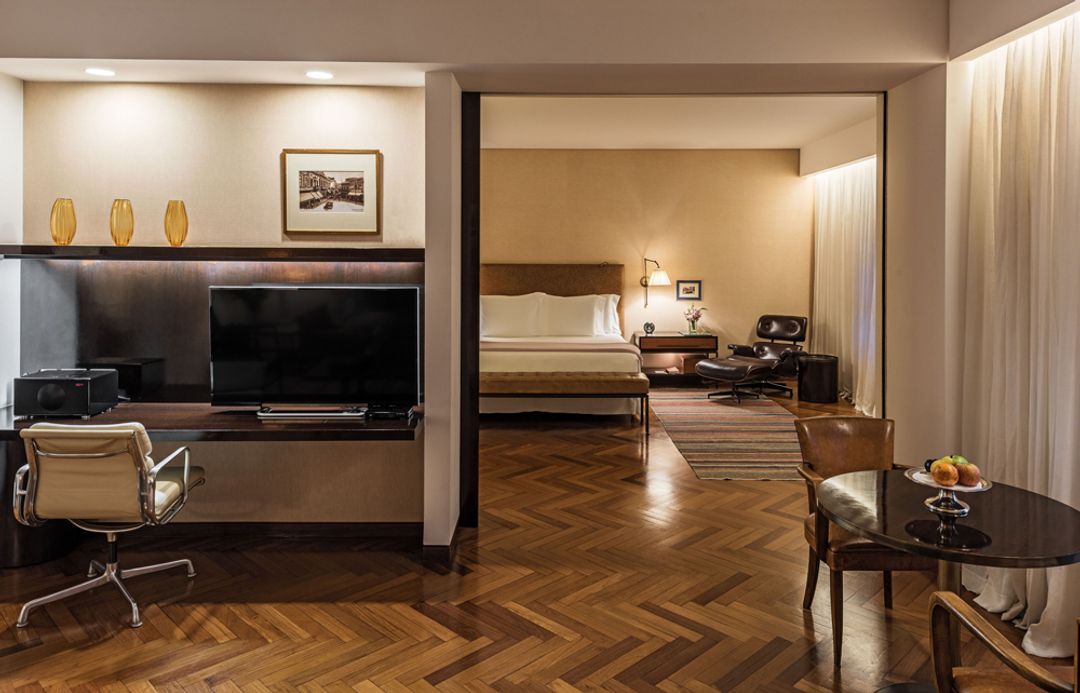
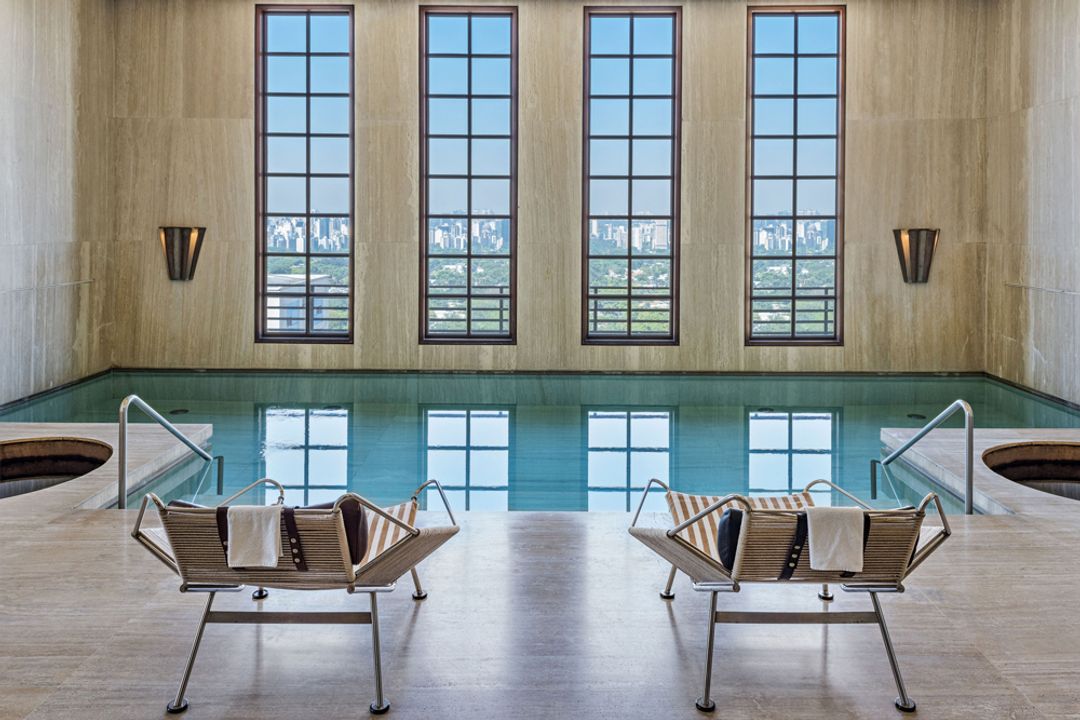
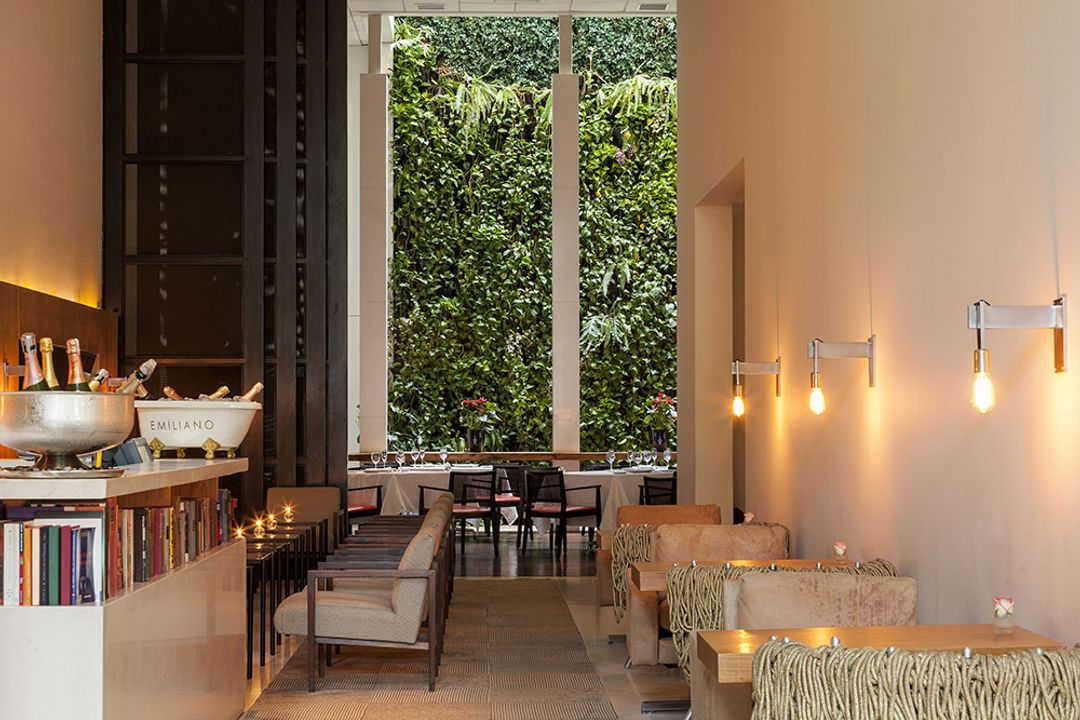
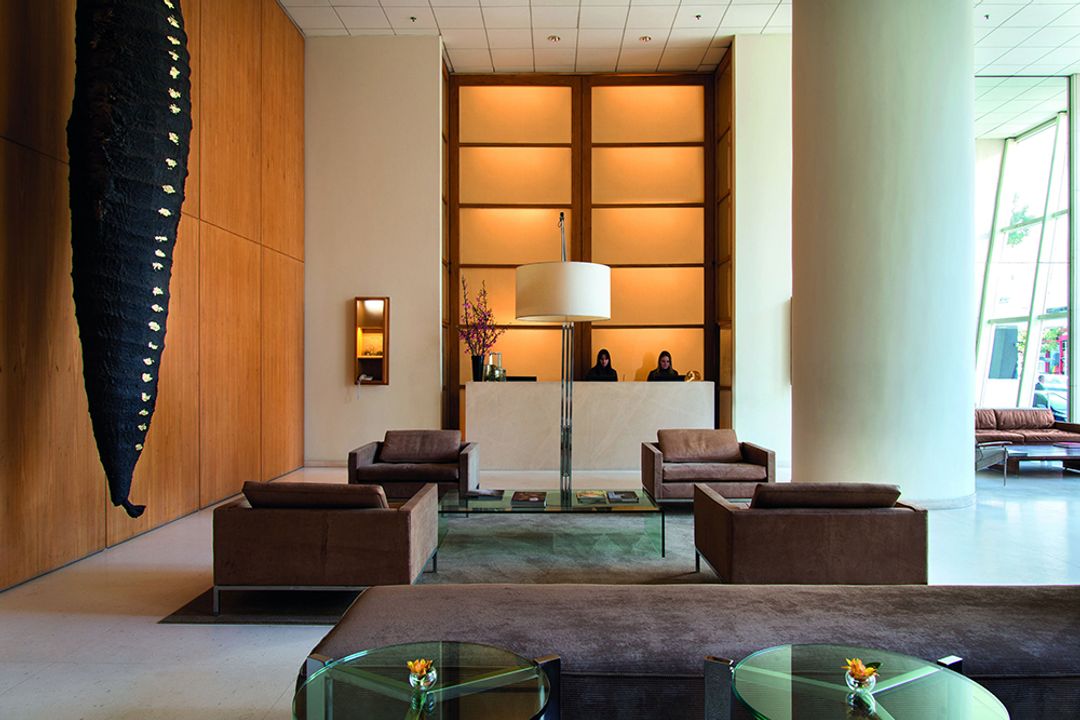
Cerqueira César and its adjacent stretches of Jardins form the densest concentration of considered hospitality in the city. The Fasano São Paulo Jardins, opened in 2003 and designed by Isay Weinfeld, remains the reference point: a building that works in warm timber, raw concrete, and deeply recessed windows, its interiors calibrated to the kind of discretion that still reads as authority two decades on. The Emiliano, also in Cerqueira César, takes a brasher position, its rooftop pool and contemporary art program drawing a younger, fashion-adjacent crowd. Nearby in Jardim Paulista, the Tivoli Mofarrej occupies a tower whose principal attraction is the terrace bar above the treeline, where the scale of the city becomes suddenly, viscerally apparent. None of these hotels pretend São Paulo has a picturesque center worth gazing at; they turn inward, toward courtyards and curated interiors, because the city rewards that posture.
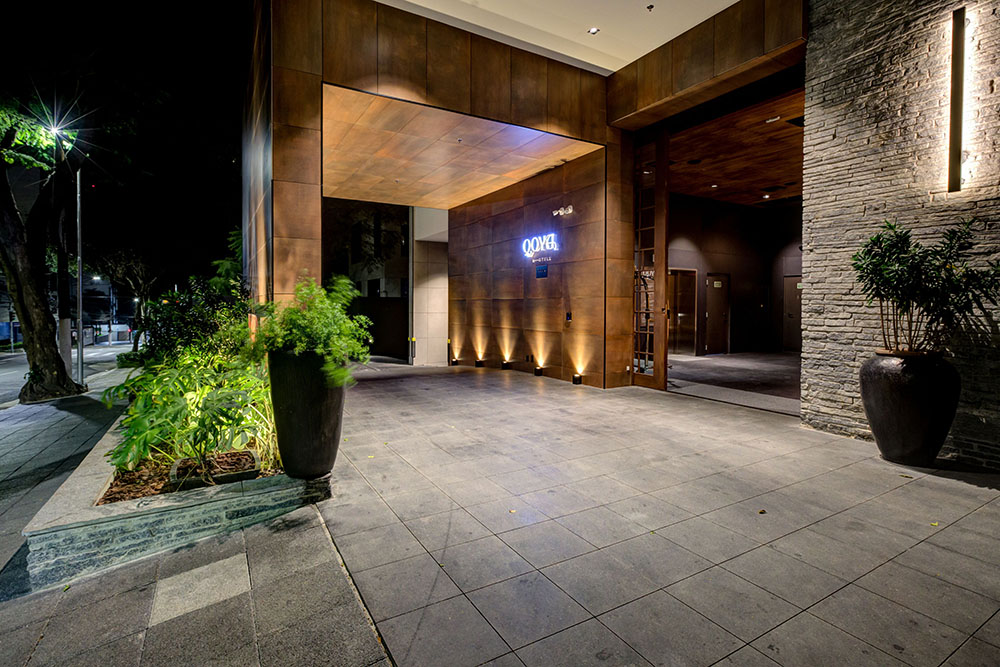
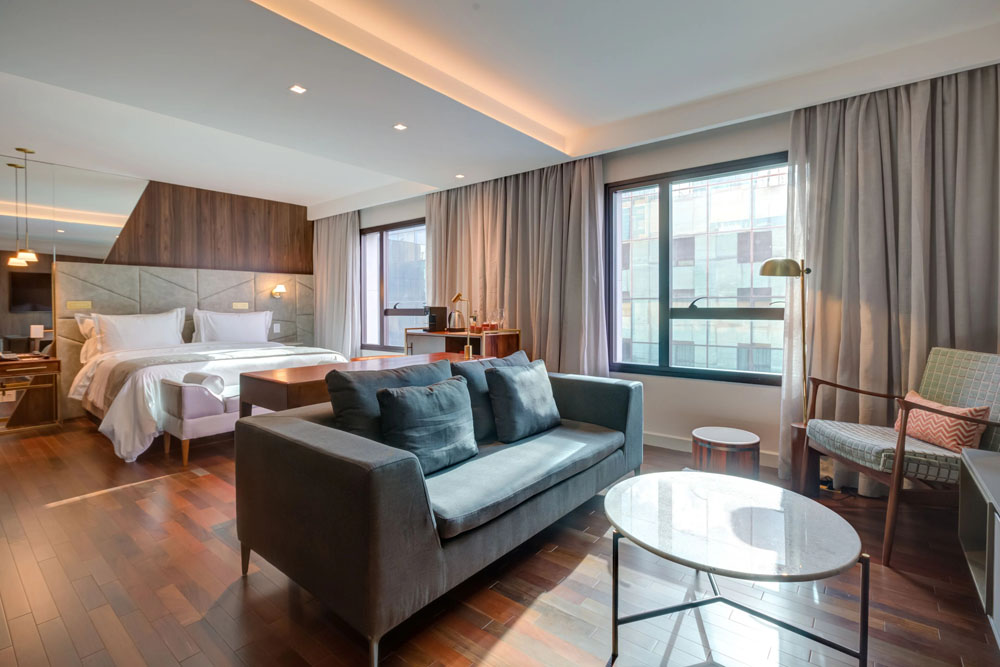
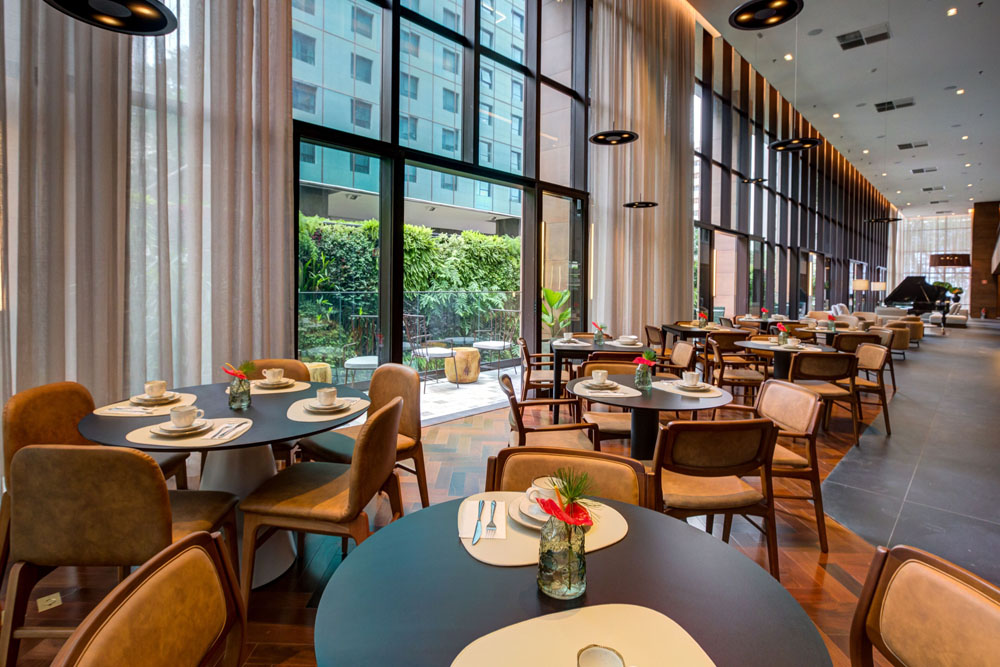
The Fasano São Paulo Itaim, the group's newer property in the financial district neighborhood of Itaim Bibi, extends that vocabulary into a more commercial quarter where glass towers dominate the streetscape. Weinfeld again handled the interiors, and the continuity is deliberate: this is a hotel for people who already know what Fasano means. On Paulista Avenue, the Qoya Hotel occupies a position that is more geographically central than atmospherically refined, but at around $160 a night it is the most practical entry point for anyone who wants to be close to the Museu de Arte de São Paulo, Lina Bo Bardi's suspended concrete frame one of the great architectural provocations on any boulevard anywhere.
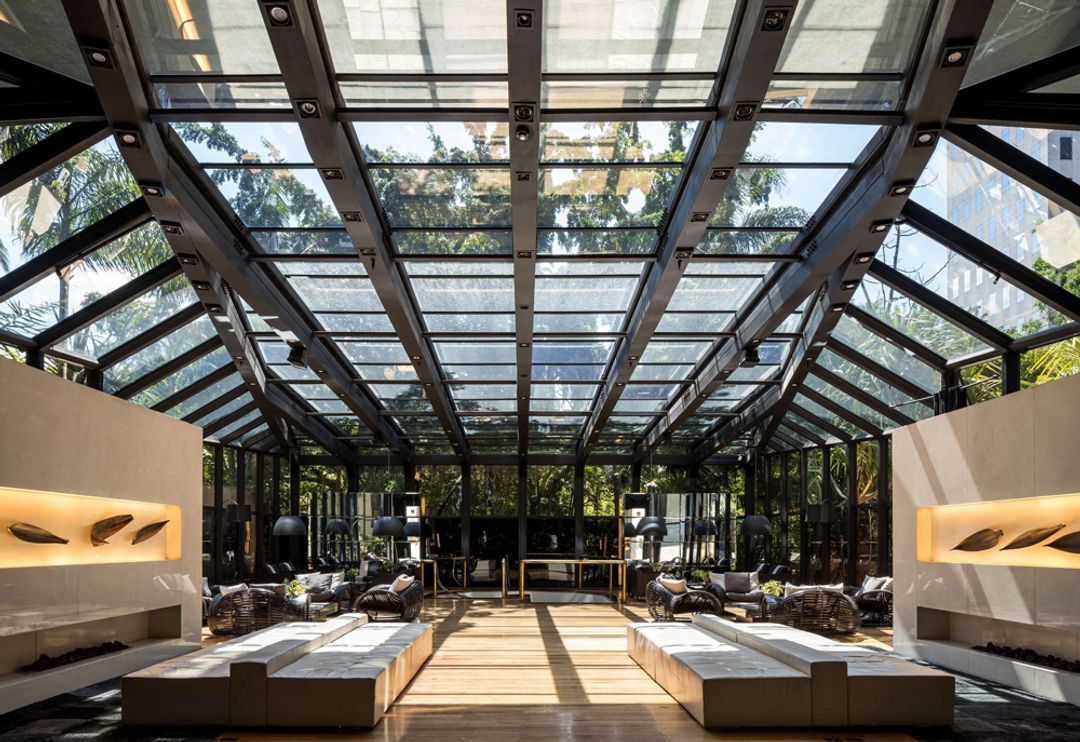
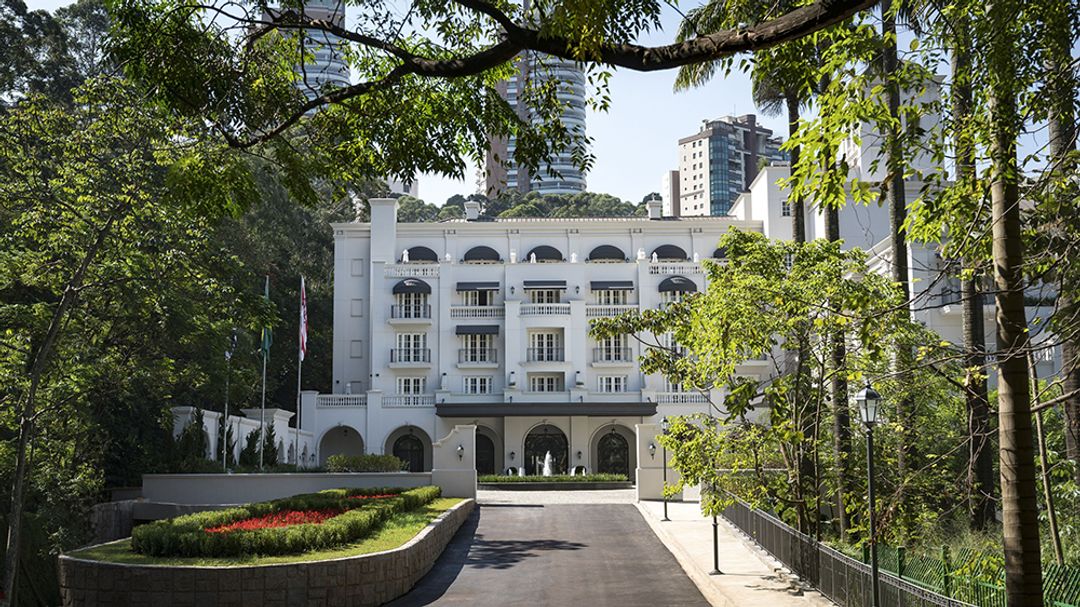
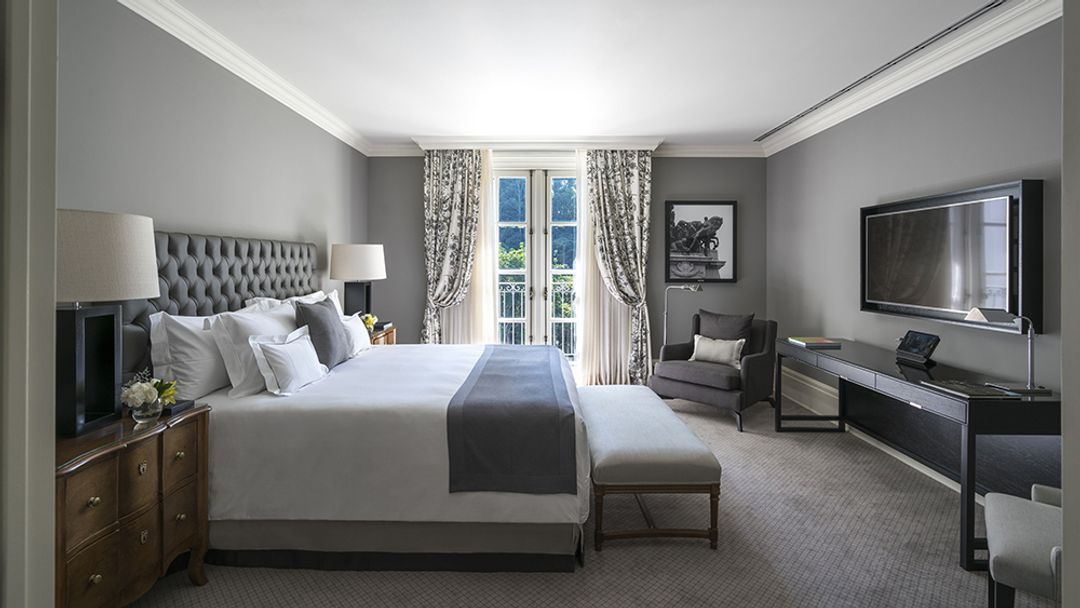
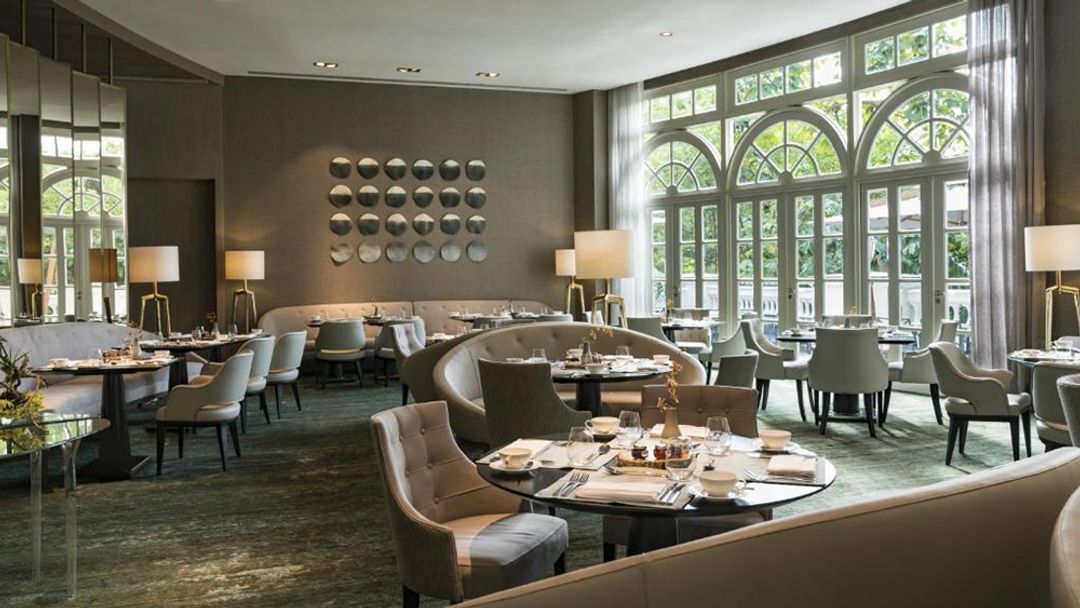
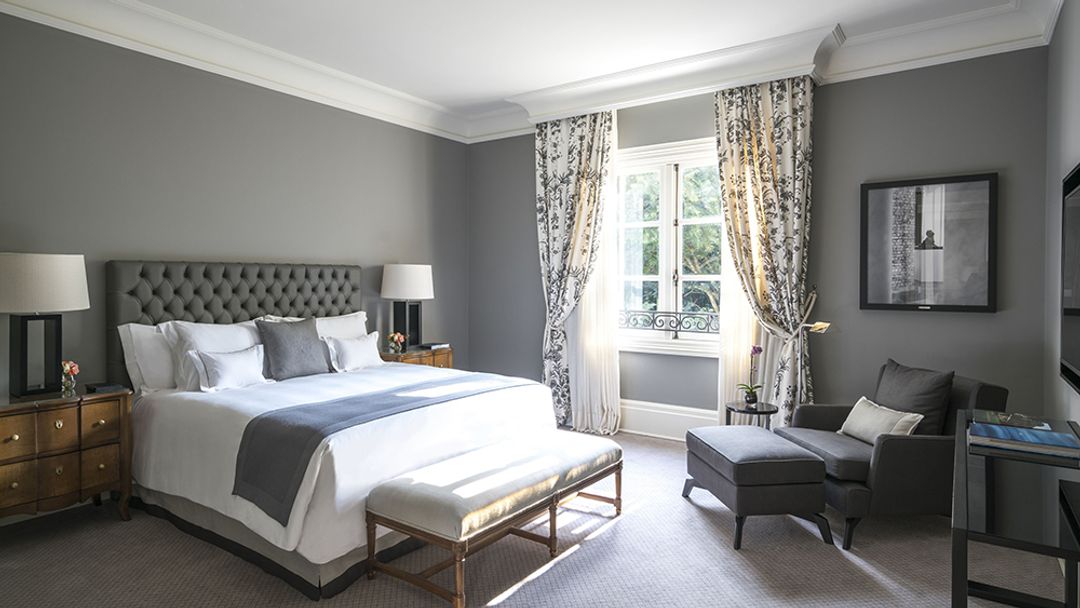
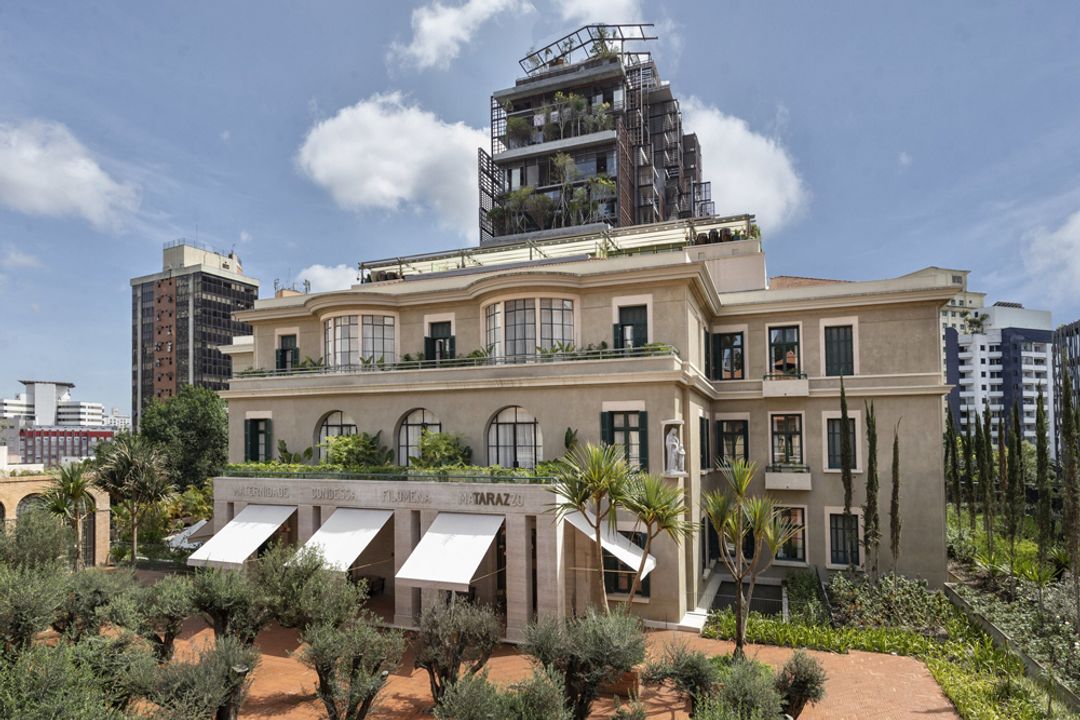
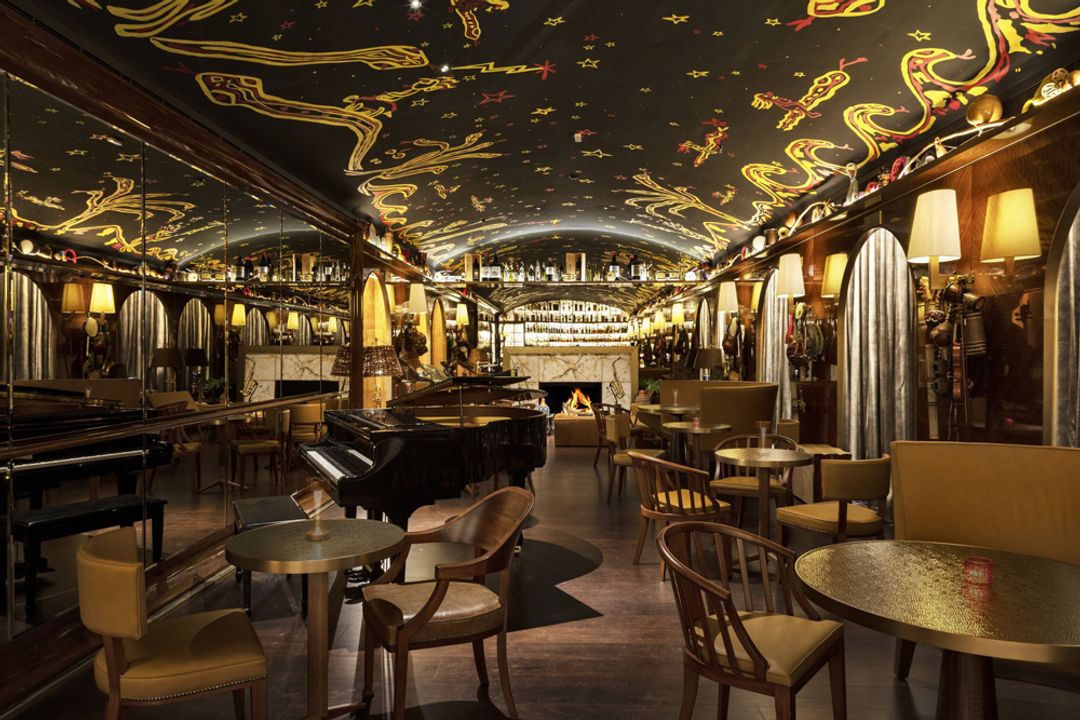
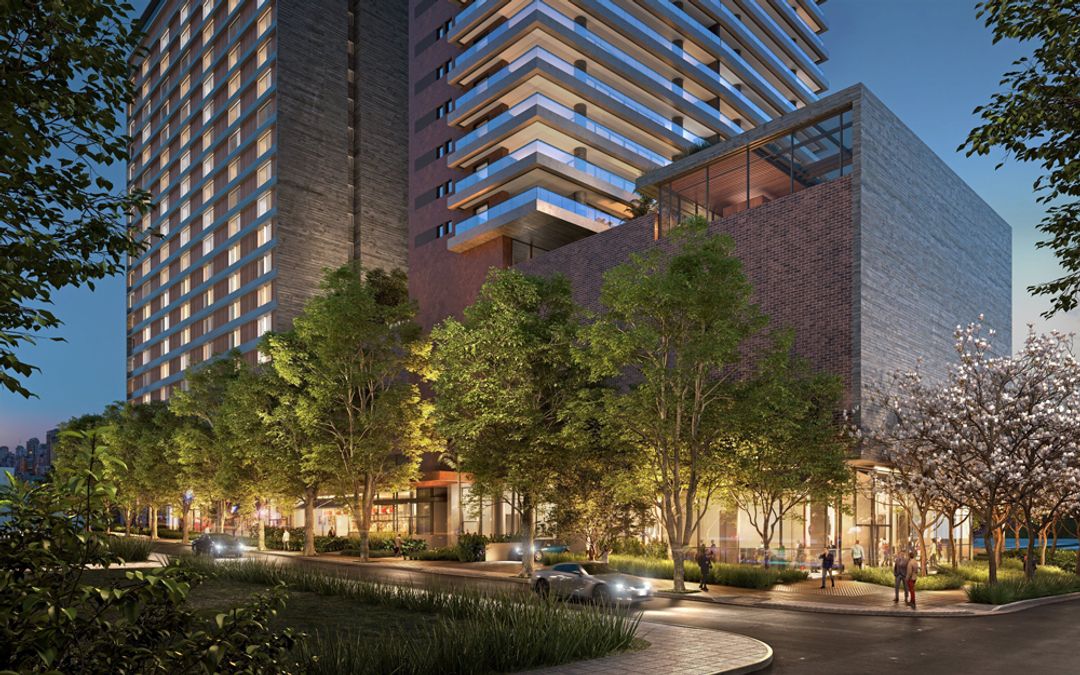
The most formally distinct property in this group sits outside the Jardins axis entirely. The Palácio Tangará, an Oetker Collection hotel, occupies a preserved manor building inside Burle Marx Park in Boaçava, and Jean-Louis Deniot handled the interiors with a restraint unusual for the brand. The Rosewood São Paulo, designed by Isay Weinfeld and opened in 2022 in Bela Vista, is the more muscular statement: a tower whose stacked volumes and copper-toned cladding have already made it a reference point for what contemporary hospitality architecture can do in a city that has historically had little patience for the monumental. Together, these two properties make a case that the most interesting São Paulo hotels are no longer confined to a single corridor of the map.