Best hotels in Banff National Park | A Curated Visual Guide to Top Stays
Welcome to PressBeyond, the ultimate curated visual guide for design-driven hotels! My name is Will Miller and these are my recommendations for the best boutique and luxury hotels in Banff National Park.
I am the founder of PressBeyond and I am an ultra-meticulous hotel curator who loves clean visuals. I have individually analyzed and tiered each hotel included in this guide based on a variety of criteria (architecture & design, location, brand & brand affiliation, existing reviews, and my own personal experiences), and importantly, I have hand-selected the leading imagery for each hotel to provide you with easily-digestible, yet detailed and complete, like-for-like, high-level visual profiles. I felt this summarization step was a critical missing piece across existing guides, blogs, and booking platforms. My aim is to make it easier for people to identify hotel environments that resonate with them, along with enabling them to visualize the types of social experiences that those environments help foster. My brain doesn't work when exposed to cluttered content, so my goal was to create the opposite.
Underneath this, we are also a full booking engine offering 5% Venmo cash back along with other exclusive perks. For all of you design-obsessed hotel enthusiasts out there, I hope this guide helps get you to where you see yourself!
An Overview of the Boutique & Luxury Hotel Landscape in Banff National Park
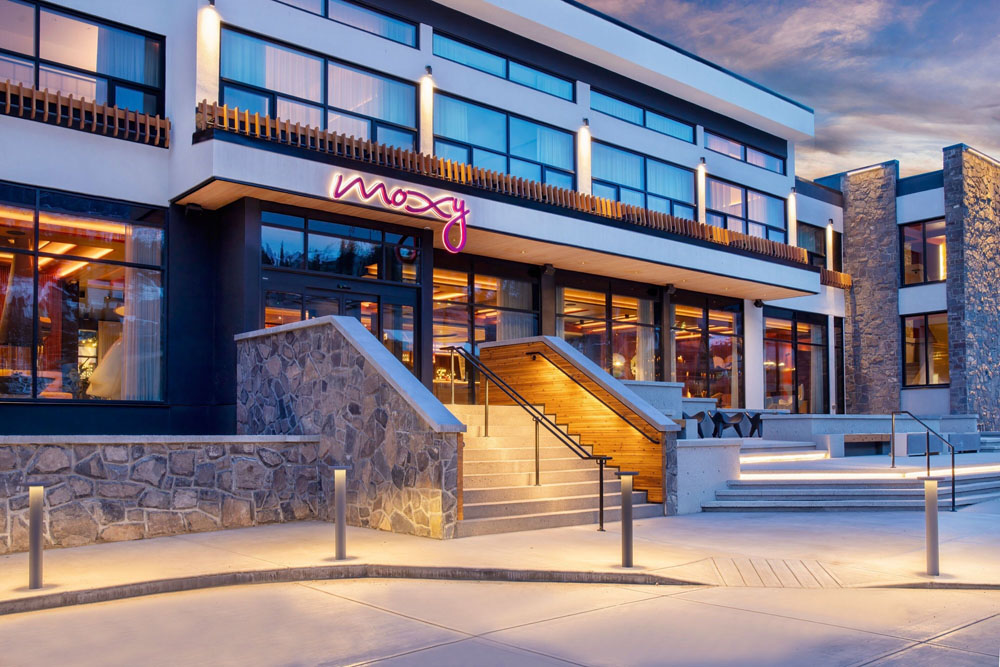
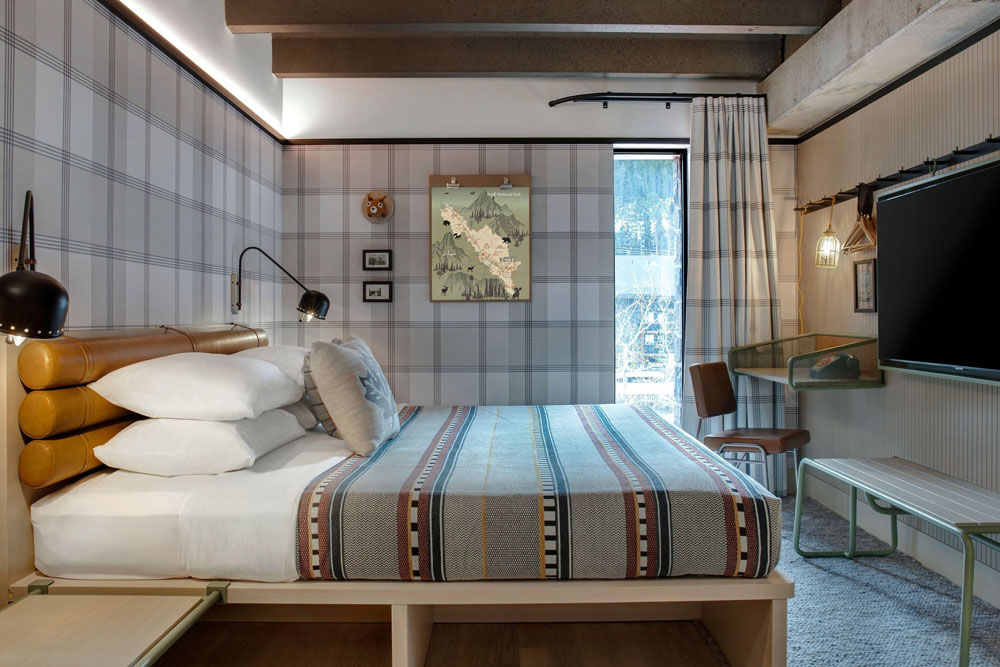
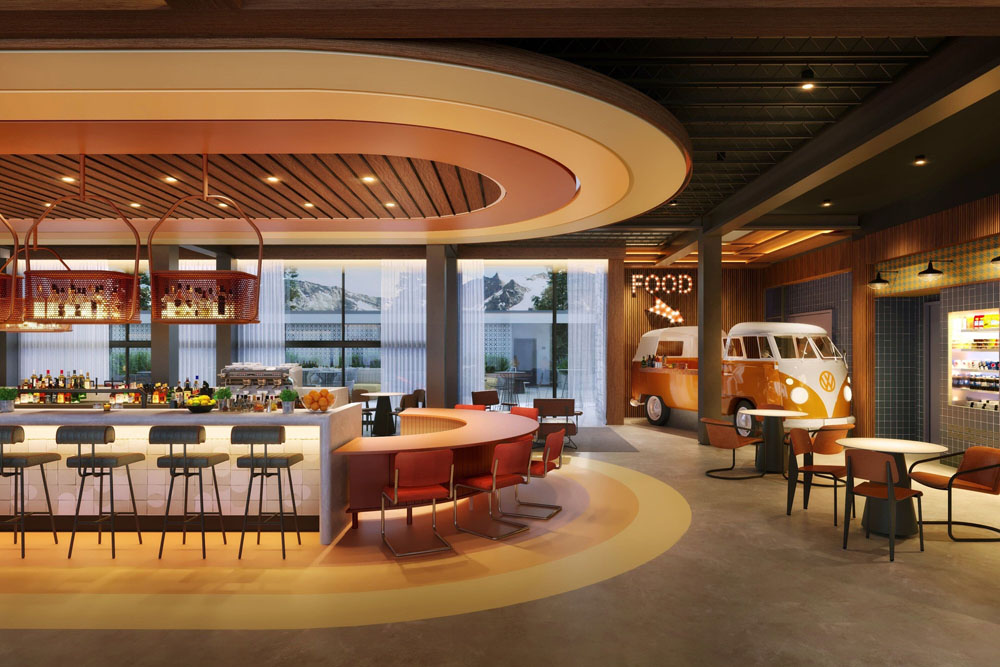
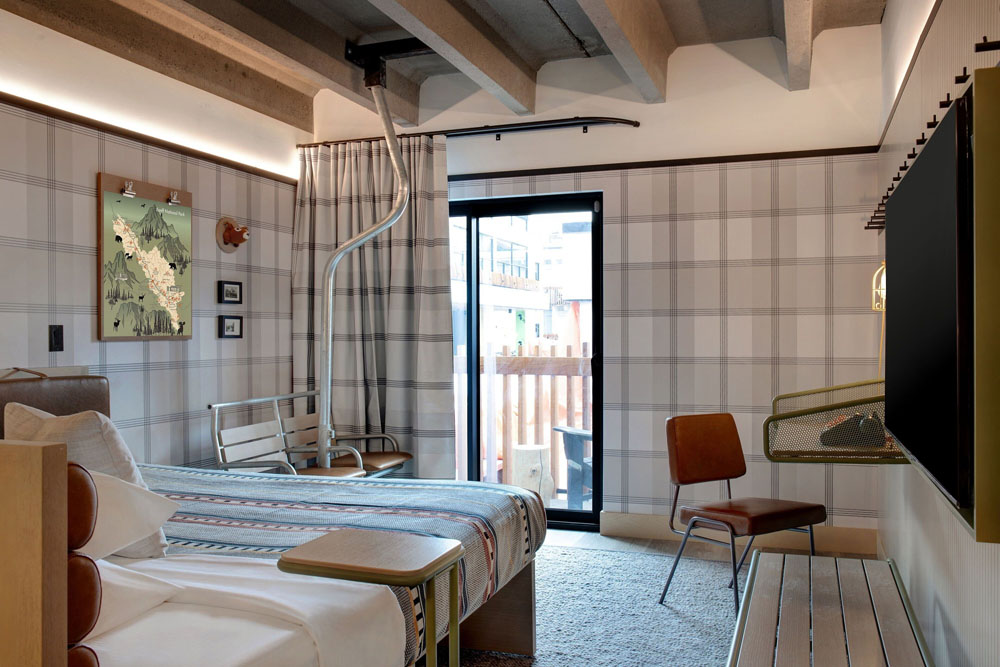
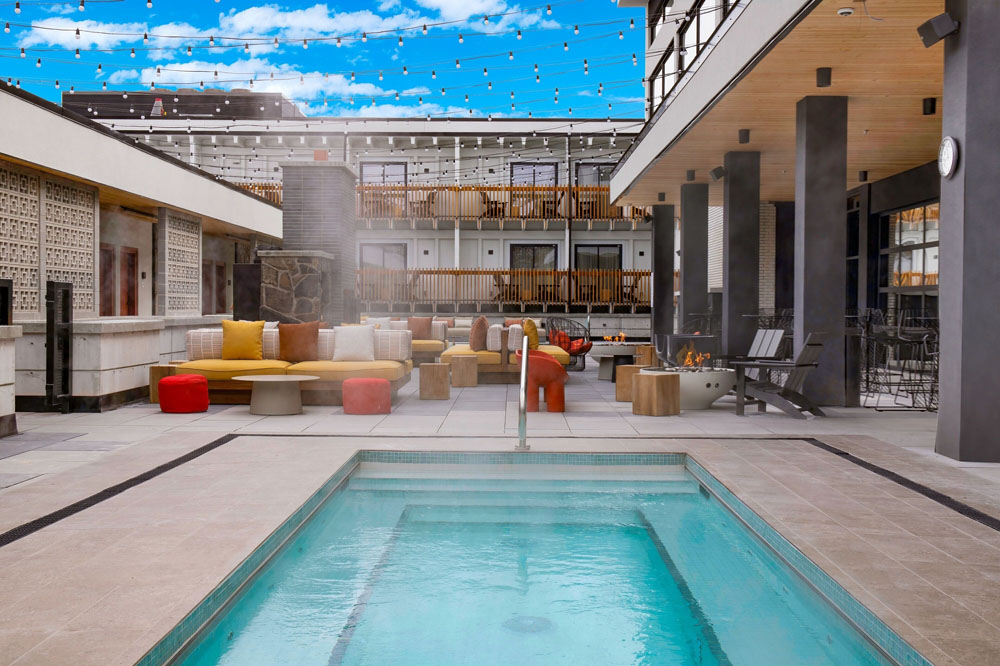
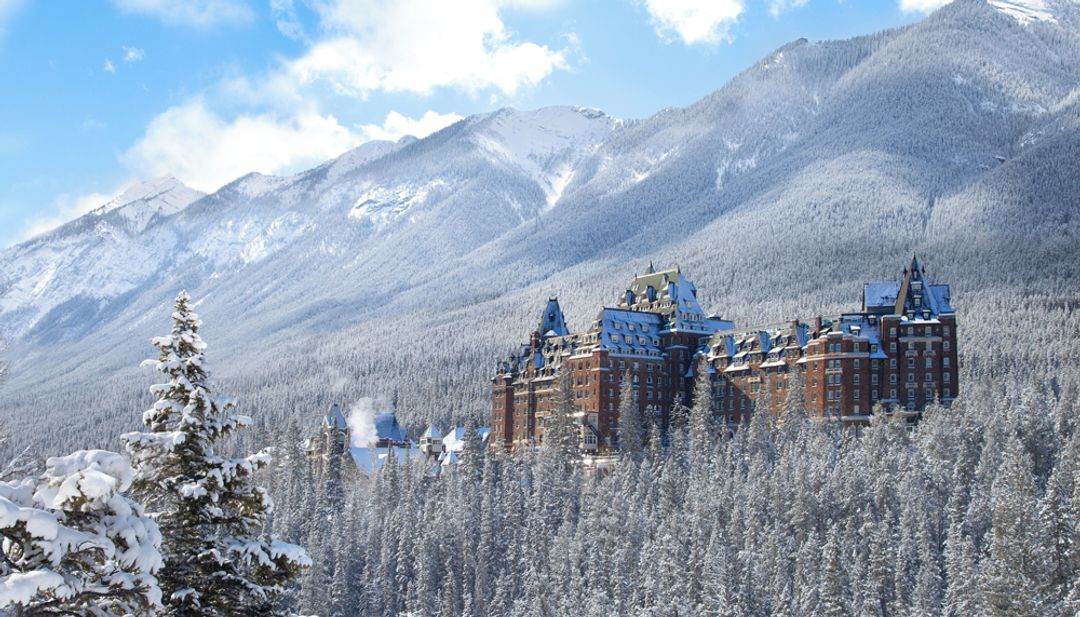
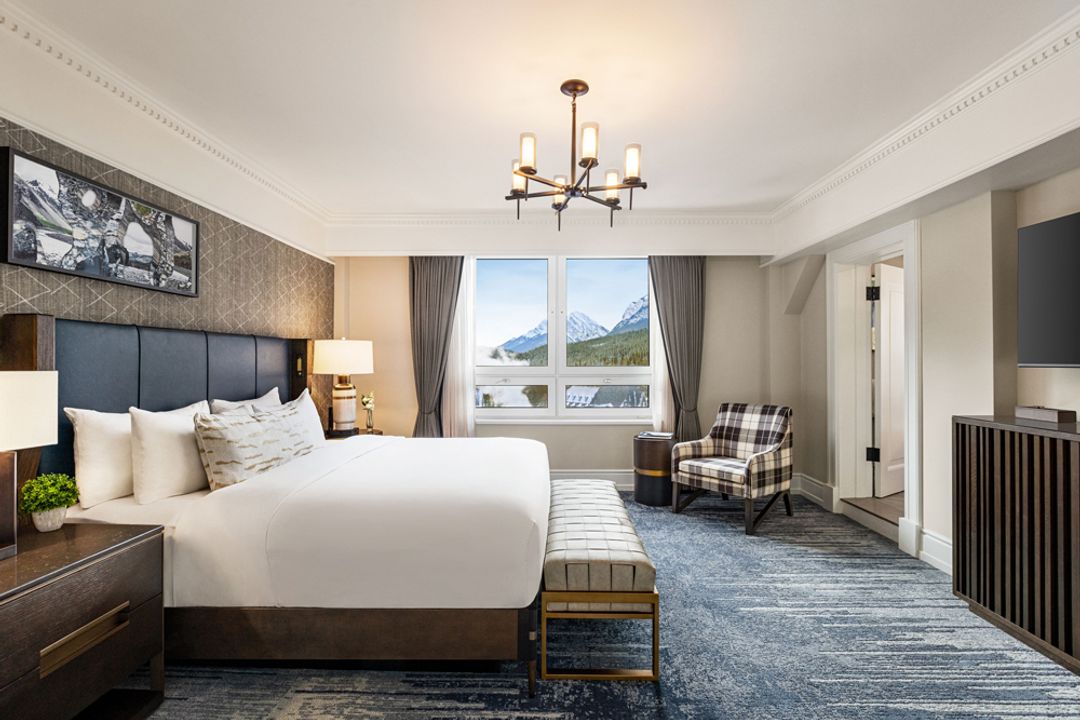
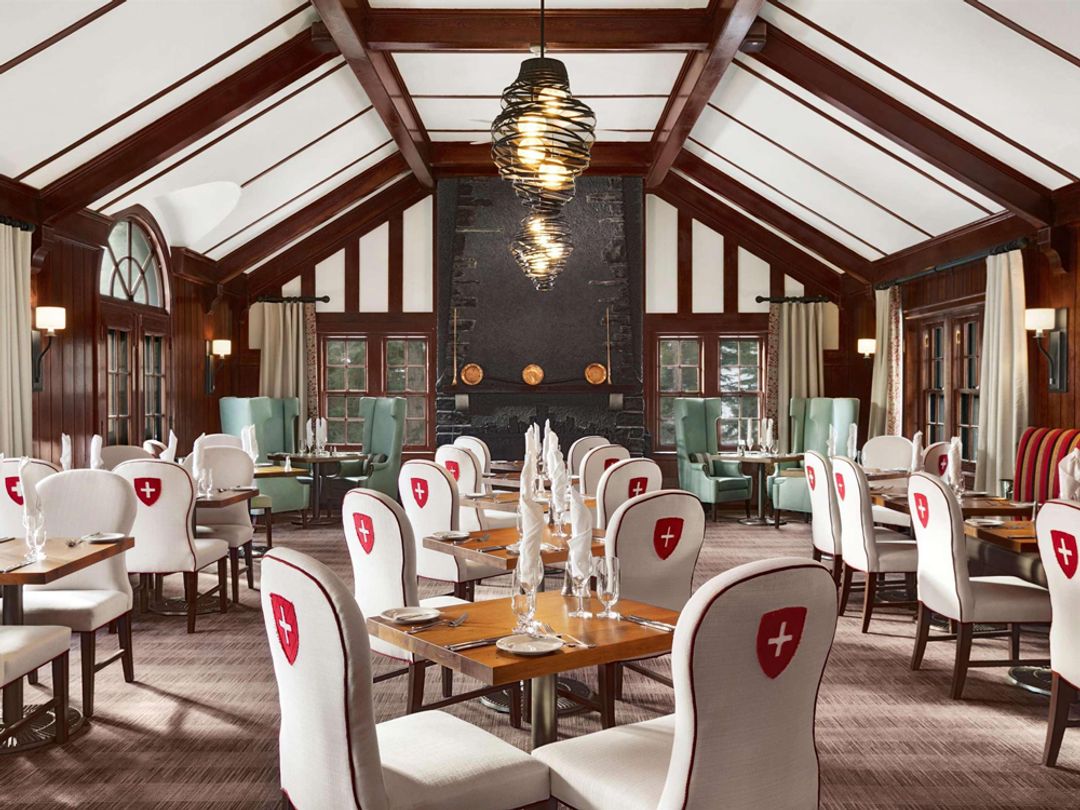
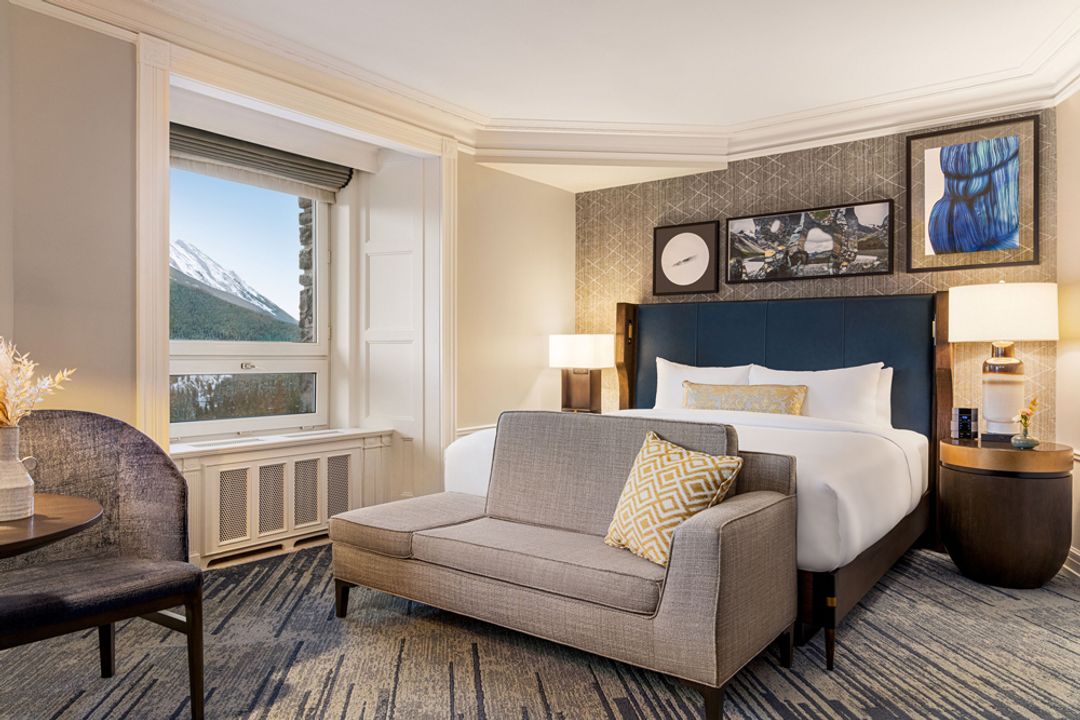
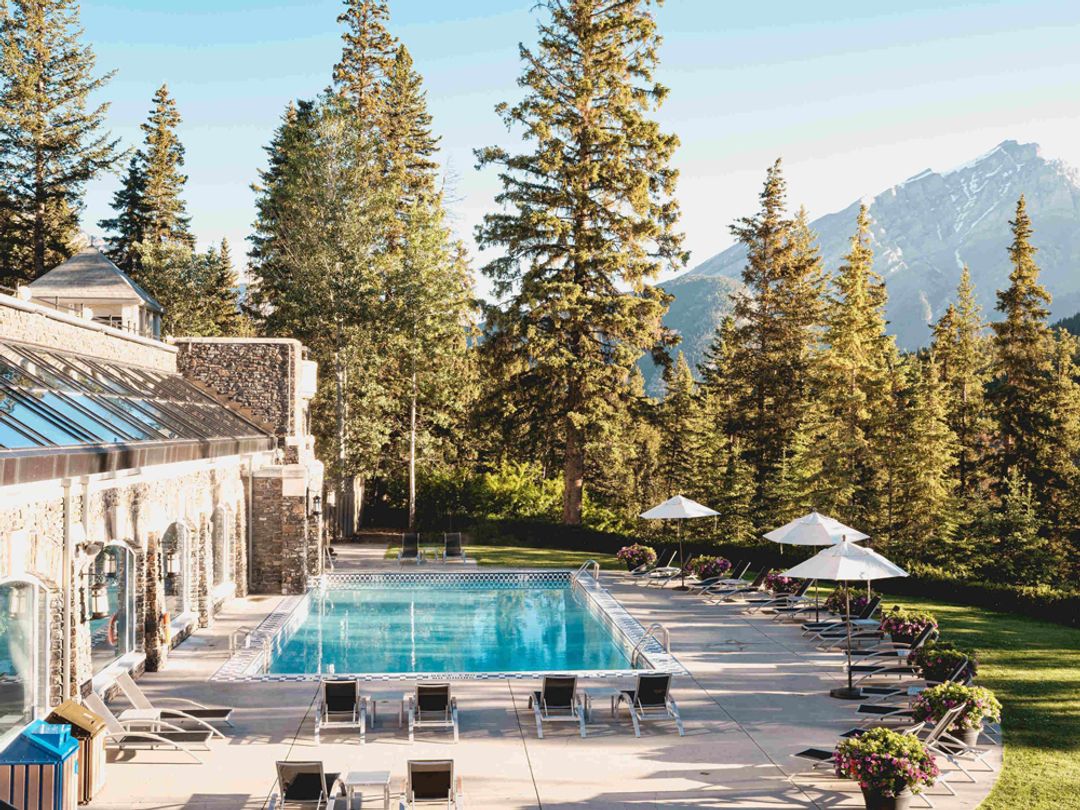
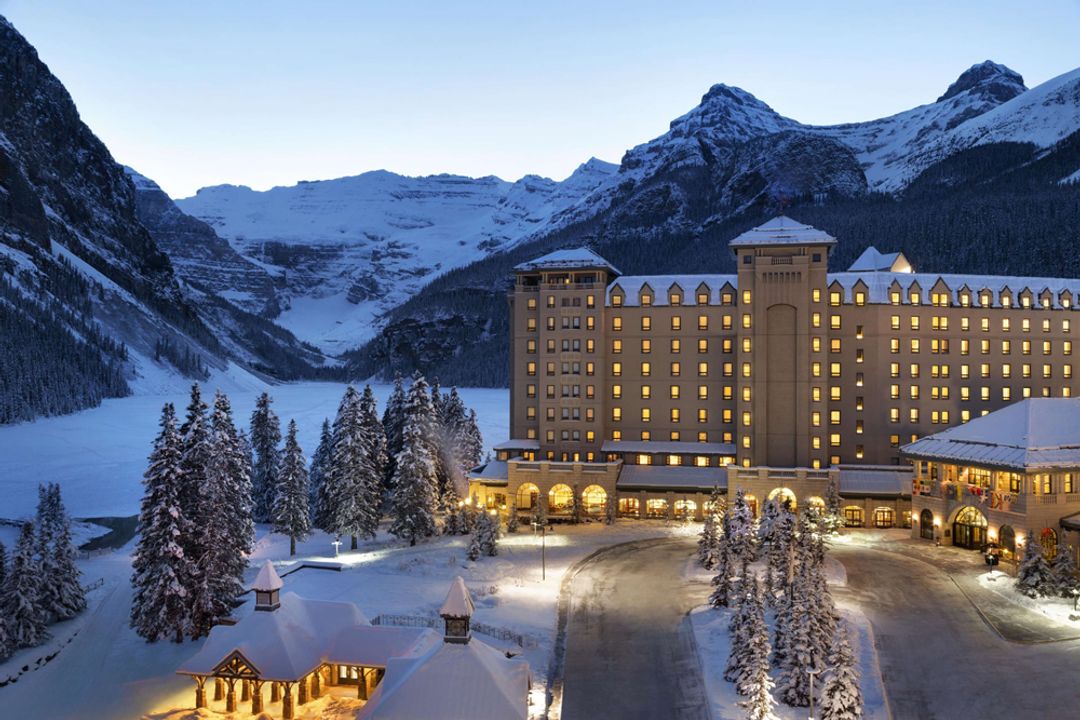
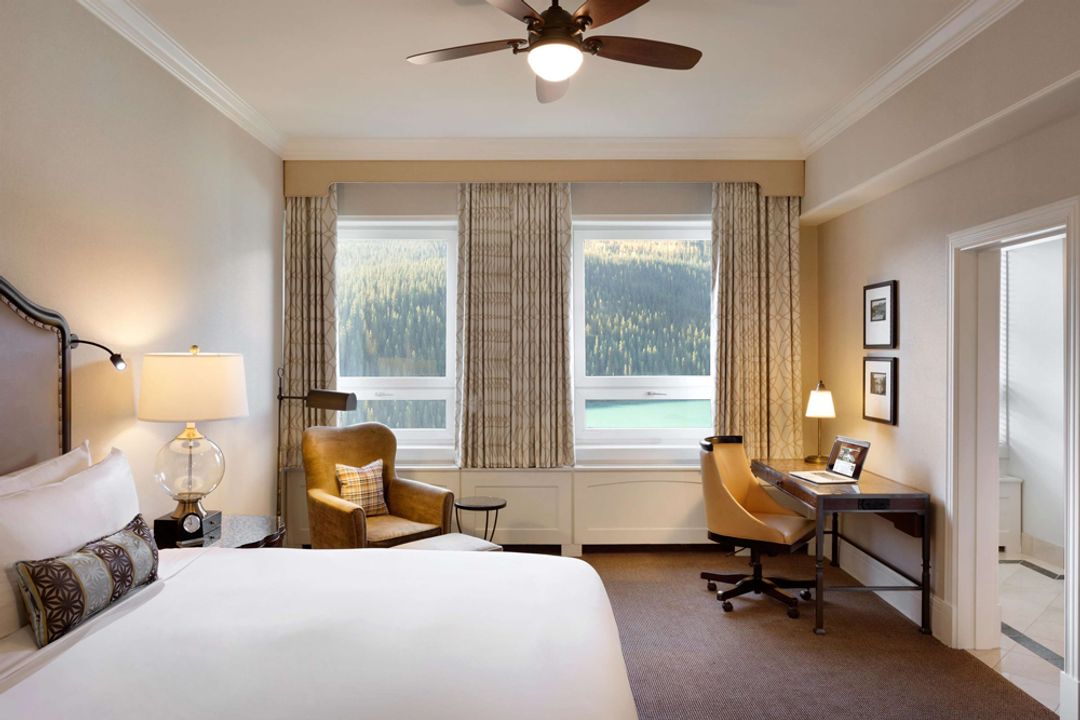
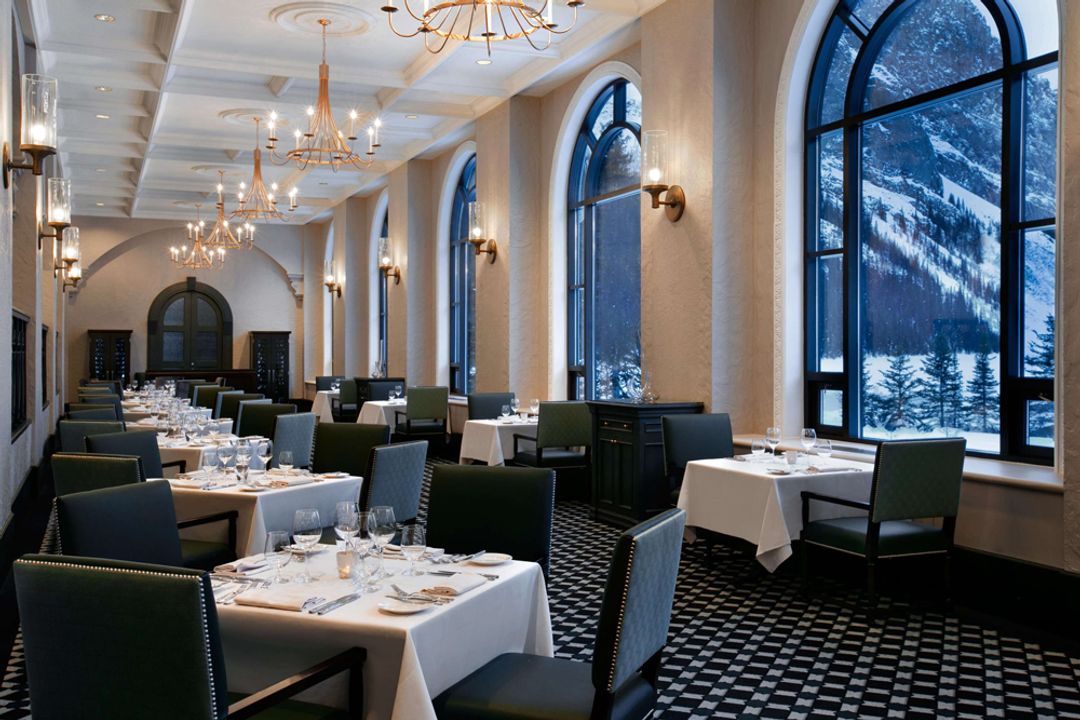
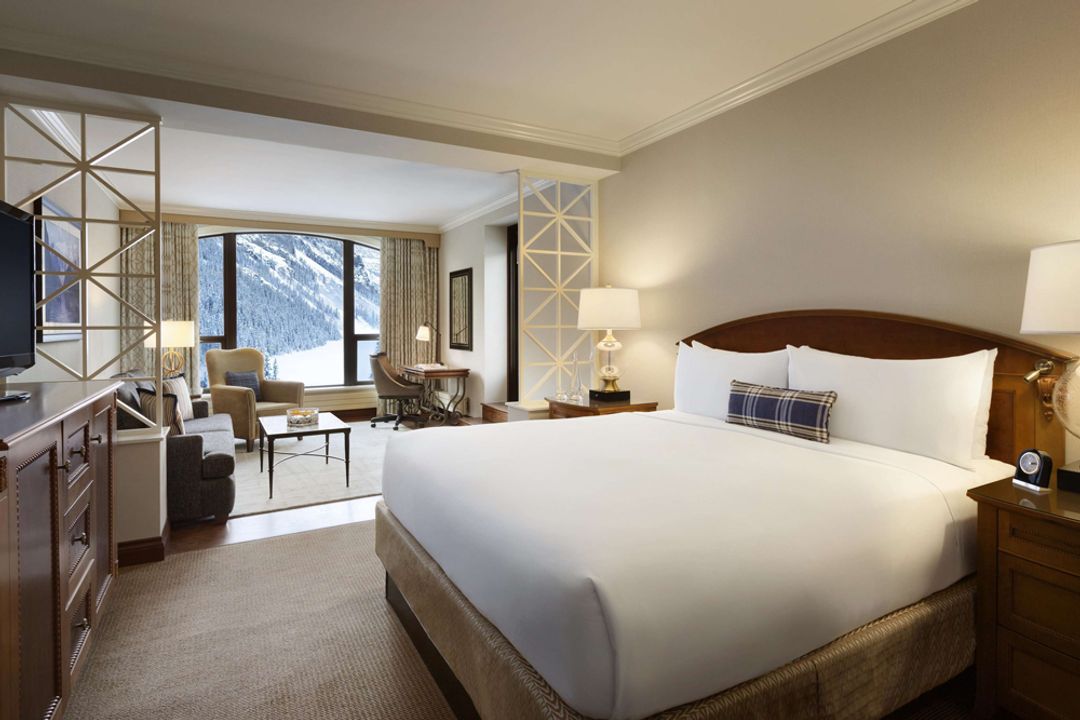
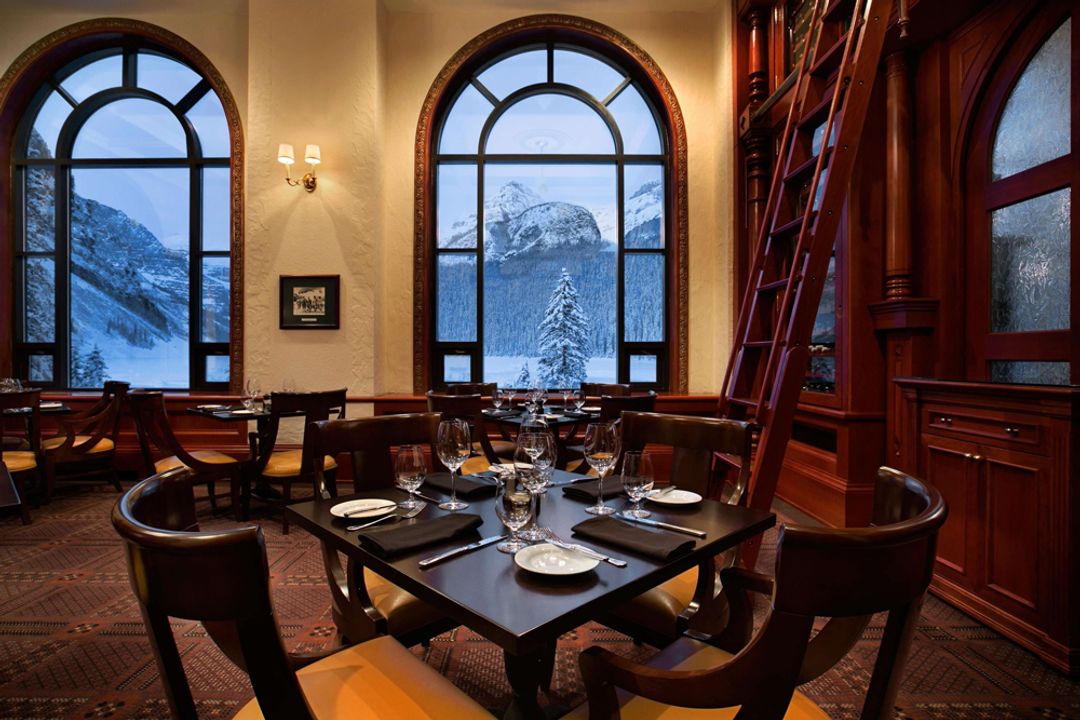
The Canadian Pacific Railway built its mountain resort empire on the premise that the wilderness could be made magnificent, and the Fairmont Banff Springs — opened in 1888 and reconstructed in its current baronial form in 1928 by Walter Painter — remains the most literal expression of that ambition. The hotel reads from a distance like a Scottish castle that has somehow lodged itself between Sulphur Mountain and the Bow River, its turrets and limestone facades establishing a visual grammar that has influenced how the entire town of Banff presents itself ever since. Inside, the scale is theatrical in the way that railway-era hospitality architecture always was — grand corridors, heavy timber, the sense that arriving here by any means constitutes a small event. Lake Louise sits roughly an hour northwest on the Icefields Parkway, and the Fairmont Chateau Lake Louise occupies a different register entirely, even within the same brand family. Where Banff Springs performs its grandeur against a mountain backdrop, the Chateau is positioned directly at the lake's edge, which means the water's impossible turquoise — produced by glacial flour suspended in runoff from the Victoria Glacier — functions as the dominant design element of any stay. The building itself is less architecturally distinguished than its setting demands, a sprawling early-twentieth-century structure that has grown by accretion rather than intention, but the lake makes that irrelevant. These are two properties that operate more as destinations than as hotels in any conventional sense, and the choice between them is fundamentally a choice about what kind of landscape you want as your primary context. Back in the town of Banff proper, the Moxy on Banff Avenue — part of the Marriott-owned millennial-focused brand — represents the only serious contemporary hospitality proposition among the three. It applies the Moxy formula competently: compact rooms, a social lobby designed to feel more bar than reception, and a deliberately casual attitude toward the mountain-resort conventions that the Fairmonts so carefully maintain. The design is warm rather than stark, leaning into plaid and timber references without tipping into kitsch. For travelers more interested in the trails and the town itself than in the ceremony of the grand hotel, it offers a sharper, less encumbered base — and at a price point that makes the nightly calculus considerably simpler.