Best hotels in Easter Island | A Curated Visual Guide to Top Stays
Welcome to PressBeyond, the ultimate curated visual guide for design-driven hotels! My name is Will Miller and this is my recommendation for the best boutique and luxury hotel in Easter Island.
I am the founder of PressBeyond and I am an ultra-meticulous hotel curator who loves clean visuals. I have individually analyzed and tiered the hotel included in this guide based on a variety of criteria (architecture & design, location, brand & brand affiliation, existing reviews, and my own personal experiences), and importantly, I have hand-selected the leading imagery for this hotel to provide you with easily-digestible, yet detailed and complete, like-for-like, high-level visual profiles. I felt this summarization step was a critical missing piece across existing guides, blogs, and booking platforms. My aim is to make it easier for people to identify hotel environments that resonate with them, along with enabling them to visualize the types of social experiences that those environments help foster. My brain doesn't work when exposed to cluttered content, so my goal was to create the opposite.
Underneath this, we are also a full booking engine offering 5% Venmo cash back along with other exclusive perks. For all of you design-obsessed hotel enthusiasts out there, I hope this guide helps get you to where you see yourself!
An Overview of the Boutique & Luxury Hotel Landscape in Easter Island
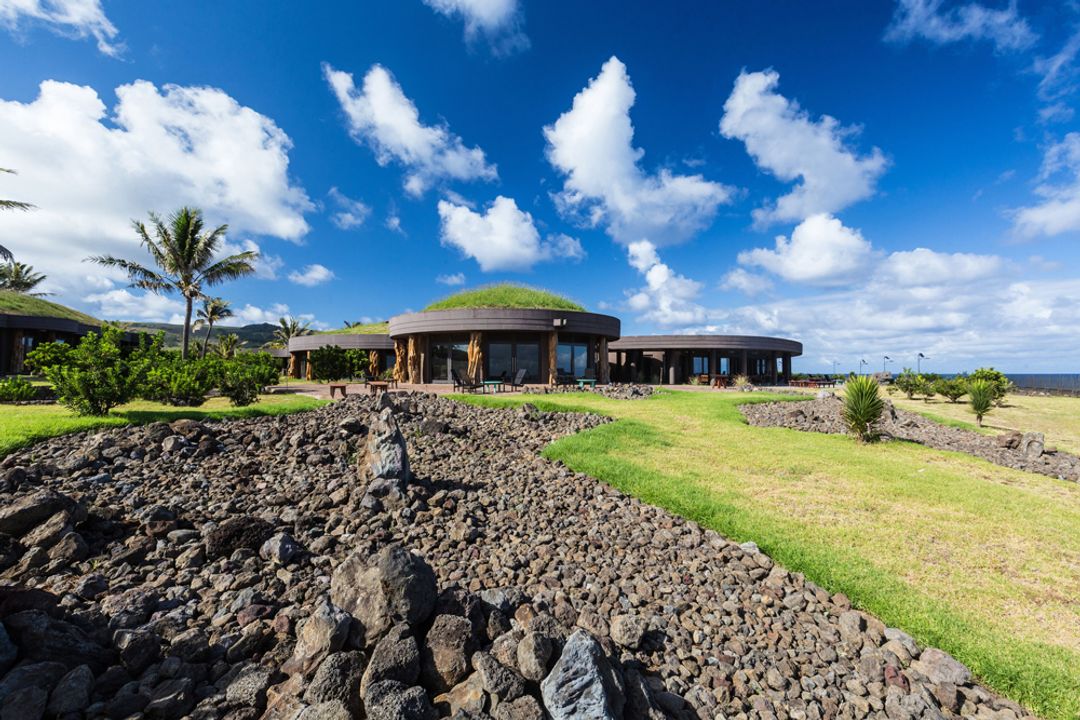
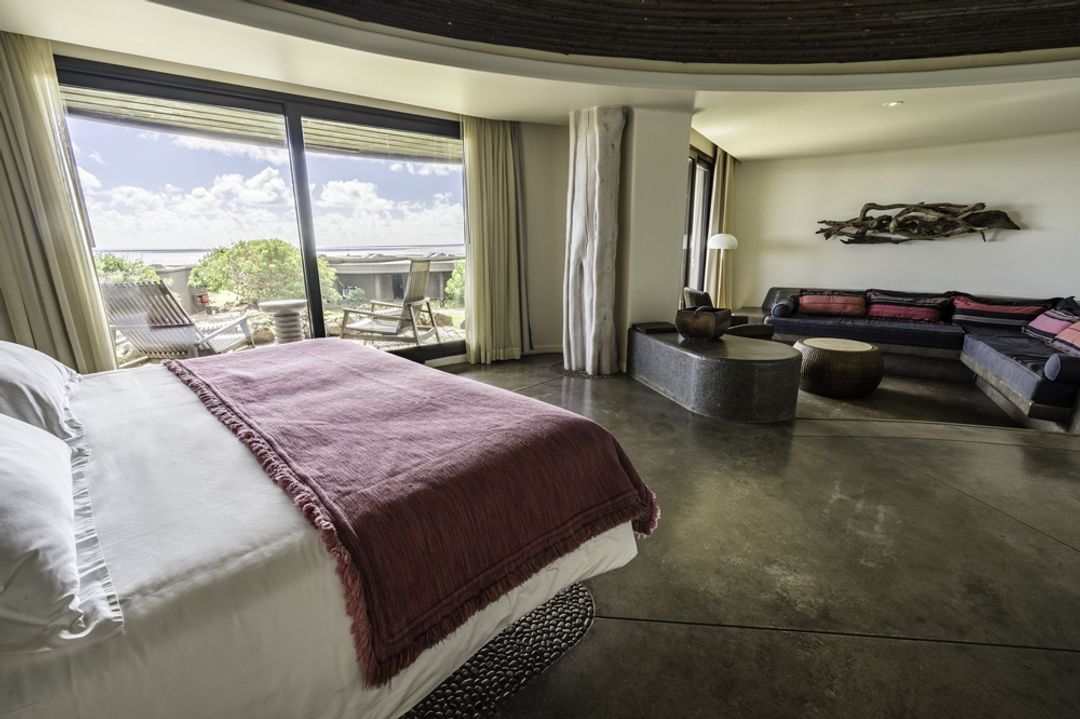
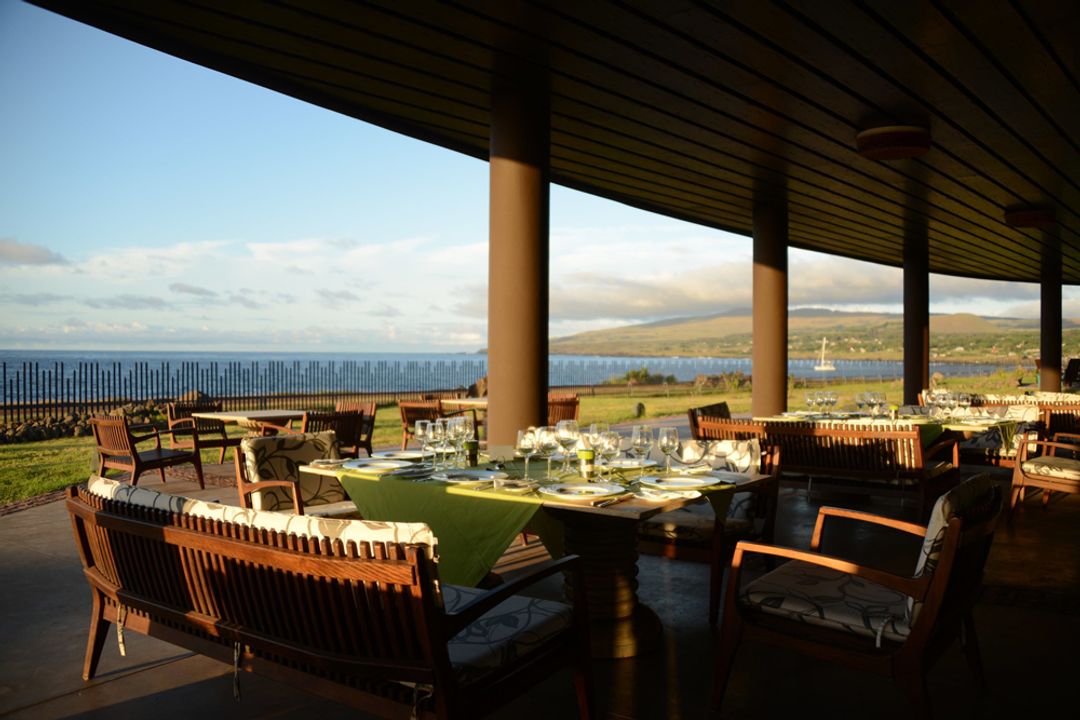
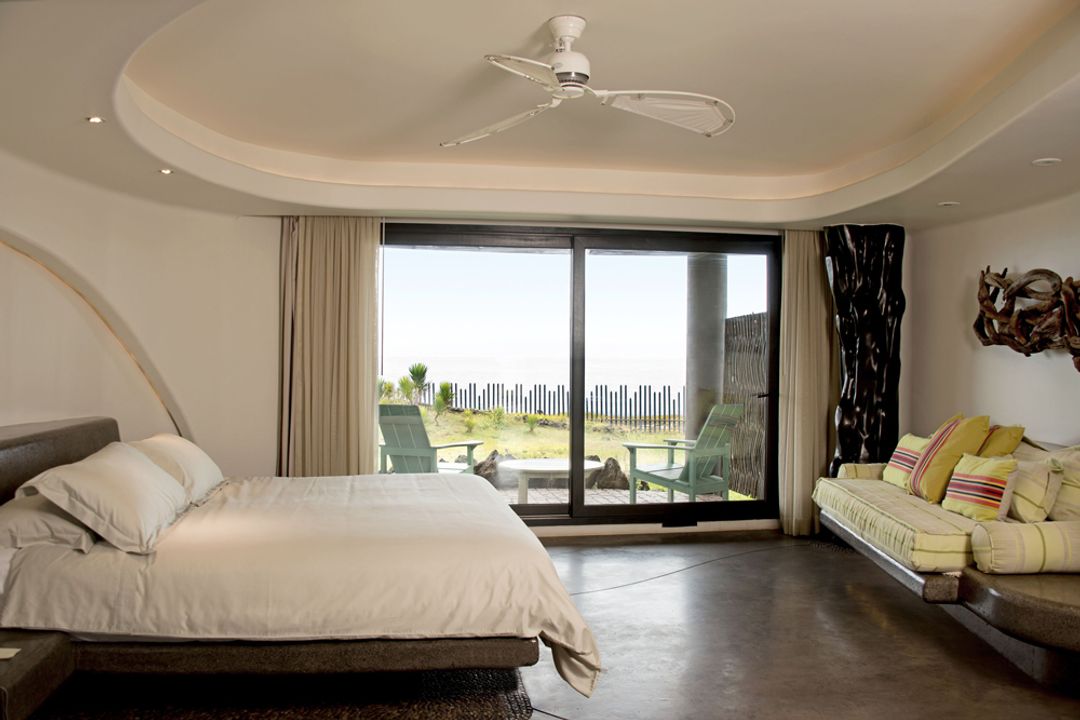
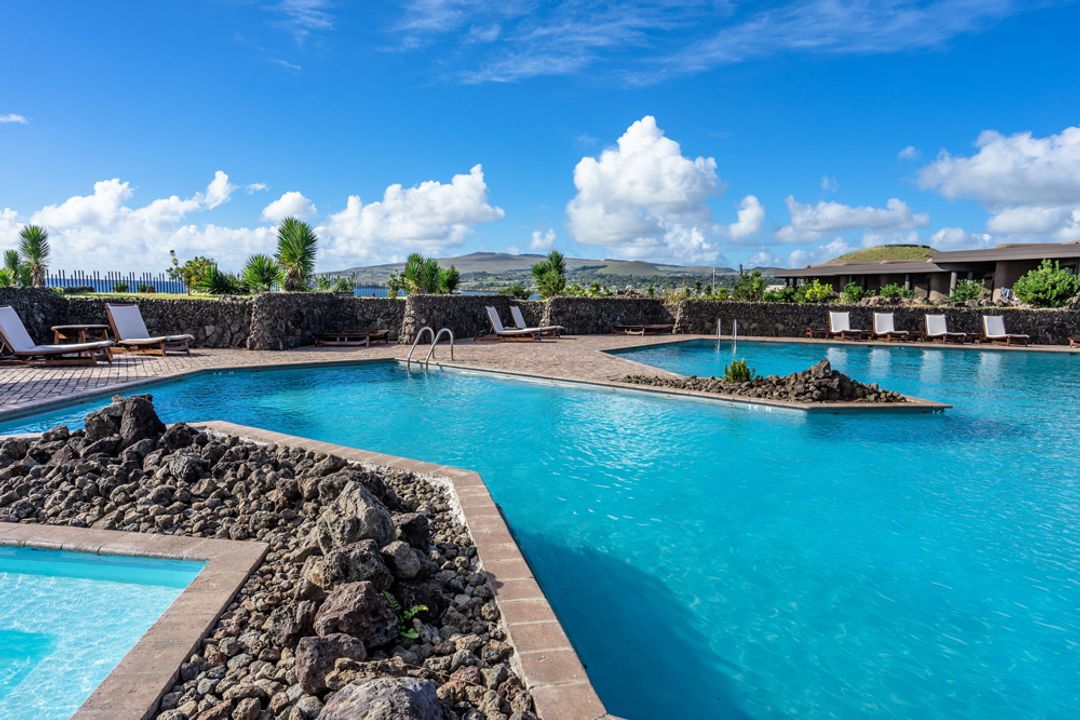
There are roughly 900 stone figures on this island, most of them unfinished, and the question of why their makers stopped — mid-carve, tools apparently set down without ceremony — remains genuinely open. That condition of beautiful, suspended incompleteness gives Easter Island, or Rapa Nui, a character unlike anywhere else in the Polynesian triangle. The built environment is minimal by necessity and by history: the island's population collapsed catastrophically in the 18th and 19th centuries, and what remains of human settlement is concentrated in the small port town of Hanga Roa on the western coast, where the airport, the shops, and virtually all accommodation sit in close proximity to the sea cliffs and ceremonial platforms called ahu. Architecture here does not compete with the moai. It would be foolish to try. Nayara Hangaroa sits within Hanga Roa and represents the most considered design intervention the island currently offers. The property takes its material cues from the landscape rather than importing an international resort vocabulary onto it — low-slung bungalows step across volcanic terrain, and the palette reads in ochres, dark stone, and the deep greens of the interior. The architecture keeps its head down deliberately, which is the correct instinct in a place where the land carries this much symbolic weight. The positioning near the coastal edge allows for sightlines toward the Pacific and proximity to some of the ahu sites that ring the town, meaning the experience of staying here is genuinely embedded in the island's ceremonial geography rather than sealed off from it. What Rapa Nui demands of a traveler — and by extension, of a hotel — is a kind of attentiveness that few destinations require so insistently. The island is small enough to cross in an hour by vehicle, isolated enough that supply chains shape everything from menus to materials, and historically dense enough that any walk becomes an encounter with something unexplained. Nayara Hangaroa is the right base for that kind of travel precisely because it doesn't try to manufacture its own spectacle. The design holds back, the setting provides, and the result is accommodation that feels proportionate to where it is — which, on an island this particular, is exactly the right ambition.