Best hotels in Changbaishan | A Curated Visual Guide to Top Stays
Welcome to PressBeyond, the ultimate curated visual guide for design-driven hotels! My name is Will Miller and this is my recommendation for the best boutique and luxury hotel in Changbaishan.
I am the founder of PressBeyond and I am an ultra-meticulous hotel curator who loves clean visuals. I have individually analyzed and tiered the hotel included in this guide based on a variety of criteria (architecture & design, location, brand & brand affiliation, existing reviews, and my own personal experiences), and importantly, I have hand-selected the leading imagery for this hotel to provide you with easily-digestible, yet detailed and complete, like-for-like, high-level visual profiles. I felt this summarization step was a critical missing piece across existing guides, blogs, and booking platforms. My aim is to make it easier for people to identify hotel environments that resonate with them, along with enabling them to visualize the types of social experiences that those environments help foster. My brain doesn't work when exposed to cluttered content, so my goal was to create the opposite.
Underneath this, we are also a full booking engine offering 5% Venmo cash back along with other exclusive perks. For all of you design-obsessed hotel enthusiasts out there, I hope this guide helps get you to where you see yourself!
An Overview of the Boutique & Luxury Hotel Landscape in Changbaishan
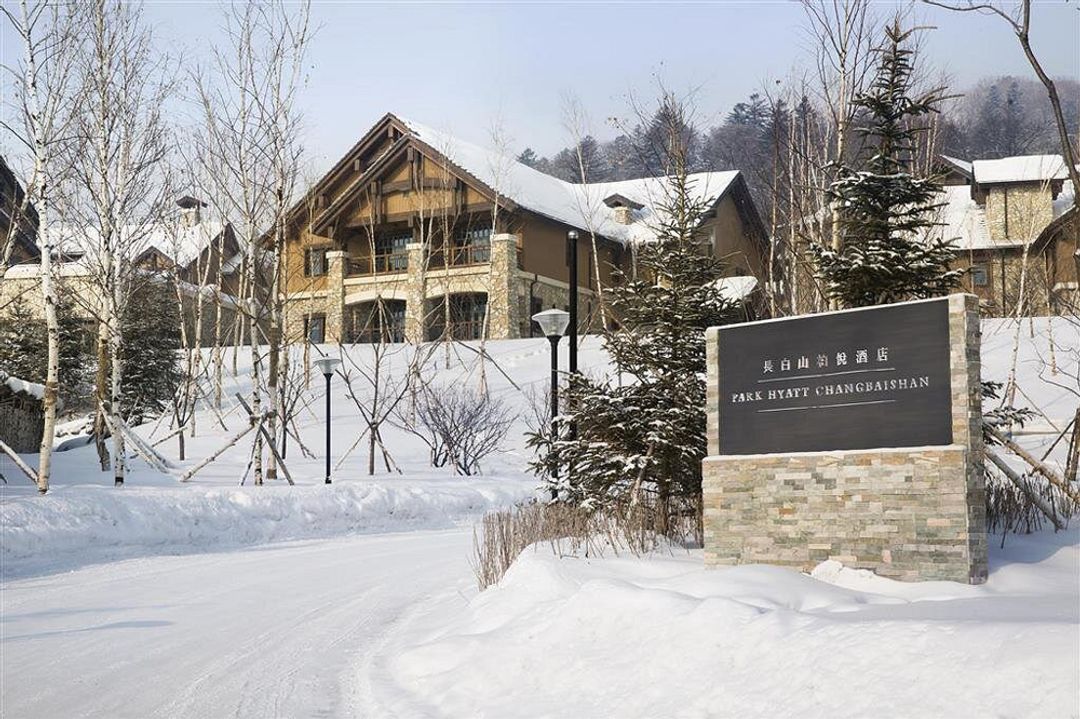
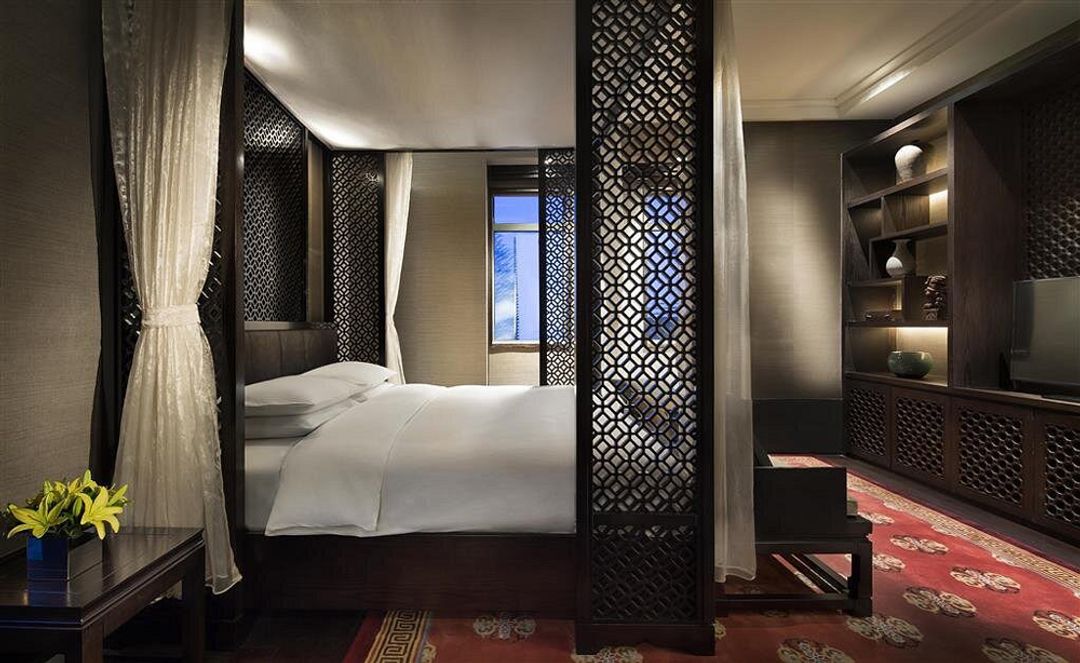
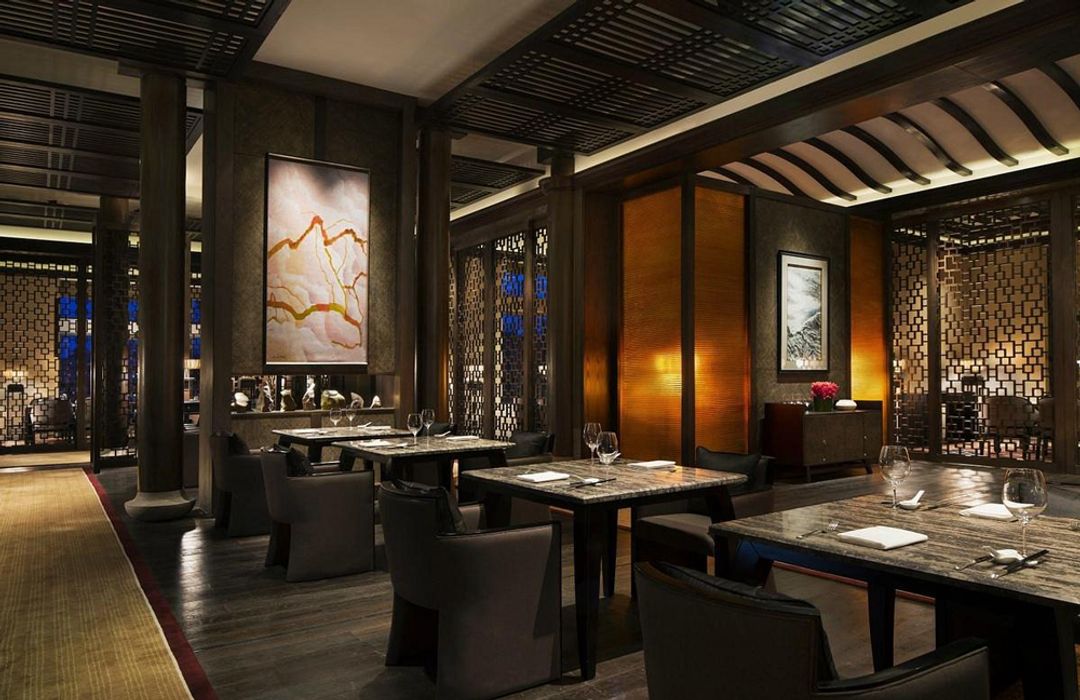
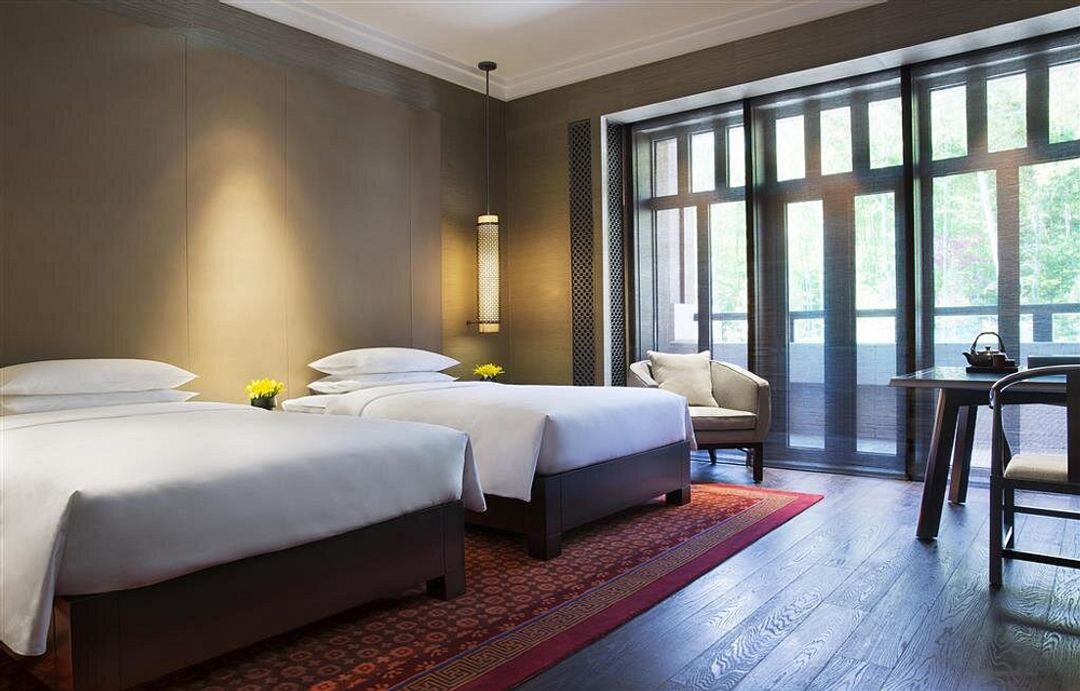
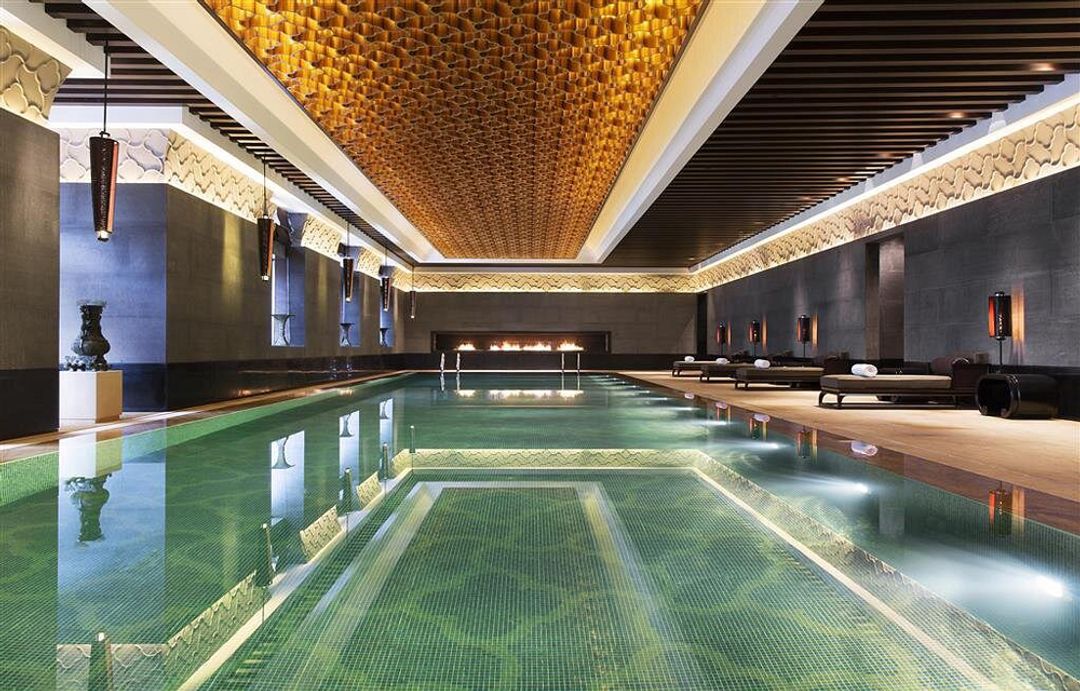
Changbaishan sits at the northeastern edge of China, inside Jilin Province, where the Changbai Mountains form the border with North Korea and the caldera lake known as Tianchi rests at an altitude above two thousand meters. This is not a city in any conventional sense — it is a terrain, volcanic and heavily forested, receiving several meters of snowfall each winter and drawing travelers who come specifically for its extreme geography. The built environment here does not have a historic urban fabric to draw from. What architecture exists has been shaped almost entirely by the demands of resort development, which accelerated sharply after Chinese investment in northeast winter tourism transformed the mountain's lower slopes into a serious ski destination in the early 2010s. The Park Hyatt Changbaishan, positioned within the Changbaishan Ski Resort, represents the most deliberate design gesture in the area. The Park Hyatt brand consistently prioritizes architectural seriousness over resort-hotel convention, and the Changbaishan property follows that instinct into a demanding context — a mountainous, snow-heavy landscape that would punish anything poorly resolved. The building works with the horizontal weight of the surrounding terrain, its materiality referencing the timber and stone vocabulary that makes sense at this latitude, and the interior volumes have the calm, unhurried quality that characterizes the brand's better properties in Asia. It is one of the few places in this entire corridor of northeastern China where a design-conscious traveler can expect the level of spatial intelligence that justifies a destination stay rather than a functional one. What makes Changbaishan genuinely interesting as a destination is precisely its resistance to easy characterization. The volcanic geology gives the landscape a quality of strangeness — sulfur vents, birch forests bleached white in winter, the eerie stillness of the caldera when cloud permits a view. The Park Hyatt functions as the right base for moving through all of it: close enough to the ski infrastructure to be practical, composed enough in its design to give the evenings their own weight. This is not a place that rewards hotel-hopping or neighborhood comparison. It rewards choosing one well-considered place to return to, and the Park Hyatt is, without much competition for that title, the considered choice.