Best hotels in Changsha | Visually Compare Top Stays Side-by-Side
Welcome to PressBeyond - a curated visual guide to design-driven hotels and the fastest way to compare them.
An Overview of the Boutique & Luxury Hotel Landscape in Changsha
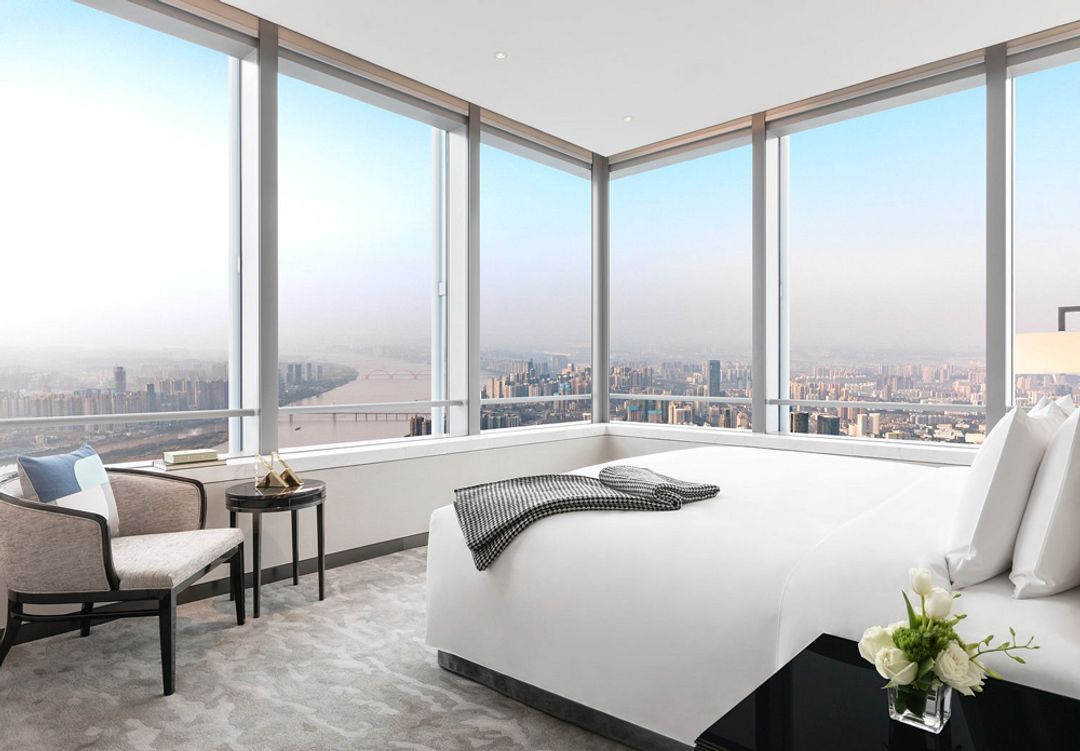
Changsha is a city that has been rebuilding its skyline faster than most Western travelers have had time to notice it exists. The capital of Hunan province has long been associated with political history — Mao Zedong was educated here — but the contemporary city is defined by a different kind of ambition: towers going up along the Xiang River, a mall culture that rivals Chengdu's, and a generation of hospitality projects that have arrived in tight succession, each staking a claim to a specific kind of modernity.
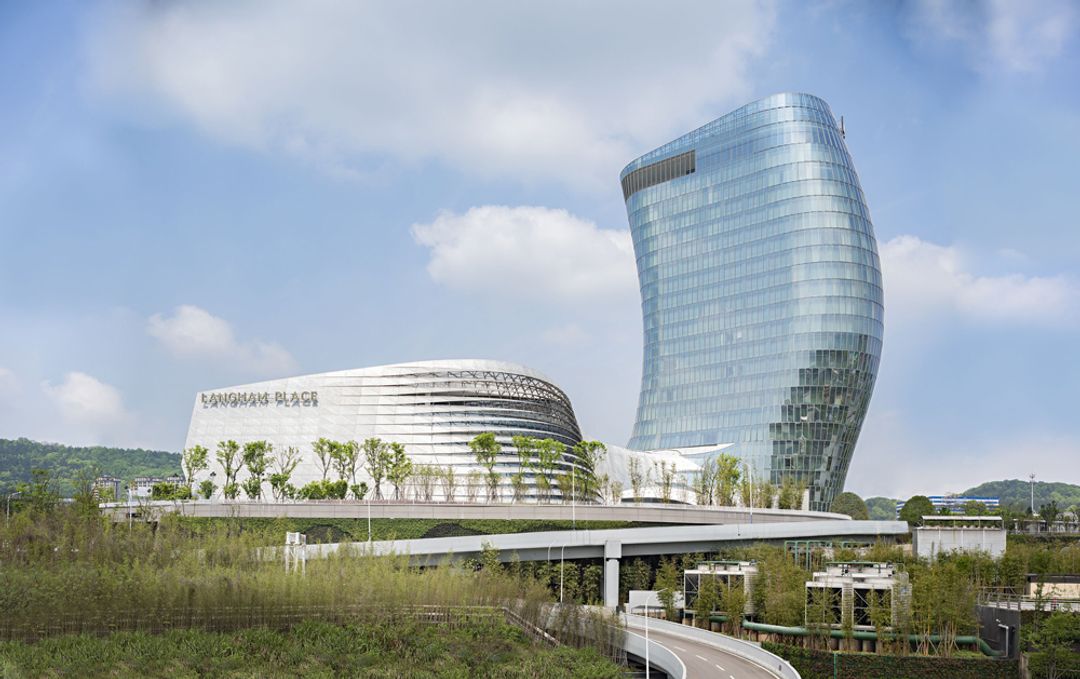
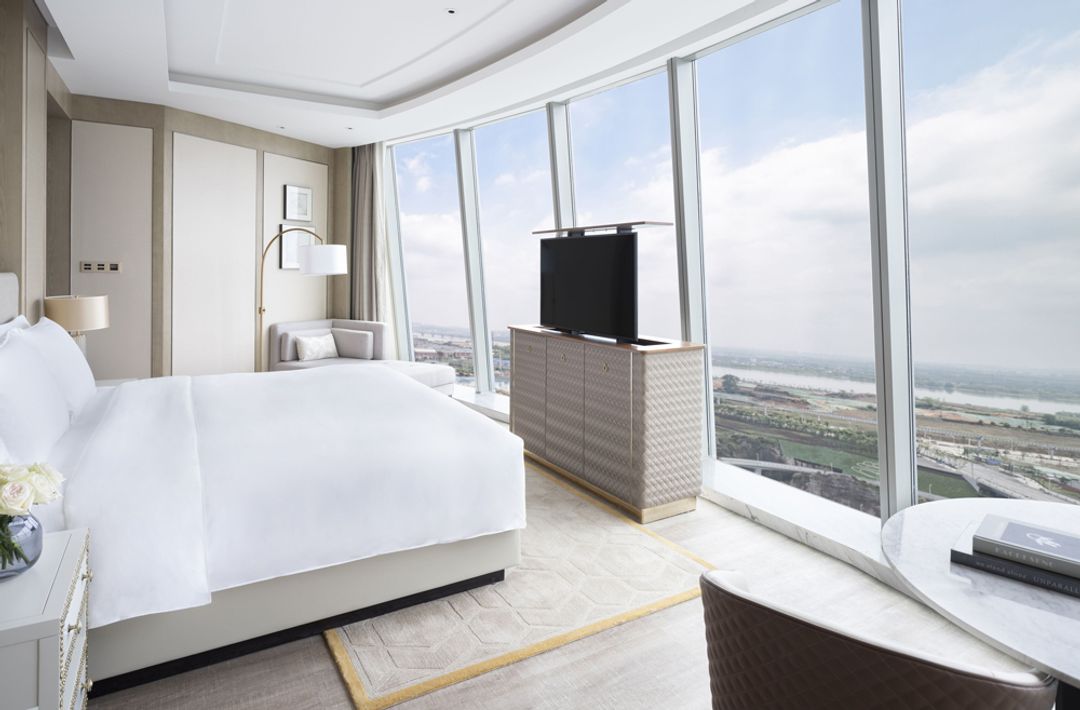
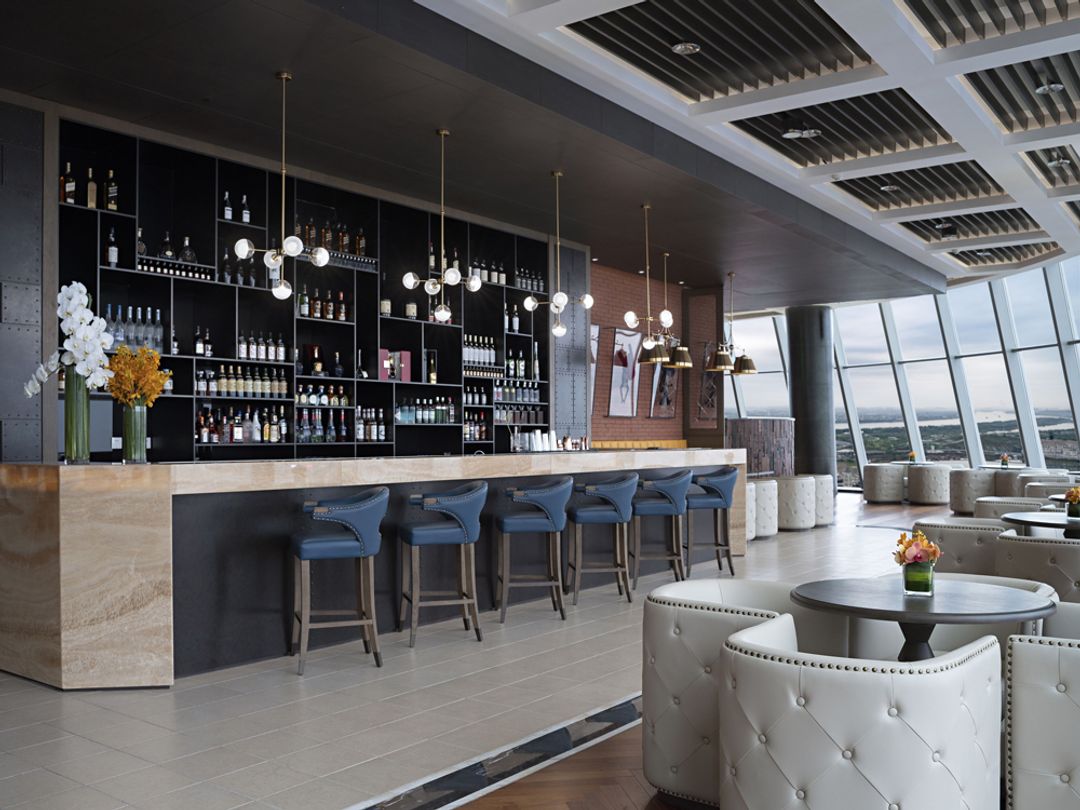
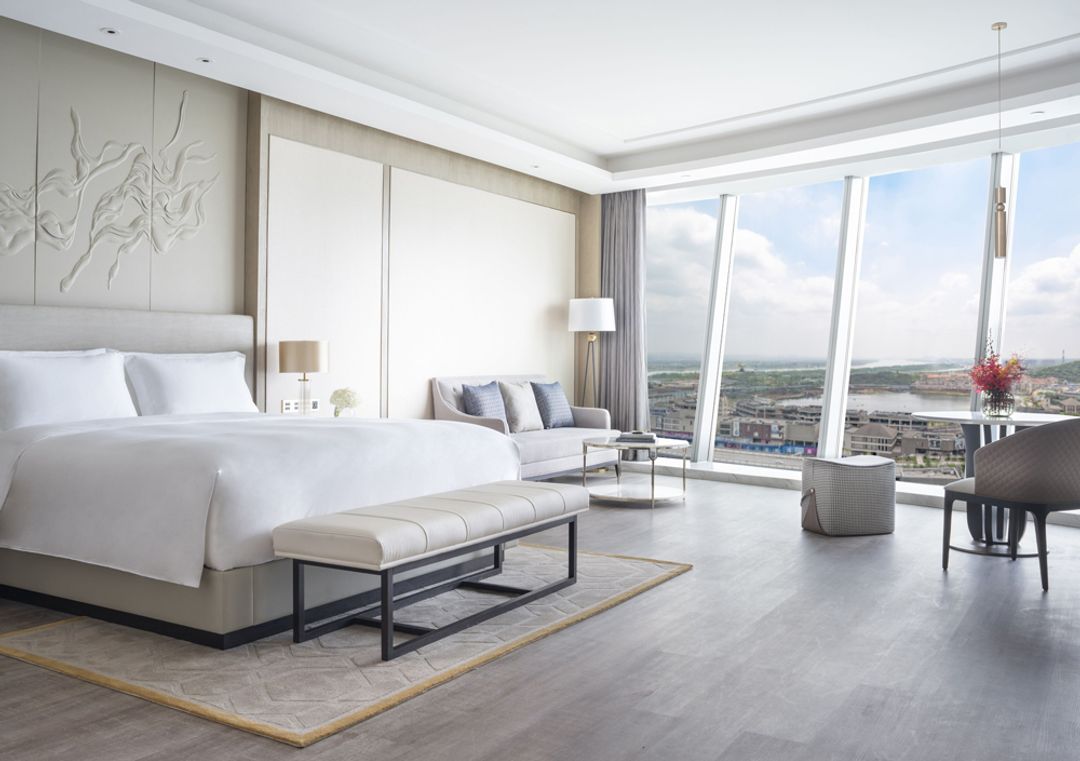
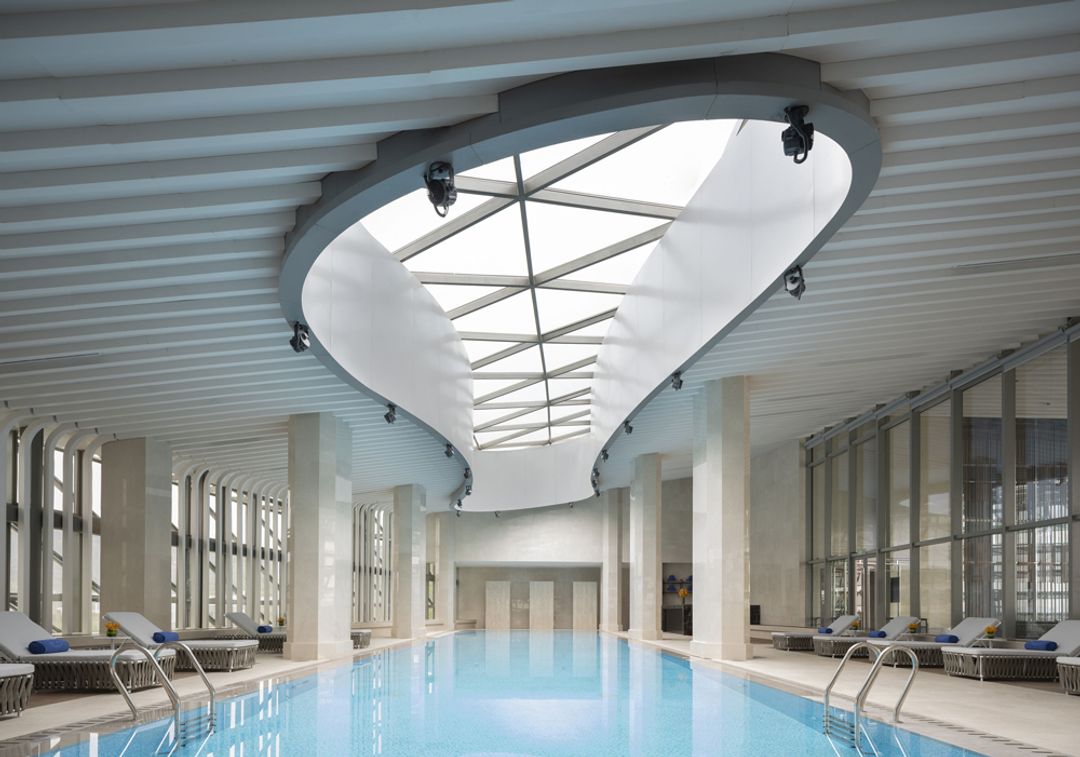
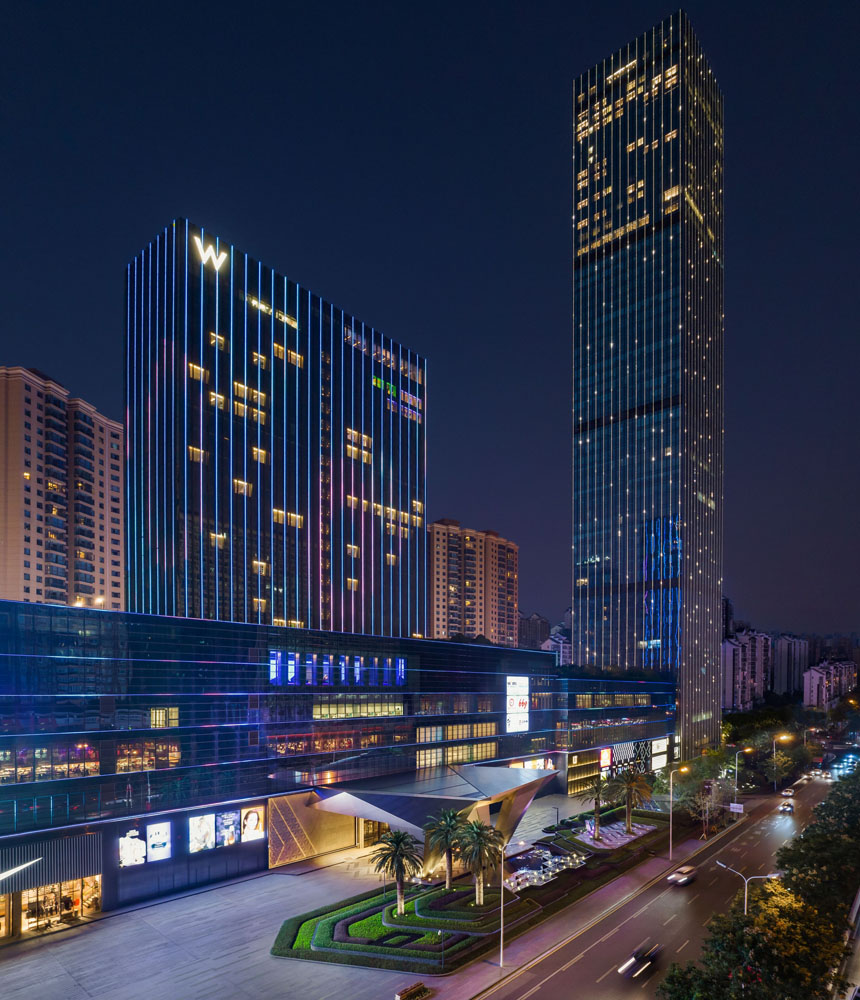
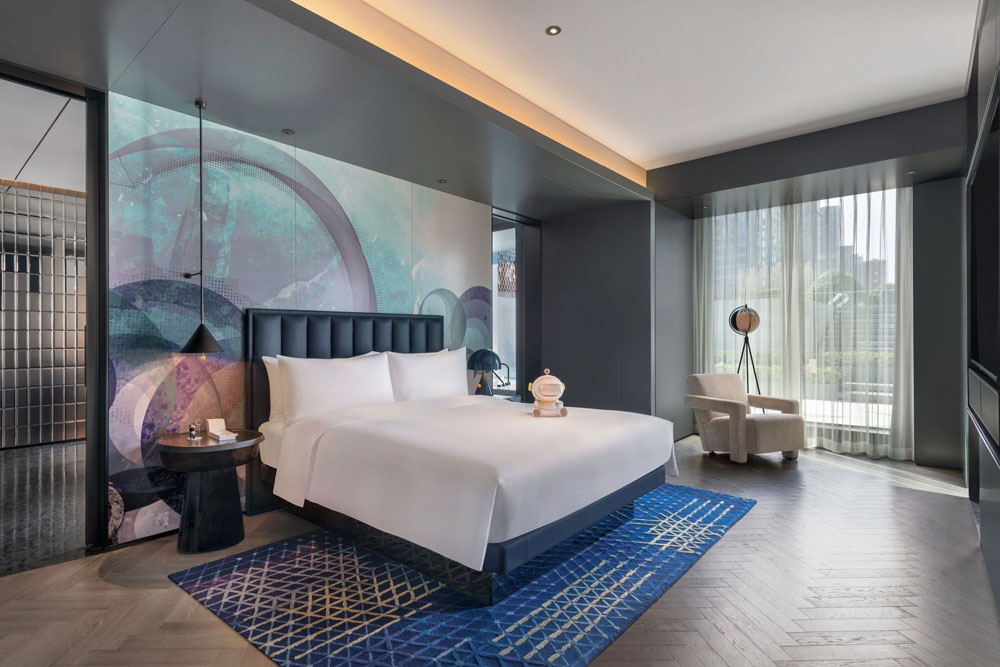
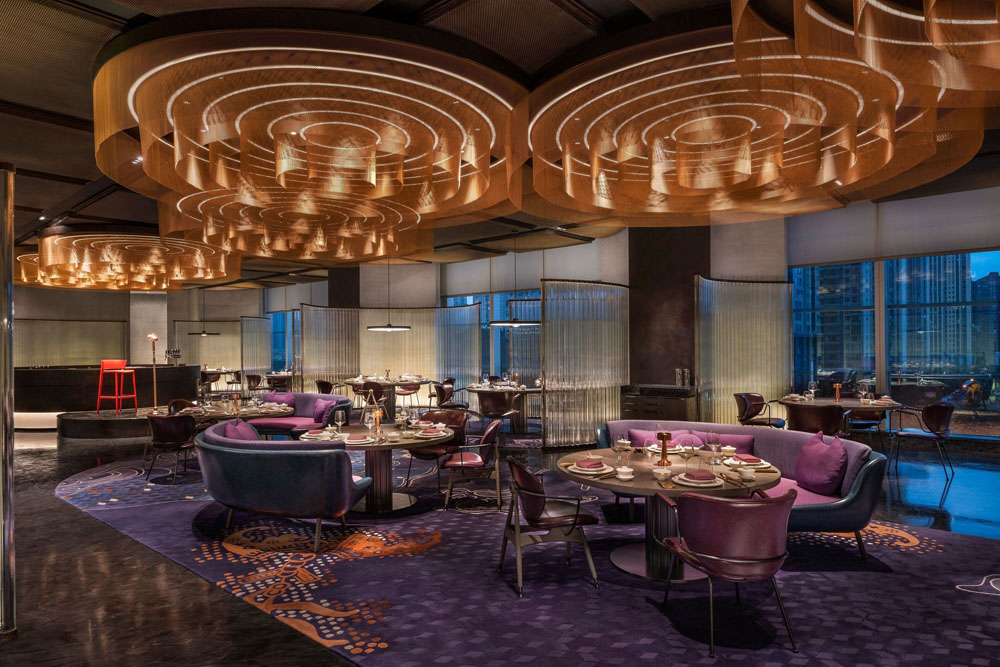
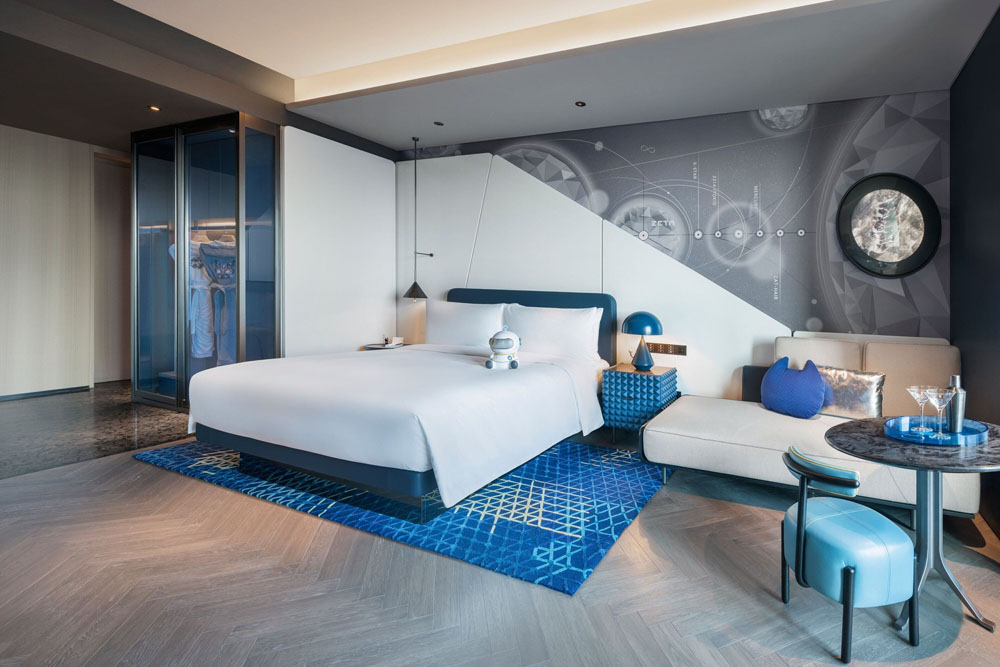
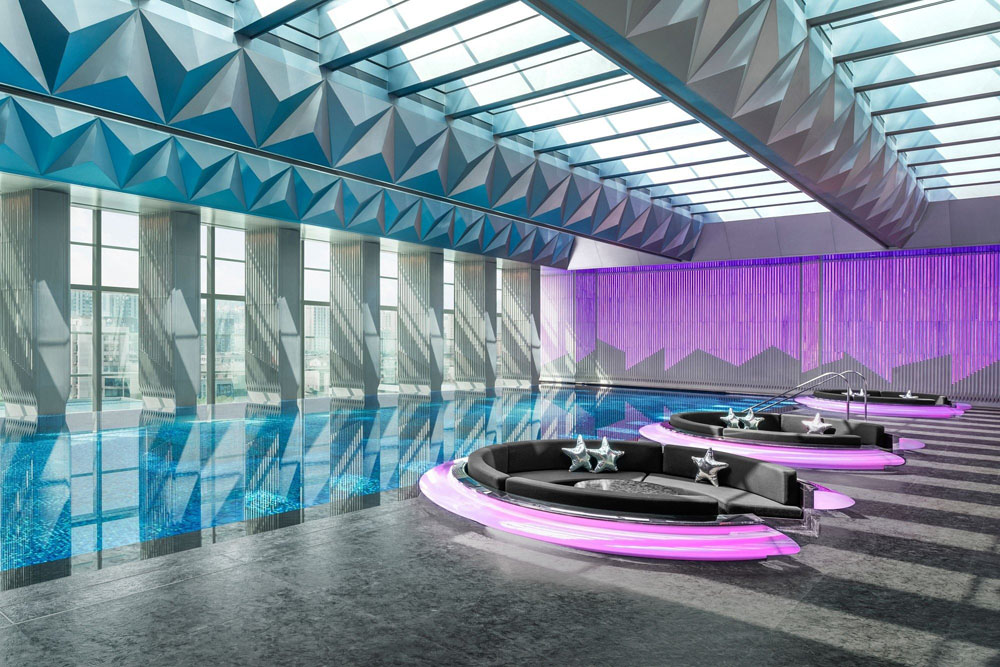
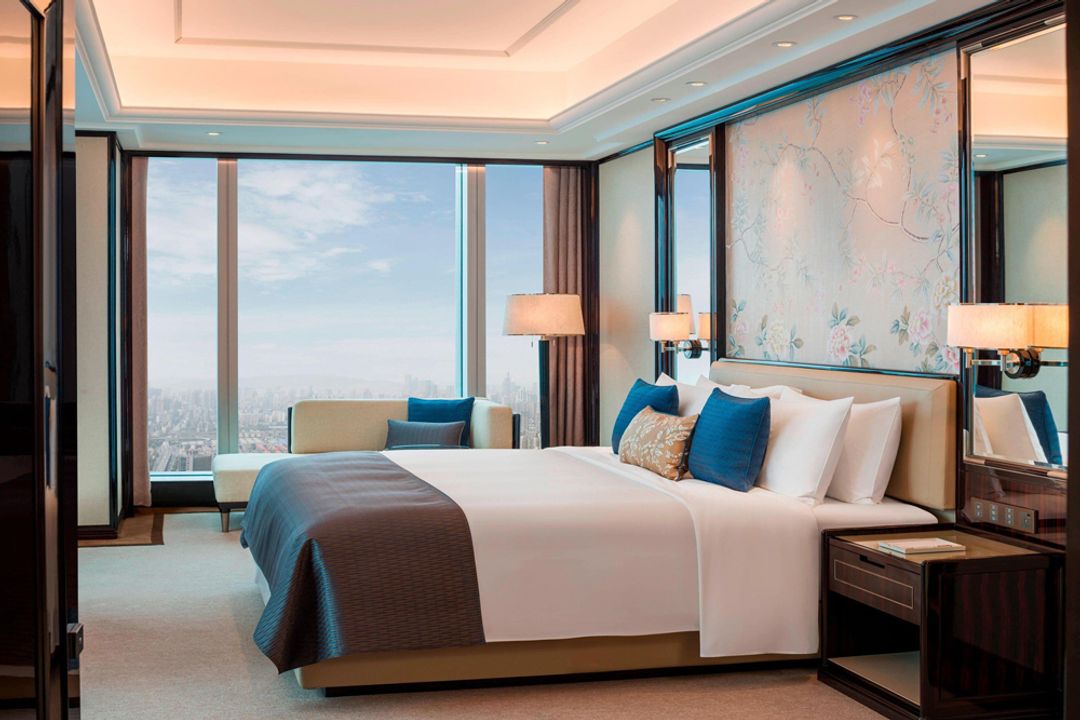
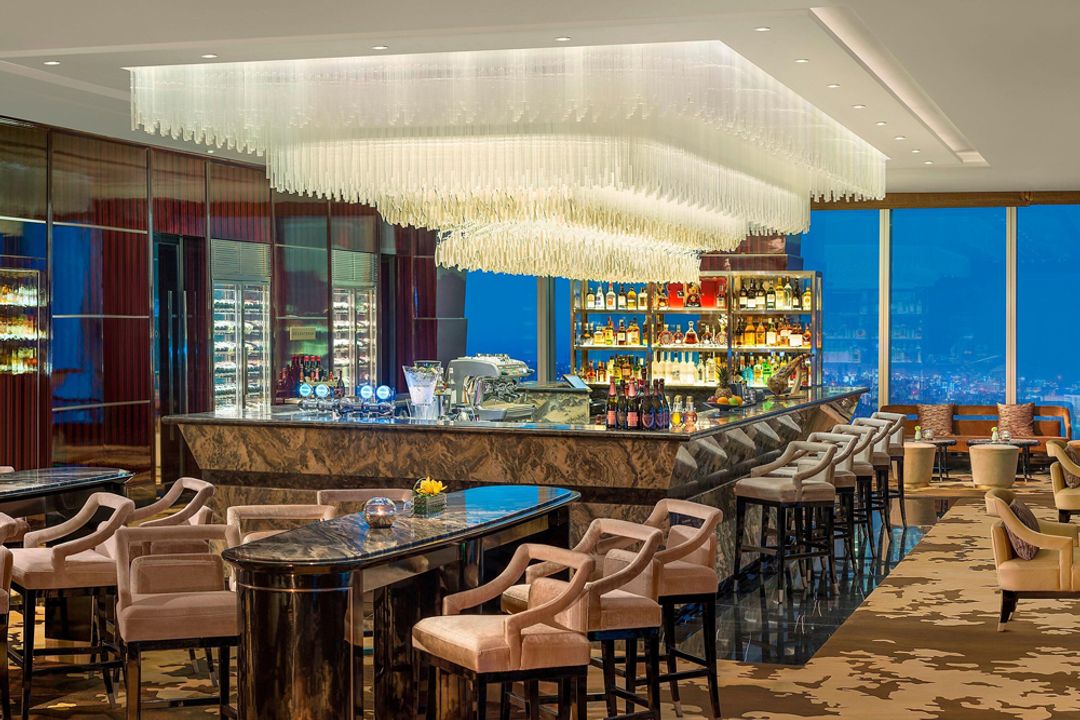
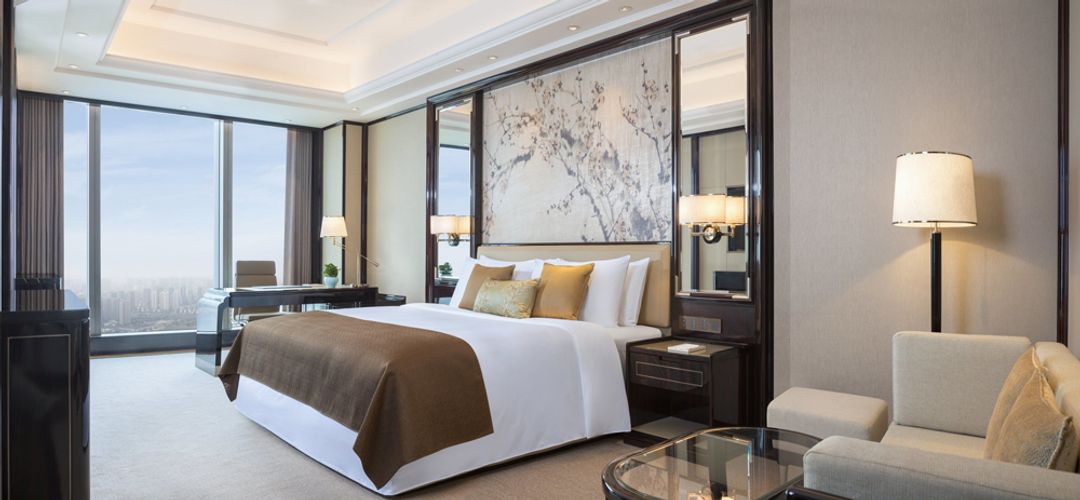
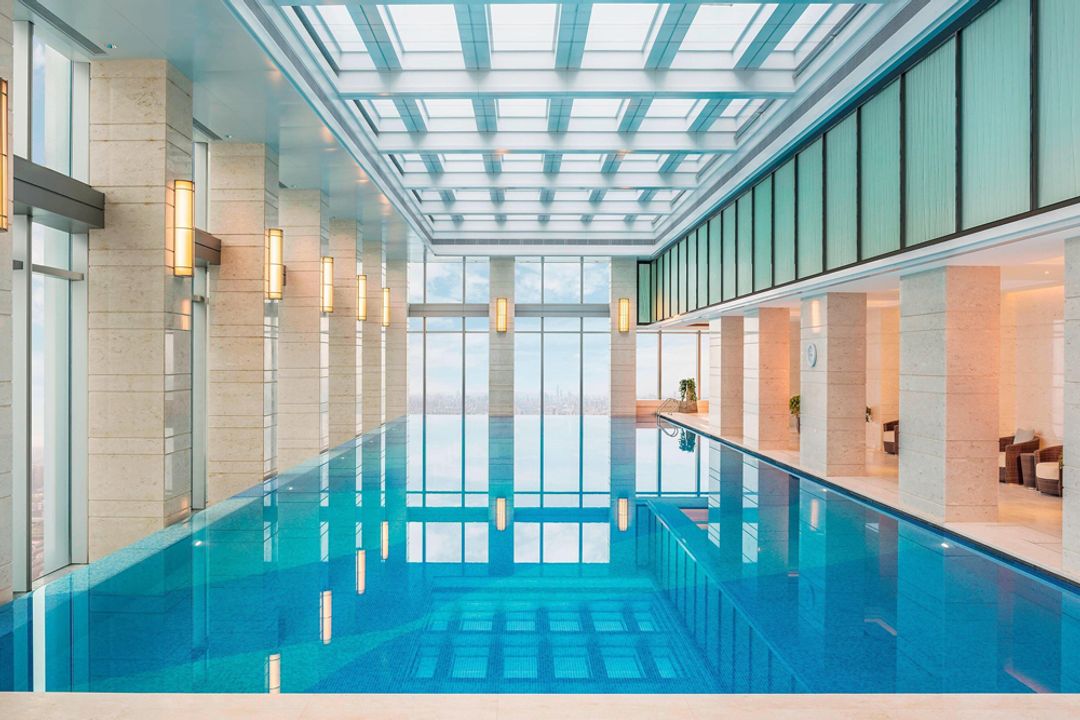
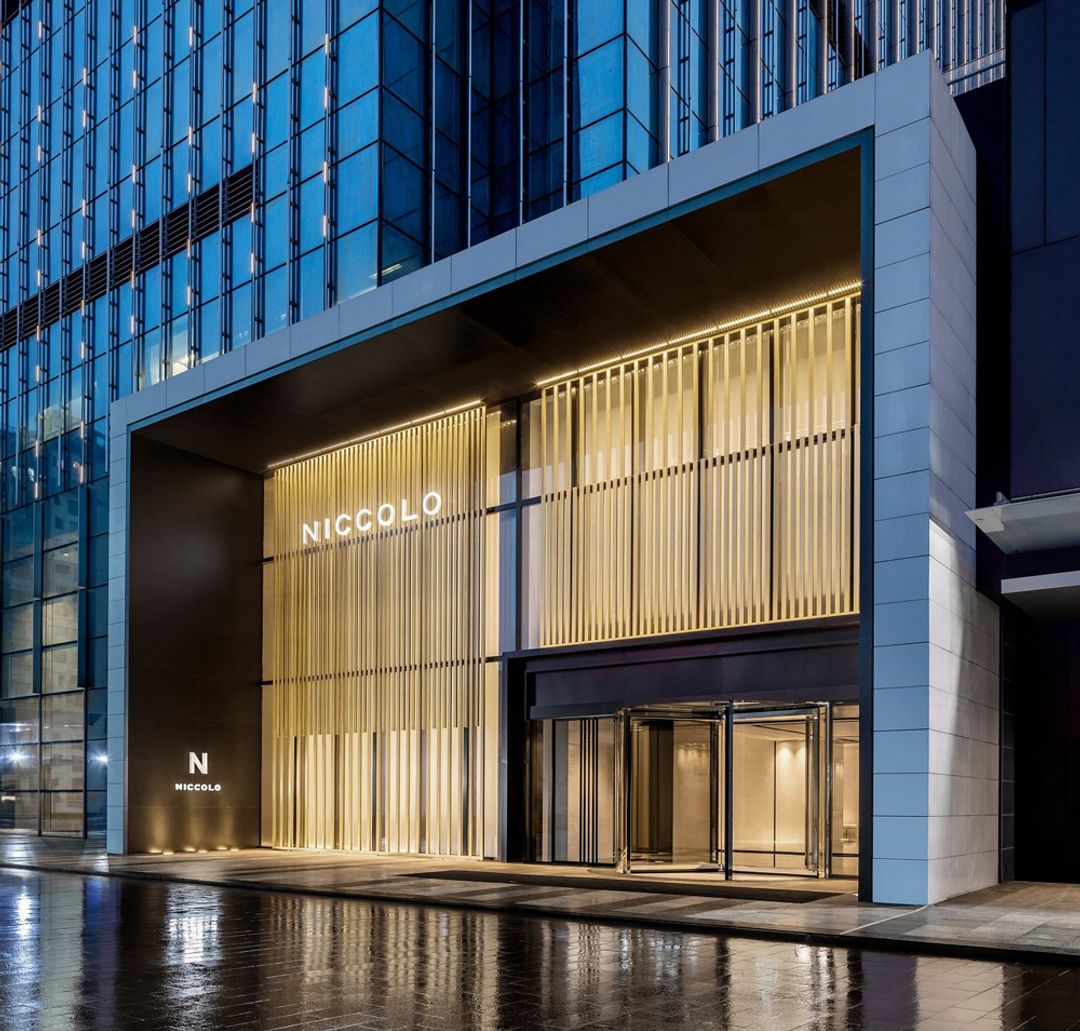
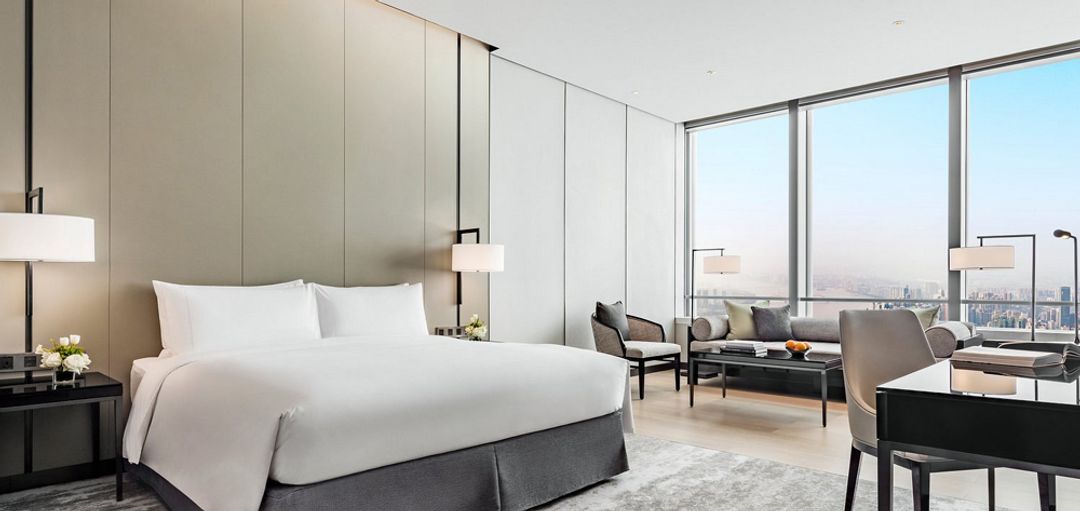
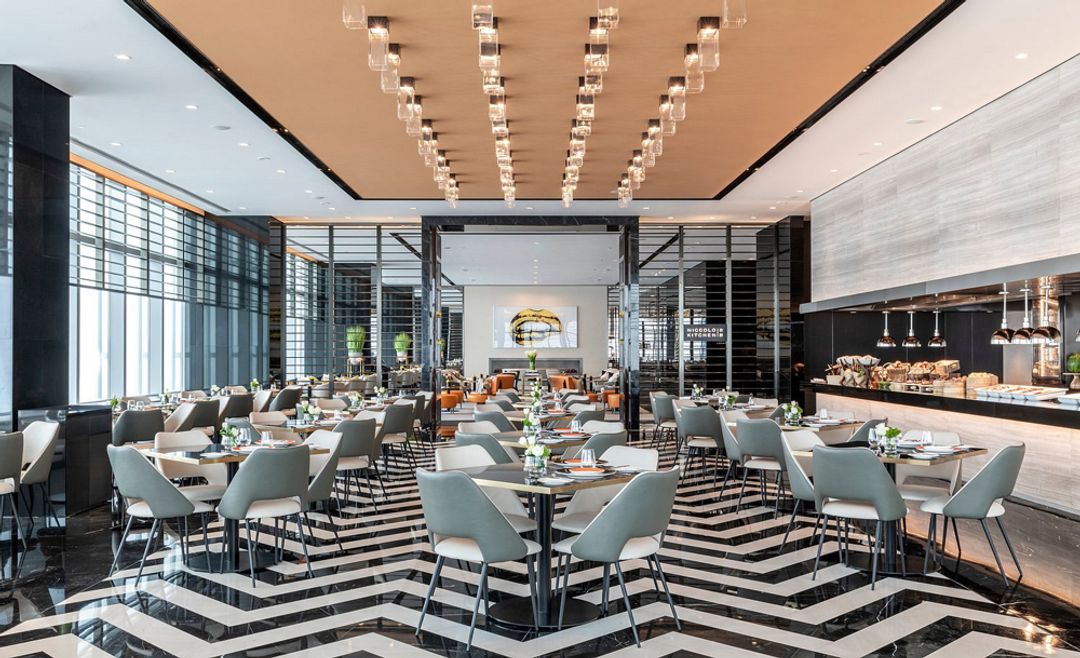
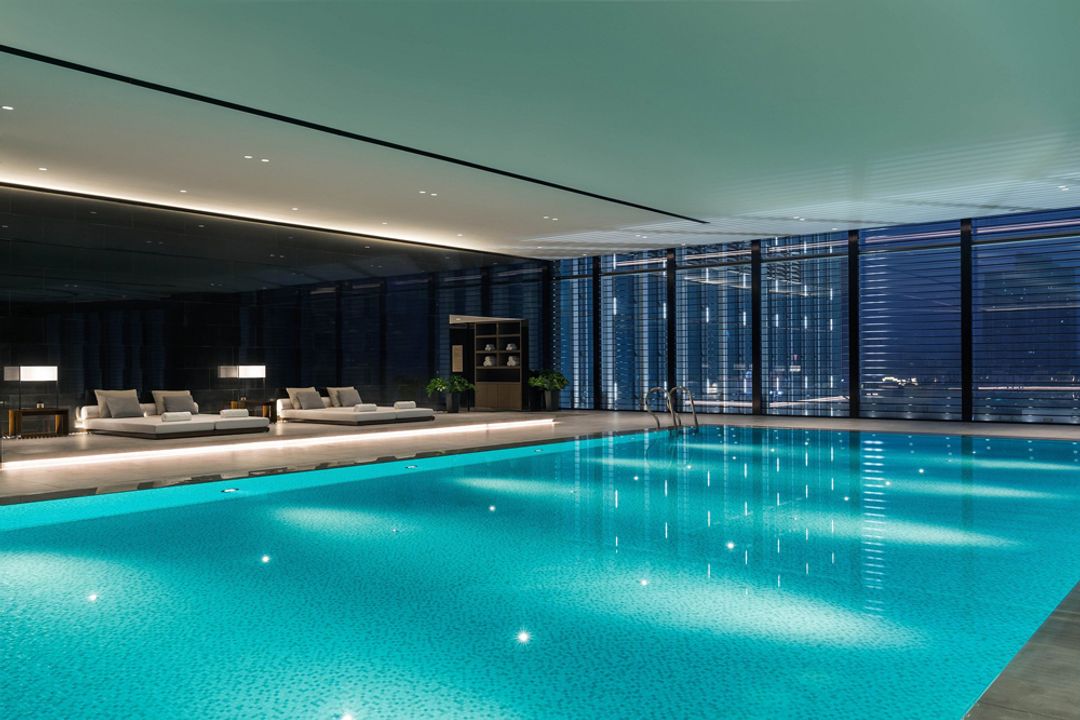
The most architecturally self-conscious of the current crop is the Niccolo Changsha, which sits within the Changsha IFS complex — the mixed-use development that has become the city's clearest statement of international retail aspiration. The Niccolo brand, operated by Wharf Hotels, consistently favors clean-lined interiors with a restrained material palette, and the Changsha property maintains that sensibility, positioning itself as the choice for travelers who want design coherence over spectacle. Across the river in Yuelu District, the Langham Place Changsha offers a counterpoint — it occupies a zone closer to Yuelu Mountain and the university quarter, an area that retains more of the city's older civic grain, and the Langham's characteristic warm-toned interiors read differently against that context than they might in a pure commercial district. The W Changsha, at Yunda Central Plaza, takes the opposite approach entirely: the brand's signature maximalism — patterned surfaces, saturated color, design gestures pitched at a younger, nightlife-adjacent demographic — fits naturally into a development zone still establishing its identity.
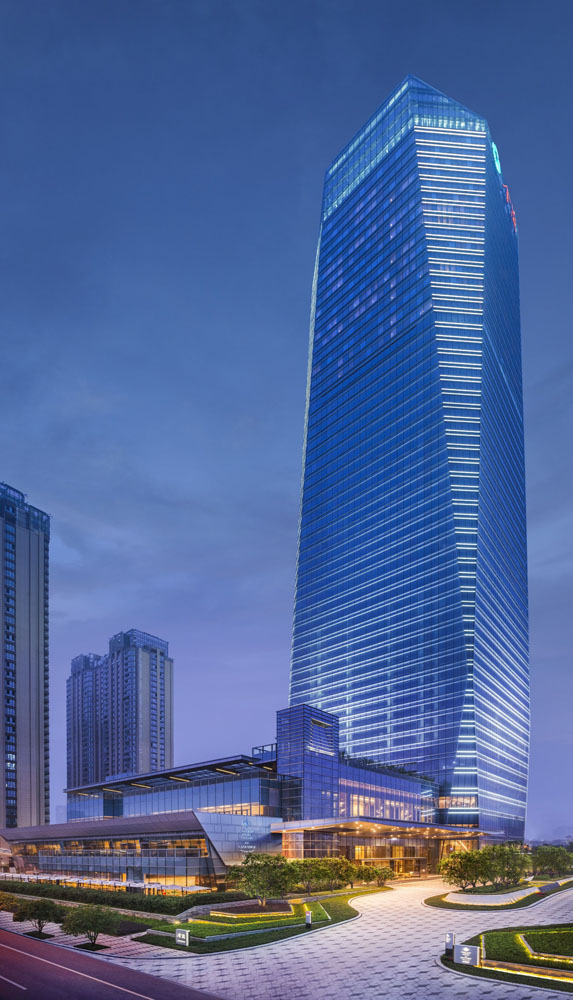
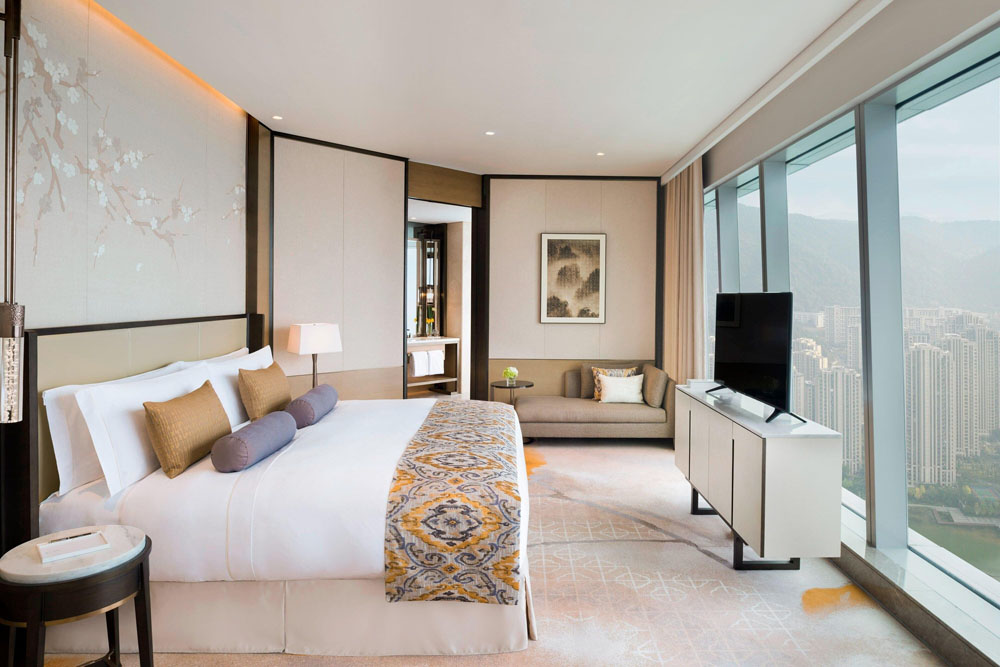
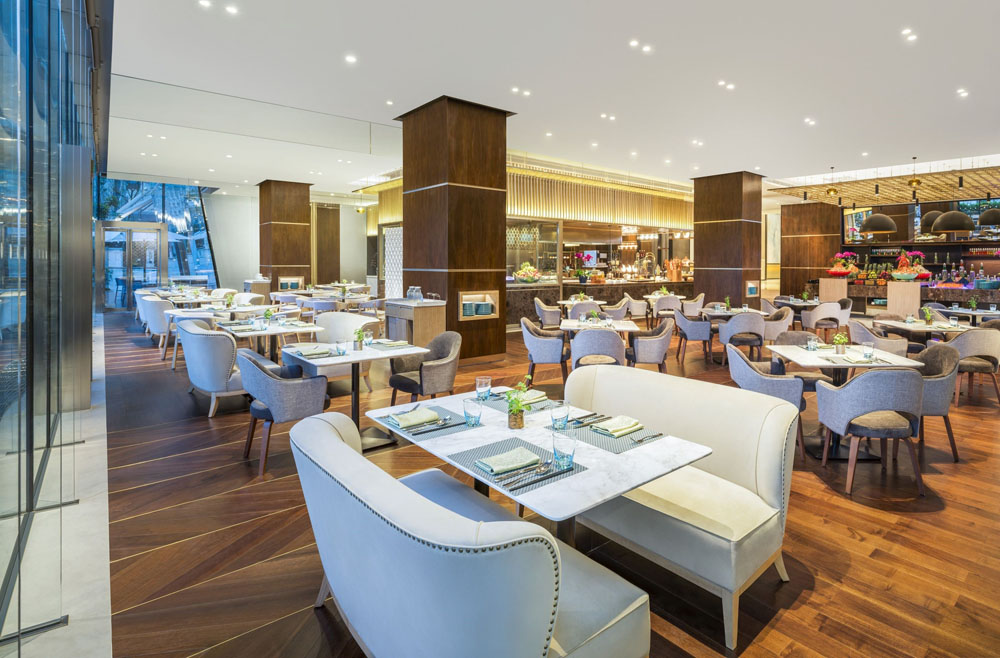
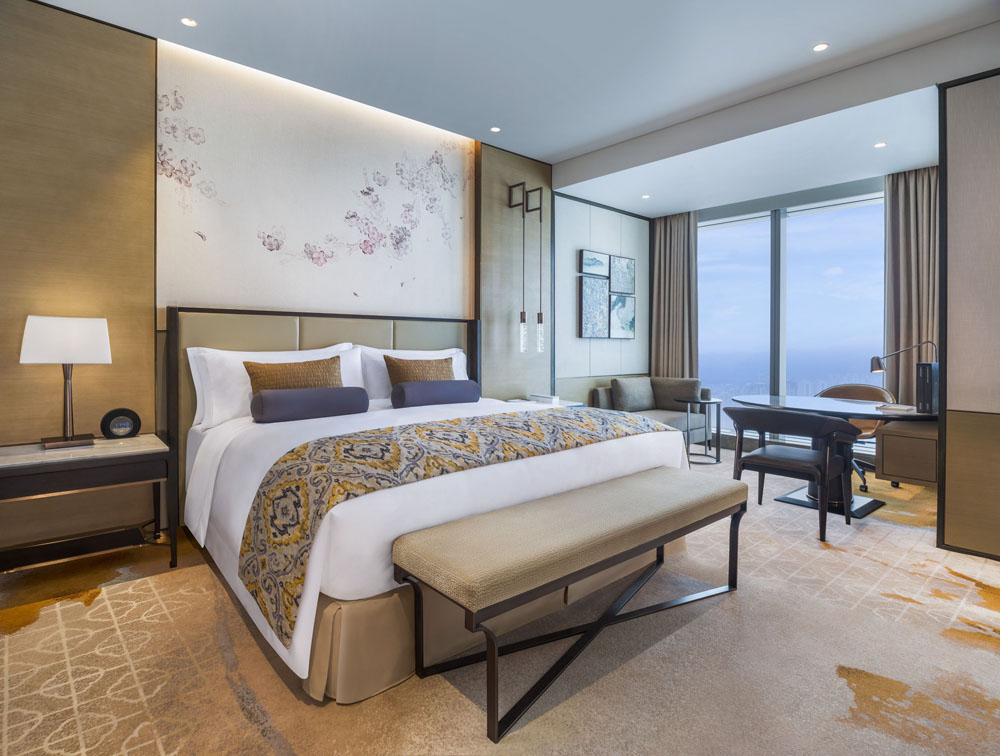
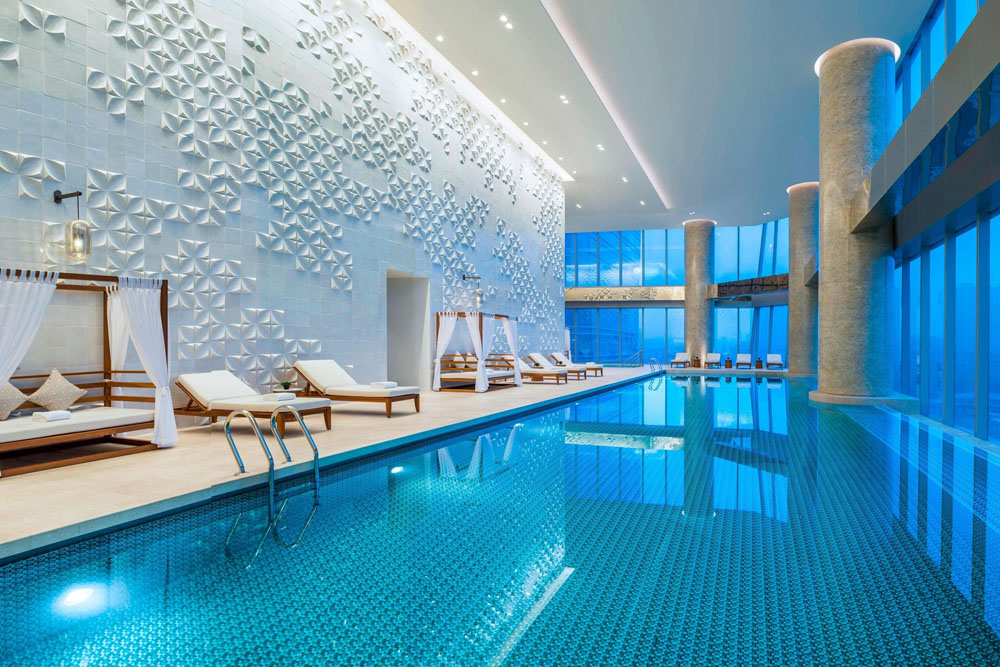
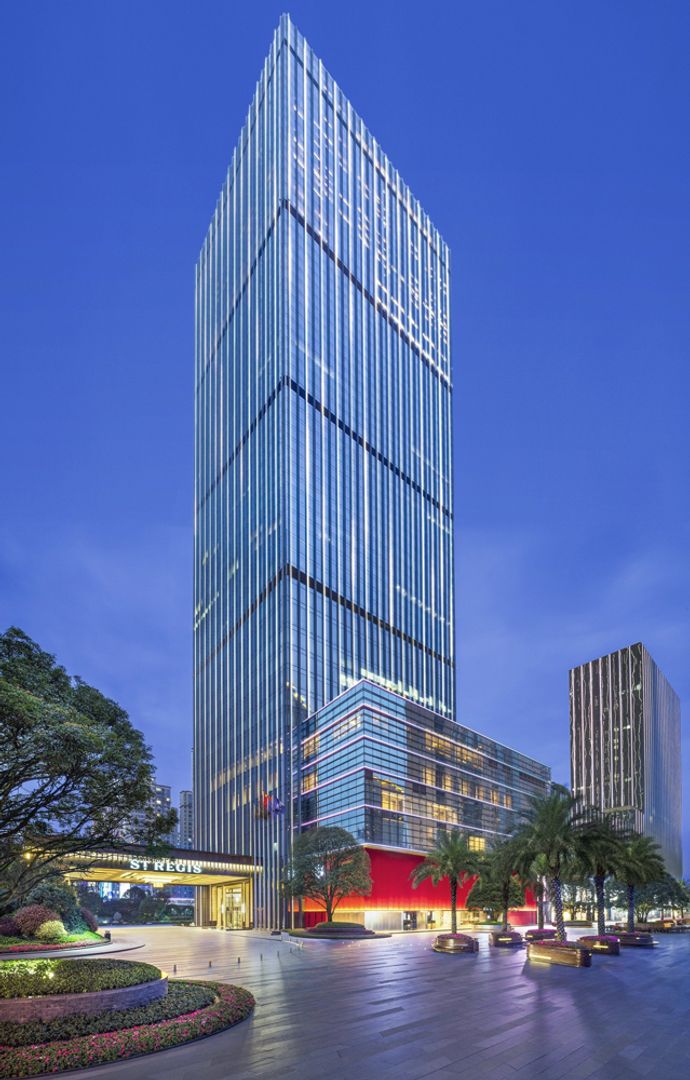
The St. Regis Changsha in Yuhua District brings the most formal register of the four. The St. Regis house style leans on height, ceremony, and the rituals of butler service as a form of spatial grammar, and Yuhua — a district anchored by convention infrastructure and corporate address — provides the appropriate frame. A design-conscious traveler choosing between these four is really choosing between four different theories of what this city should feel like: the IFS tower's international polish, the Langham's riverine calm, the W's deliberate energy, the St. Regis's performed gravity. Changsha doesn't yet have a hotel that fully engages with its specific architectural and material culture — the red clay, the Hunan vernacular, the political iconography still present in its older neighborhoods — but that gap itself tells you something useful about where the city thinks it's headed.