Best hotels in Jiujiang | A Curated Visual Guide to Top Stays
Welcome to PressBeyond, the ultimate curated visual guide for design-driven hotels! My name is Will Miller and this is my recommendation for the best boutique and luxury hotel in Jiujiang.
I am the founder of PressBeyond and I am an ultra-meticulous hotel curator who loves clean visuals. I have individually analyzed and tiered the hotel included in this guide based on a variety of criteria (architecture & design, location, brand & brand affiliation, existing reviews, and my own personal experiences), and importantly, I have hand-selected the leading imagery for this hotel to provide you with easily-digestible, yet detailed and complete, like-for-like, high-level visual profiles. I felt this summarization step was a critical missing piece across existing guides, blogs, and booking platforms. My aim is to make it easier for people to identify hotel environments that resonate with them, along with enabling them to visualize the types of social experiences that those environments help foster. My brain doesn't work when exposed to cluttered content, so my goal was to create the opposite.
Underneath this, we are also a full booking engine offering 5% Venmo cash back along with other exclusive perks. For all of you design-obsessed hotel enthusiasts out there, I hope this guide helps get you to where you see yourself!
An Overview of the Boutique & Luxury Hotel Landscape in Jiujiang
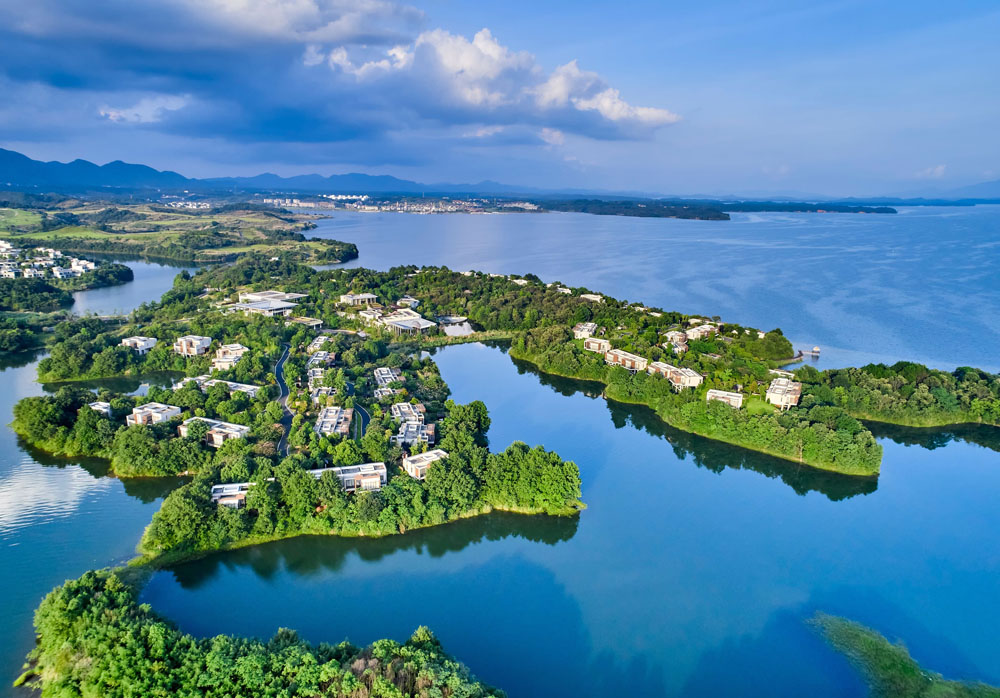
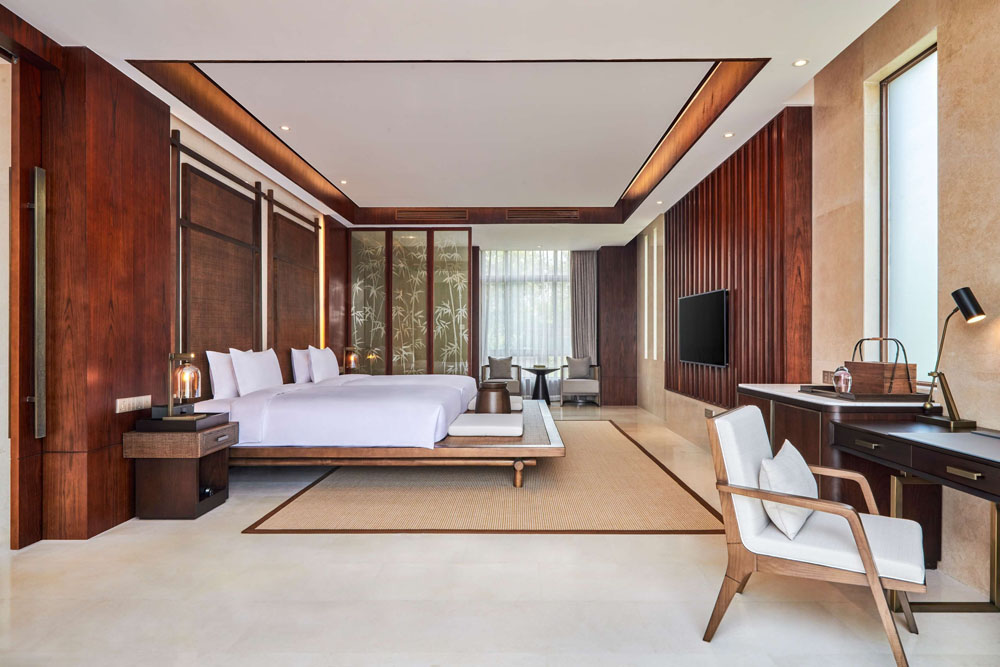
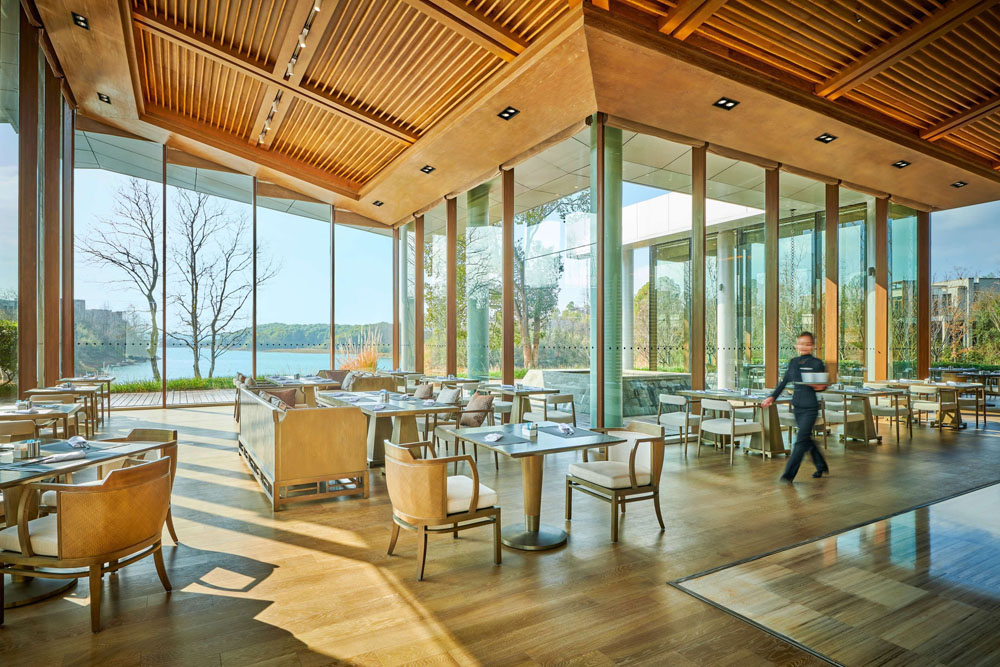
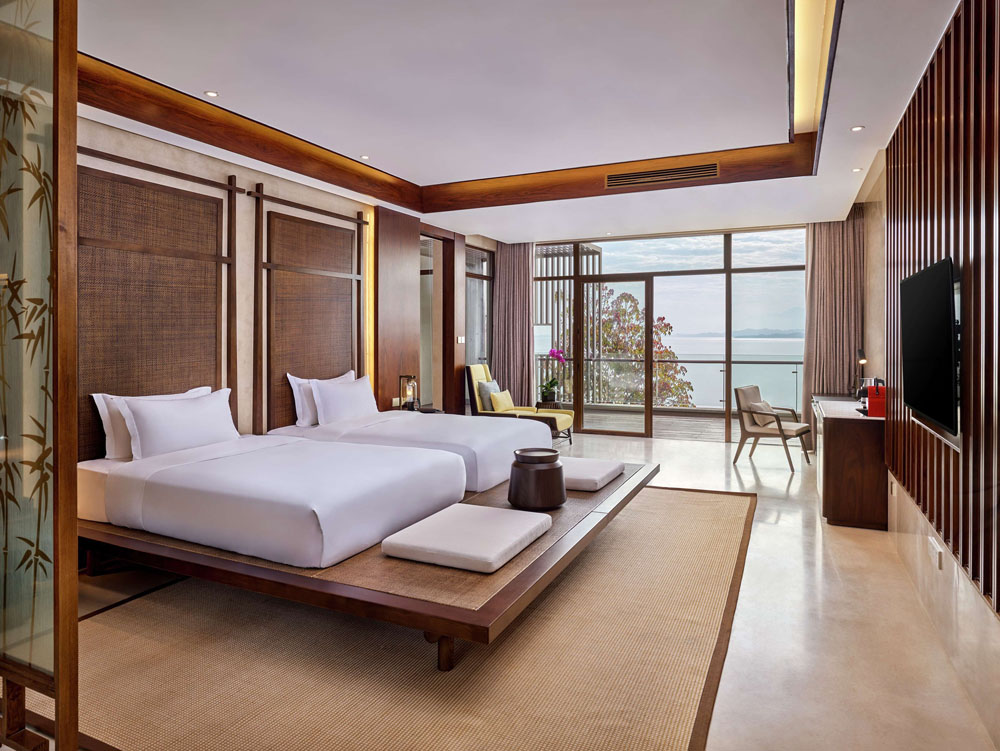
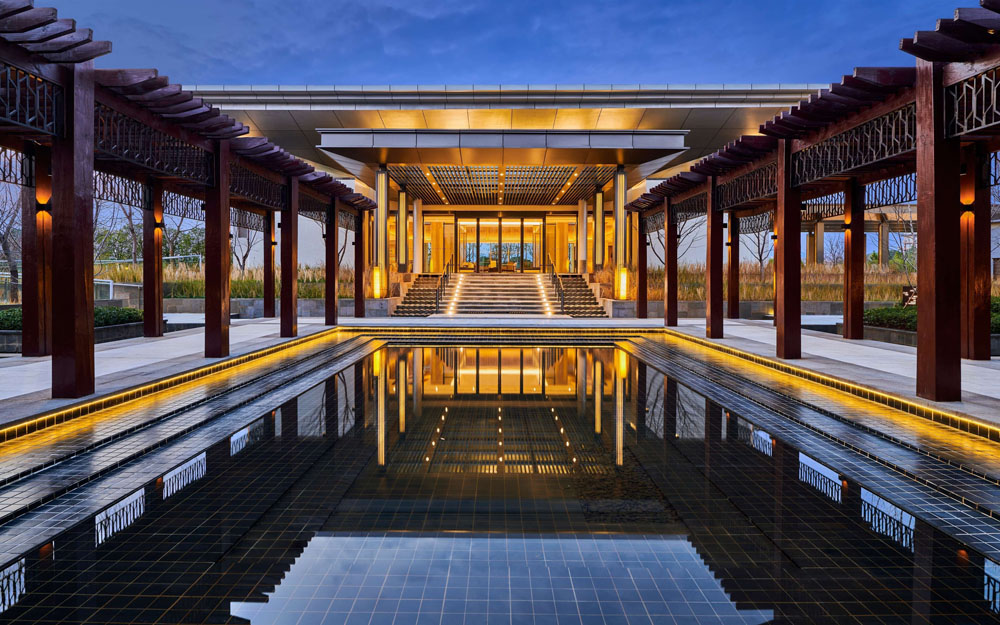
Jiujiang sits at the northern edge of Jiangxi Province where the Yangtze River meets Poyang Lake, China's largest freshwater lake, and the whole place has a quality of water-defined space that shapes not just its geography but its mood. The city itself carries the layered sediment of a treaty port past — it was opened to foreign trade in 1861, and traces of that era survive in the old concession district along the Yangtze embankment, where European-inflected warehouses and customs buildings stand in varying states of preservation beside newer riverside development. But the more compelling design argument for Jiujiang has always been vertical rather than horizontal: Lushan Mountain, rising sharply to the south, drew Chinese literati, foreign missionaries, and Republican-era elites who built stone villas and sanatoriums in its cool mist, leaving behind an architectural register that is genuinely unlike anything else in the region. Zhelin Reservoir, to the west of the city proper, occupies a different register entirely — quieter, more expansive, the kind of landscape where water and sky negotiate terms with each other across a wide, unhurried horizon. This is where the Lushan West Sea Resort, Curio Collection by Hilton, makes its case. Hilton's Curio Collection is a portfolio built around individual character rather than brand uniformity, and in this instance the positioning is well-matched to the setting. The property works the reservoir's scale to its advantage, and at around $144 a night it represents serious value for a high-tier resort experience in a landscape that most international travelers have never considered. What makes Jiujiang worth the attention of a design-conscious traveler is precisely that it has not been smoothed into legibility for outside consumption. The tension between its Yangtze port history, the stone colonial-vernacular of Lushan's hill station architecture, and the serene horizontal emptiness of Zhelin is genuinely productive — these are not competing selling points but different ways of understanding a place that resists easy summary. The Lushan West Sea Resort gives you the right base for that kind of reading: removed from the city's noisier contradictions, positioned on water, and operating at a quality level that doesn't ask you to trade comfort for authenticity. Come for the reservoir light in the early morning, and plan a day on the mountain before you leave.