Best hotels in Shenyang | A Curated Visual Guide to Top Stays
Welcome to PressBeyond, the ultimate curated visual guide for design-driven hotels! My name is Will Miller and this is my recommendation for the best boutique and luxury hotel in Shenyang.
I am the founder of PressBeyond and I am an ultra-meticulous hotel curator who loves clean visuals. I have individually analyzed and tiered the hotel included in this guide based on a variety of criteria (architecture & design, location, brand & brand affiliation, existing reviews, and my own personal experiences), and importantly, I have hand-selected the leading imagery for this hotel to provide you with easily-digestible, yet detailed and complete, like-for-like, high-level visual profiles. I felt this summarization step was a critical missing piece across existing guides, blogs, and booking platforms. My aim is to make it easier for people to identify hotel environments that resonate with them, along with enabling them to visualize the types of social experiences that those environments help foster. My brain doesn't work when exposed to cluttered content, so my goal was to create the opposite.
Underneath this, we are also a full booking engine offering 5% Venmo cash back along with other exclusive perks. For all of you design-obsessed hotel enthusiasts out there, I hope this guide helps get you to where you see yourself!
An Overview of the Boutique & Luxury Hotel Landscape in Shenyang
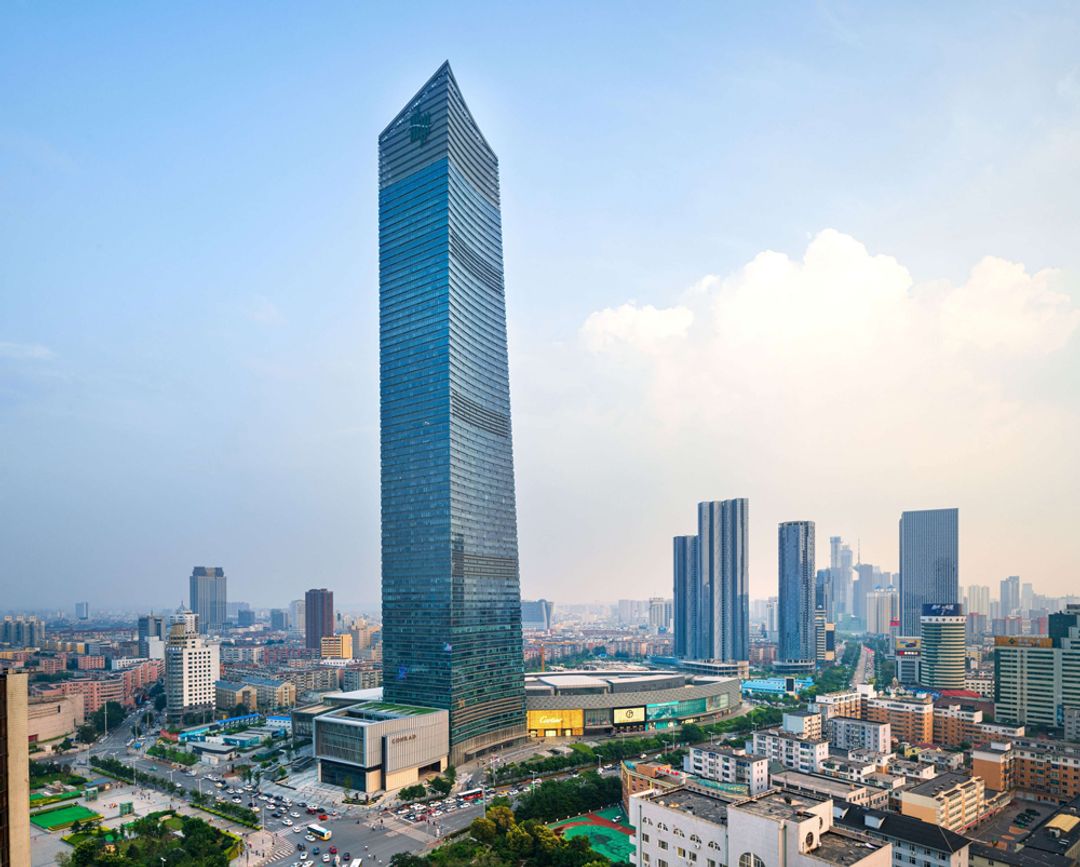
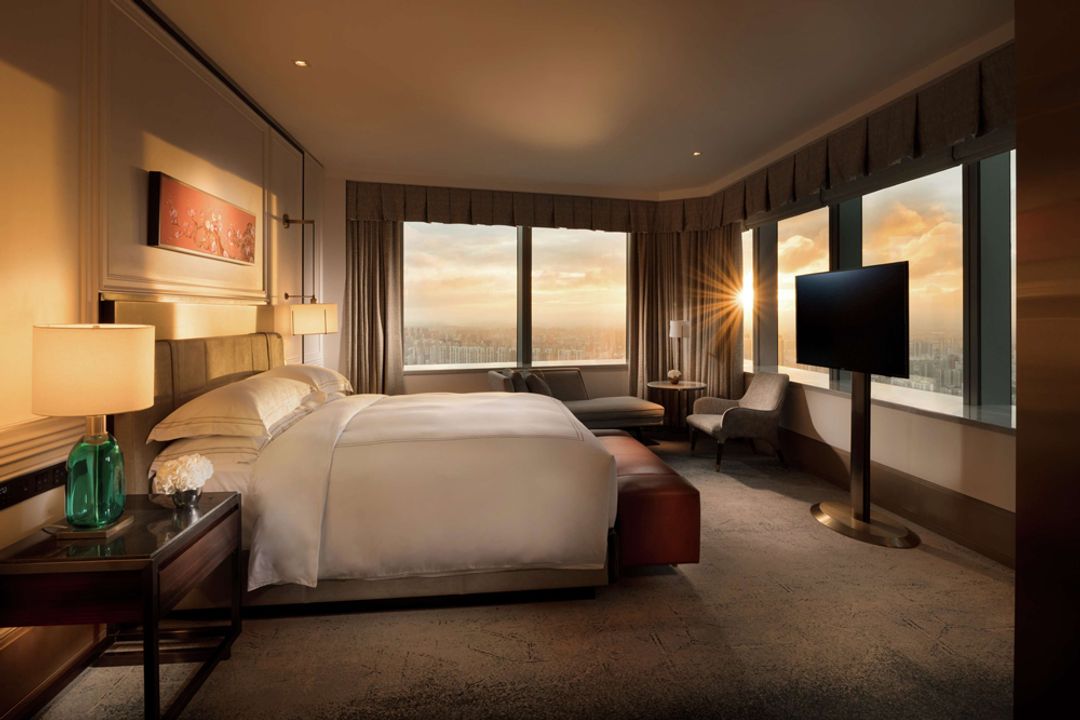
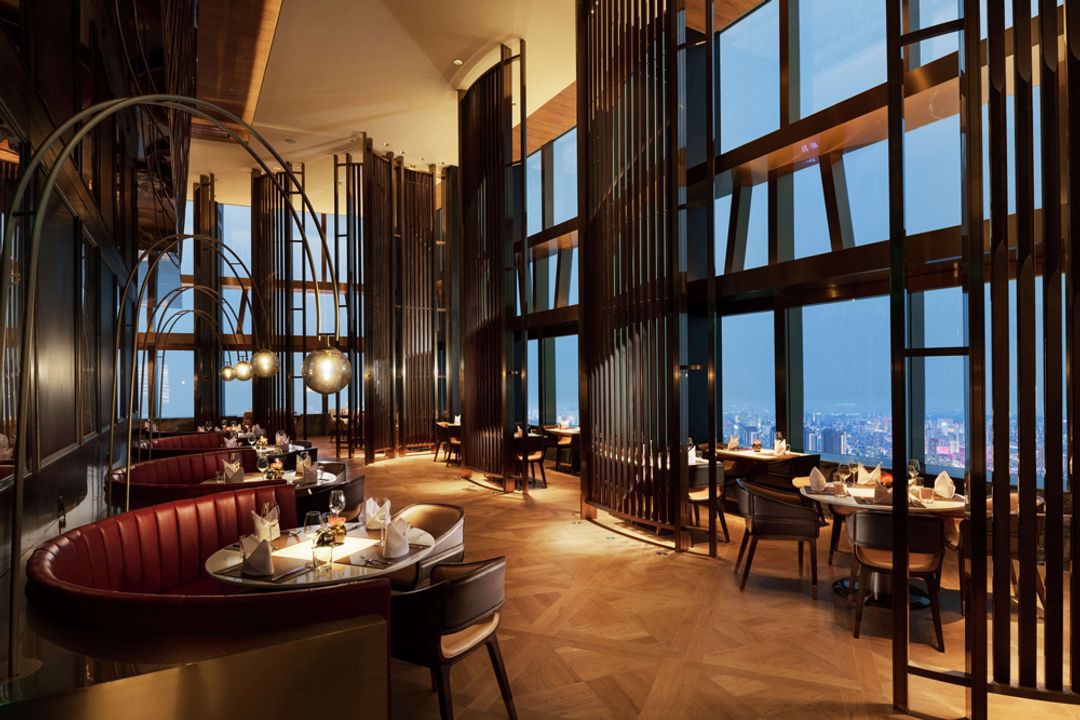
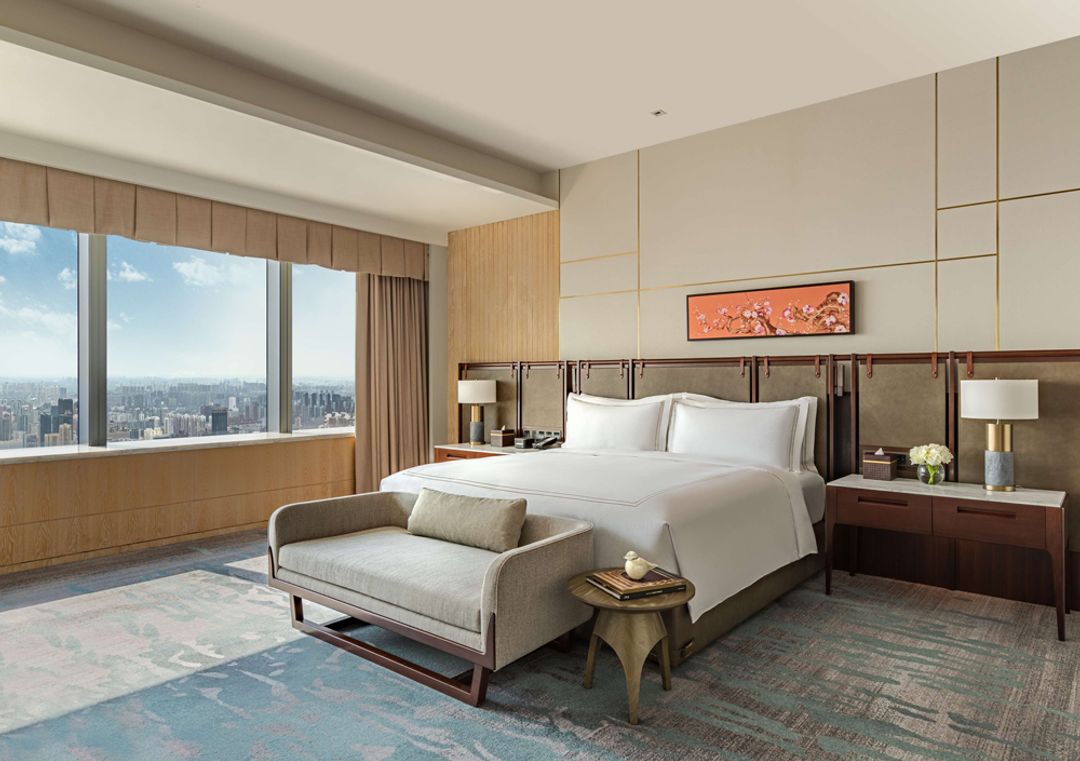
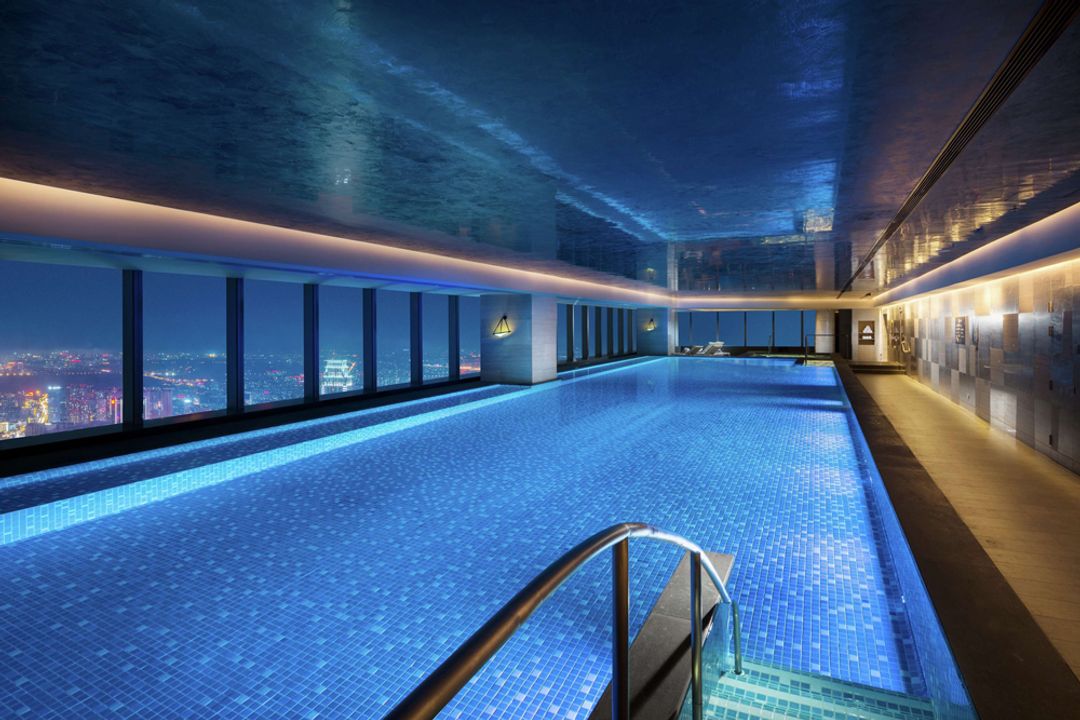
Shenyang carries a weight that most Chinese cities have either bulldozed or buried. As the former capital of the Qing dynasty before Beijing claimed that role, and later the industrial engine of Maoist China's northeast rust belt, the city holds layers of ambition and collapse in unusual proximity. The Imperial Palace — a smaller, rawer cousin to the Forbidden City, built by Nurhaci and Hong Taiji in the early seventeenth century — sits at the geographic and psychological center of the old city, surrounded by a fabric that has been repeatedly torn and restitched. Soviet-era planning left wide ceremonial boulevards and monumental civic architecture across the Shenhe and Heping districts. More recently, the city has pushed toward financial and commercial reinvention, though with less of the spectacle urbanism that defines Shanghai or Shenzhen. Shenhe District, where the Conrad Shenyang is located, sits closest to this historical core. The Conrad operates at a register that feels calibrated to Shenyang's current ambition — a high-specification business hotel that takes its material cues from international contemporary practice rather than local vernacular, with the refined restraint that Hilton's upper tier typically delivers in second- and third-tier Chinese cities that are making a claim on global relevance. At an average rate around $137, it represents a confident value proposition relative to comparable properties in Beijing or Shanghai, without any sacrifice in the quality of rooms, food and beverage, or meeting infrastructure. For a traveler using Shenyang as a base to engage seriously with the Imperial Palace complex, the Zhang Xueliang Former Residence, or the industrial heritage sites around Tiexi, proximity and comfort matter more than architectural novelty. What makes Shenyang worth the detour — and it does require one, sitting outside the gravitational pull of China's conventional tourist circuits — is precisely the friction between its imperial past, its Soviet-inflected mid-century urbanism, and its present-day commercial ambitions. That friction has not yet been smoothed into a coherent design identity, which means the city still rewards a certain kind of attentive traveler: one drawn to the unresolved, the overlooked, and the genuinely transitional. The Conrad Shenyang gives that traveler a dependable, well-appointed place to return to at the end of a day spent navigating the rest of it.