Best hotels in Suzhou, China | Visually Compare Top Stays Side-by-Side
Welcome to PressBeyond - a curated visual guide to design-driven hotels and the fastest way to compare them.
An Overview of the Boutique & Luxury Hotel Landscape in Suzhou, China
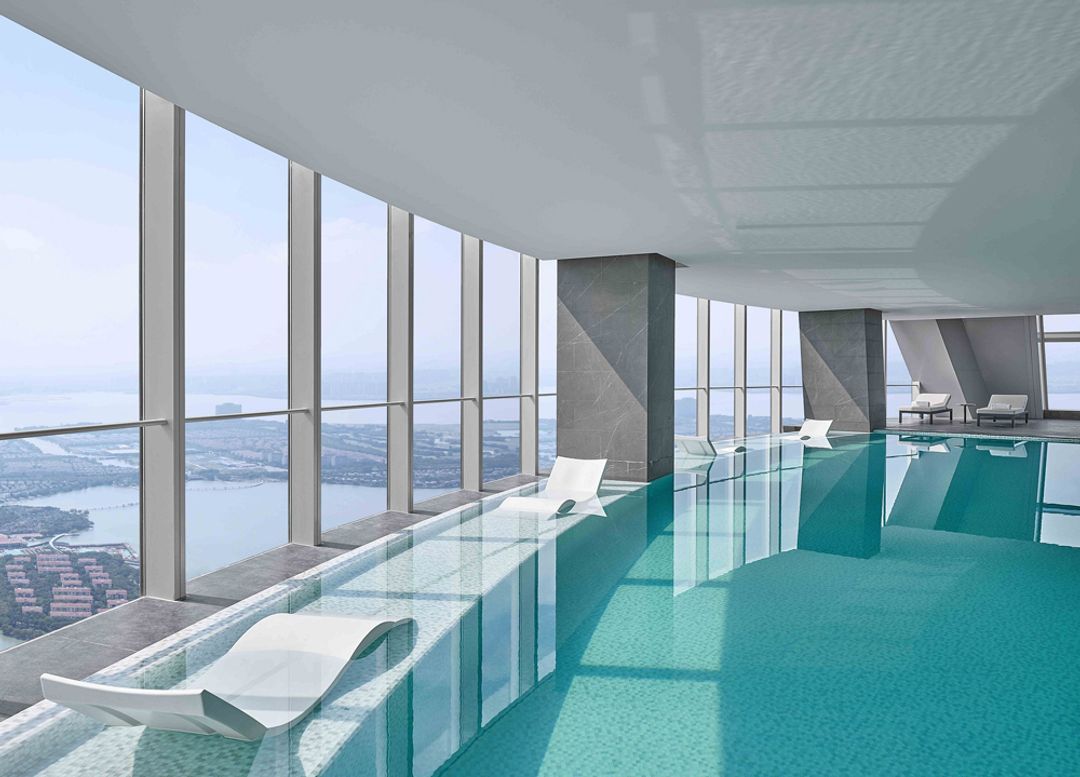
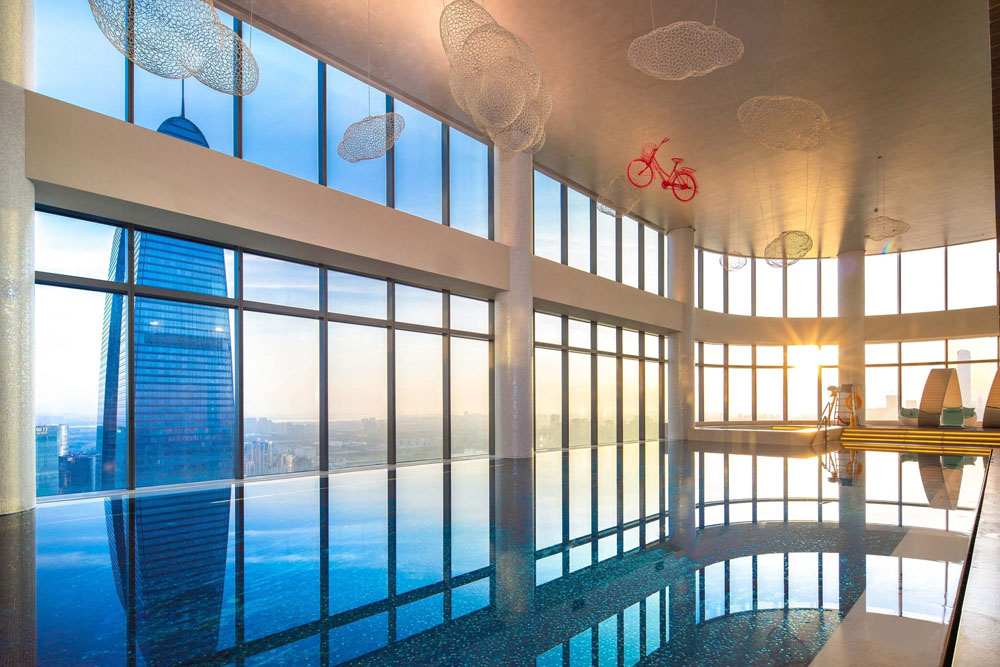
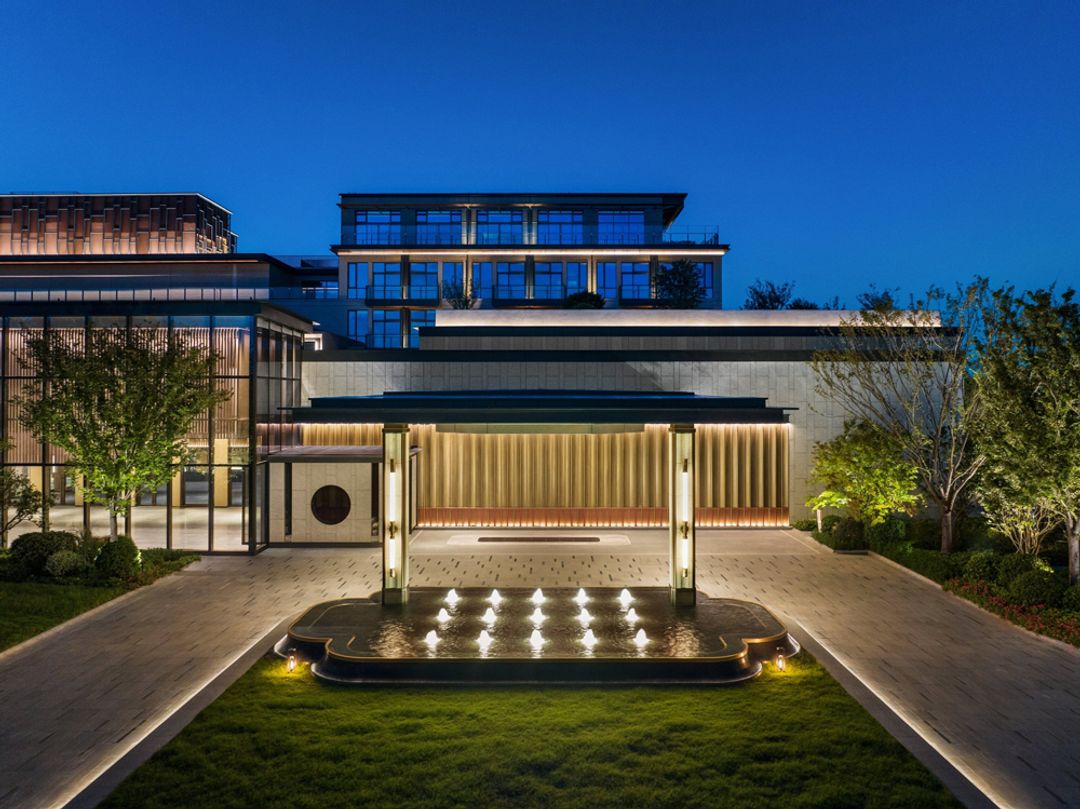
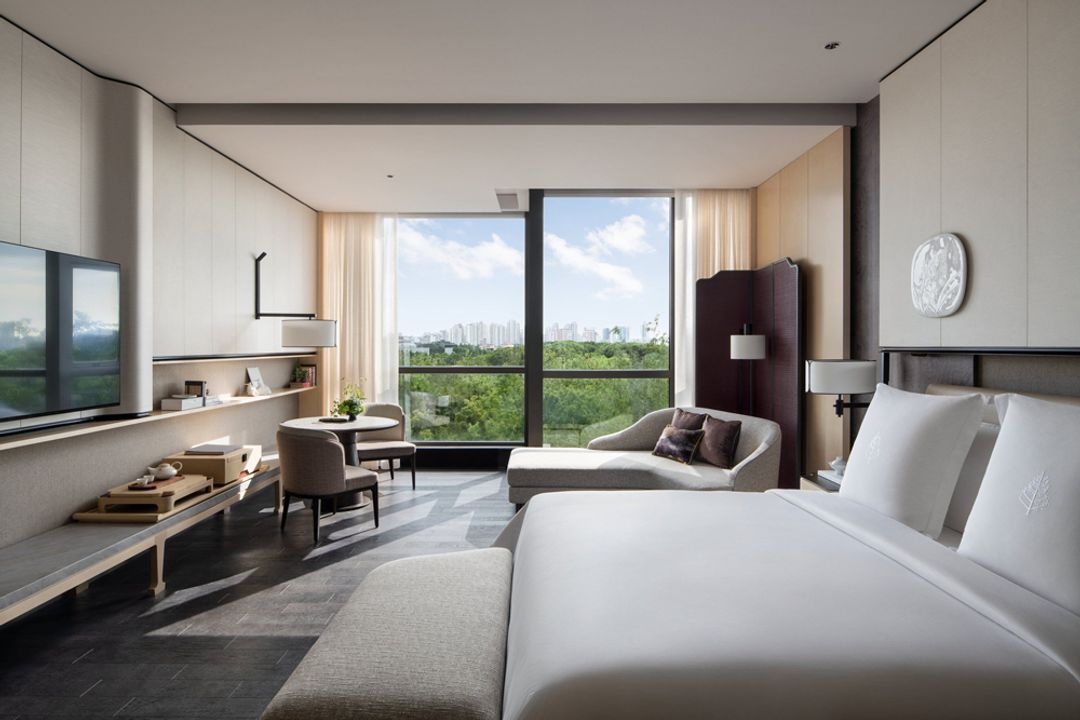
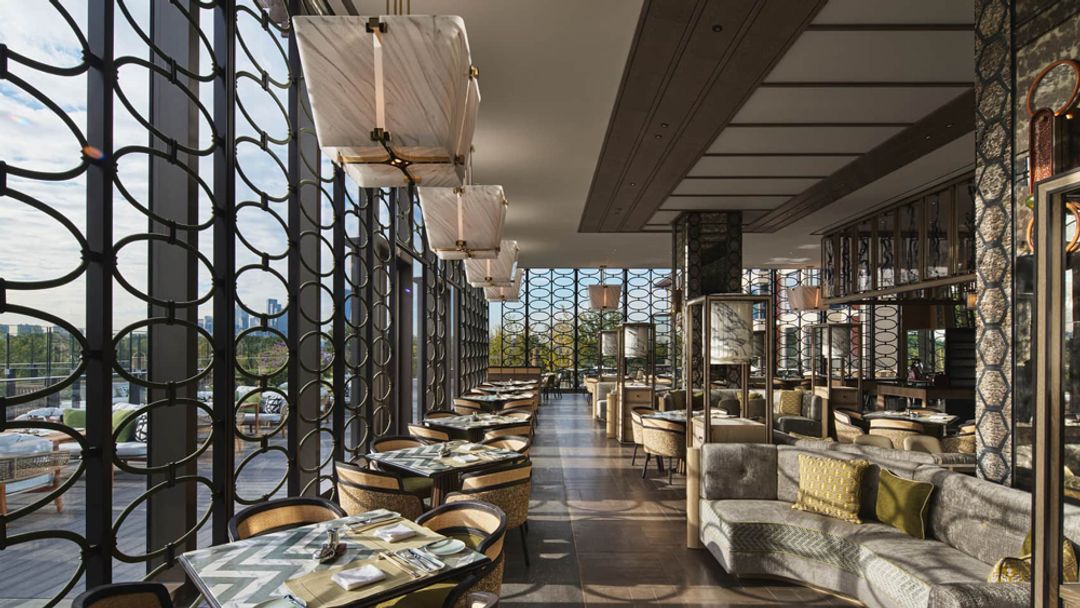
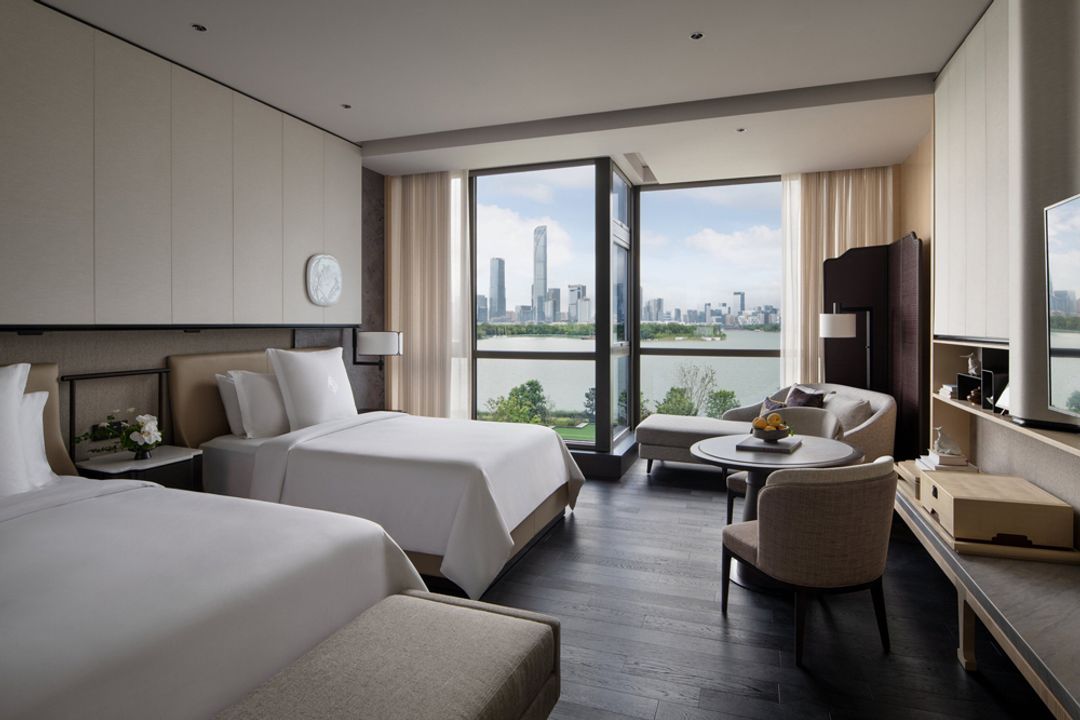
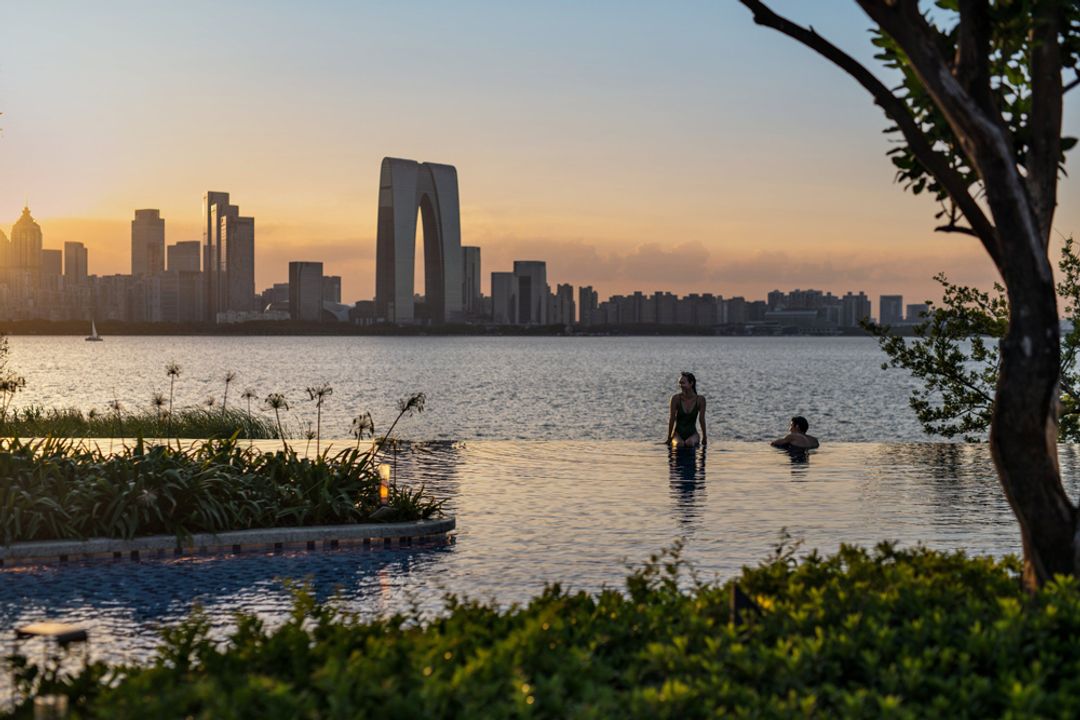
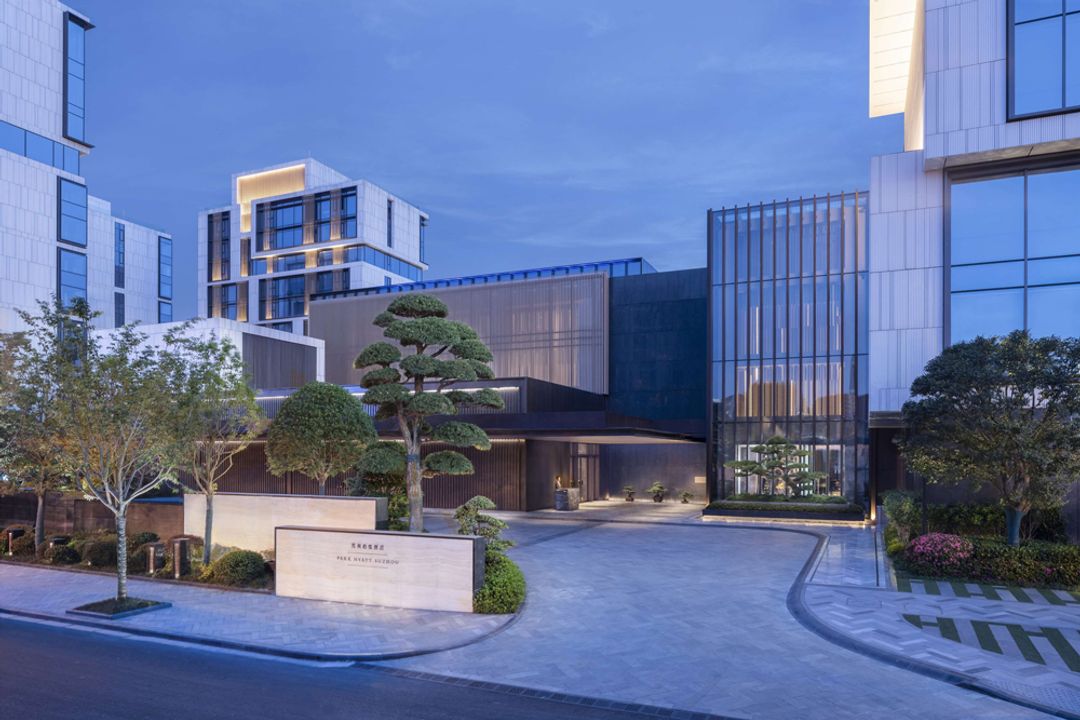
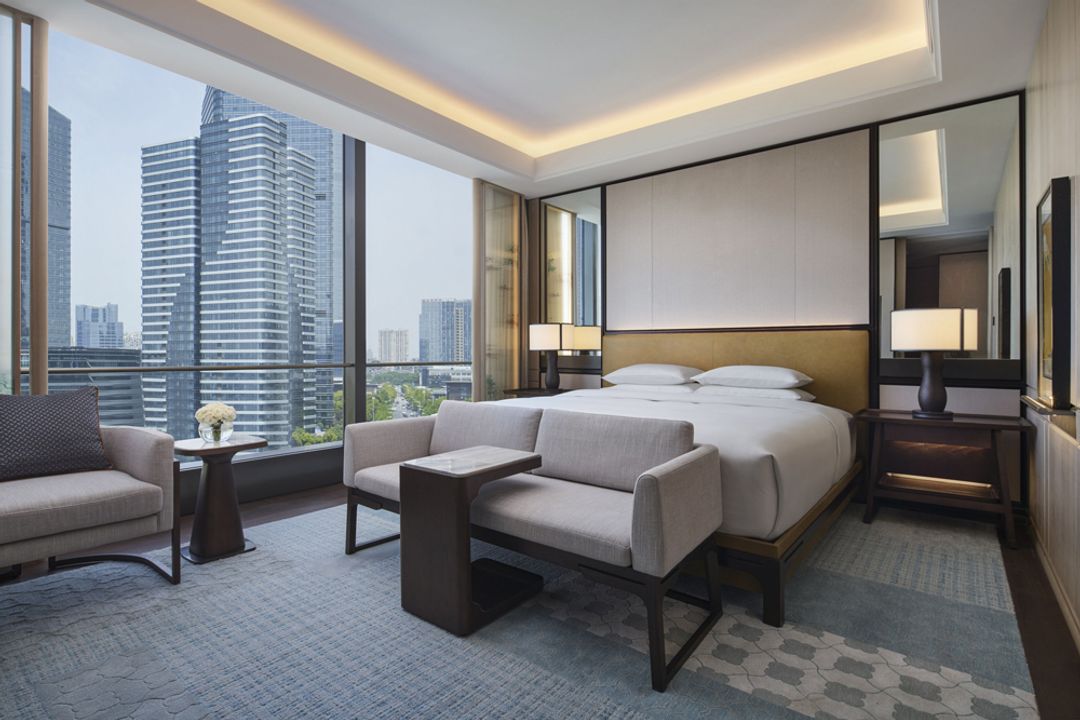
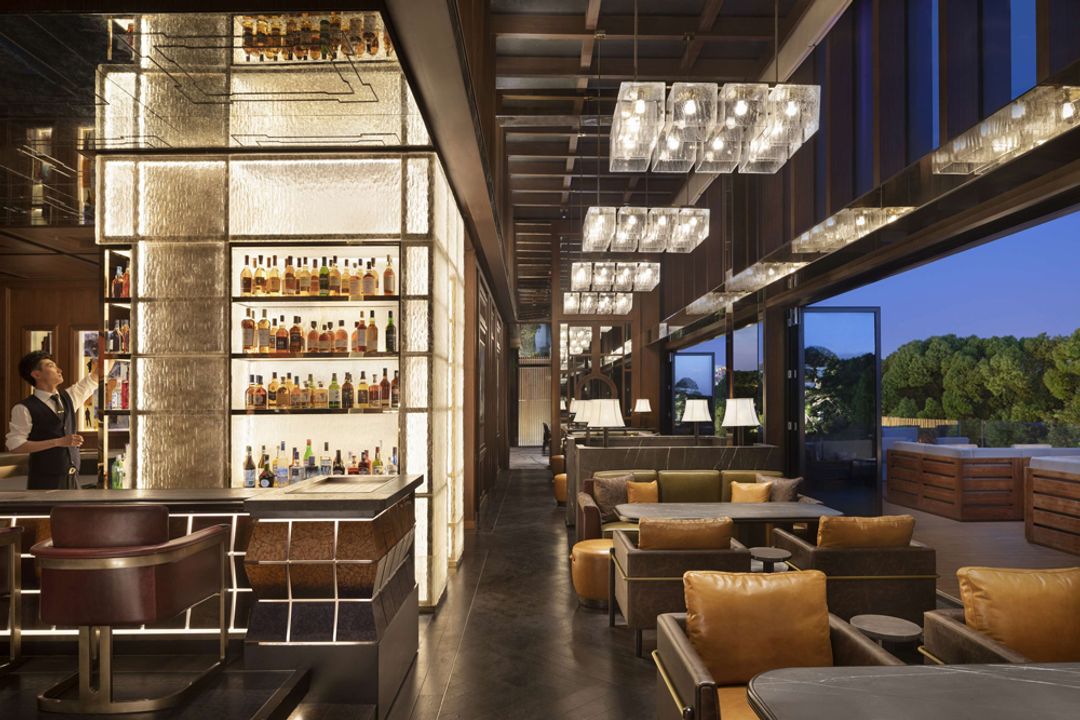
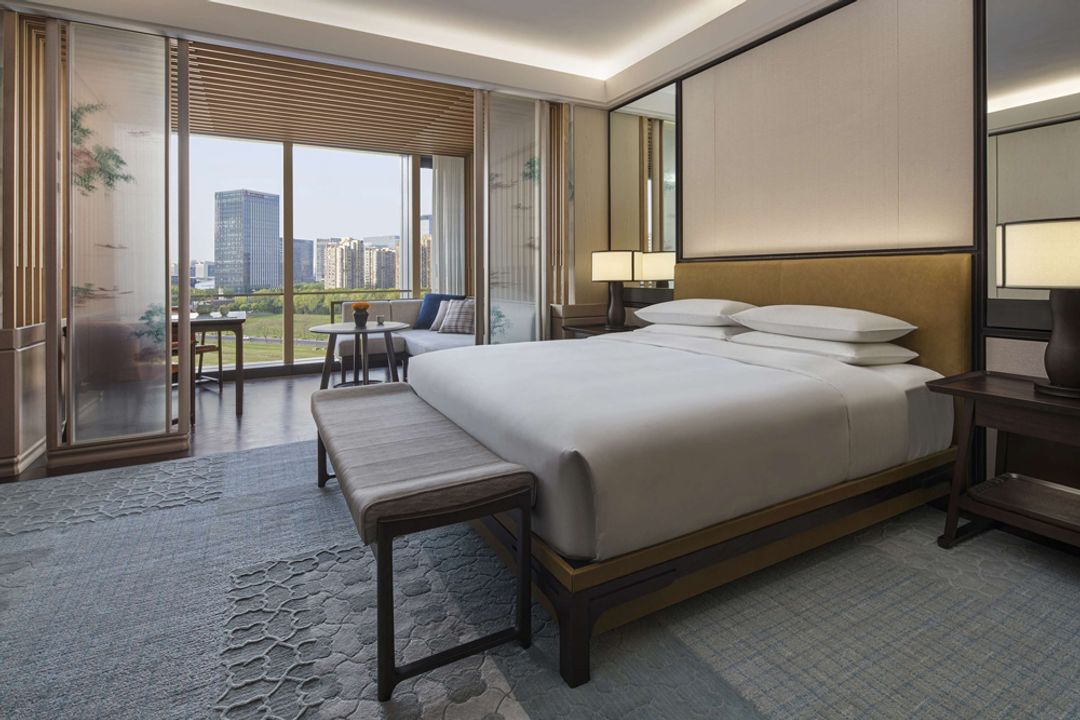
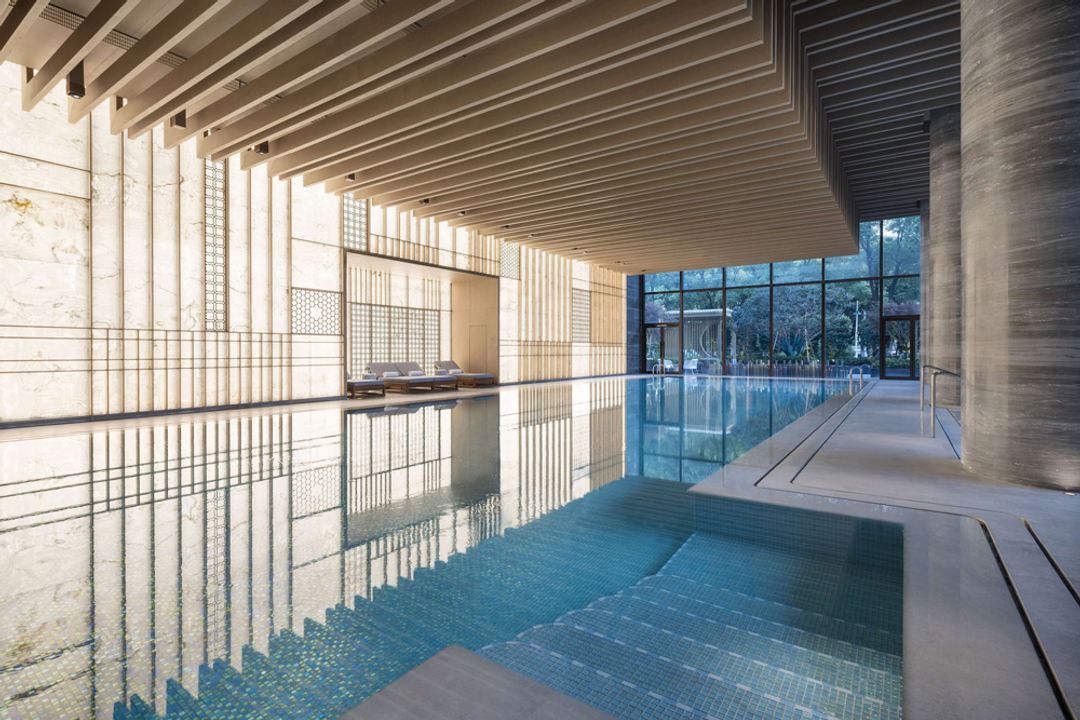
Suzhou holds an unusual tension at its core: one of China's oldest and most celebrated garden cities, a place where classical Chinese landscape design reached something close to its philosophical apex, now ringed by a new district built almost entirely from scratch in the 2000s. The Jinji Lake area, east of the old city, is where that new Suzhou asserts itself most forcefully. The Park Hyatt Suzhou rises here in a tower designed by Kohn Pedersen Fox, its stacked volumes and glazed facade making a clear statement about verticality in a city historically devoted to the horizontal plane of water, rock, and pavilion. Also on Jinji Lake, the Four Seasons Hotel Suzhou takes a different approach, its low-rise architecture and landscaped gardens attempting a measured conversation with the classical garden tradition that made this city famous. The Four Seasons occupies one of the more thoughtful positions in the portfolio precisely because it refuses the easy option of the tower.
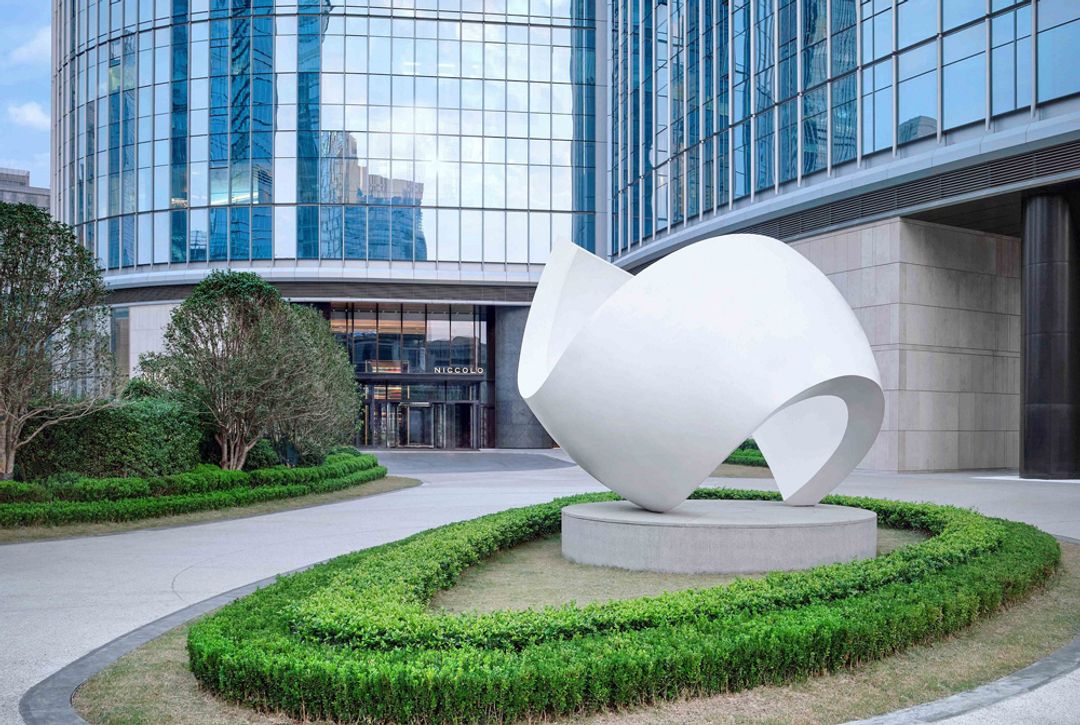
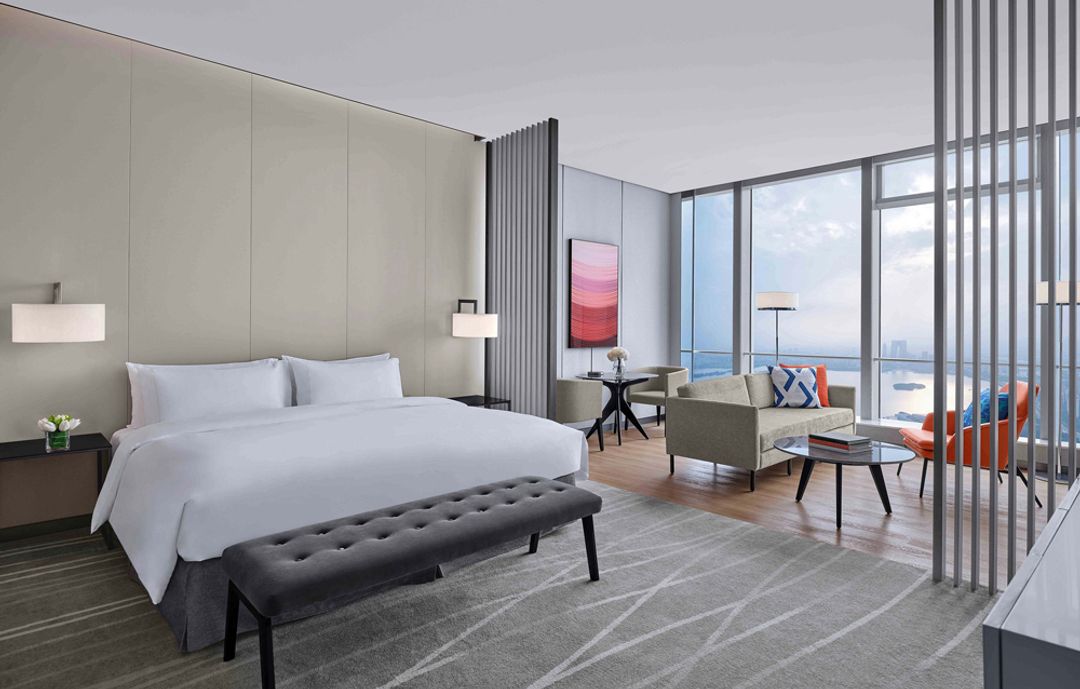
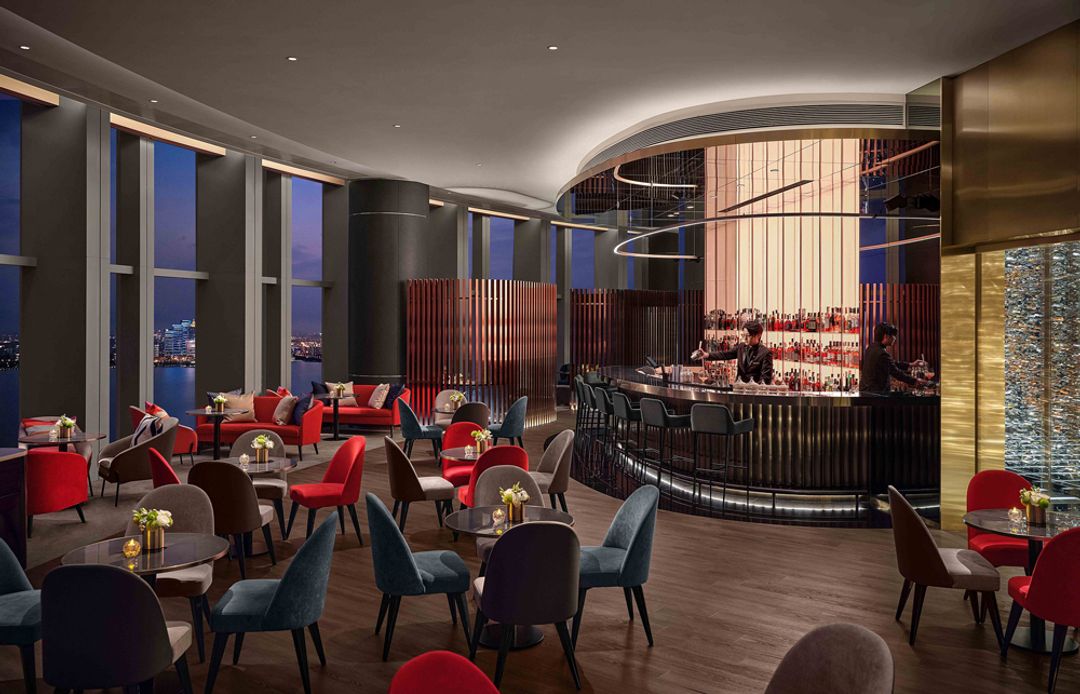
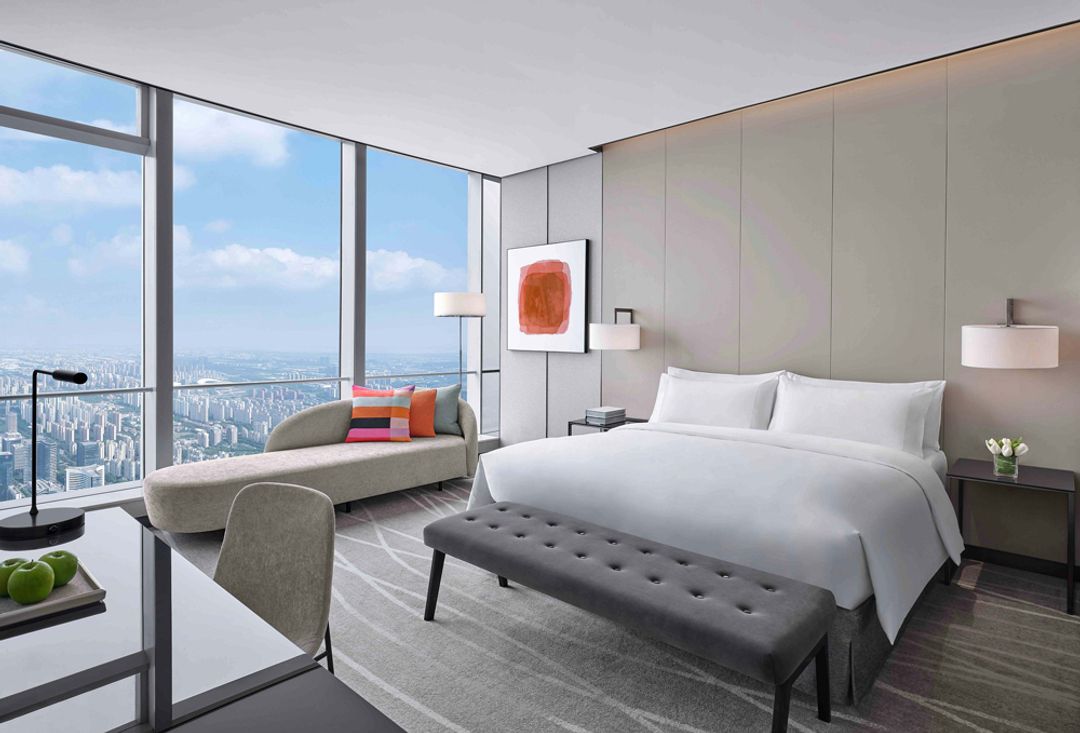
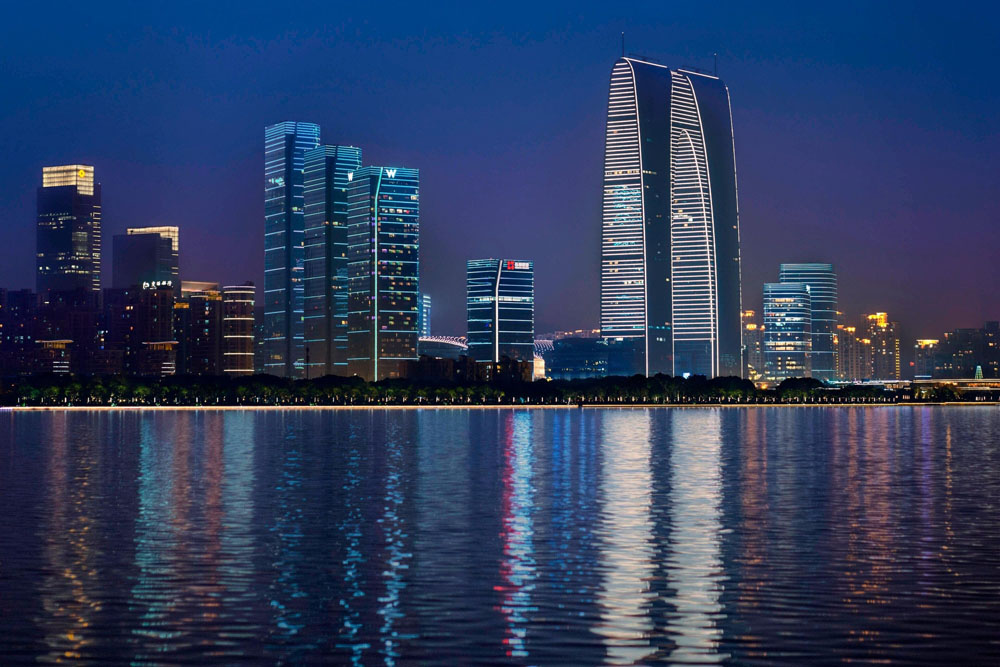
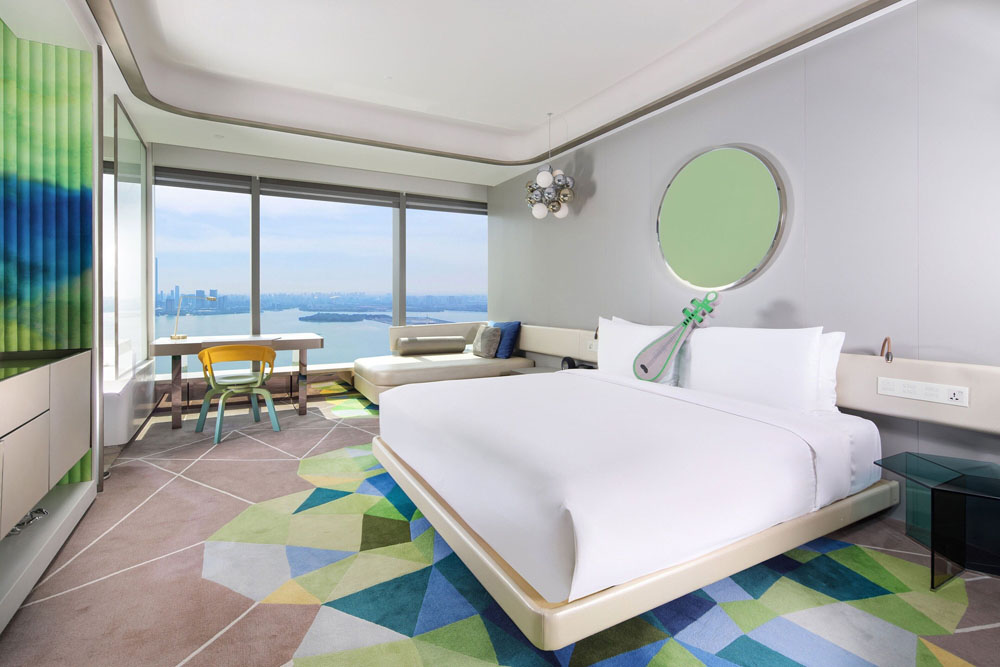
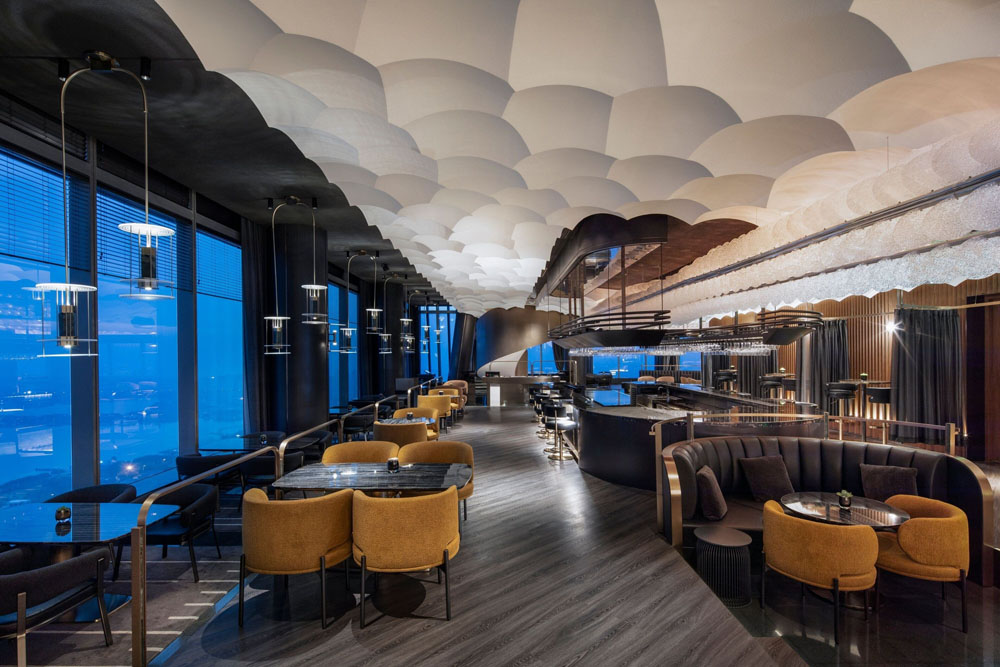
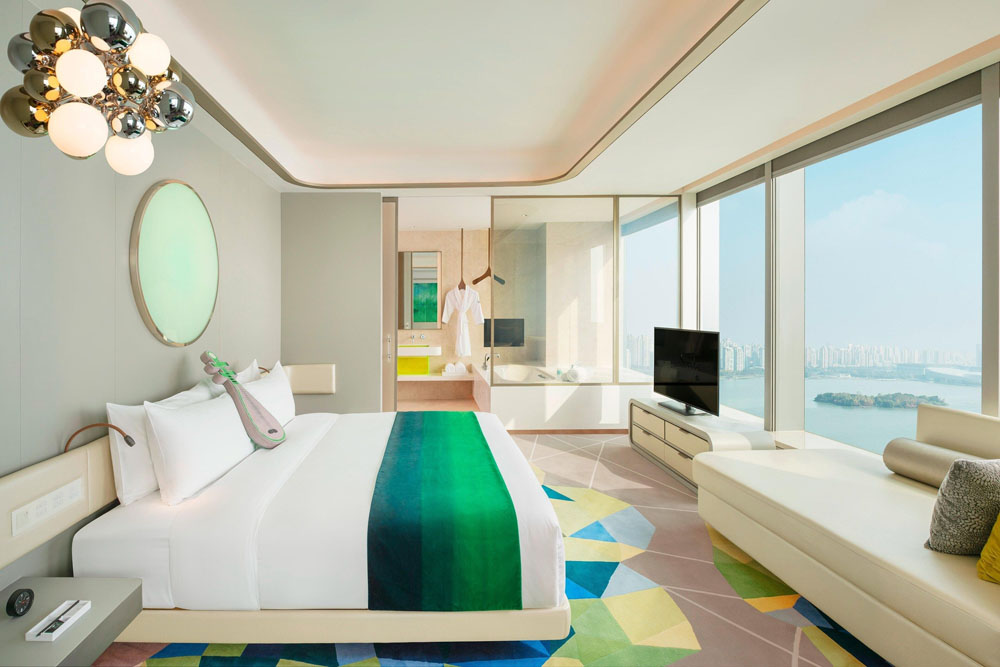
Elsewhere in the new commercial core, the W Suzhou at Suzhou Center brings the brand's familiar appetite for saturated color and high-contrast interiors to a city where the dominant aesthetic has historically been one of restraint, gray stone walls, whitewashed plaster, and the careful framing of borrowed scenery. The contrast is intentional and not uninteresting. The Niccolo Suzhou at Suzhou IFS, part of the Wharf Hotels group, occupies another mixed-use tower development and leans into a polished contemporary register that suits business travelers while offering more visual refinement than the W's more performative energy. Both hotels serve a Suzhou that is increasingly a destination for mainland Chinese corporate travel and weekend visitors from Shanghai, just ninety minutes away by high-speed rail.
For the traveler who came specifically because of the UNESCO-listed gardens, the classical temples, and the canals of the old Pingjiang district, none of these hotels are within walking distance of the things that actually define Suzhou's identity. That requires either a taxi ride or a deliberate decision to accept some distance from the historical fabric. The Four Seasons, with its garden-referencing architecture and lakeside setting, resolves this tension most gracefully among the options available, even if it cannot replicate the stillness of a Scholar's garden at dawn. What it can do is remind you, in its proportions and plantings, why that stillness was worth building a city around in the first place.